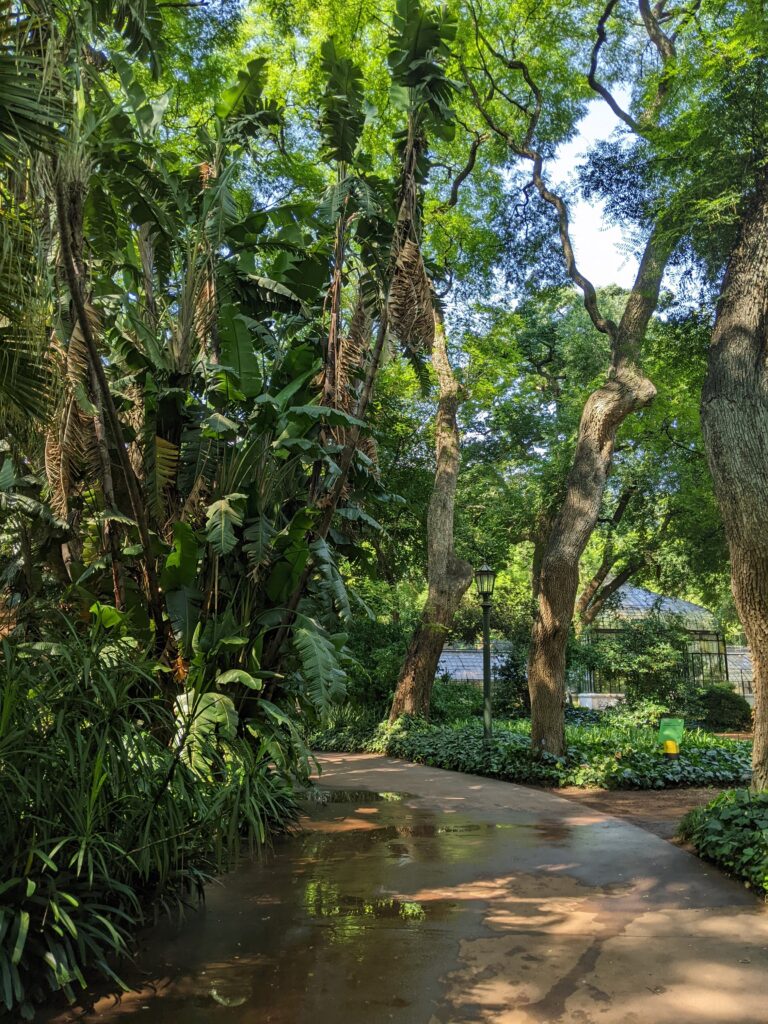
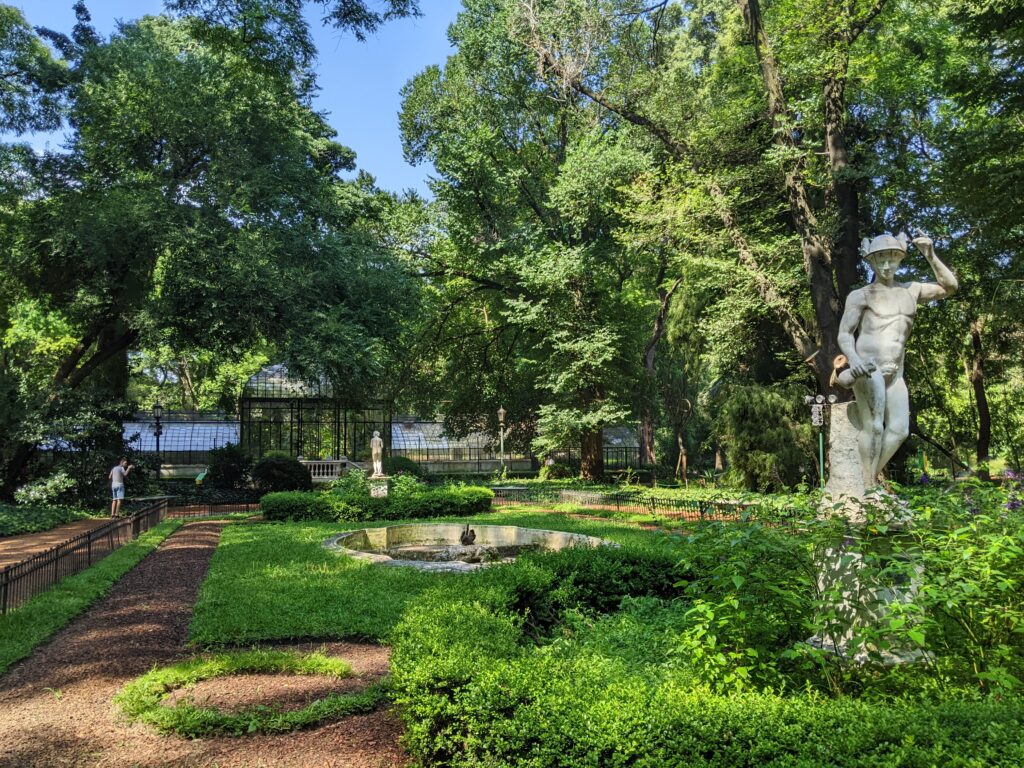
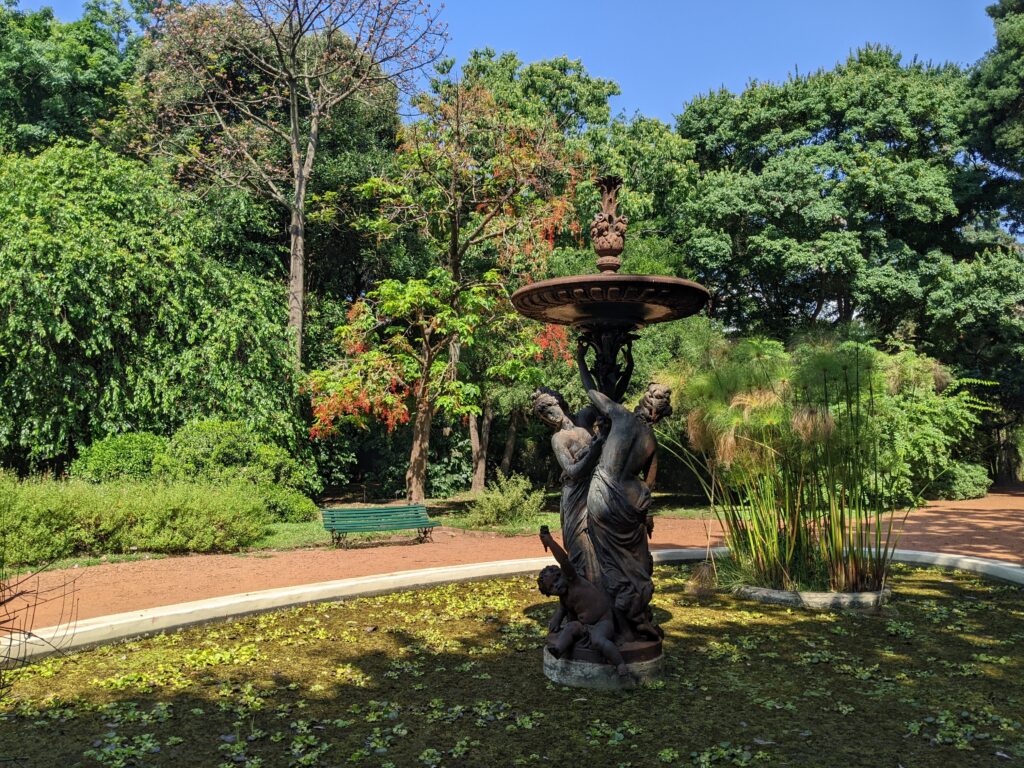
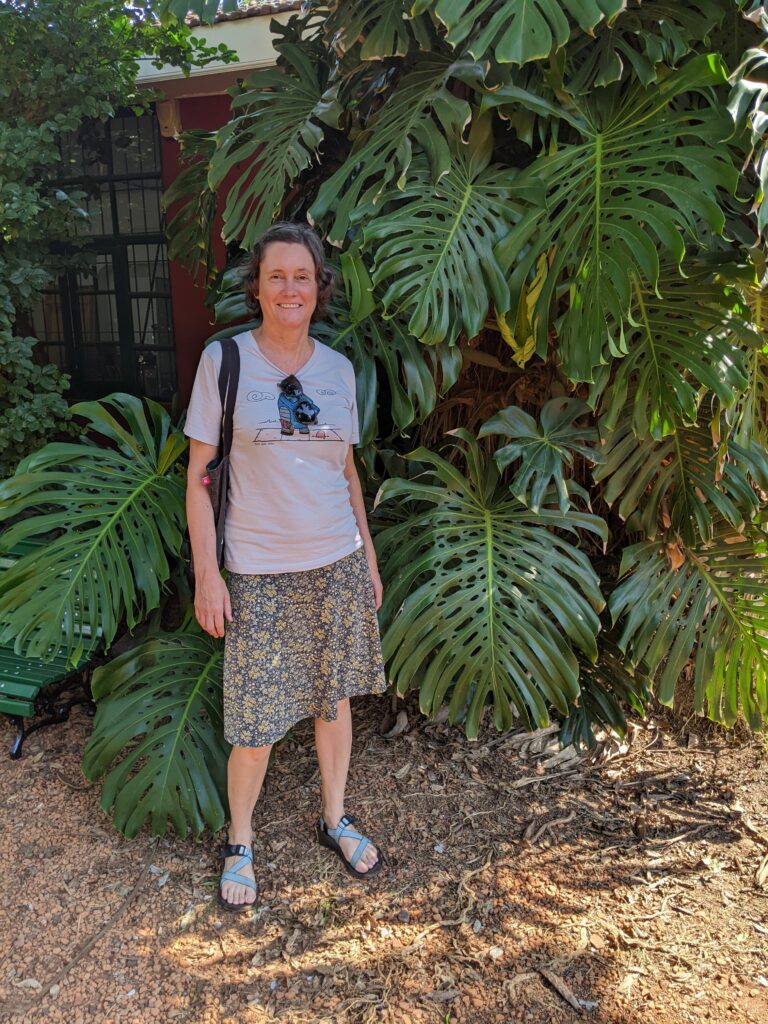
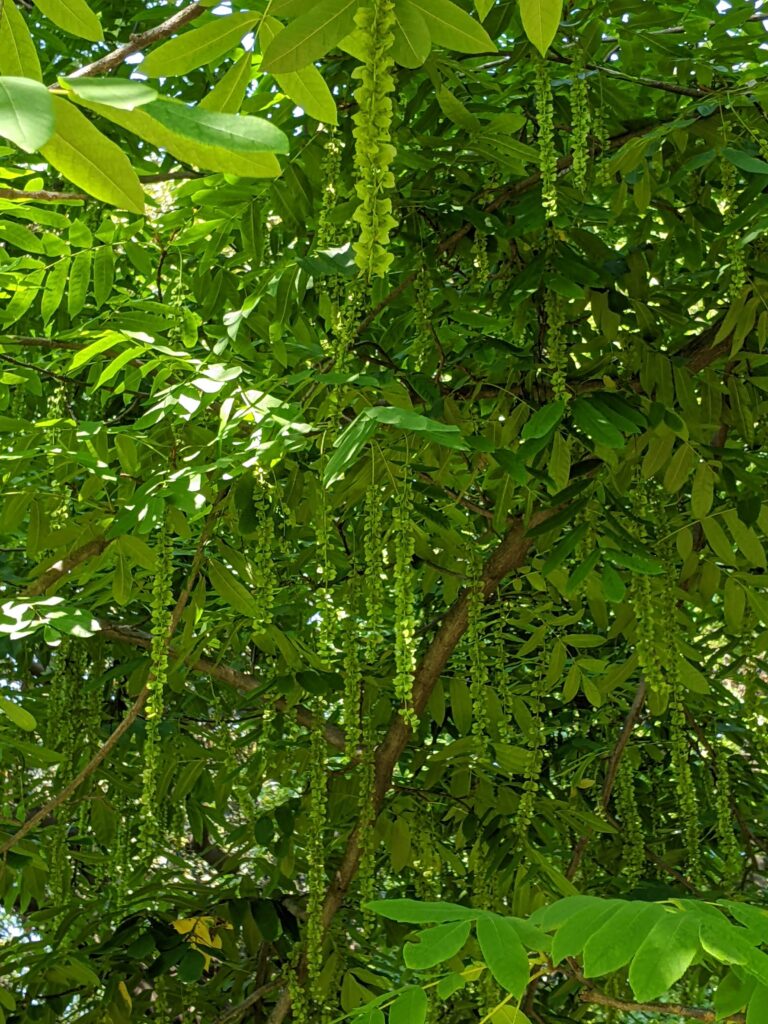
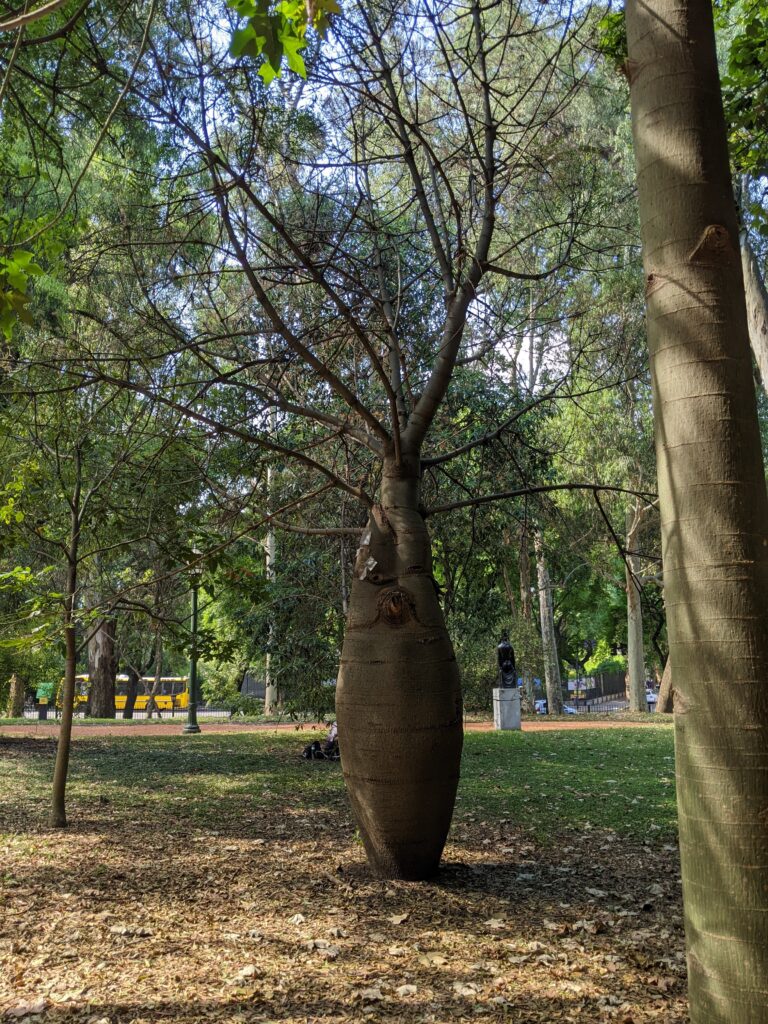
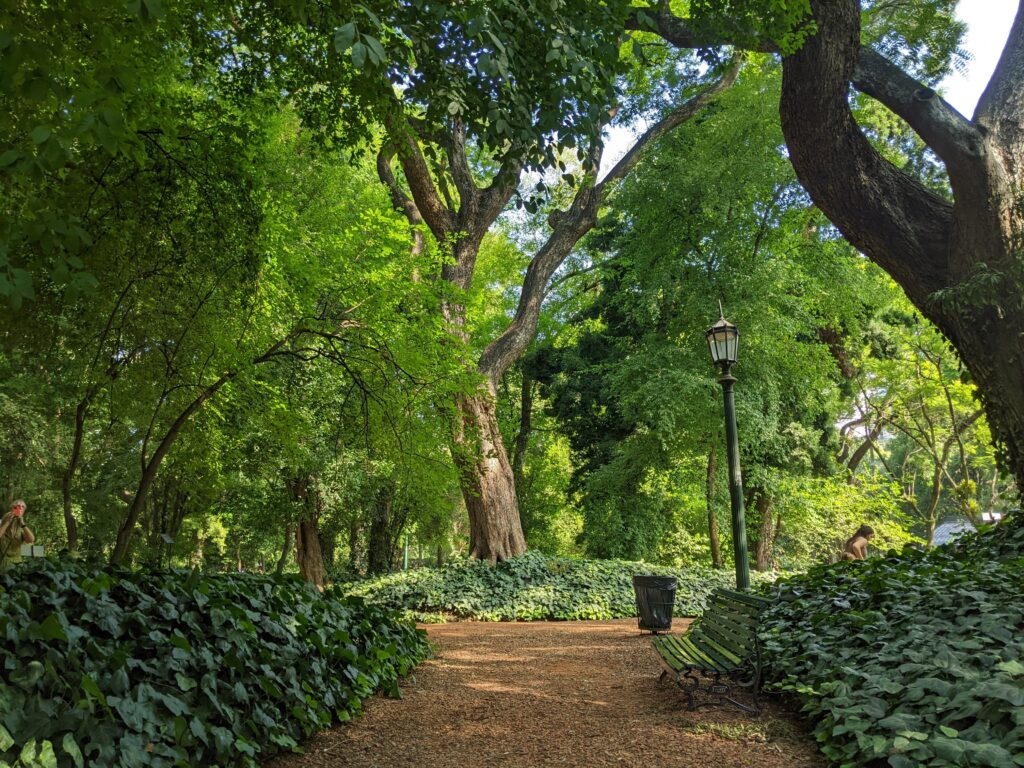
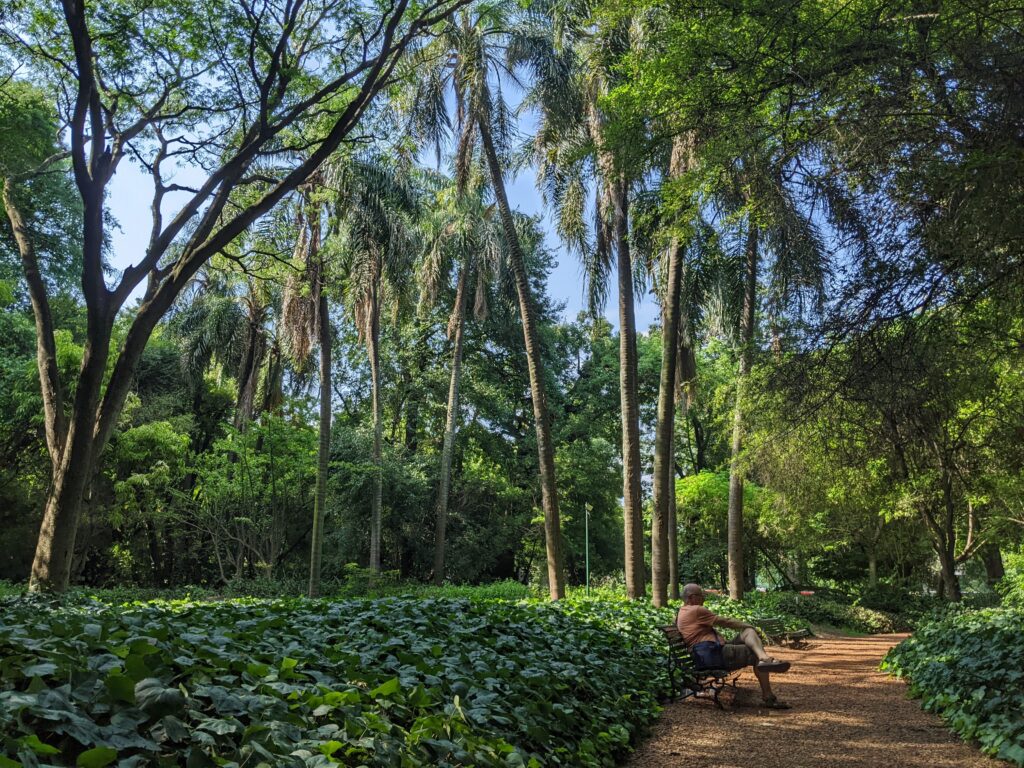
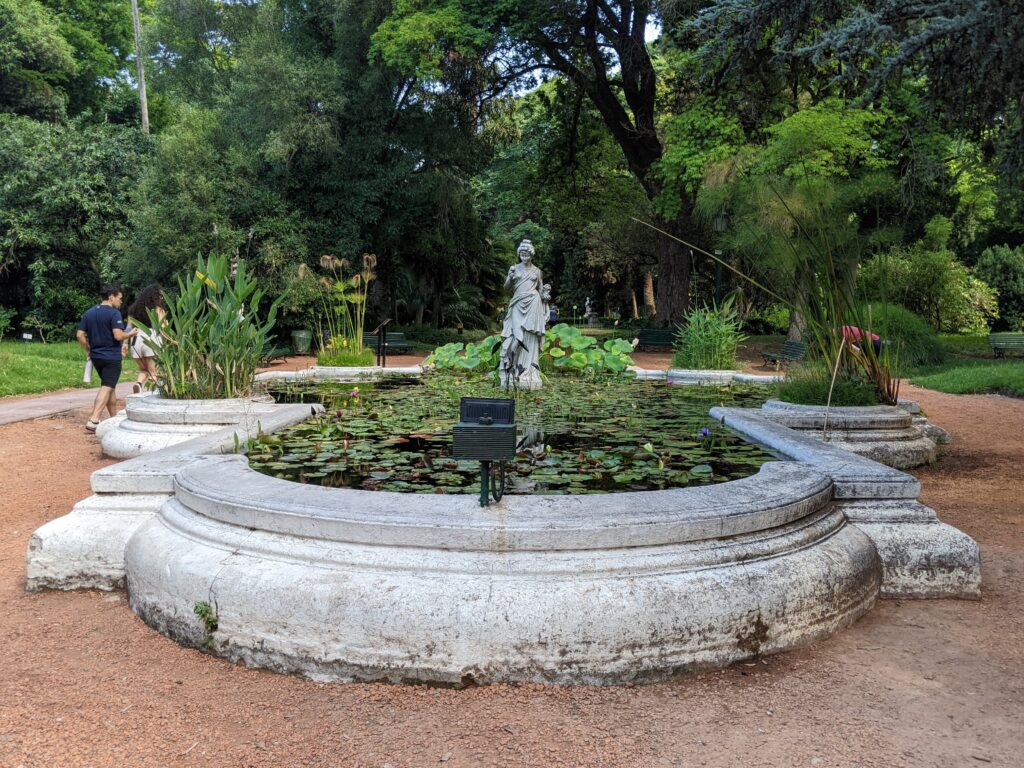
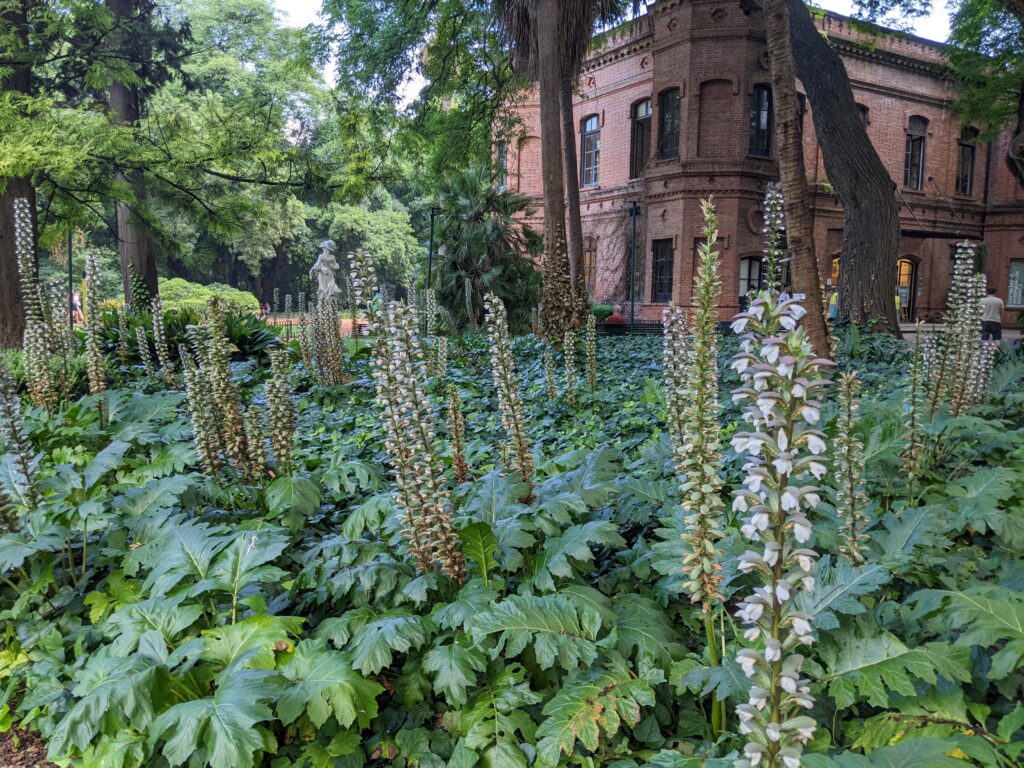
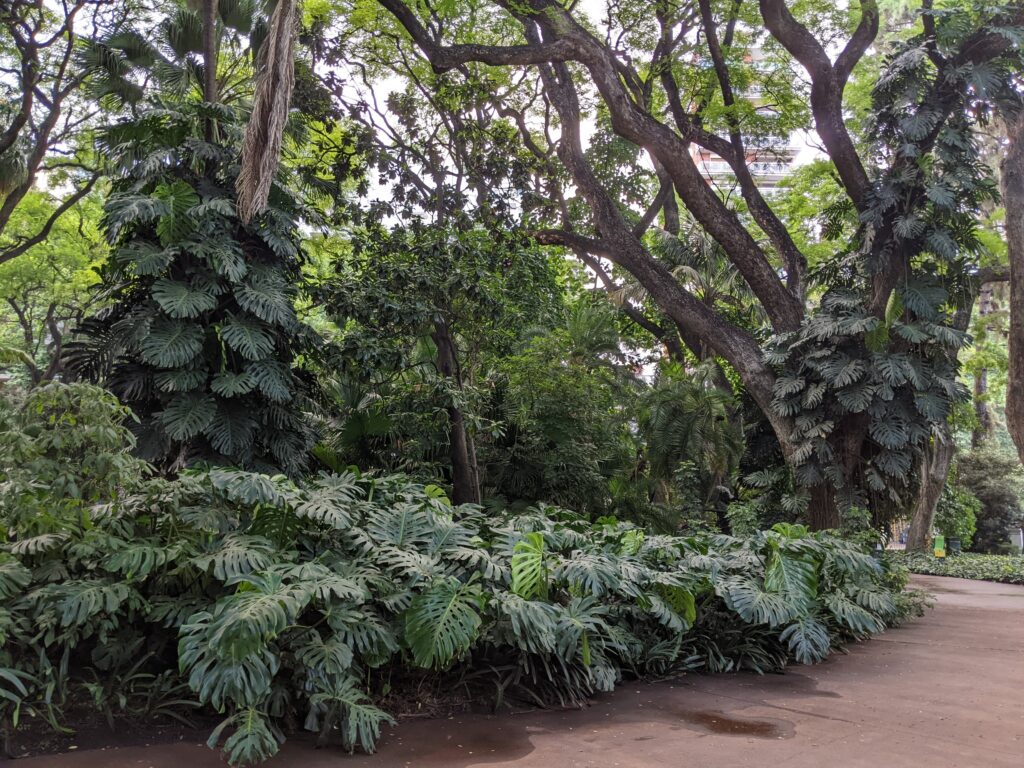
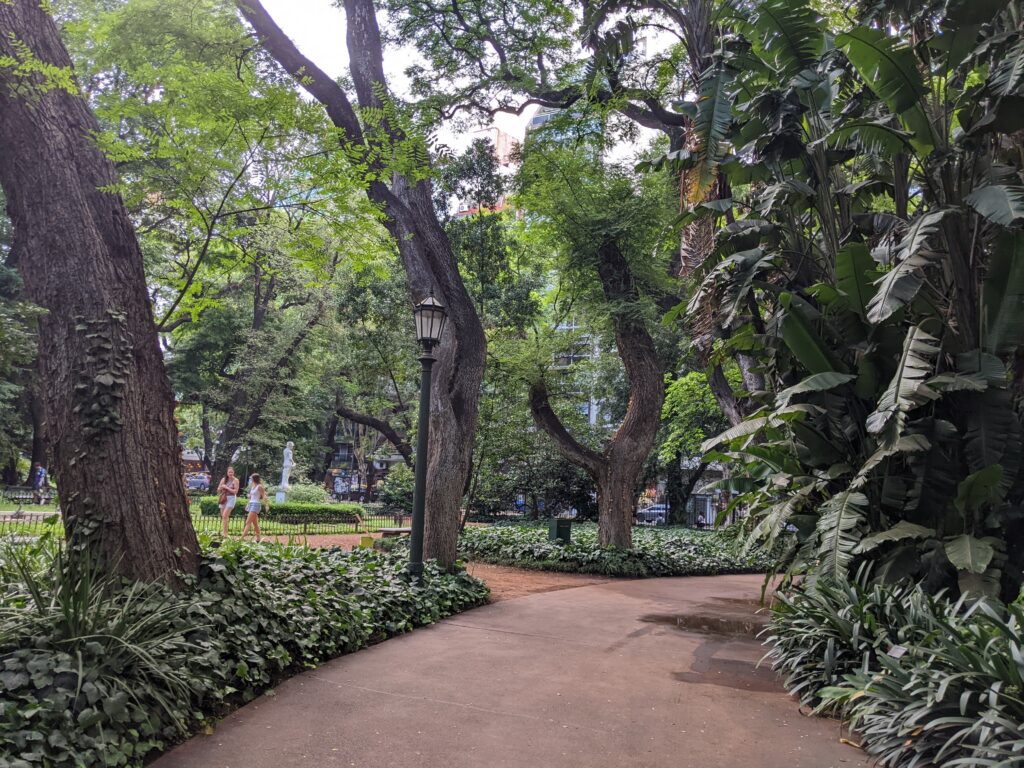
The Japanese Garden opened in 1967, and it was designed and constructed by the Japanese community in Buenos Aires as a tribute to the first visit of the Crown Prince Akihito and Princess Michiko to Argentina.
Argentine residents pay $4,500 to enter the garden (about 3 dollars), non-residents pay $13,500
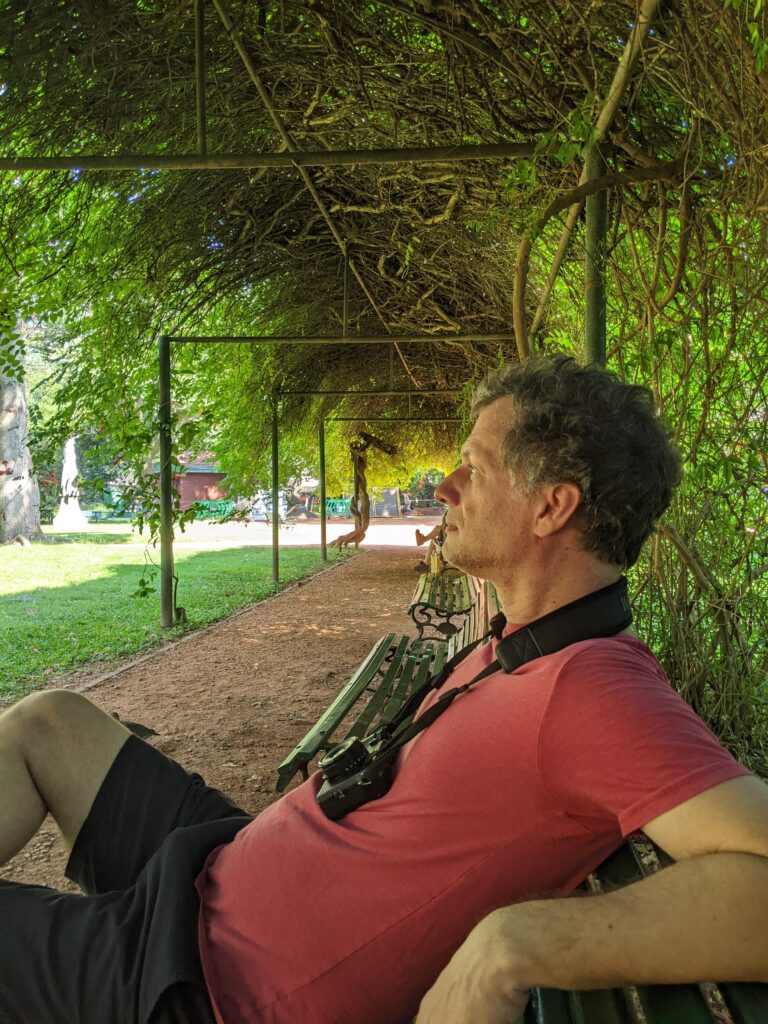
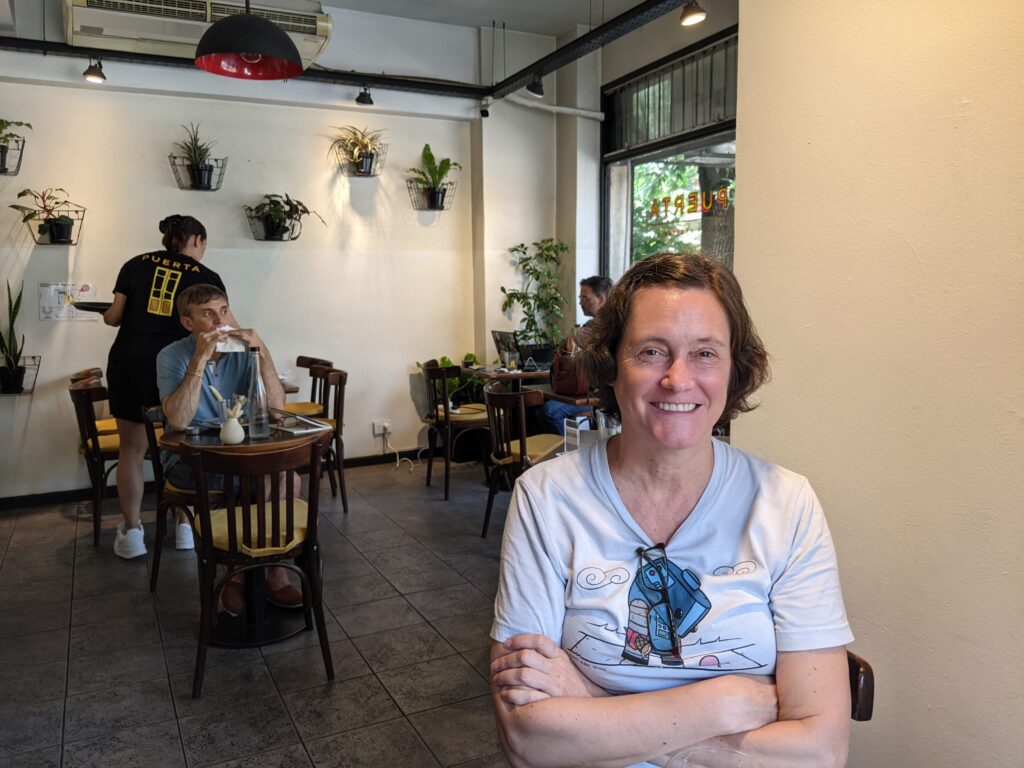
There is a small cafe on site that has typical Argentine lunch fare, and the visitor center also has a restaurant with sushi and sashimi. We didn’t eat there, but we spent a morning strolling around and enjoying the garden and the views.
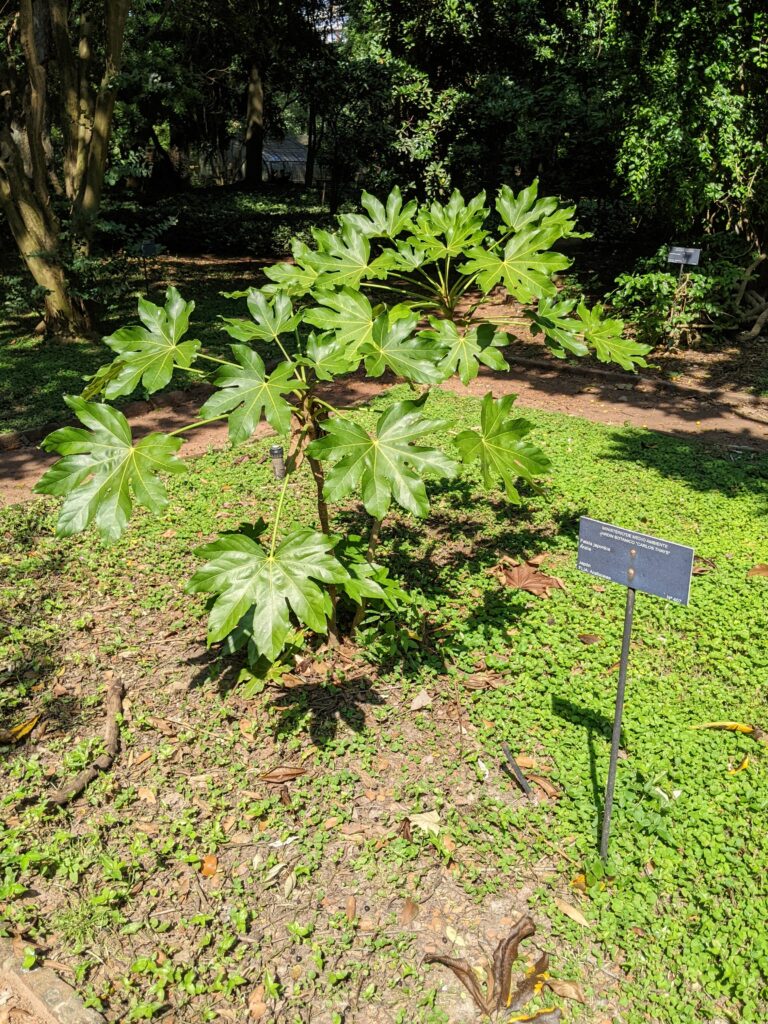
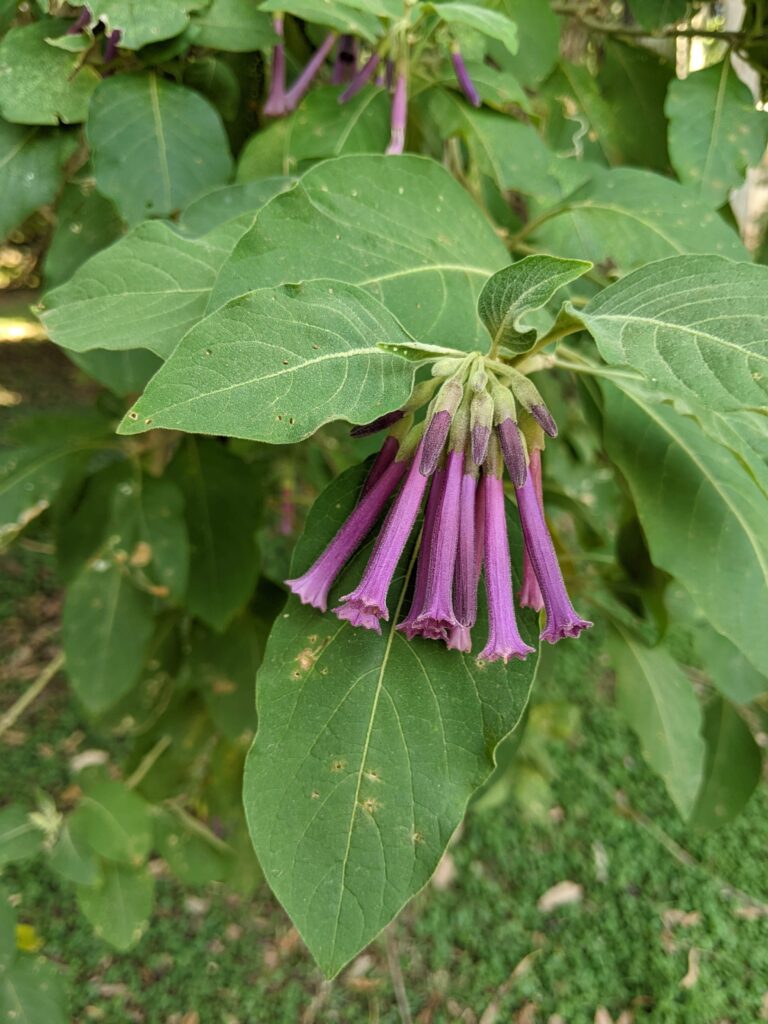
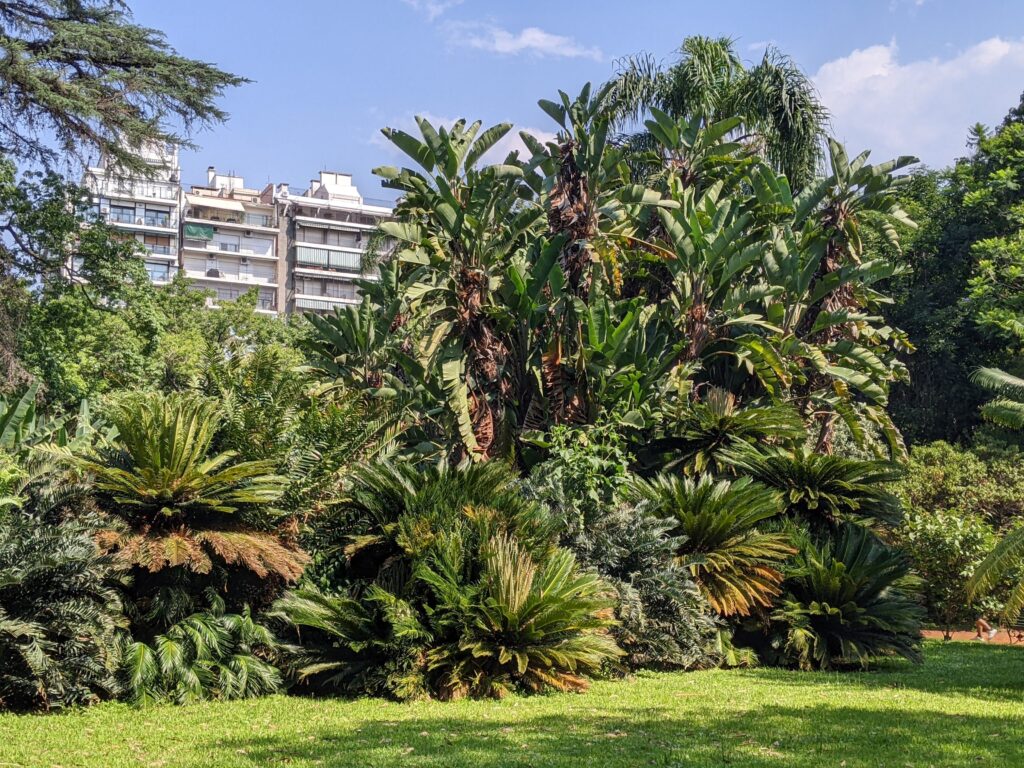
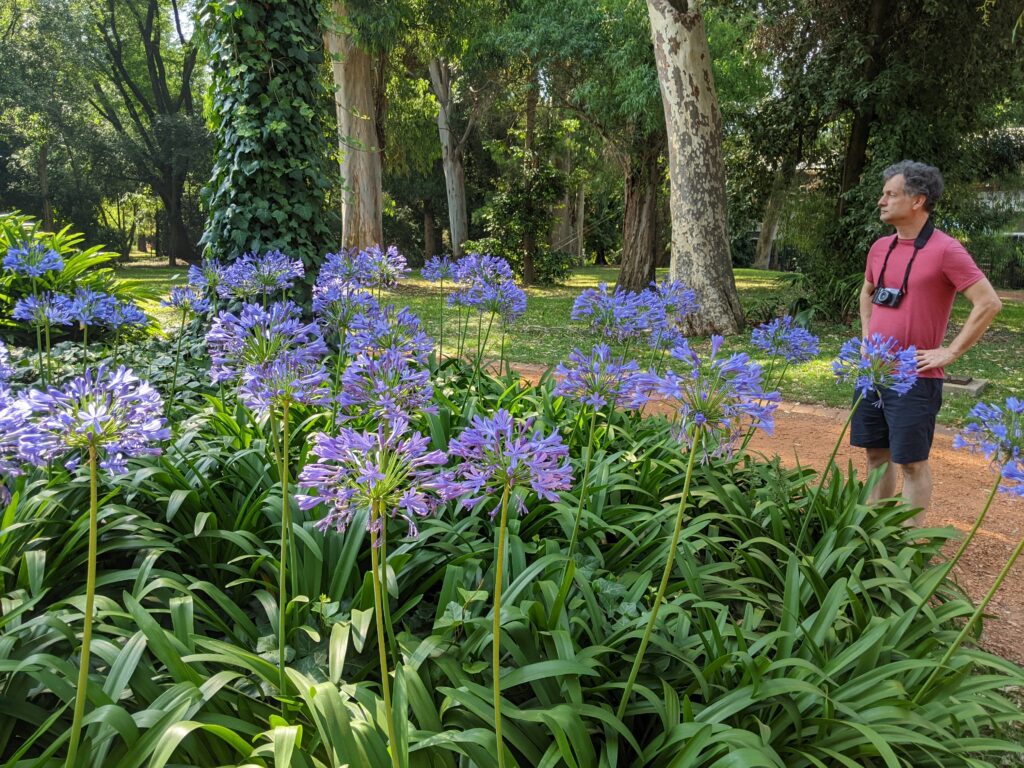
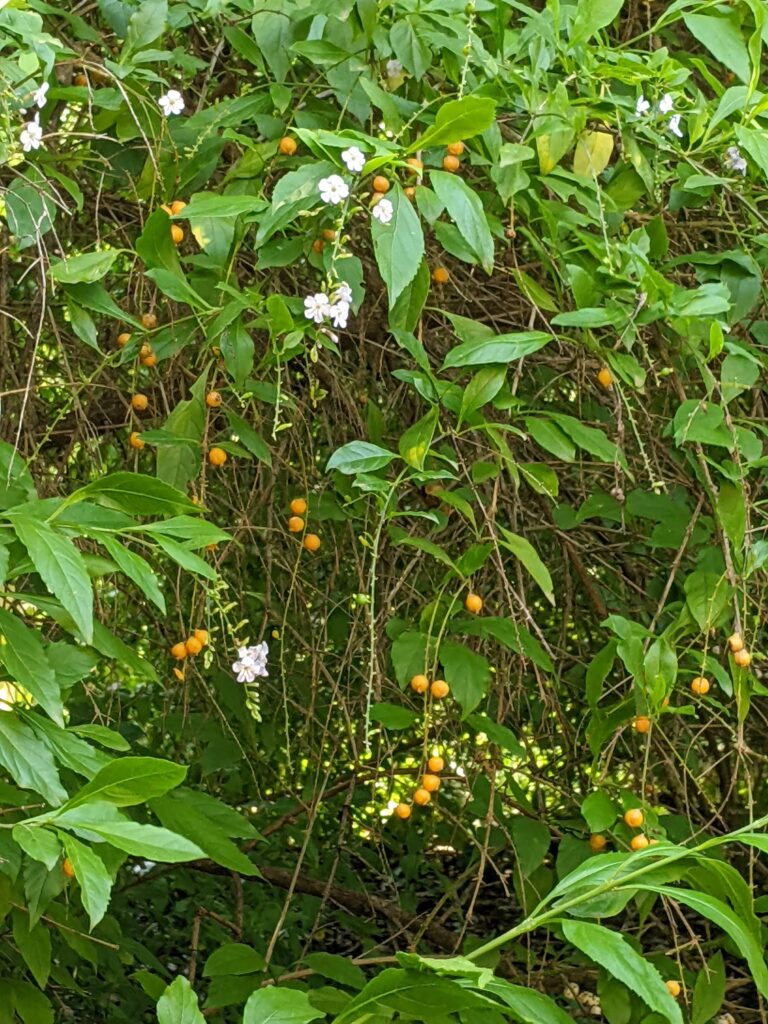
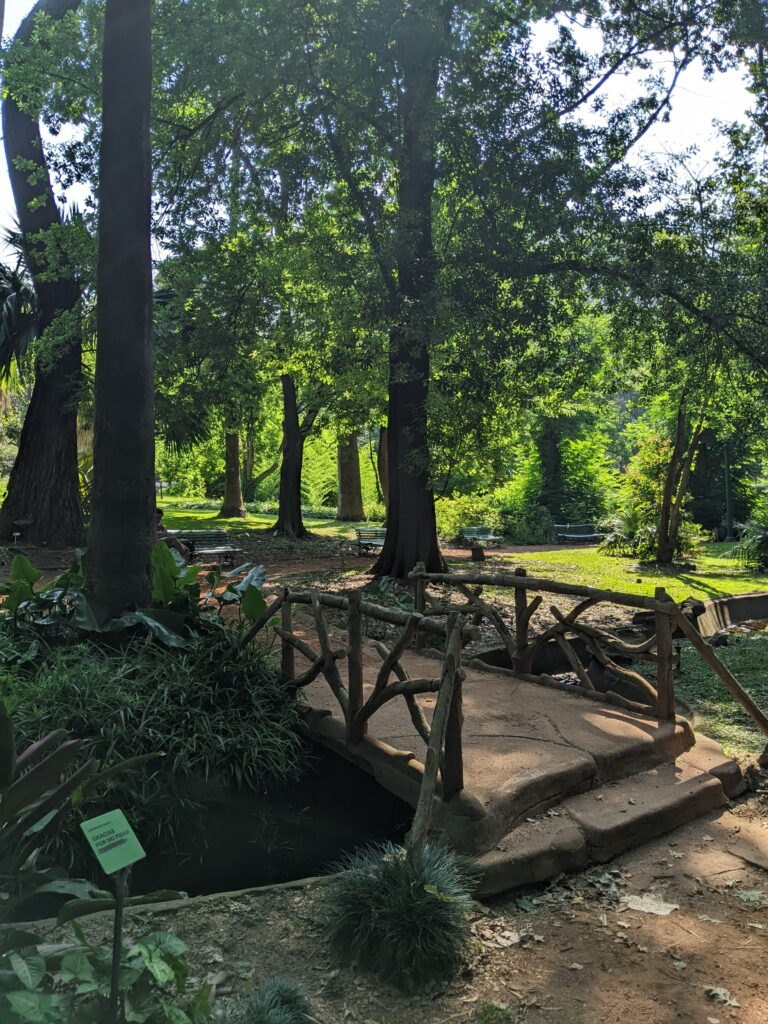
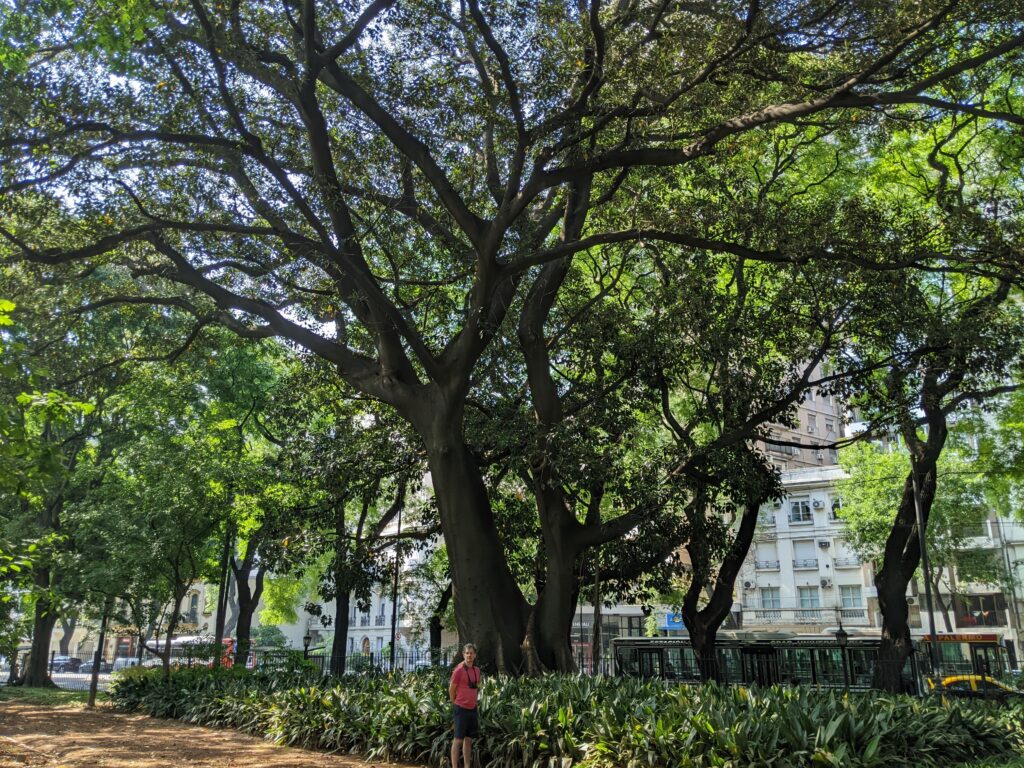
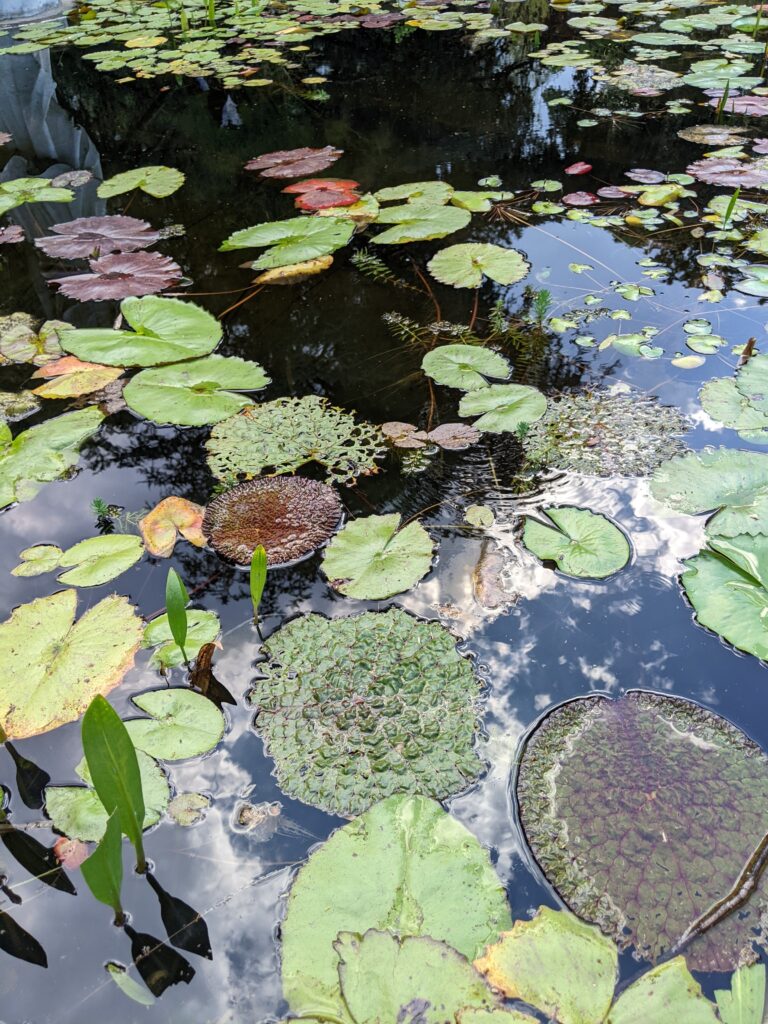
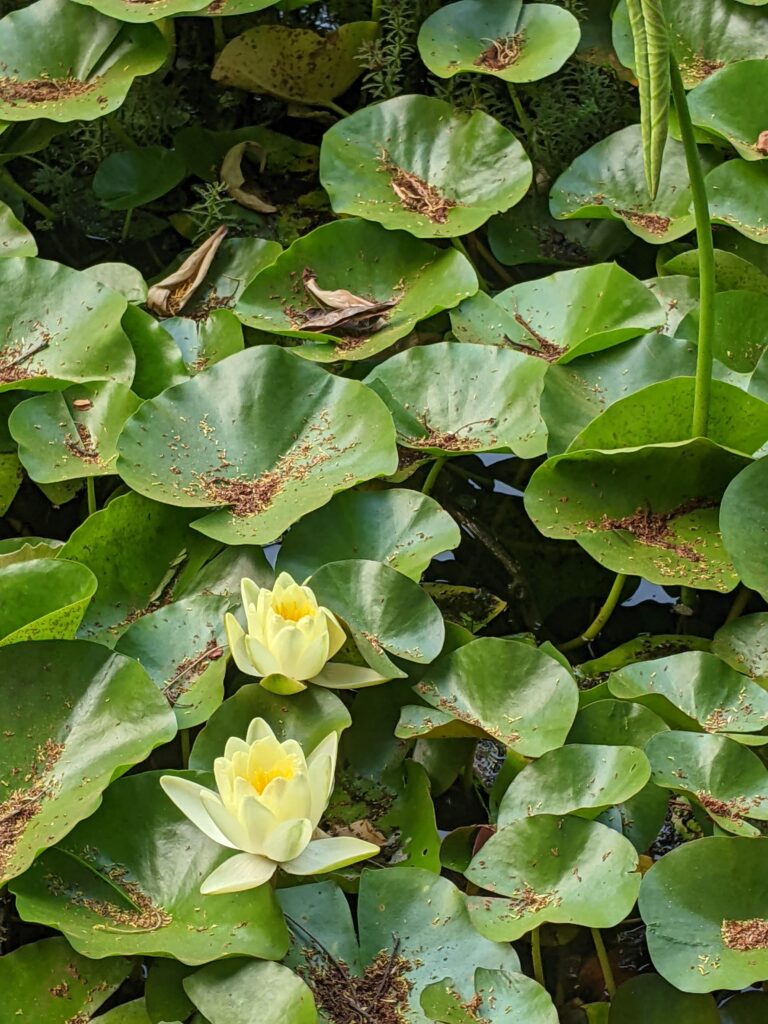
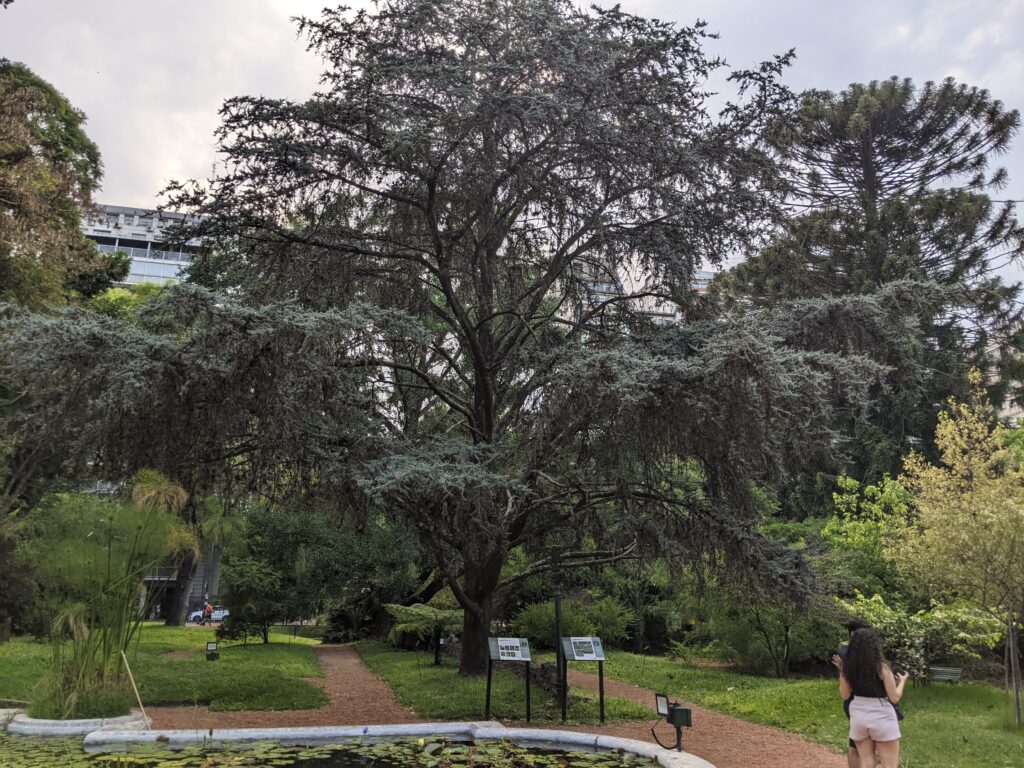
View across the gardenAnother viewCan you spot the bird in the water?The garden is in the middle of the cityInteresting plantsA waterfall
There were interesting sculptures throughout the garden.
A stone sculptureA samuraiIn 2023, a storm felled some eucalyptus trees in the nearby botanical garden, and the government salvaged the tree trunks and hired artists to create sculptures for this garden
There was a small exhibit of bonsai trees.
The visitor center had an exhibit of kimonos, parasols, and musical instruments.
Exhibit roomExhibit room
There were also examples of origami in the visitor center.
Paper cranes hanging from the ceilingChristmas tree decorated with paper cranesGuests could make a paper crane and write their wishes for the holiday seasonAnd last but not least, origami Santa and reindeer
There is so much to see and do in Palermo, we spent another day exploring our neighborhood. We started with breakfast at a cafe down the street.
Dos medialunas y dos cortados
We took a 30-minute walk north to the Japanese Garden. I’ll give the garden its own blog post since there was so much to see there.
The Japanese Garden
On the way to the garden, we crossed Avenida del Libertador. Buenos Aires has several grand avenues, and this is one of them. It is 11 lanes wide, all going in the same direction. It was mind-boggling.
The crosswalk at Av del LibertadorOncoming trafficOur view of the crosswalk on the way back from the Japanese Garden
Believe it or not, this is not the widest avenue in the city. That title goes to Avenida 9 de Julio which was modeled after the Champs-Elysees in Paris and, at 14 lanes wide, is the widest street in the world. That one takes a pedestrian two traffic cycles to cross the street, and that’s only if they don’t dilly-dally.
Walking around today, we also saw lots of dog-walkers. Portenos (people in Buenos Aires) love their dogs, and dog-walkers take the pooches out during the day when their owners are at work. This guy had 8 or 9 dogs. When he got to the crosswalk of Avenida de Libertador, he untangled all of the leashes and took pictures all around to prove that he took the dogs out, and then he crossed the street with both hands in the air so the cars knew to give him a wide berth with all of those dogs.
A dogwalkerUntangling leashesPreparing to cross the street
We stopped at a pharmacy to get some cold medicine for Chad. I only know very basic Spanish, so I used google translate on my phone and typed, “My husband has a cold. Do you have decongestant?” and showed it to the pharmacist. The pharmacist handed some medicine to me and used his own phone to translate and showed me, “Take this every 4 to 5 hours.” Thanks, Technology!
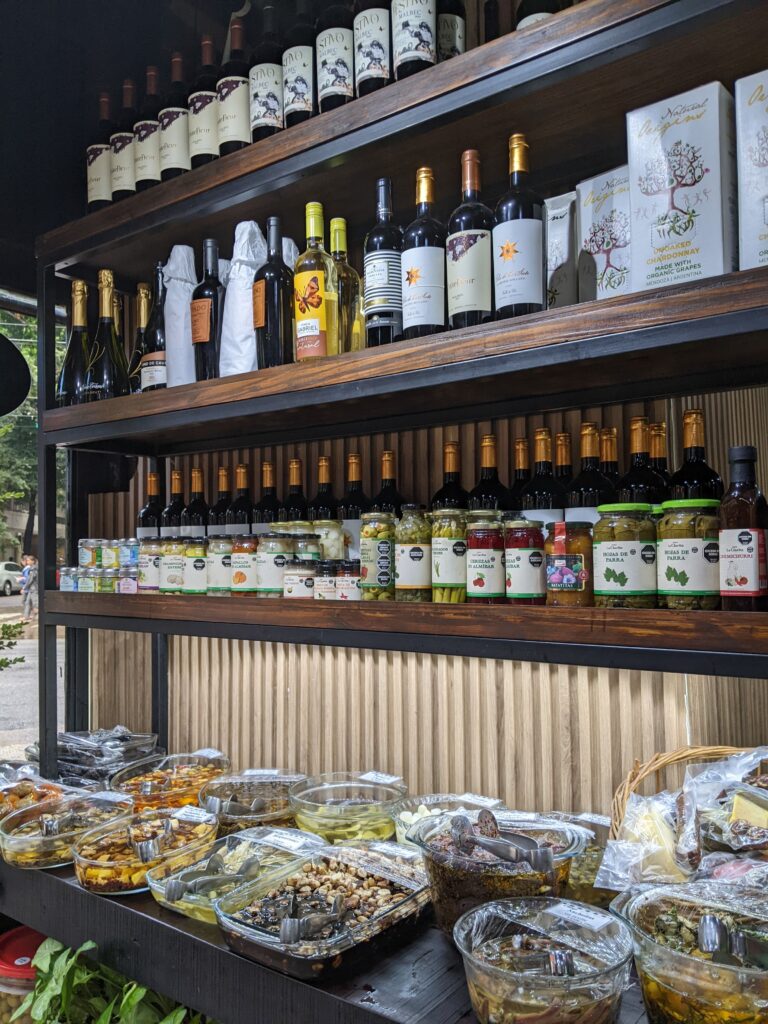
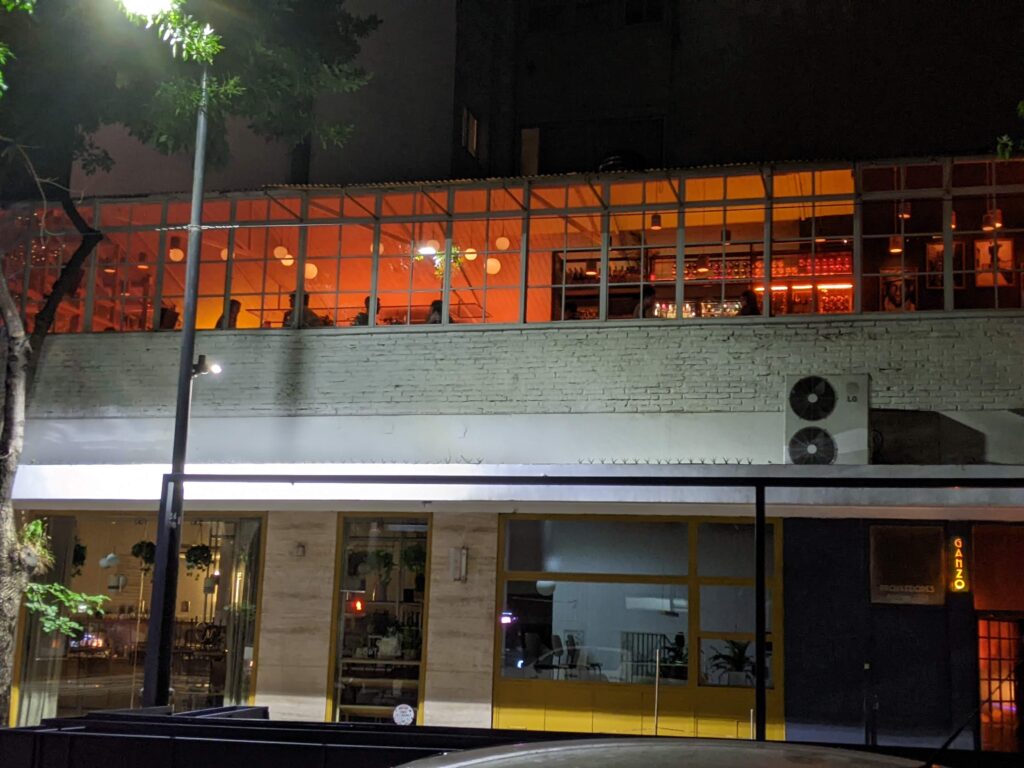
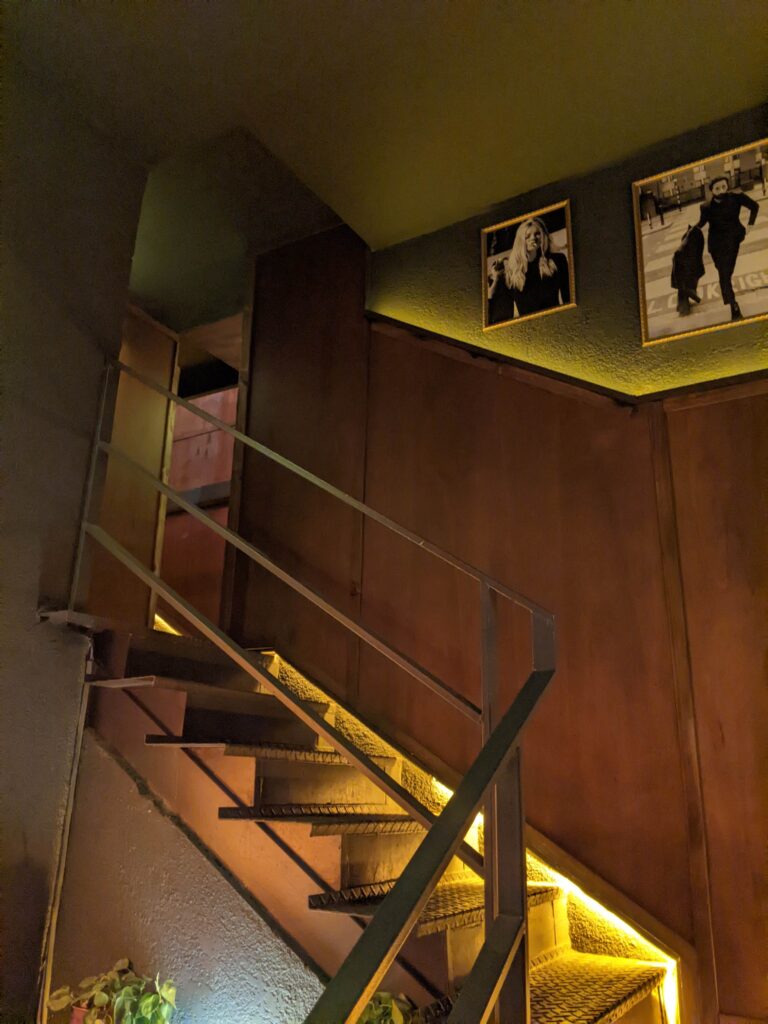
Afterwards, lunch was at a little bistro called Kajue.
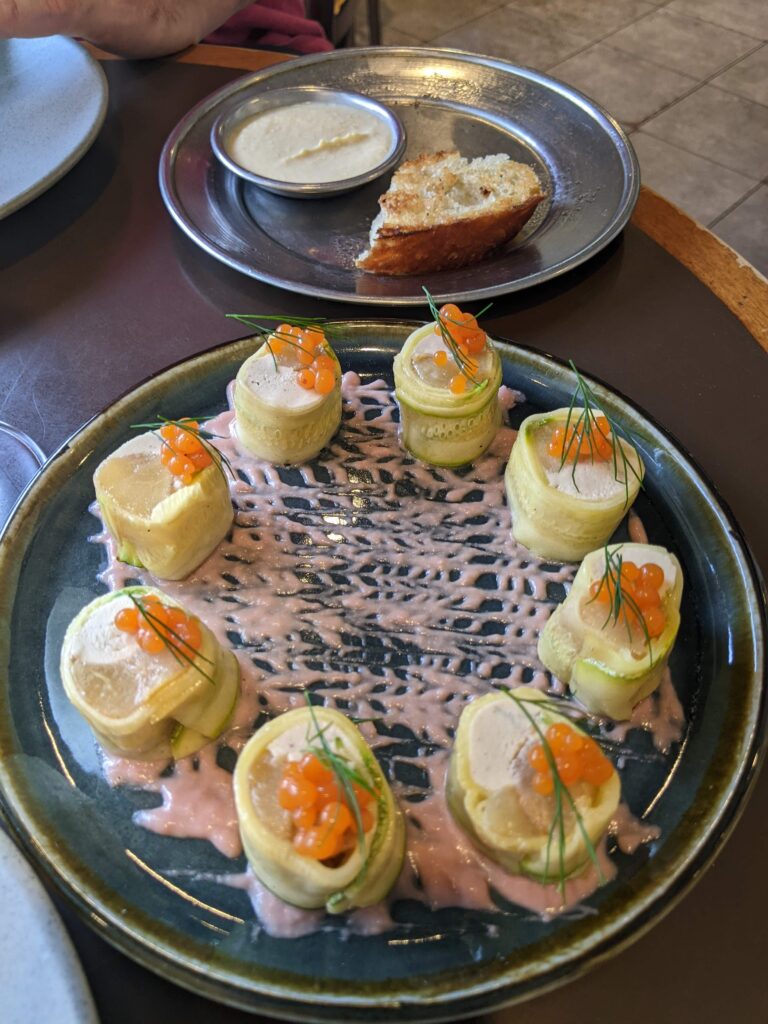
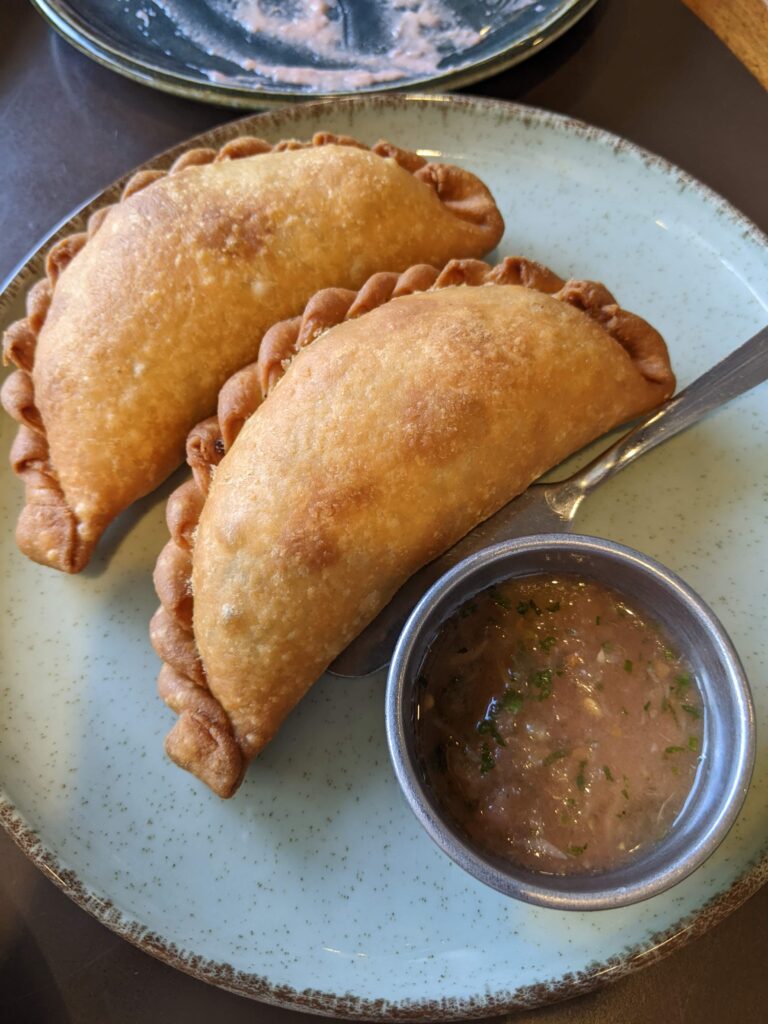
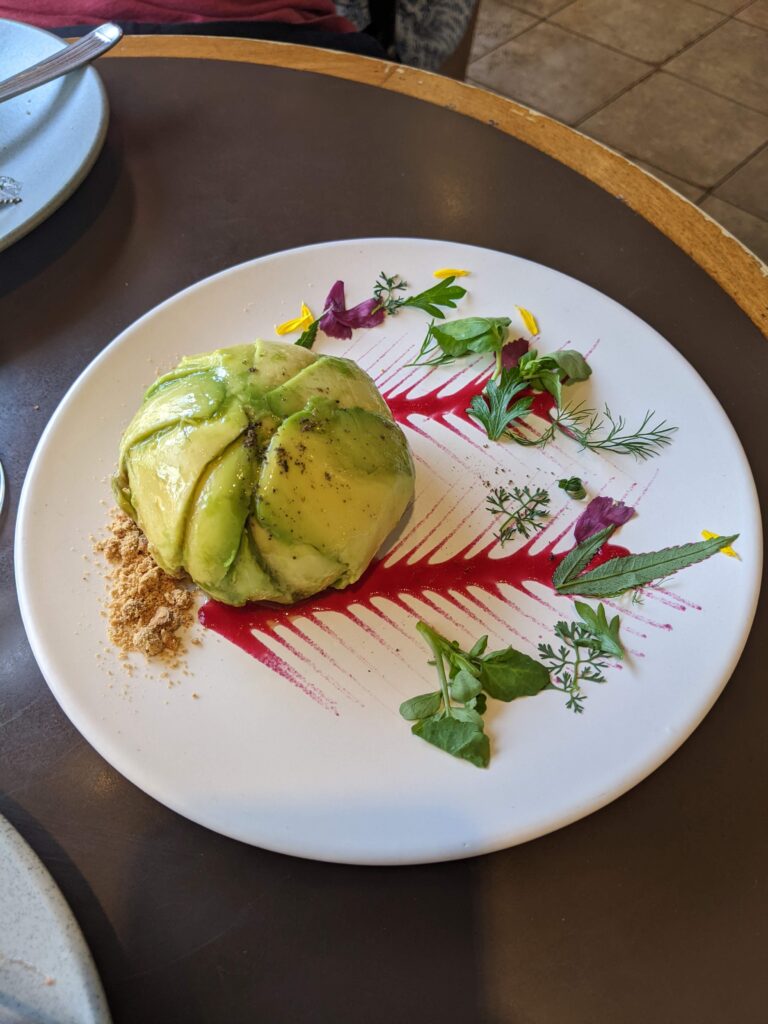
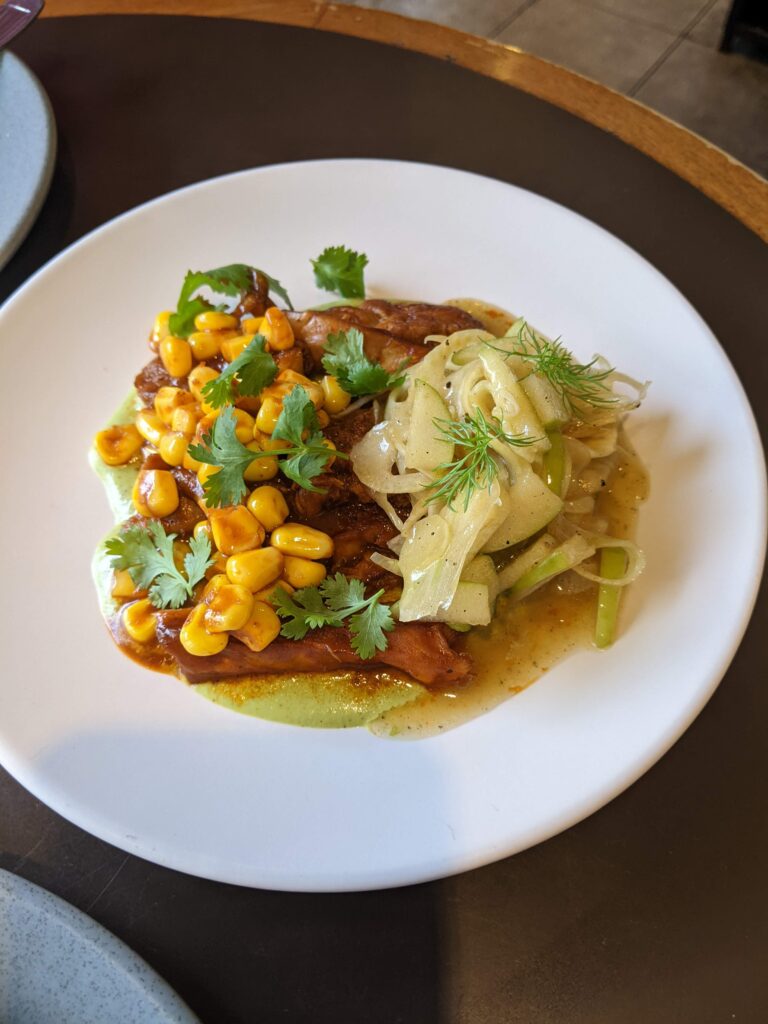
Chad had a saladI ordered the menu del dia which started with roasted potatoes with a sauce of mayo, dill, and cucumber – delicious!My main course – there was a large influx of Italian immigrants to Argentina in the early 20th century, so pasta and pizza are part of the culture
After lunch, we strolled around some more and found the hipster part of the neighborhood with lots of stylish shops. Chad pointed out that this area was for “hipsters with money.” Things seemed expensive in these shops.
Cute shopping areaInteresting streetscapeHipster shopStreet art
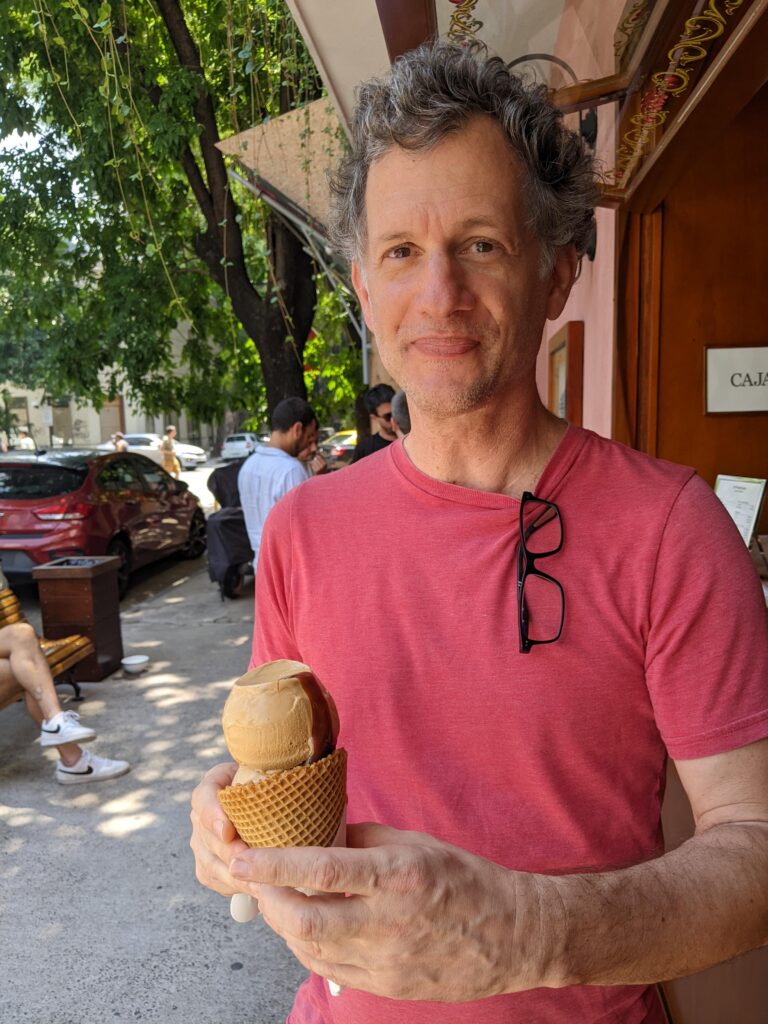
At this point, we were hot, tired, and sweaty, so we got some gelato and then headed home to rest. We knew it would be summer here, but we didn’t really think about how exhausting the weather would be. When it’s 85 degrees and 85% humidity in Atlanta, it doesn’t seem bad, but we’re not usually walking around for hours in that weather. We’re at the point here where we want to take multiple showers a day.
So after resting, we thought, let’s go walk around in the heat some more. We explored another part of the neighborhood and stopped for a cocktail at Tres Monos. This place has been voted the best bar in Latin America and one of the 50 best bars in the world, and the cocktails were very interesting.
Tres Monos sidewalk seating – urban aesthetic vibeChad’s cocktail was a riff on a Negroni with flowers in it, mine was sweet and bitter and sour and I had to shake it like a bartender and then drink it through a metal straw from this martini shaker
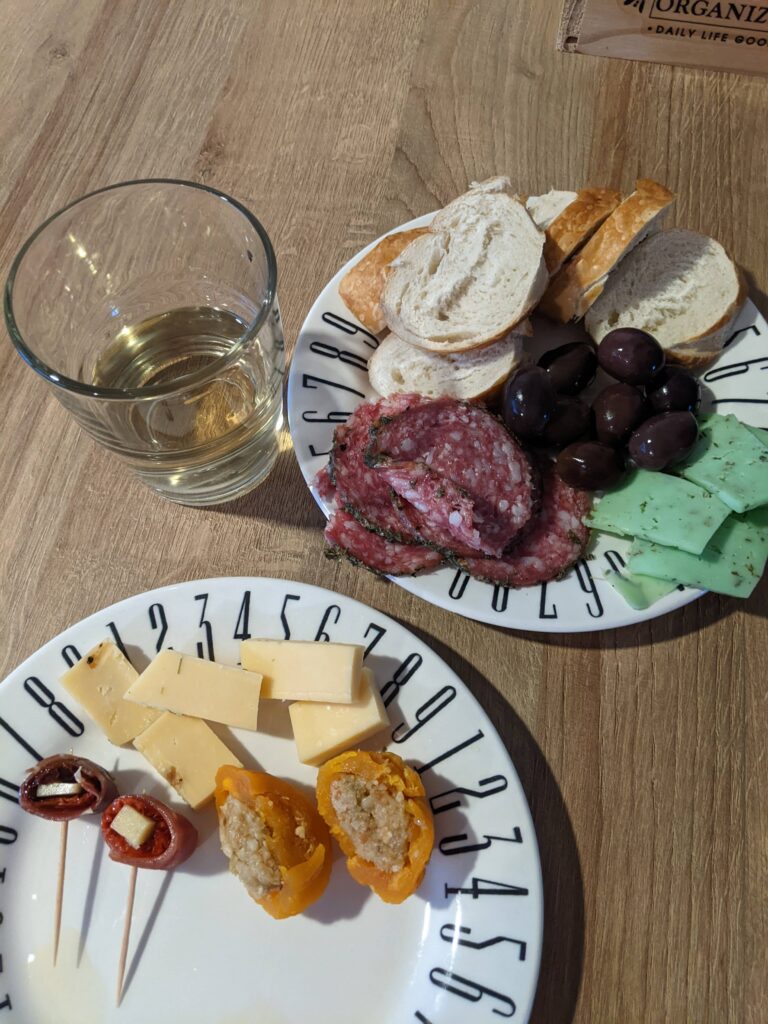
On the way back to our apartment, we popped into a little neighborhood shop to buy a bottle of wine. We left the shop with wine, a very interesting cheese, olives, salami, and a local beer. Chad is so good at asking for local recommendations and a taste of this and a taste of that, and then we have a full grocery bag of local treats. And then we stopped into a panaderia to get some bread, and this panaderia also had a lot of delicious pastries and cakes.
A little neighborhood shopThe cheese selection in this little shopChad spotted this green cheese in the cooler – we tasted it and it was delicious so we bought itThe meat cooler with salami and ham and other thingsPastries at the panaderiaDesserts at the panaderia
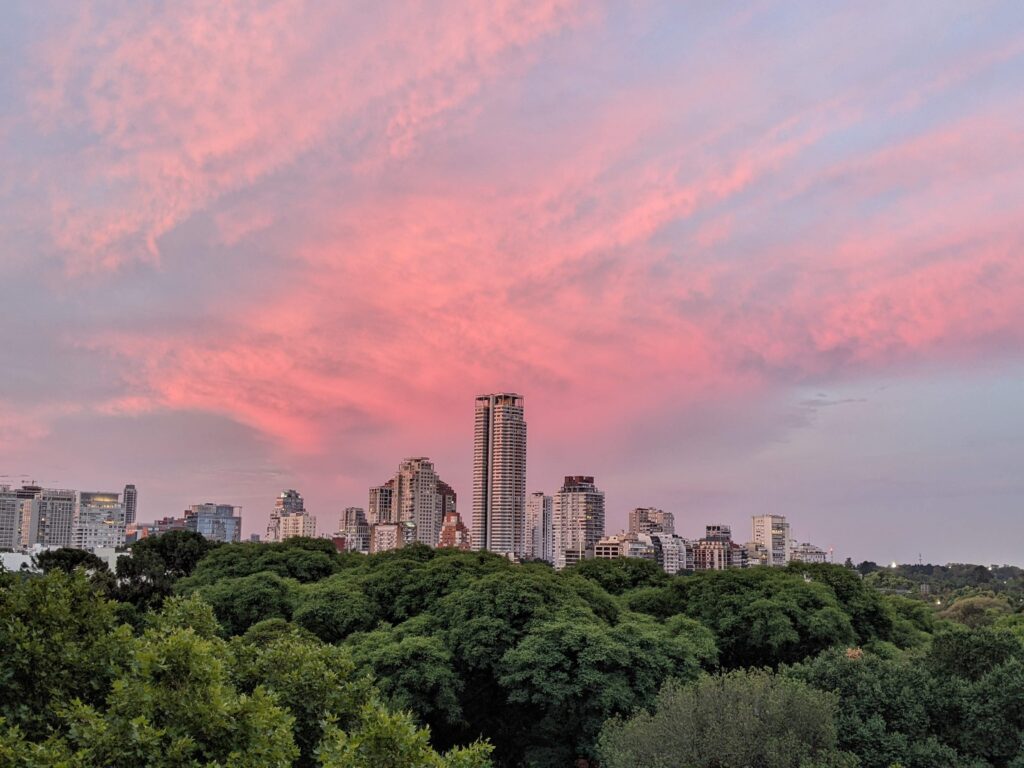
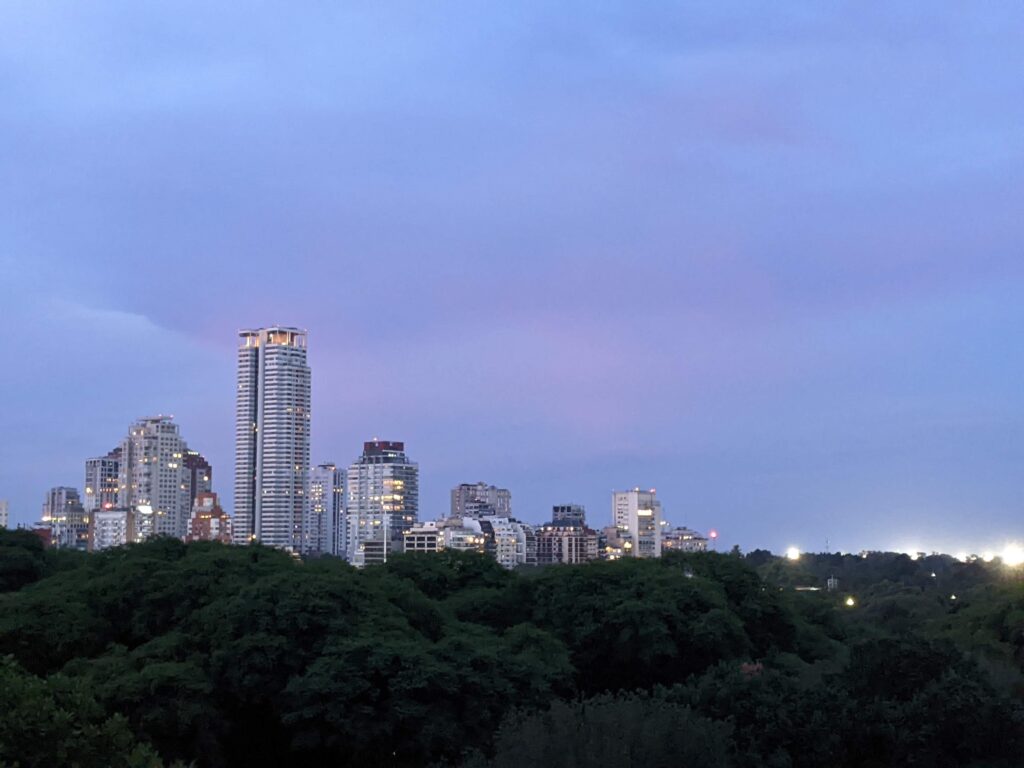
Dinner was a combination of restaurant leftovers and miscellaneous groceries as we watched the evening turn into night over the botanical gardens.
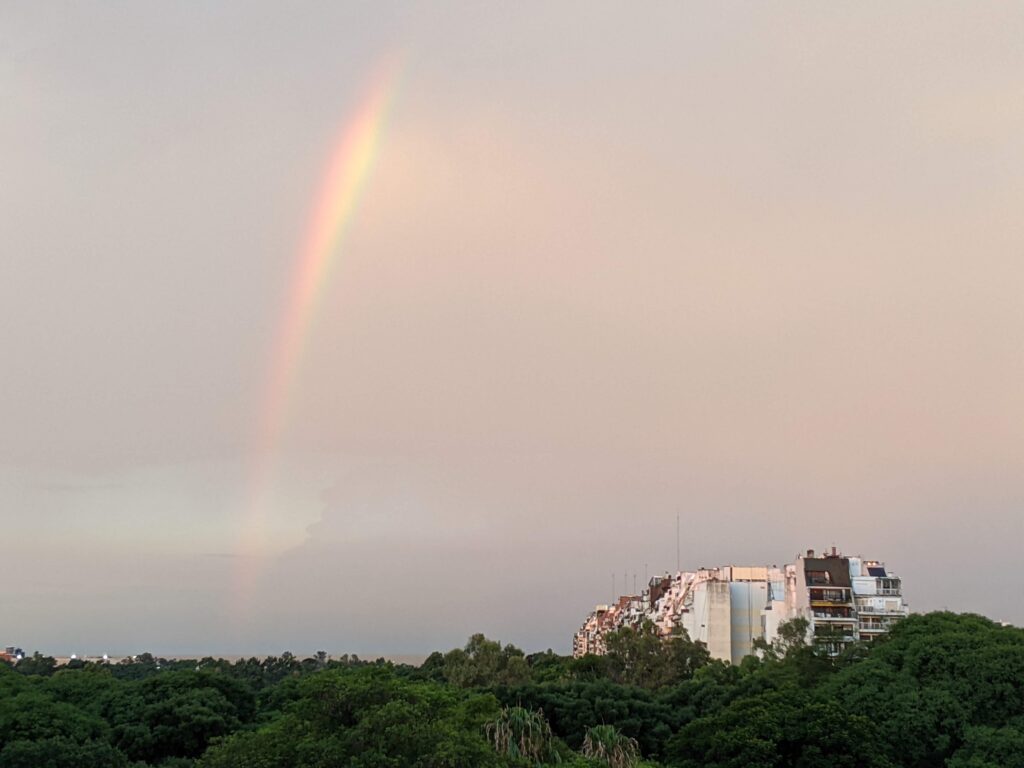
Early sunset over the botanical gardensNight view over the botanical gardens
Buenos Aires has been on our list of places to visit for years. Our primary purpose of this trip was the Antarctica cruise, but we figured, as long as we’re traveling all the way to the southern end of the globe, we might as well take advantage and spend a week in Buenos Aires. I can already tell that one week is not enough time, a month would be better, but we’ll certainly enjoy it while we’re here.
Our apartment is in the Palermo neighborhood of Buenos Aires. The metro area of Buenos Aires has 17 million people, and Palermo is the most populated neighborhood. It is just northwest of the historic city center. It is a very hip neighborhood with lots of shops, boutiques, restaurants, and nightlife.
Palermo is a stately old neighborhood with some beautiful buildings from the 19th century. Our building, however, is only a couple of years old.
Our high-rise apartment building – our square balcony is the one just above the trees, we are on floor 9 out of 13, the angled balconies are the building next doorWe’ve seen a lot of residential buildings with virtual security guards – it seems that a guard sits remotely and monitors the lobbies of several buildings at once – our remote guy is on the TV right next to the physical security deskWe have a bright and airy studio apartmentOur sitting areaOur little kitchenOur bathroom has a bidet
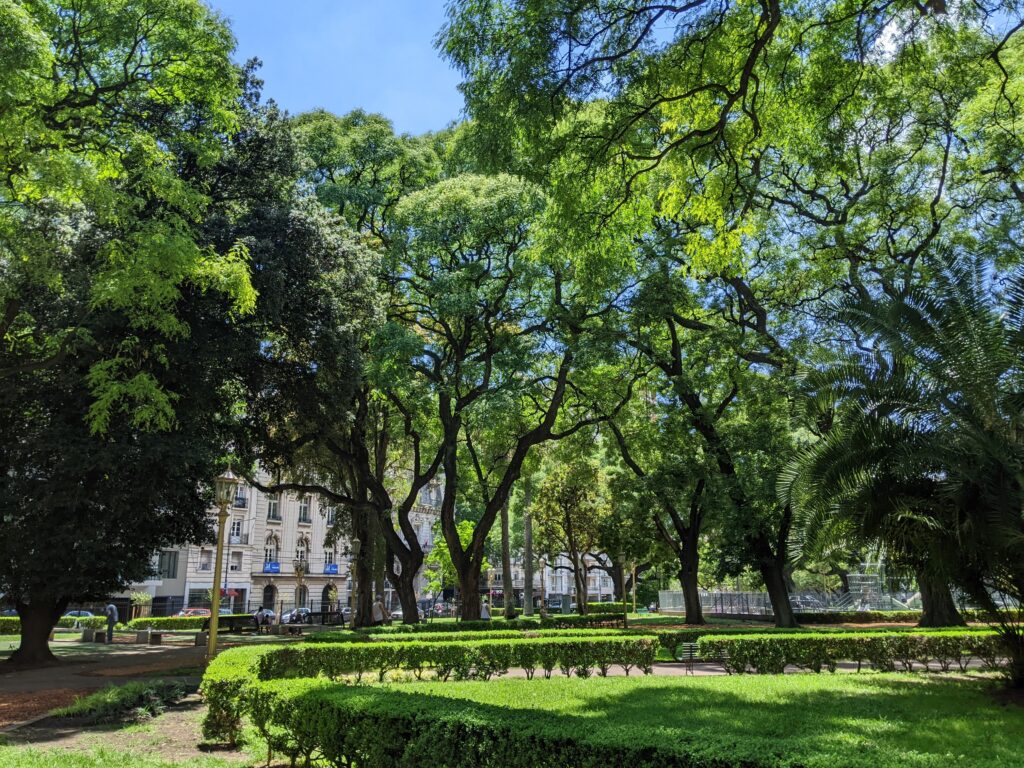
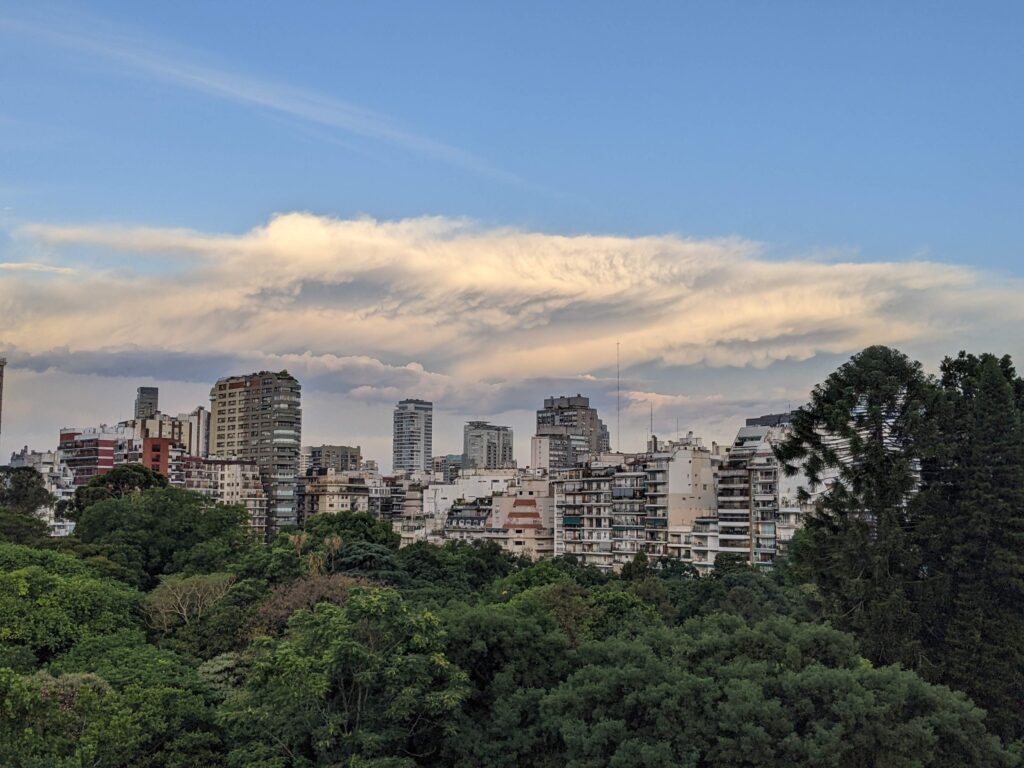
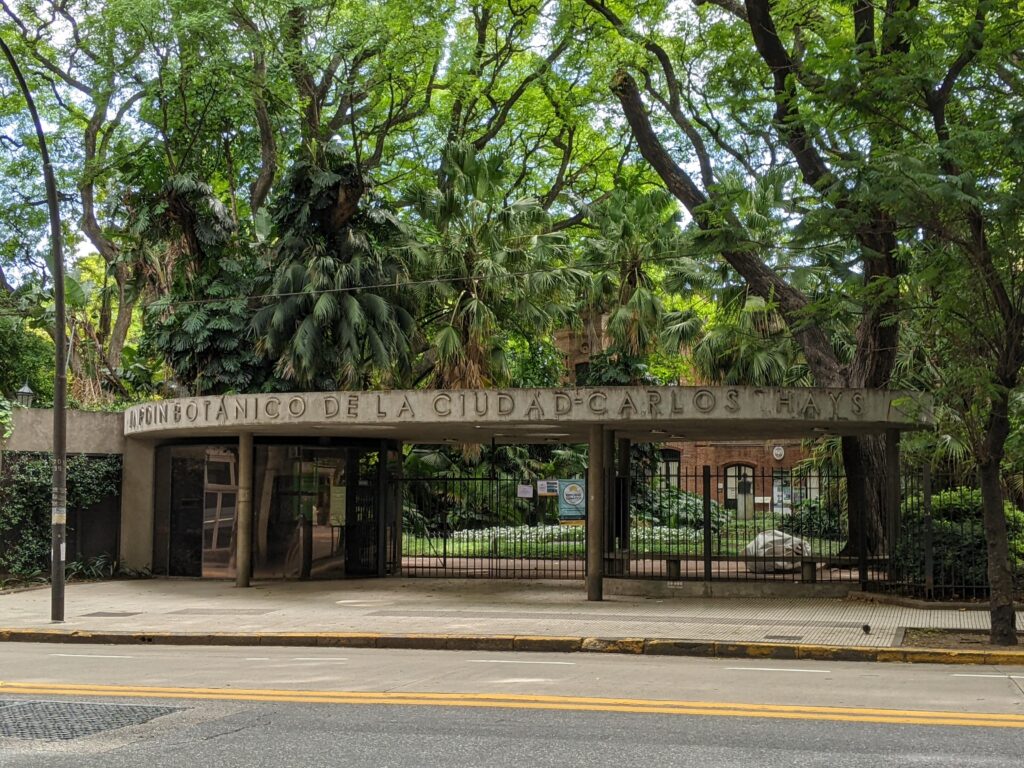
Palermo has several huge gardens and parks, and our apartment is right across the street from the Botanical Garden. Just beyond the Botanical Garden is a series of other gardens that stretch to the river’s edge.
View from our balconyLooking the other direction
We spent the day exploring the neighborhood with no particular destination in mind. We found lots of cafes, restaurants, gelato shops, little grocery stores, and other shops with everything from shoes to clothes to toys to gifts and more. This is a very vibrant neighborhood.
Typical local breakfast, coffee and medialuna pastryA little produce storeRestaurant across the street from our apartment
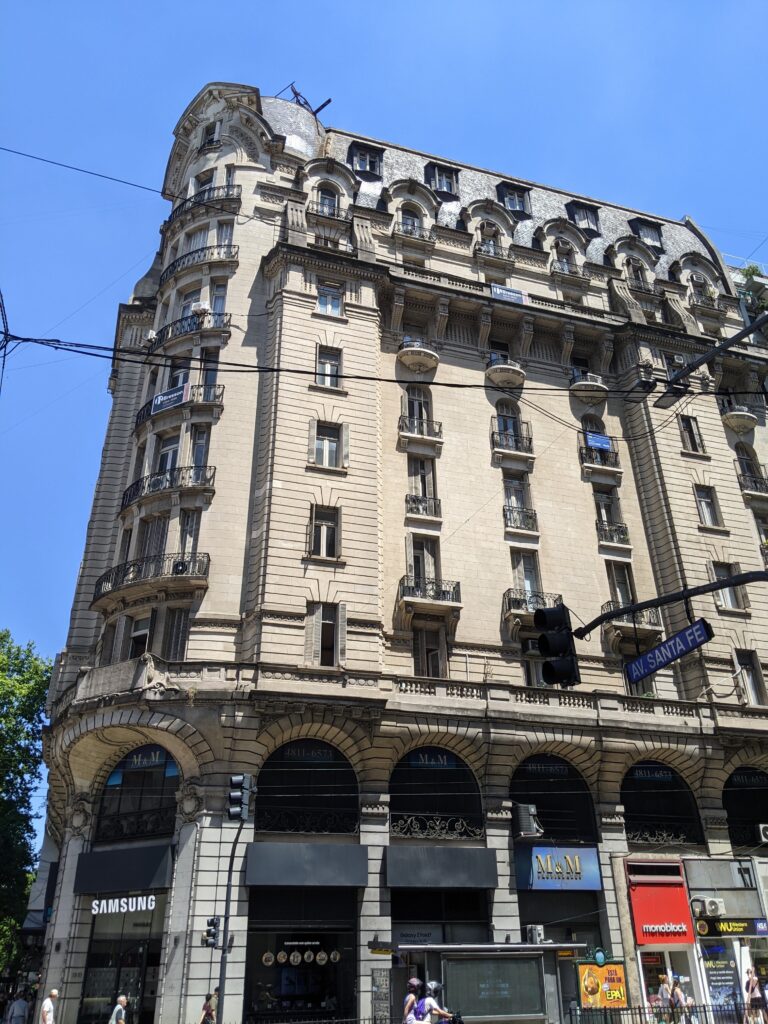
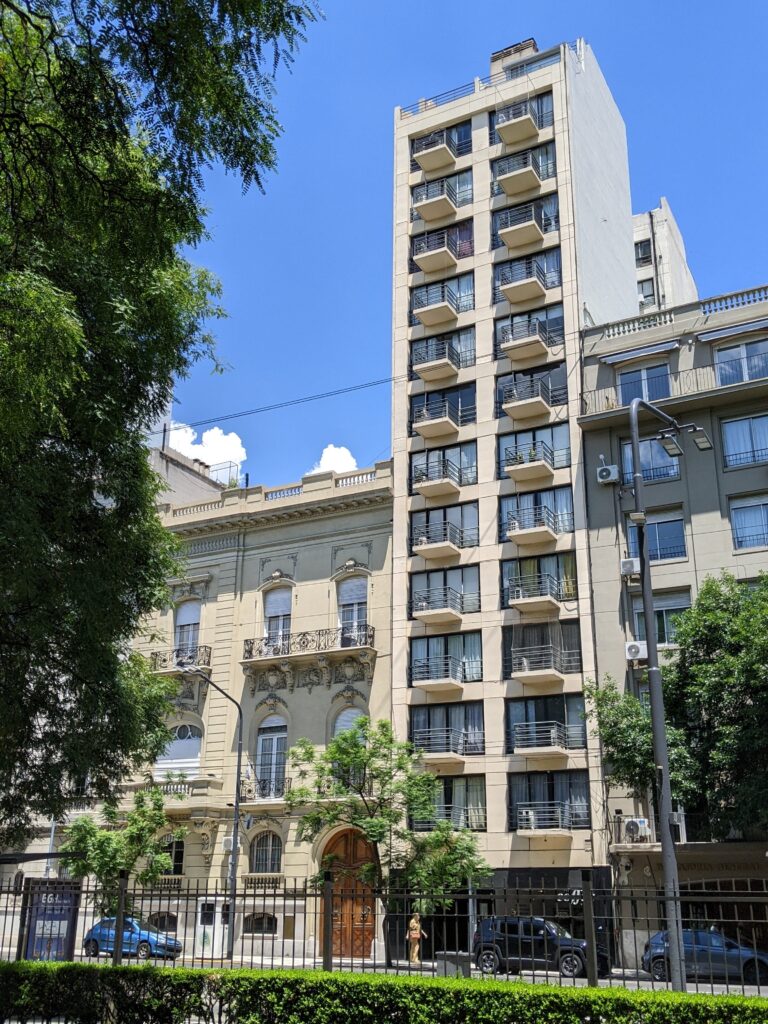
While this is a very stately old-world kind of neighborhood, most of the buildings are 20th century. Every once in a while you can spot one from the late 1800s when the city built rich, opulent houses and other structures.
An older buildingAnother 19th century buildingAn interesting houseAnother interesting houseAn older historic building nestled next to new high-rises
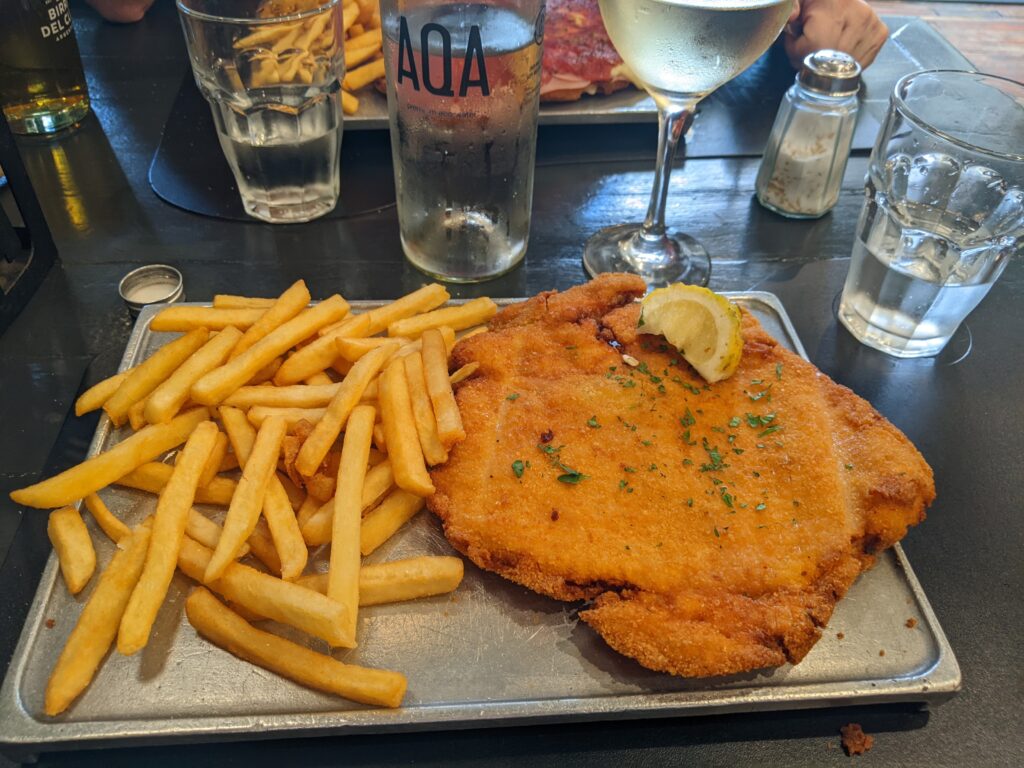
We had a superb lunch at a small restaurant with lots of character. We each ordered a beef dish and shared a salad. Argentina is known for its beef, and this meal did not disappoint. Yum!
Charming lunch spot called Lo De BebeLionel Messi is everywhere – here he is right next to my face while I was eating lunchBread service, chimichurri and criolla sauces, and water in a canMilanesa napoletana – beef cutlet with tomato and cheese – I could only eat half of thisChad’s steak with cheese and onions on topMilanesa, bread, and salad for twoChad fake sleeping after eating too much
In the evening, we explored another area of the neighborhood and stopped for a cocktail and some people watching. There is no shortage of people walking their dogs, and there is a surprising number of dachshunds. So many wiener dogs, everywhere.
This little doggy in the window watching the world go byThis doggy came to happy hour
At some point, Chad realized that it was the solstice and, since we’re in the southern hemisphere, we got to experience our second summer solstice of 2025. We had two longest days of the year!
After the cold and dry climate of Antarctica, we’re enjoying the heat and humidity of summer in Argentina. The weather is great, perfect for walking around and exploring or just for sitting and watching people go by.
After spending one last night on the boat in the port of Ushuaia, we woke up and vacated our stateroom at 7:30 am. We took a 20-minute shuttle bus ride to the airport to catch our charter flight.
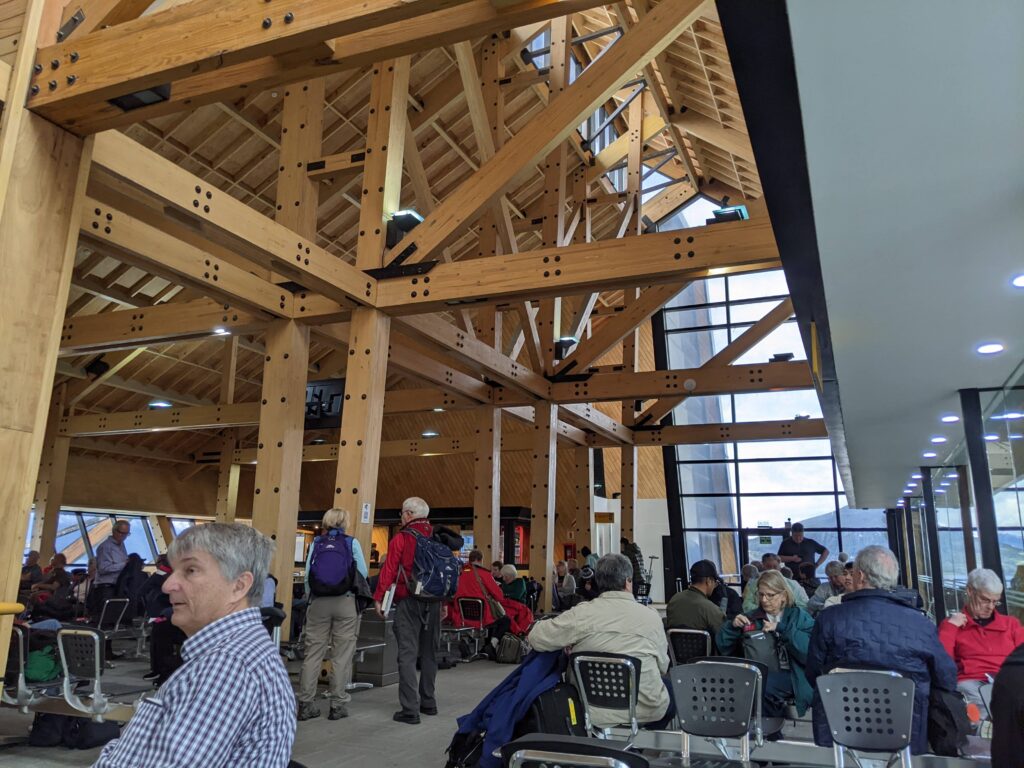
Imagine a small local airport that has only 6 gates, and then a series of shuttle buses drops off 200+ people at the front door all at the same time. Needless to say, the line for security was insanely long. The airport is relatively new, and it is a beautiful design, all heavy timber construction.
All of these people were on our cruise, now waiting for the charter flight back to Buenos Aires
There were several Viking crew members that were headed home for the holidays, and they were at the gate with us. They were the last ones to board the plane and their seats were in the very back, and as they walked through the plane to their seats, all of us Viking guests gave them a long round of applause. It was well deserved. All of the crew were really amazing on this voyage.
The flight was annoying because we were tired and hungry. The food and drink service was minimal, and there was enough turbulence that we were cranky when we landed. Plus, Chad had developed a terrible head cold the last two days on the ship, so he was feeling really miserable and dealing with lots of congestion and pressure from the altitude.
We landed at 2 pm and went to baggage claim. As the bags came around, Chad grabbed his backpack, but mine never showed up. Apparently, only half of the passenger bags made it onto the plane. Viking didn’t know where the bags were. The airline didn’t know where the bags were. Nobody knew when the bags would arrive.
The second charter plane arrived late that afternoon, and some of the missing luggage (but not all) was on that plane. Luckily, my backpack was on that flight, and after standing around the airport for 4-1/2 hours, I finally had my bag. But you can imagine the epic amounts of crankiness at this point.
We hopped into a taxi to go to our AirBnB, and the 25-minute ride took over an hour. In the end, we made it into our apartment just before 8 pm and had to rest and decompress for a bit.
I knew that we needed to get to a grocery store to get a few things like bottled water. (Visitors aren’t supposed to drink the tap water here because our bodies aren’t used to the local water.) There is a huge supermarket a couple of blocks away, so we got water, a bottle of wine, and some prepared foods for dinner. We didn’t have the energy for a restaurant meal.
What was interesting, is that we were at the store at 9 pm on a Saturday night, and it was packed! People generally eat the evening meal here at 9 pm or later, so maybe everyone was picking up some stuff for dinner.
We came back to our little apartment, had some food, and went to bed. After a long day, we were wiped out and ready to get some rest and wake up and start anew in the morning.
During our voyage, Viking had a staff photographer, and there were several crew members that took excellent photos. They shared their photos with the passengers which was great, because they were able to capture scenes that I didn’t capture. These photos were excellent, so I want to share them.
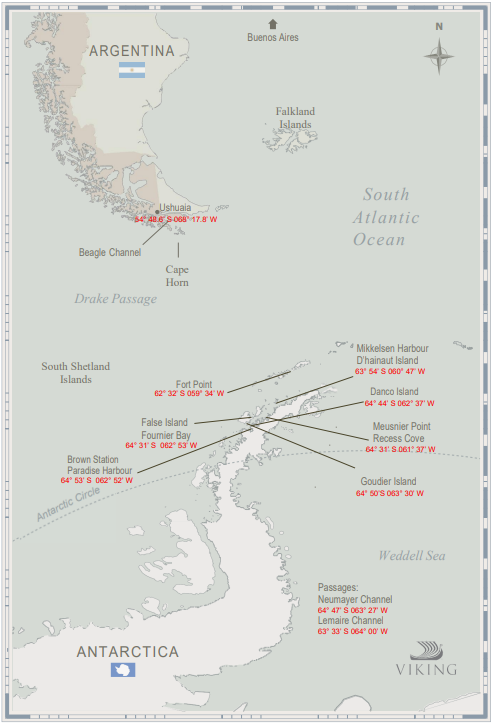
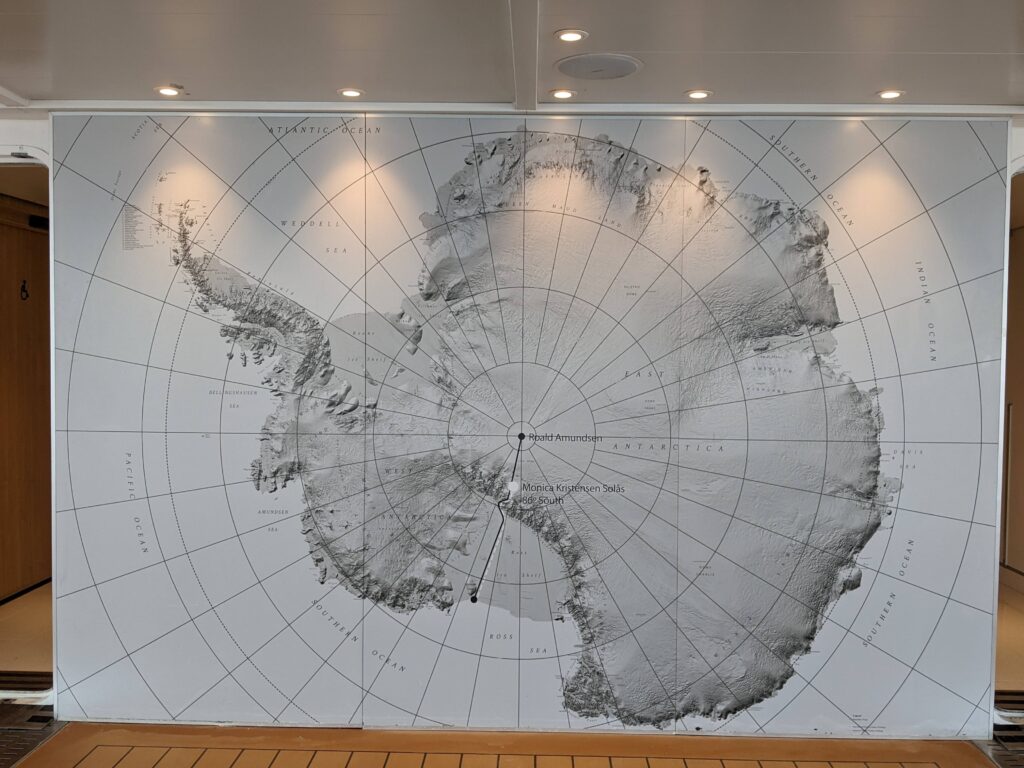
Before that, though, here’s a map of our voyage and the places we visited so you can see where we traveled.
And now, the crew photos. First up, views of landscape and the ship:
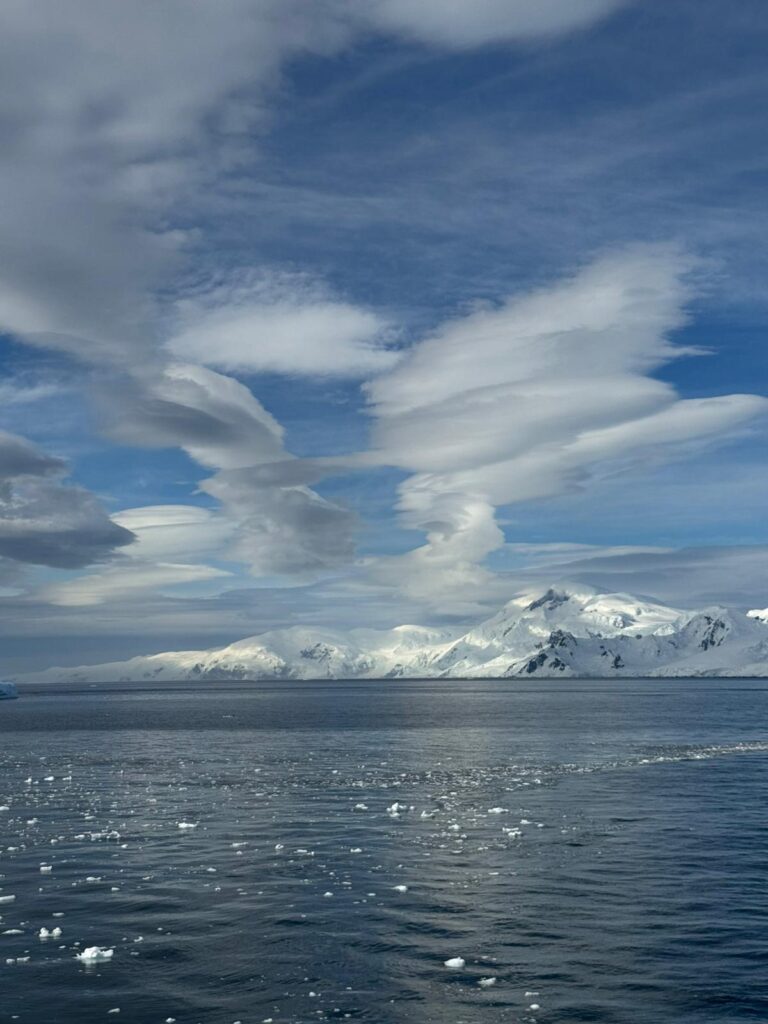
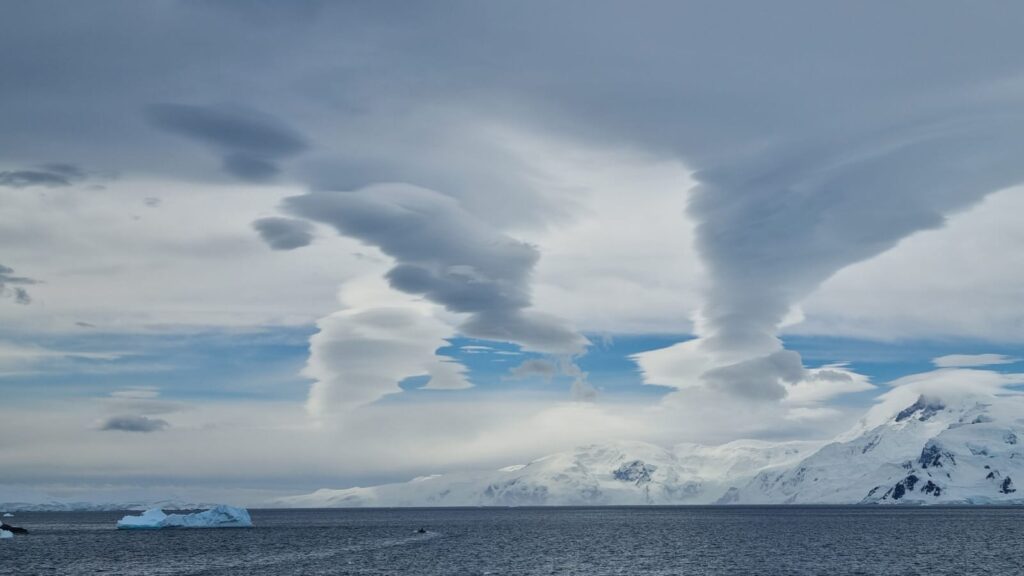
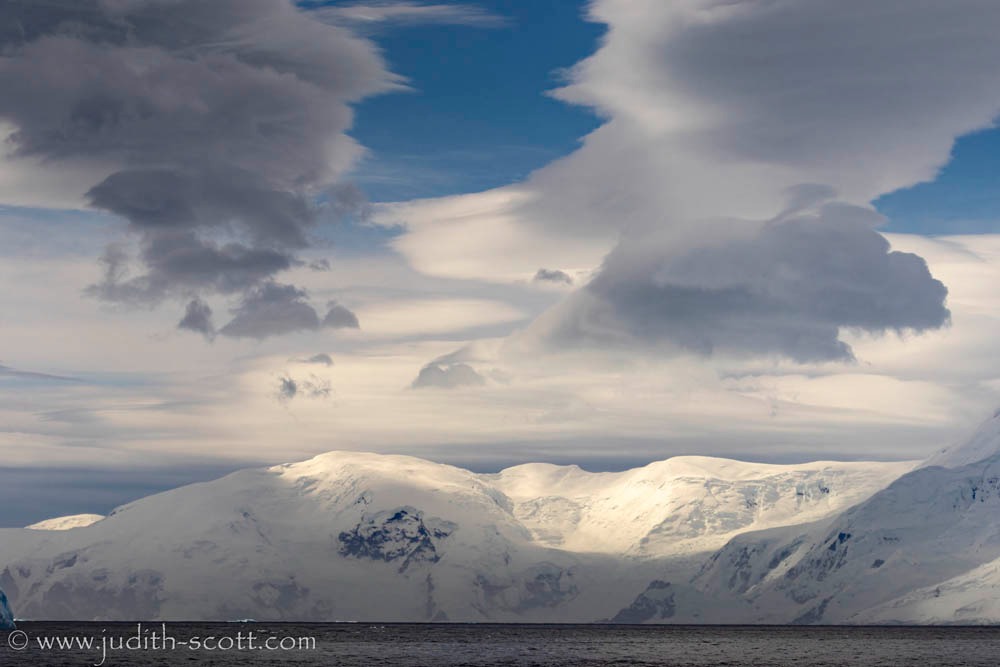
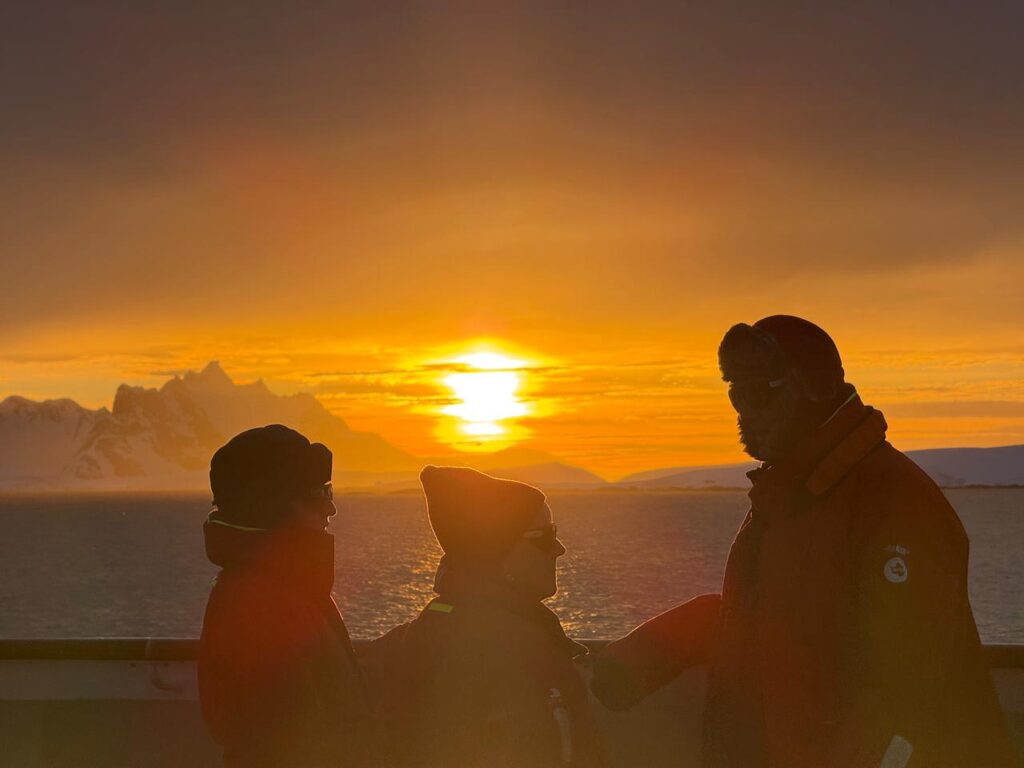
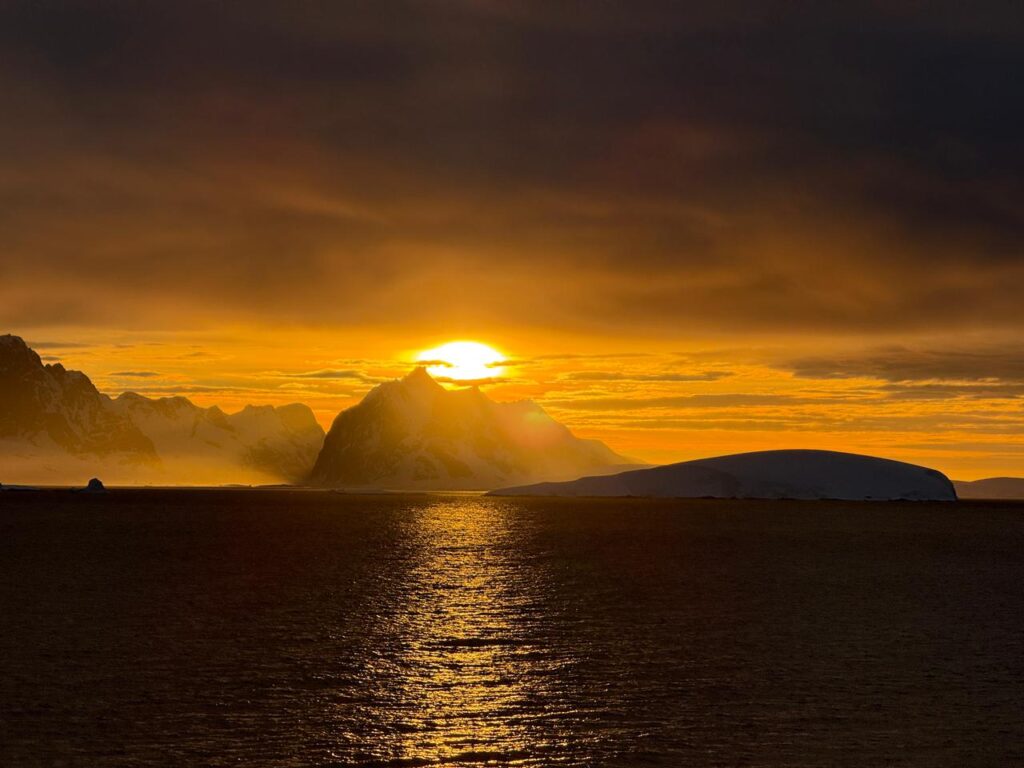
CloudsMore cloudsMore cloudsSunsetMore sunsetThis looks like waterfalls but it is snowfallsAll of the icebergs were amazing and unique – I’m considering a new career as an iceberg-ologistUp to 90% of an iceberg’s volume is underwater
Some photos of excursion days:
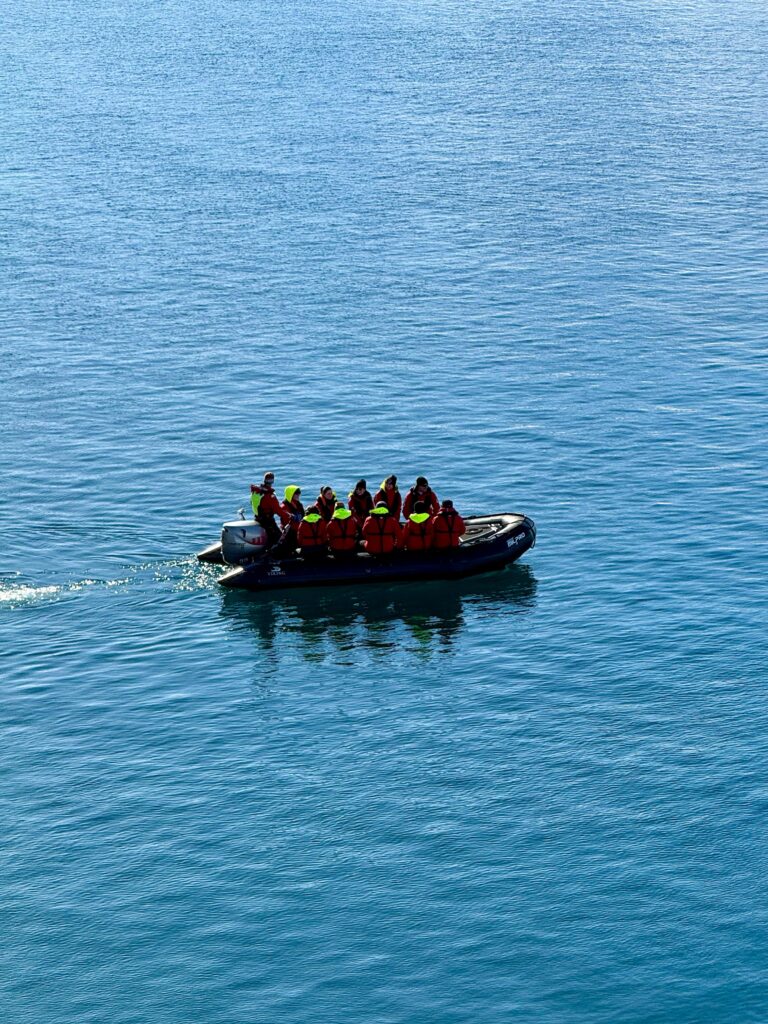
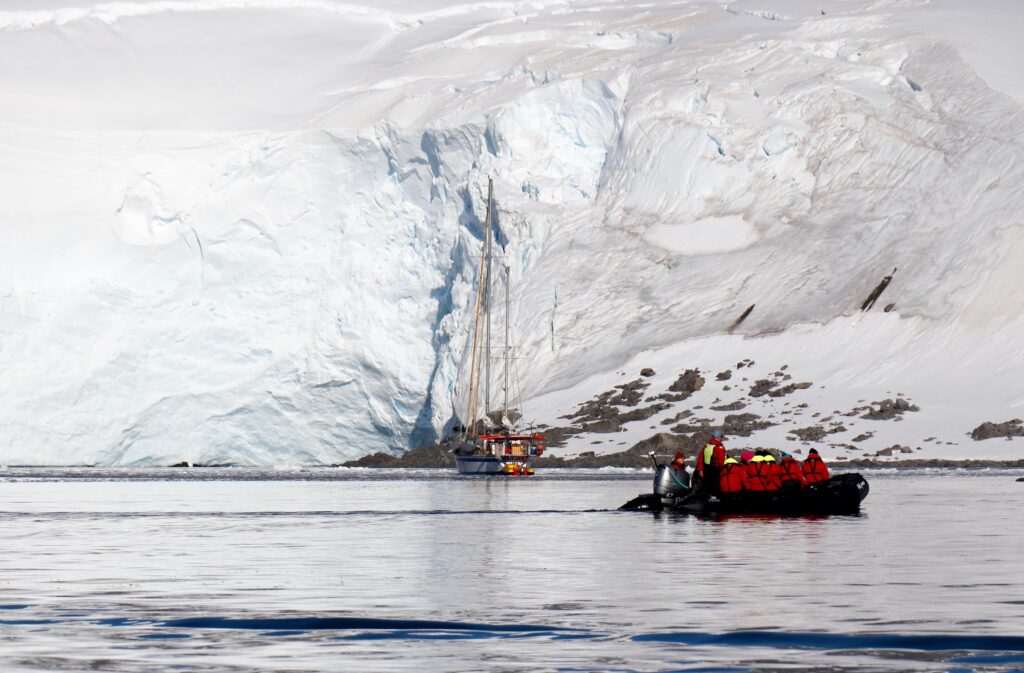
A zodiac leaving the shipChad and I are on this little zodiac in the middle of the Antarctic oceanView from a zodiacPort LockroyHiking on land
Submarine photos:
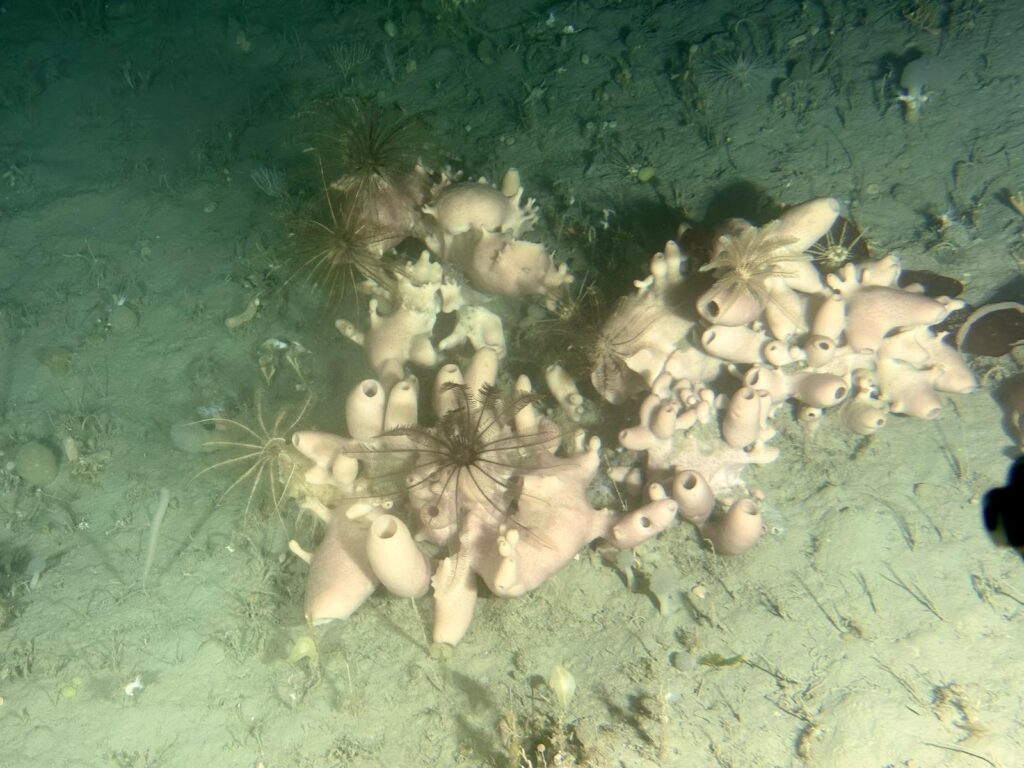
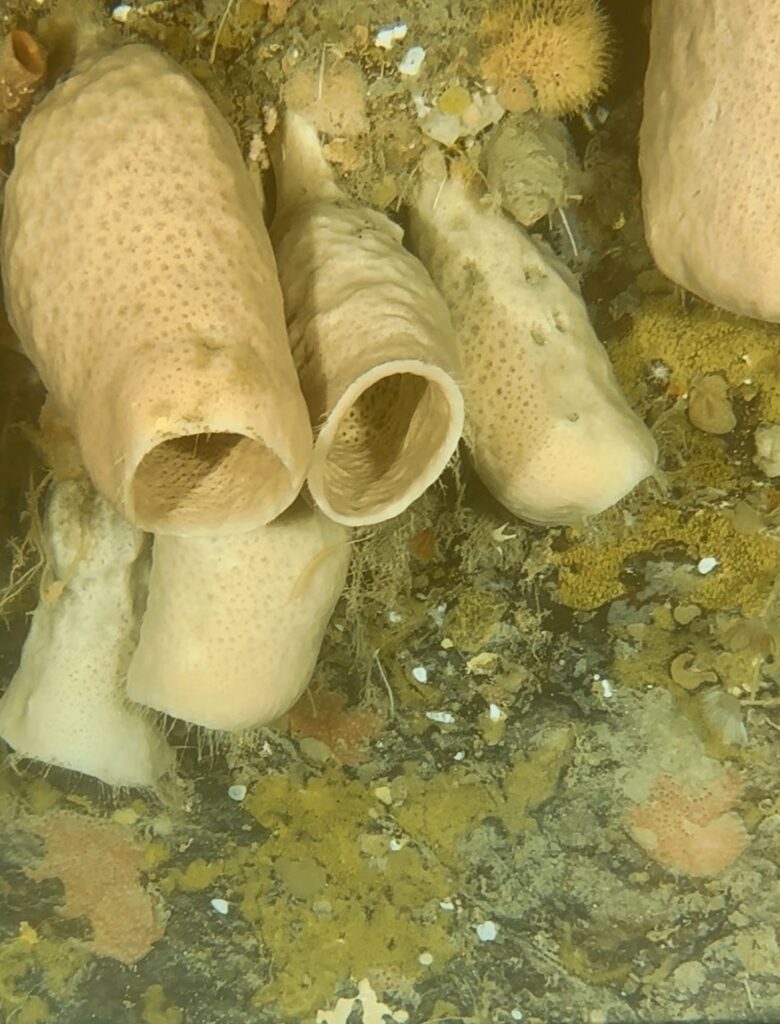
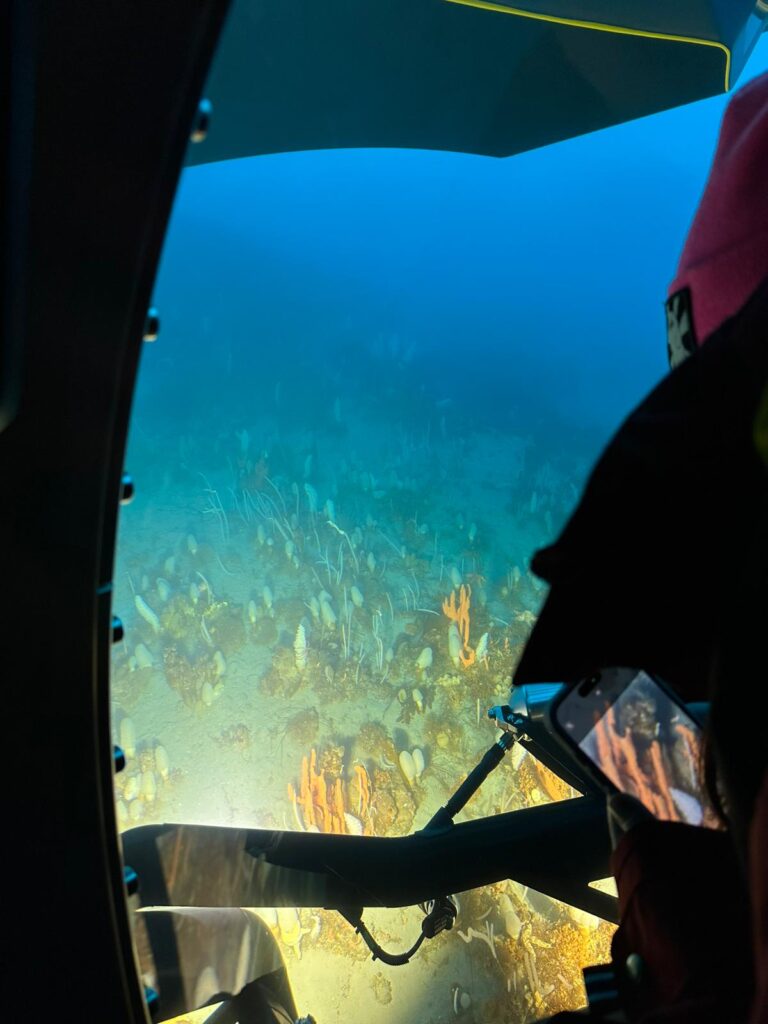
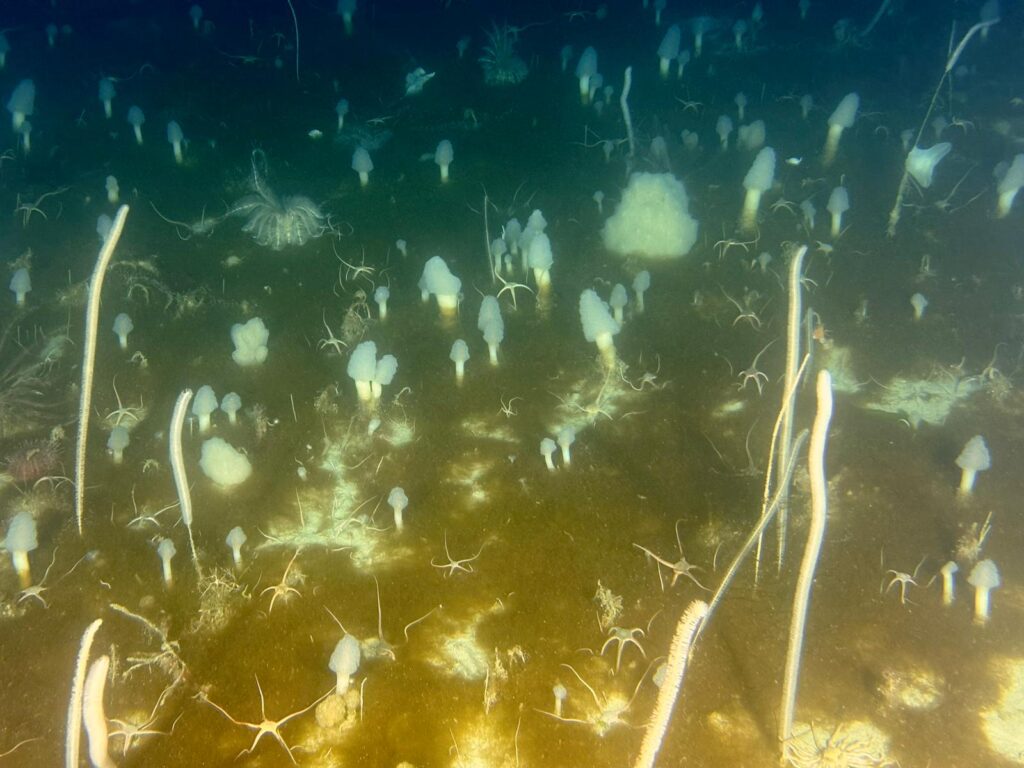
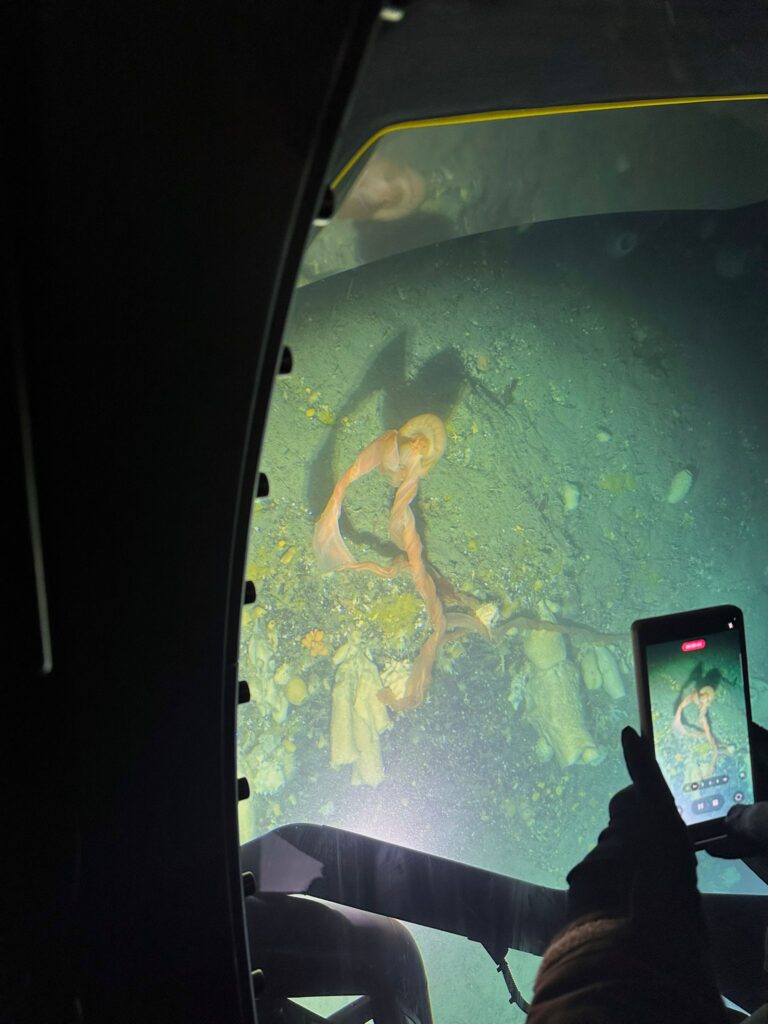
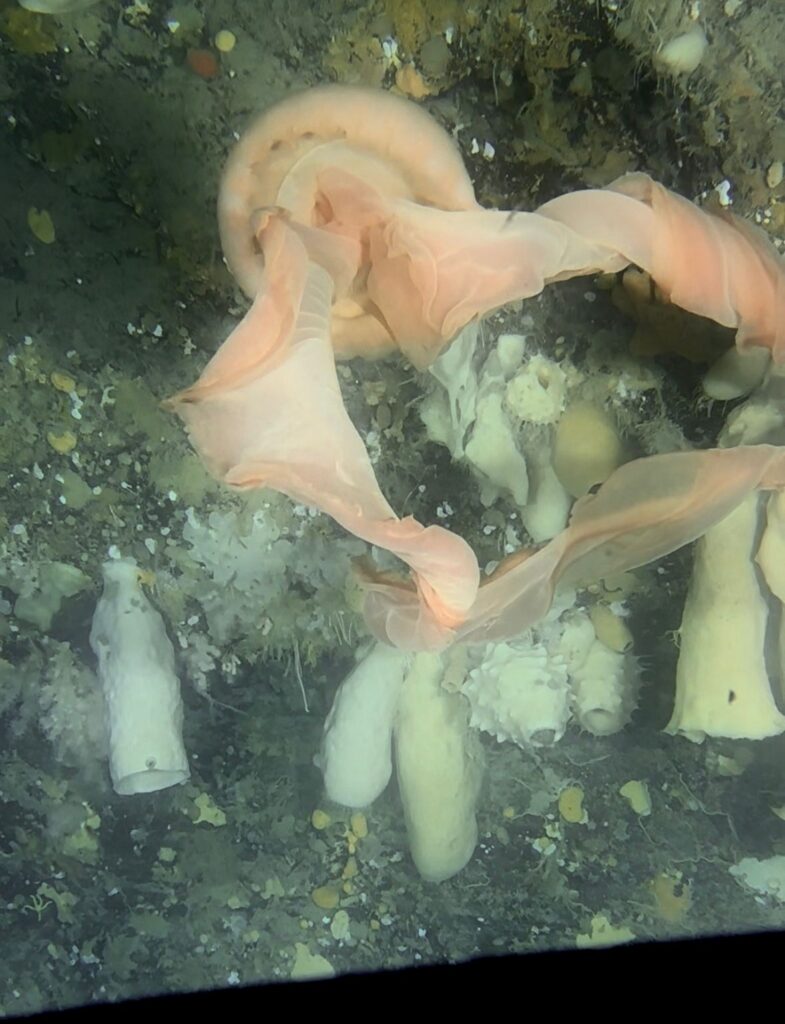
Sponges and sun star starfishA close-up of spongesLots to see hereLots of things at the ocean floorOne group saw a large jellyA close-up of the jelly
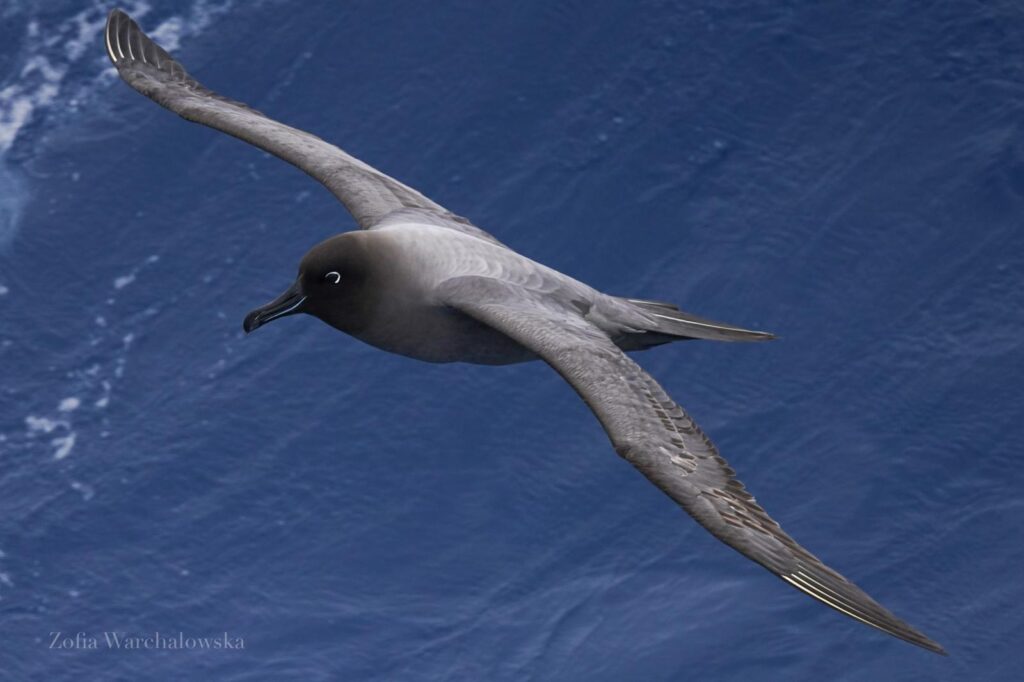
And up in the air, sea birds:
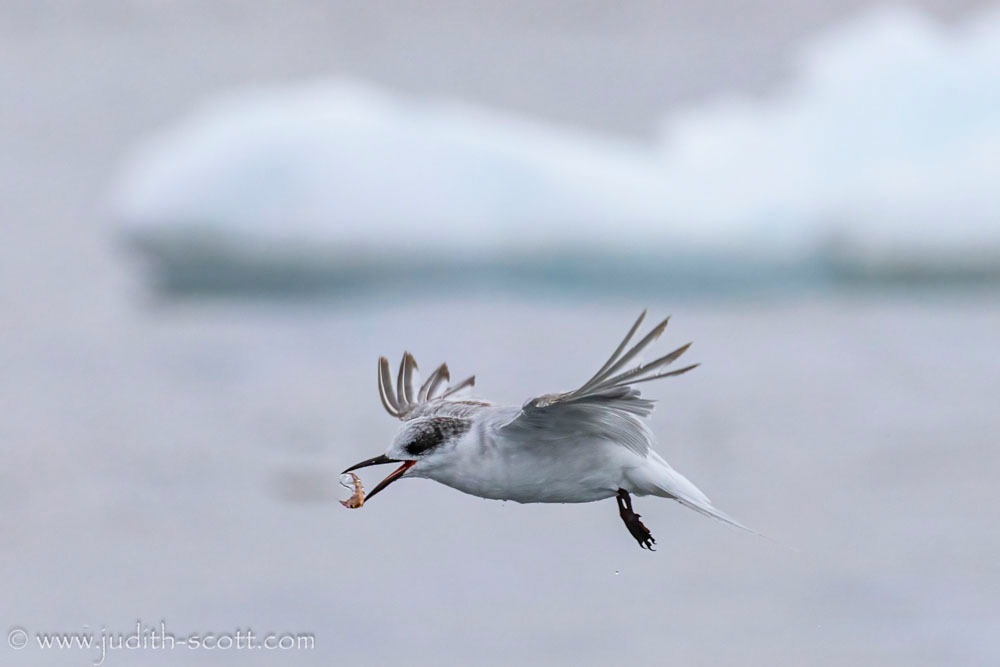
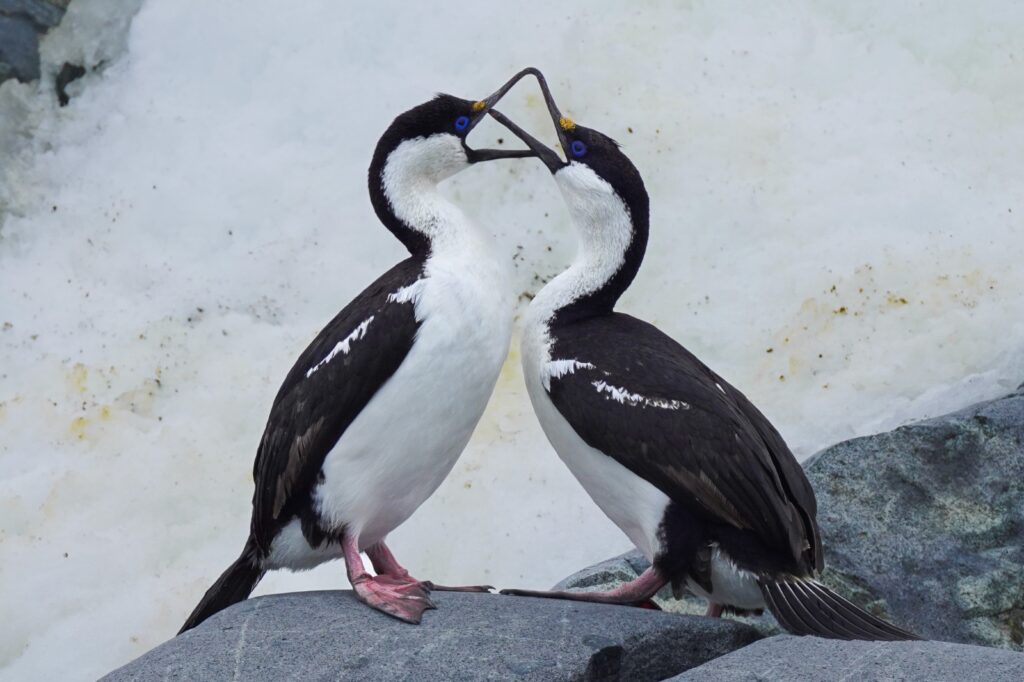
I think this is a petrelThis bird is on a missionThese are blue-eyed corcorans
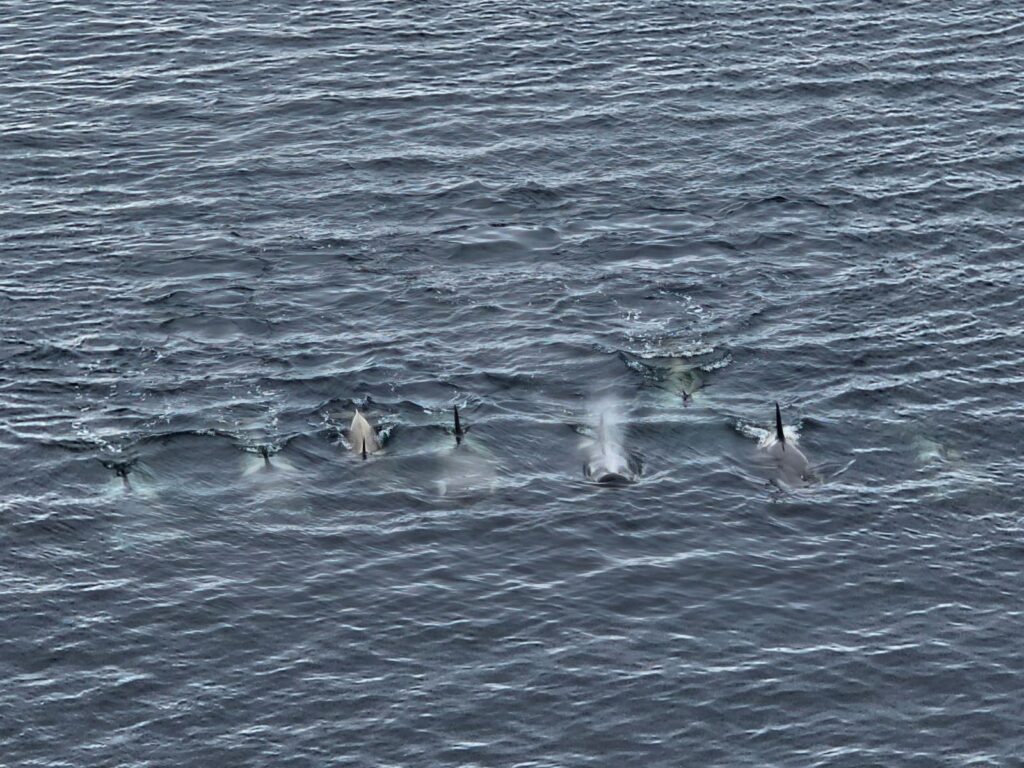
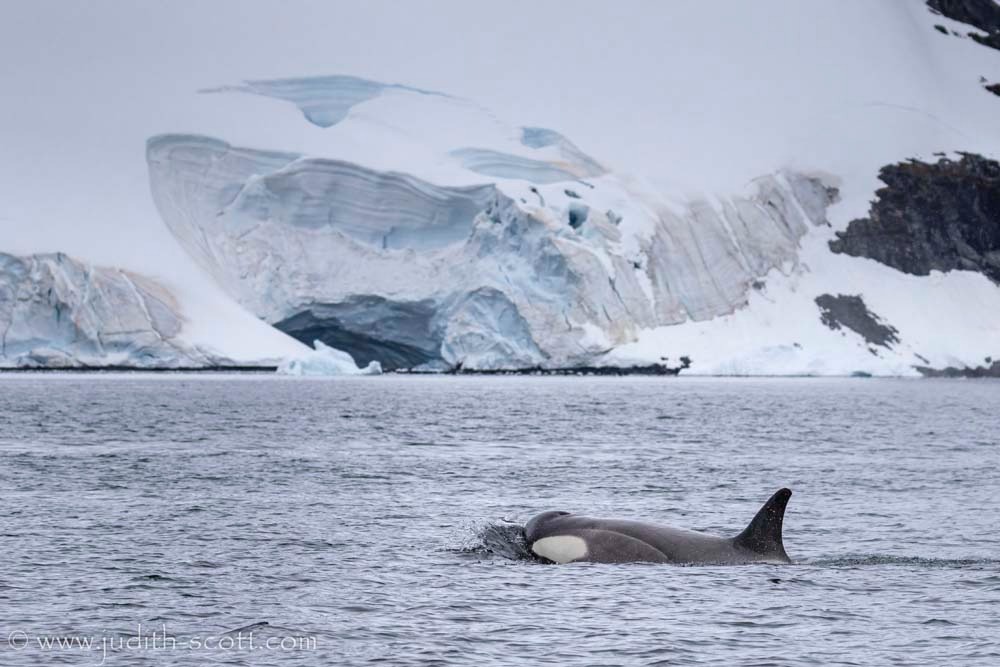
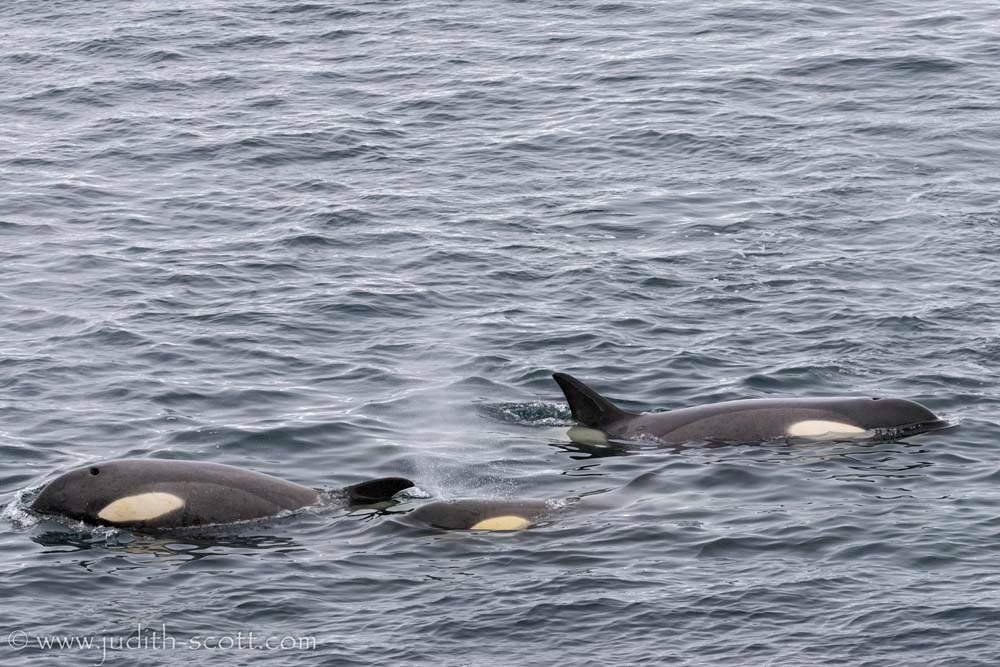
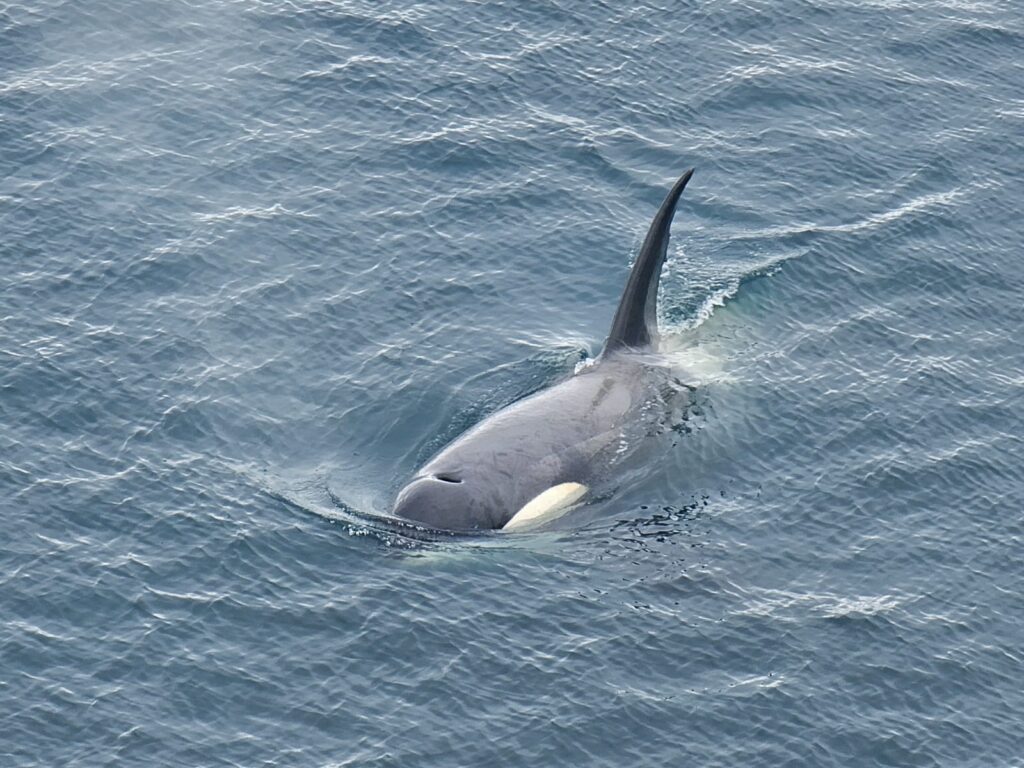
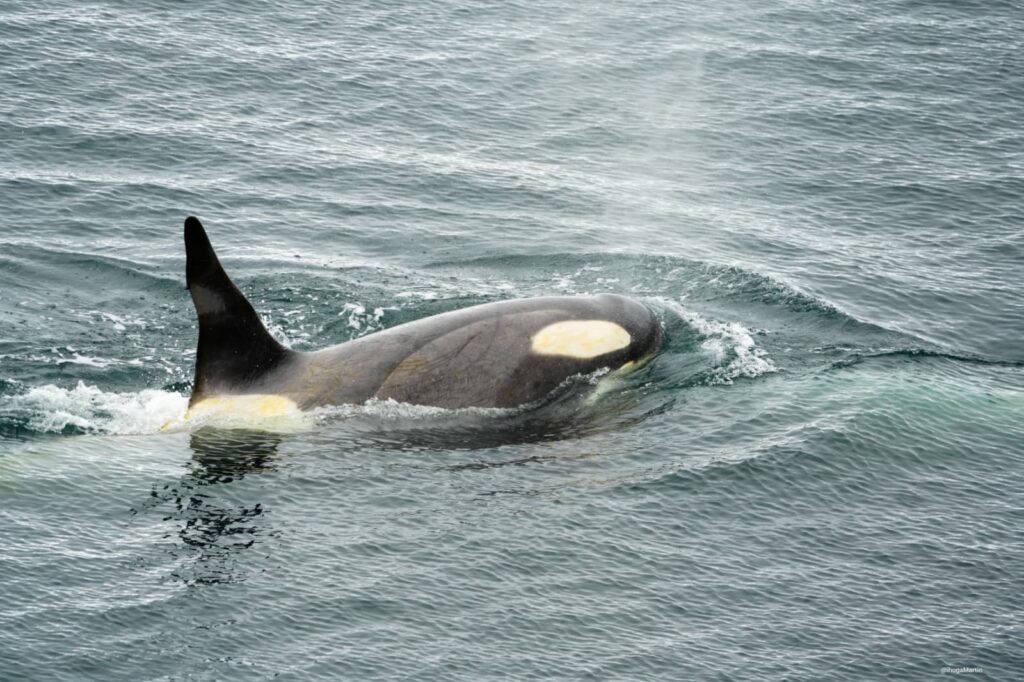
And now for the orcas:
This group swam straight towards the ship at full speed
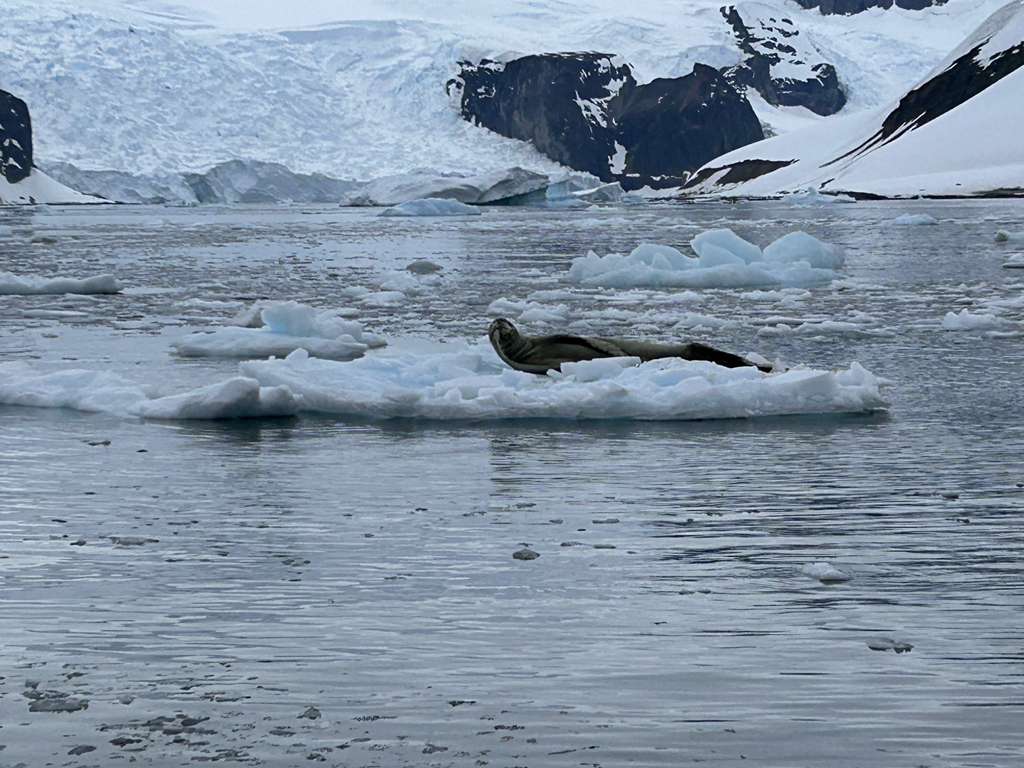
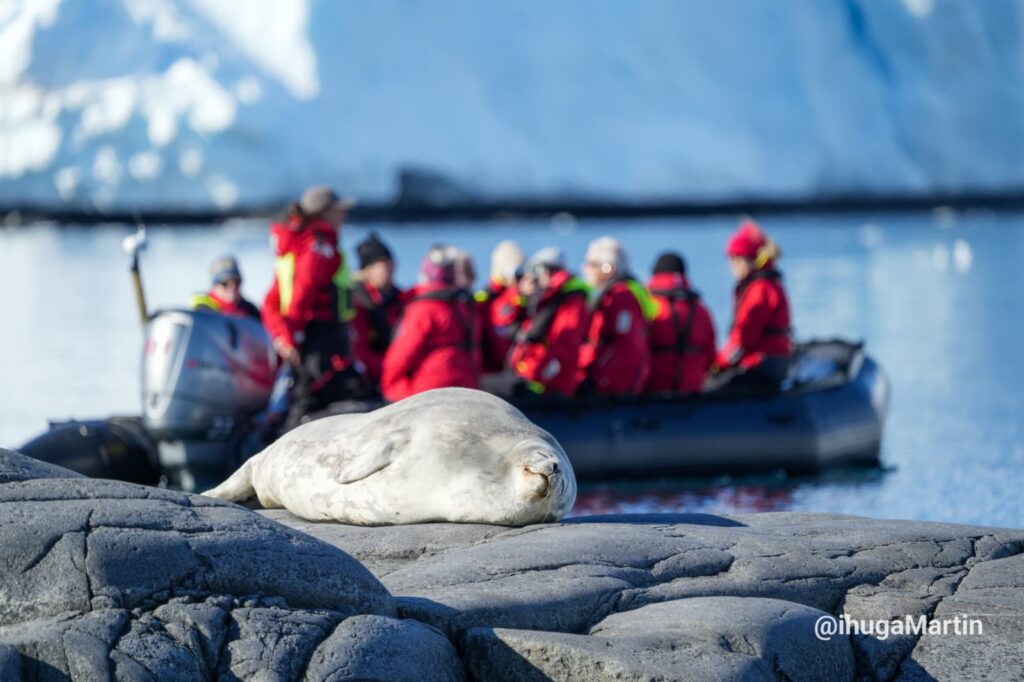
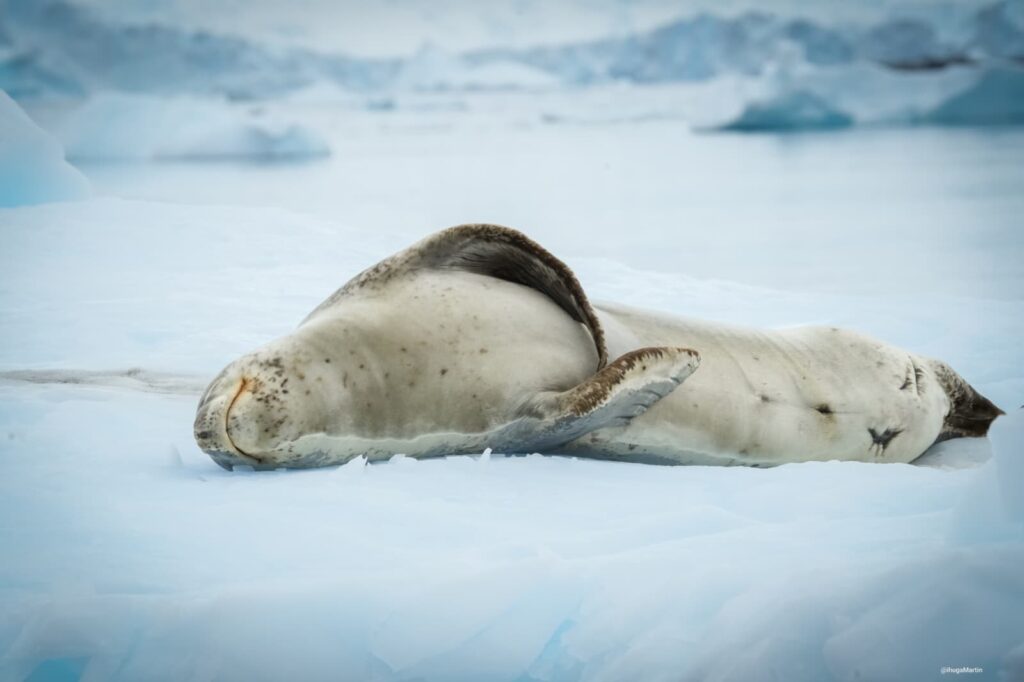
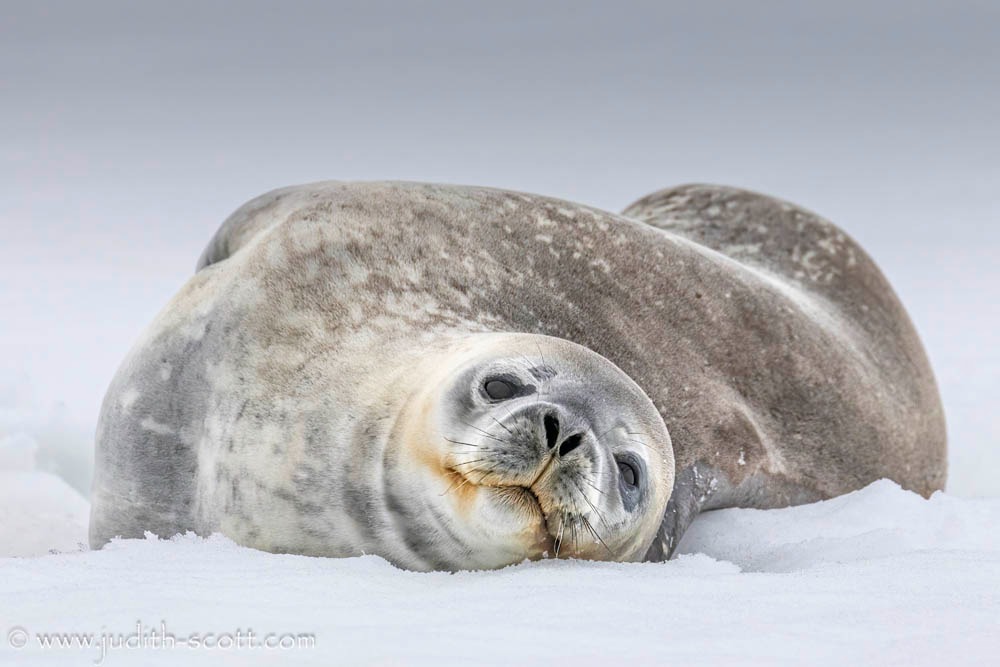
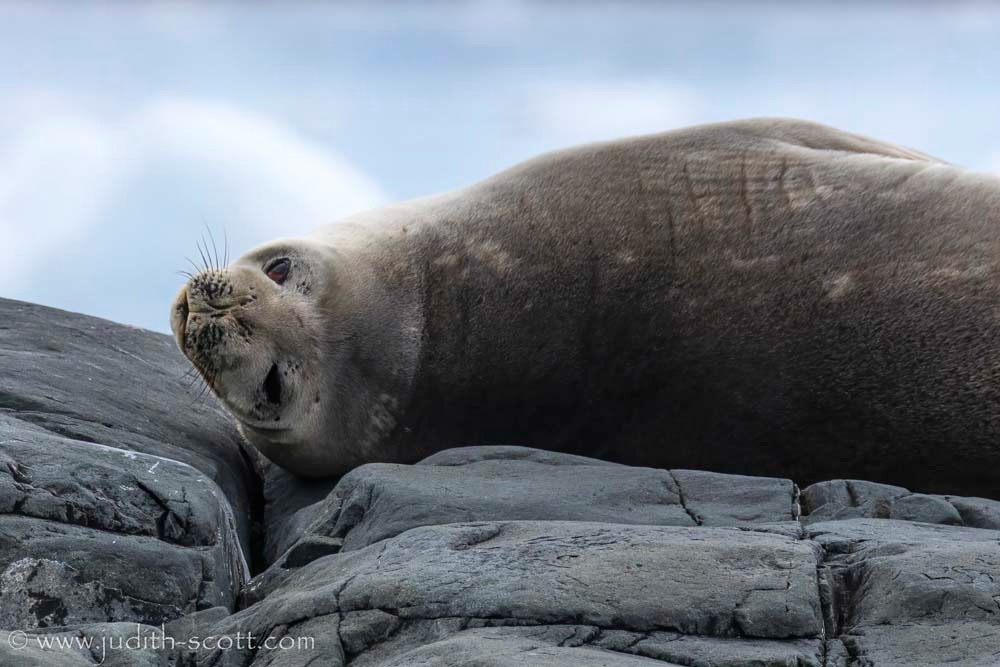
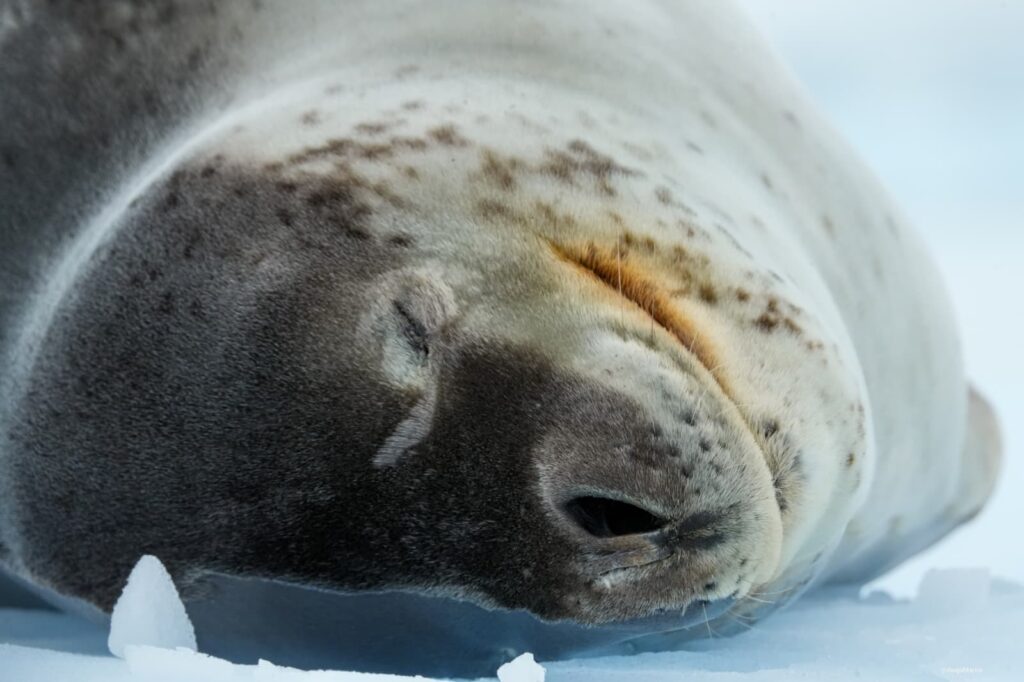
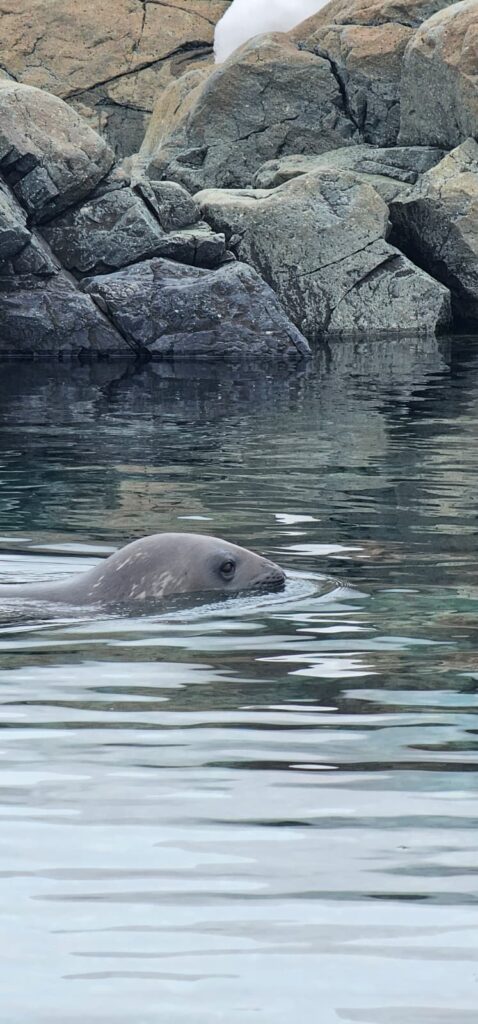
Adorable Weddell seals:
Seal resting on a icebergSeal resting on a rockSeal resting on snow – they do a lot of resting
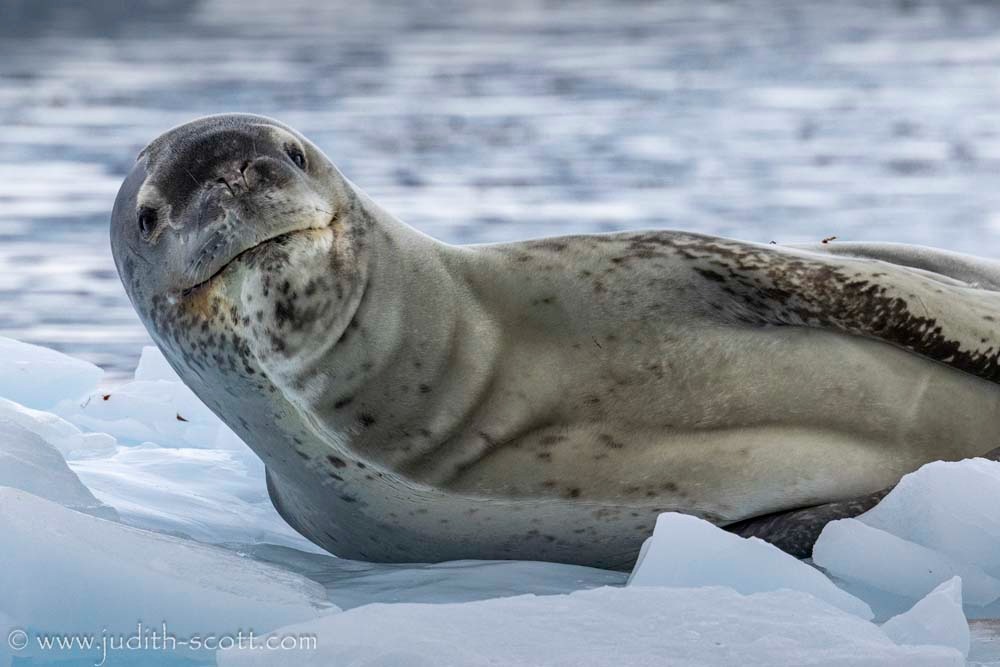
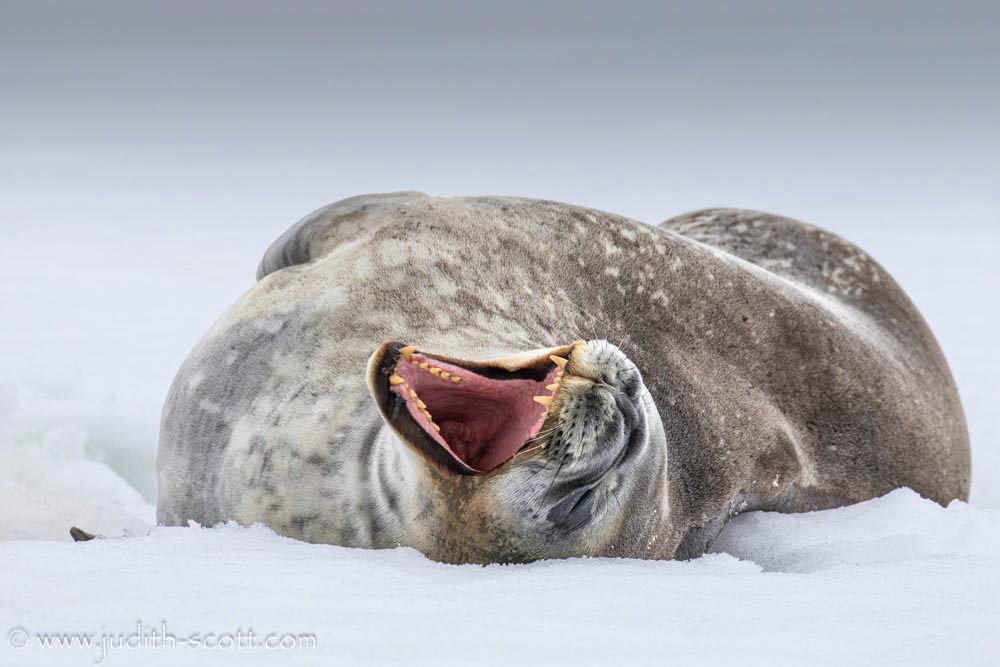
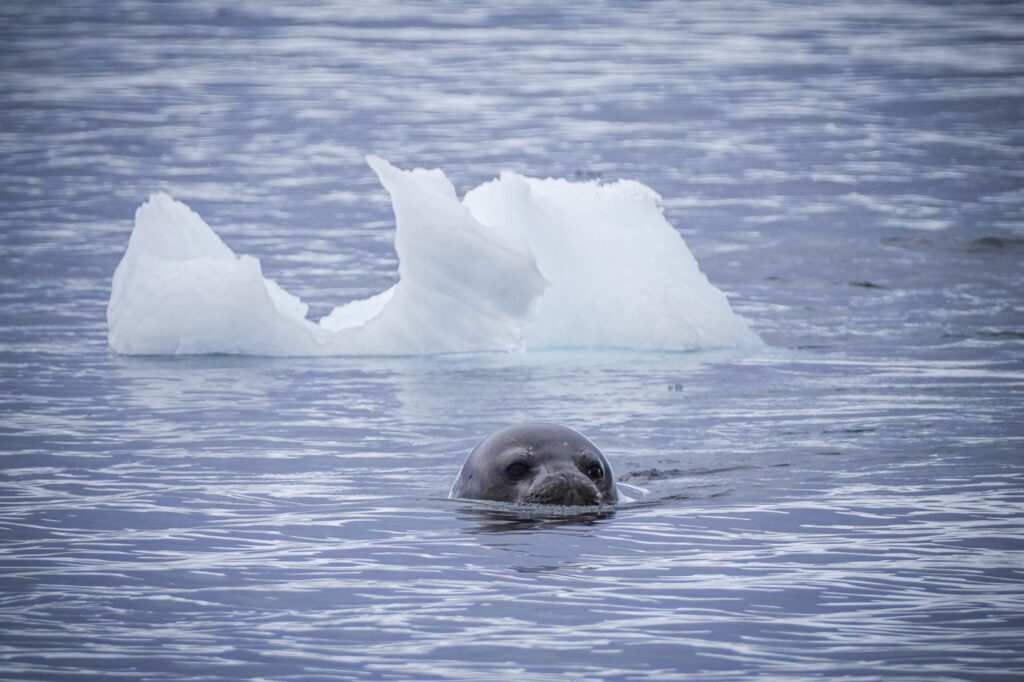
And the adorable puppy-like faces of seals:
This seal is either yawning or very annoyed
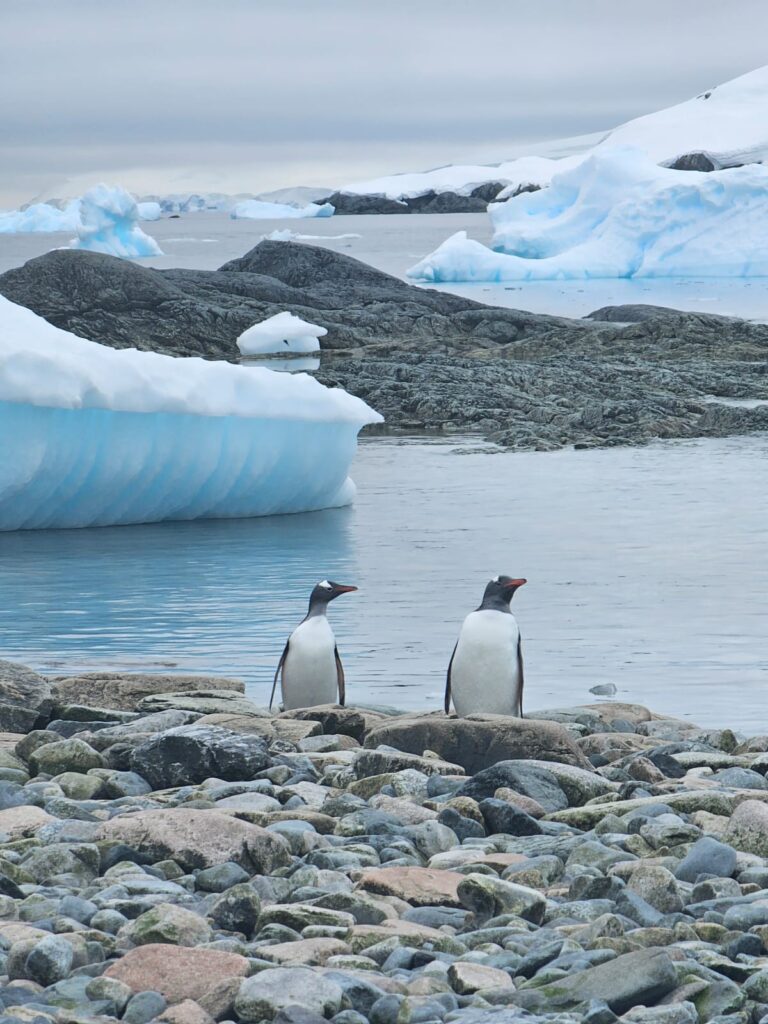
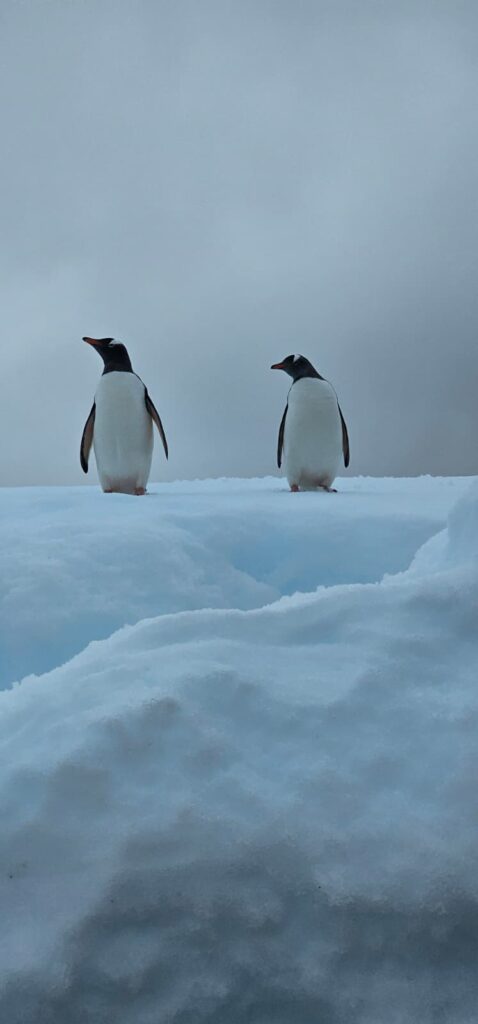
And now, more cute penguins:
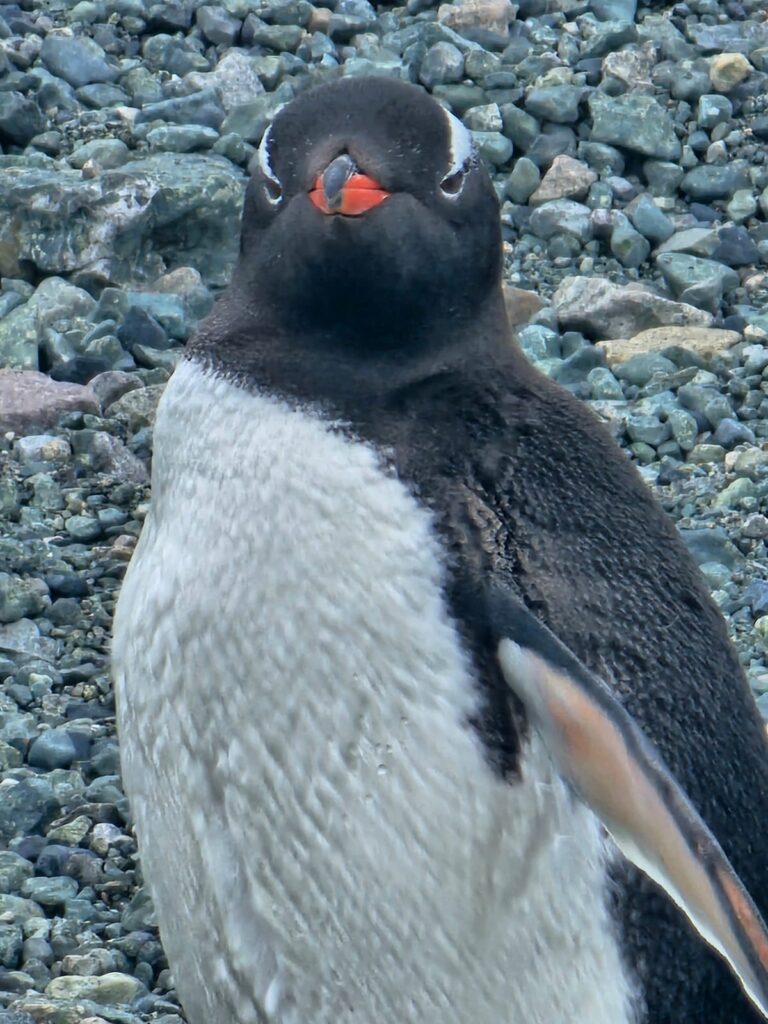
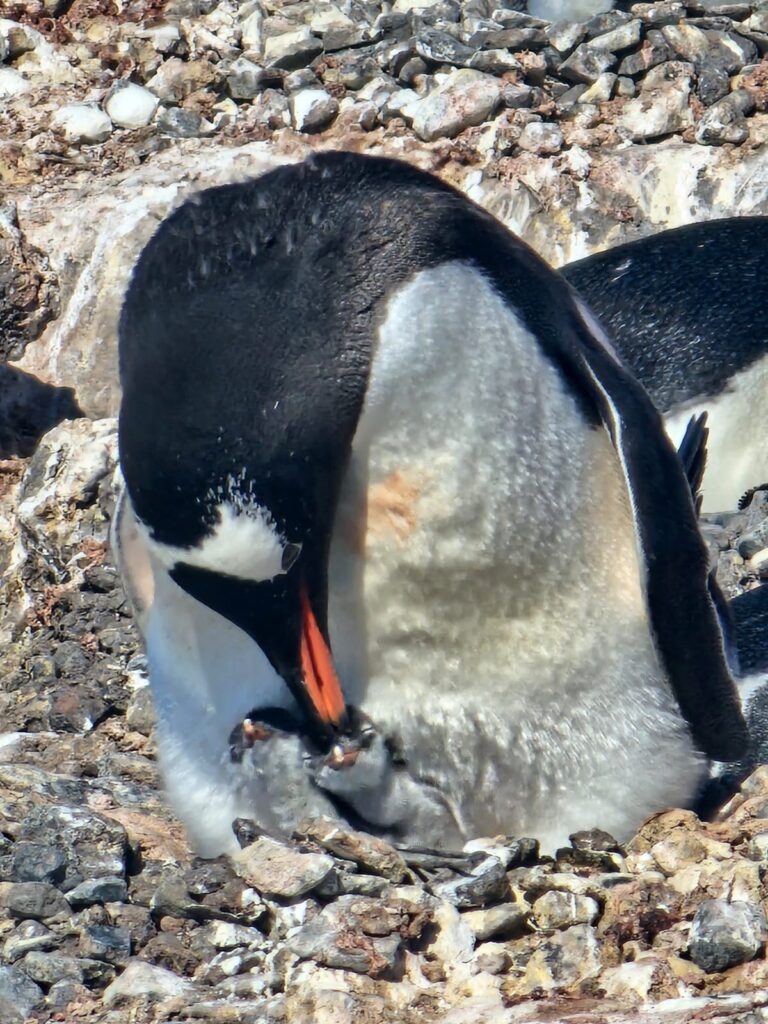
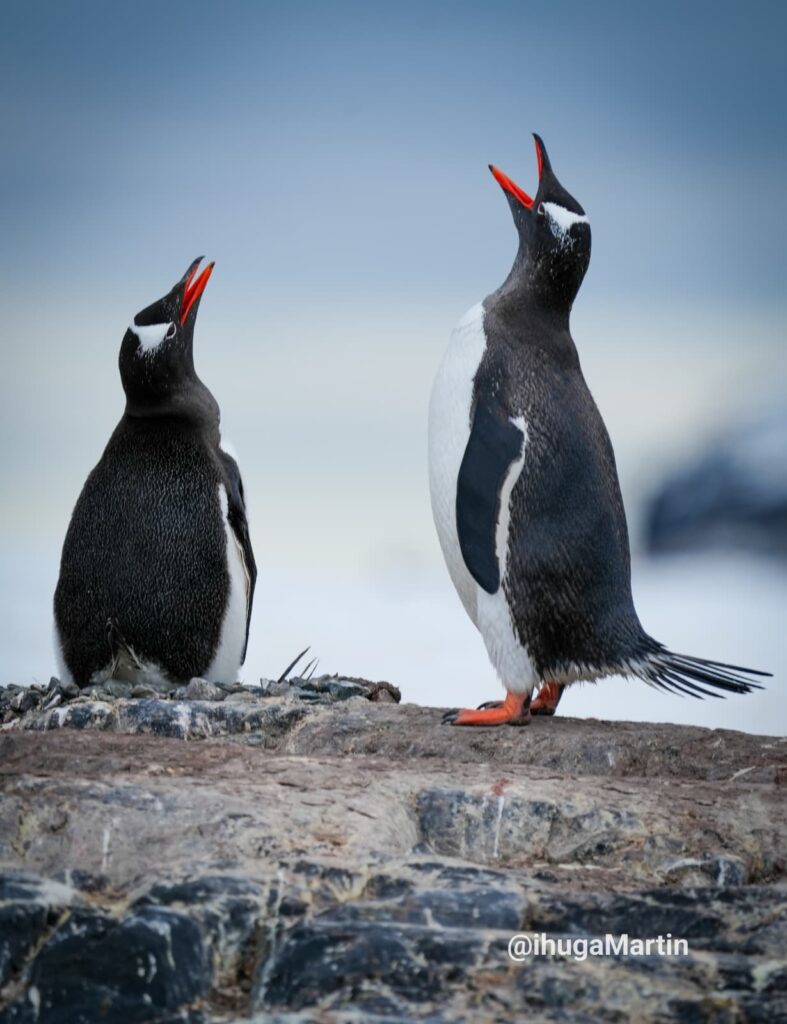
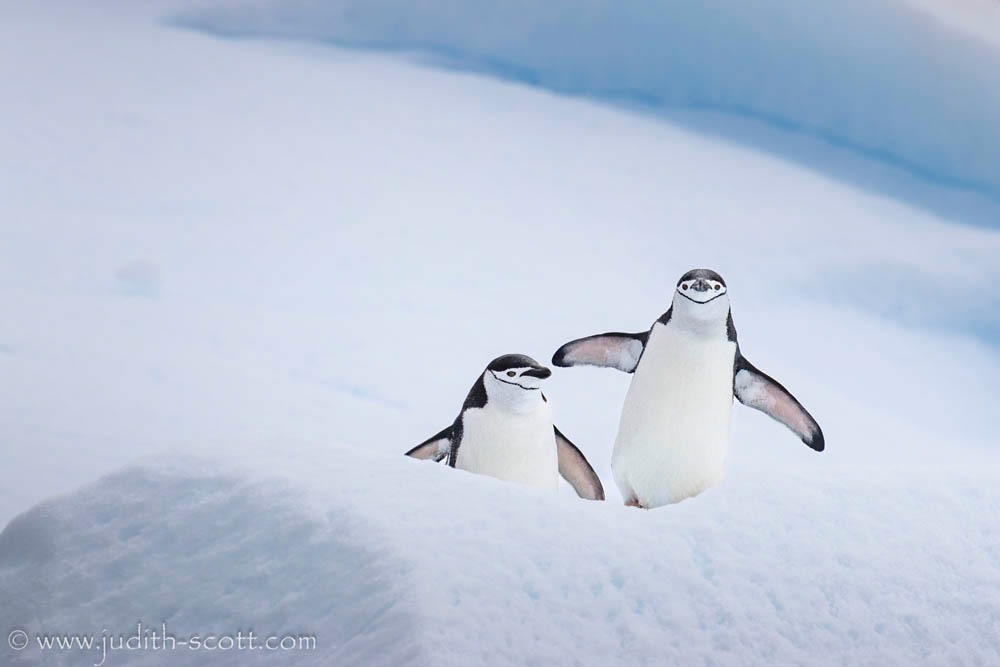
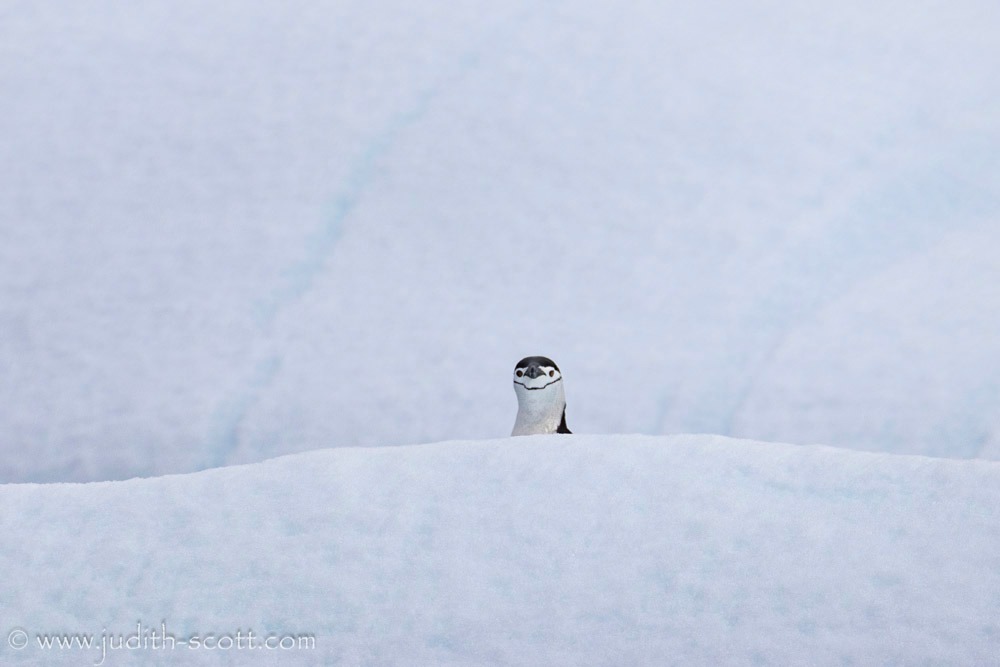
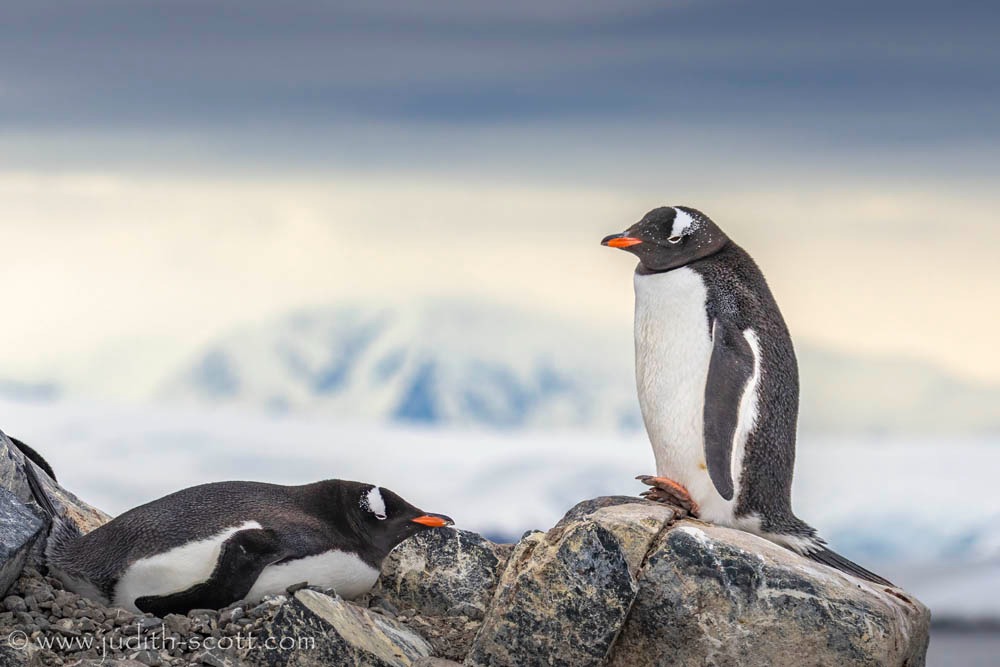
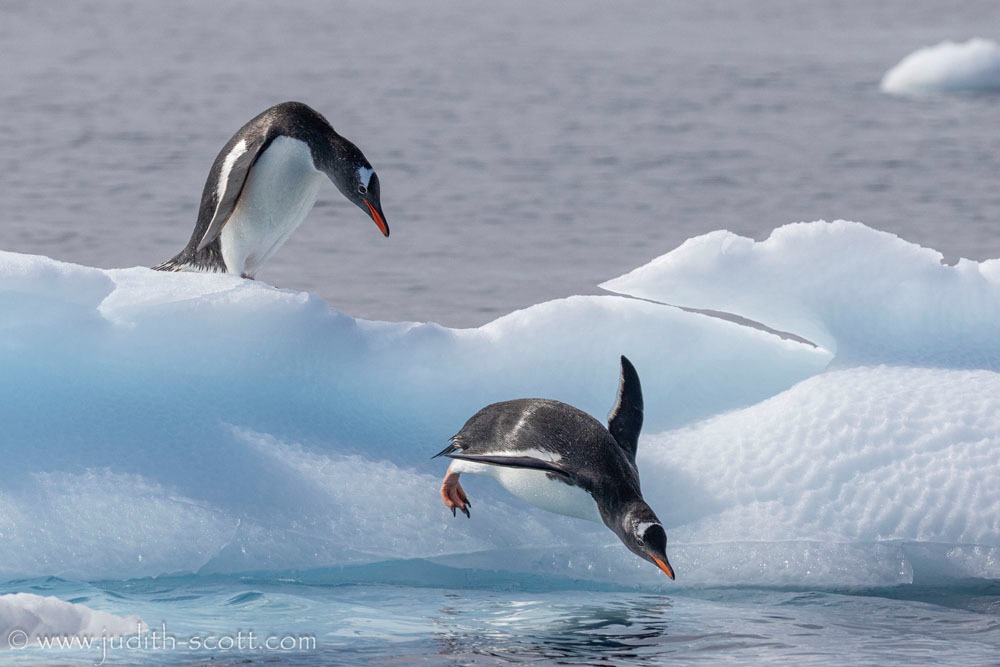
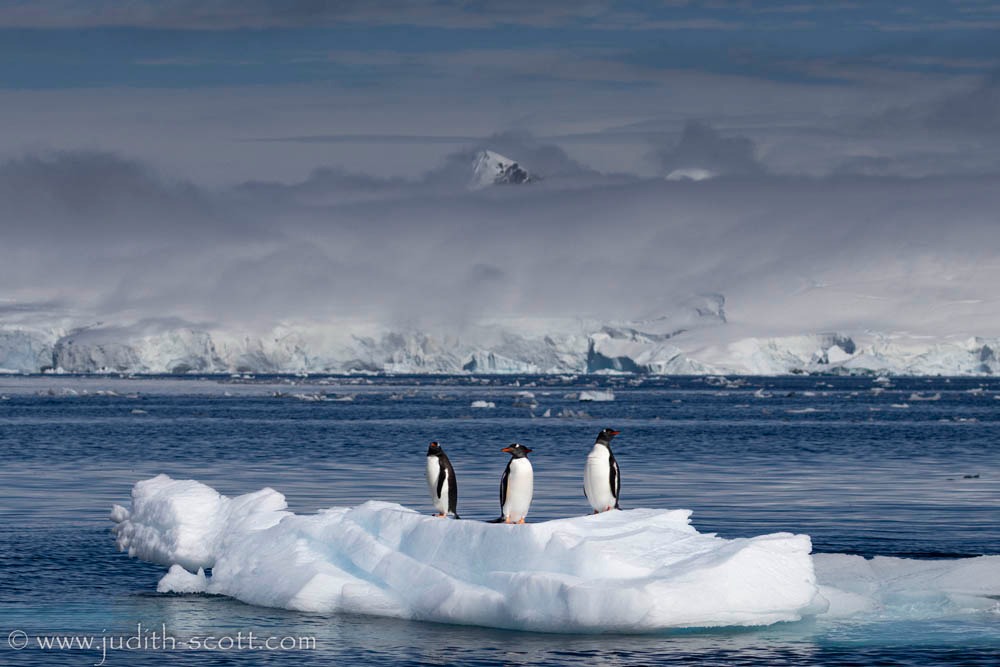
Gentoo penguinsGentoo penguinsPenguin crossingHello!Nuzzling the two baby chicksTwo Gentoo penguins calling into the airChinstrap penguinsChinstrap penguinPenguin pals – these might be matesGoing for a swimPenguins catching an iceberg ride
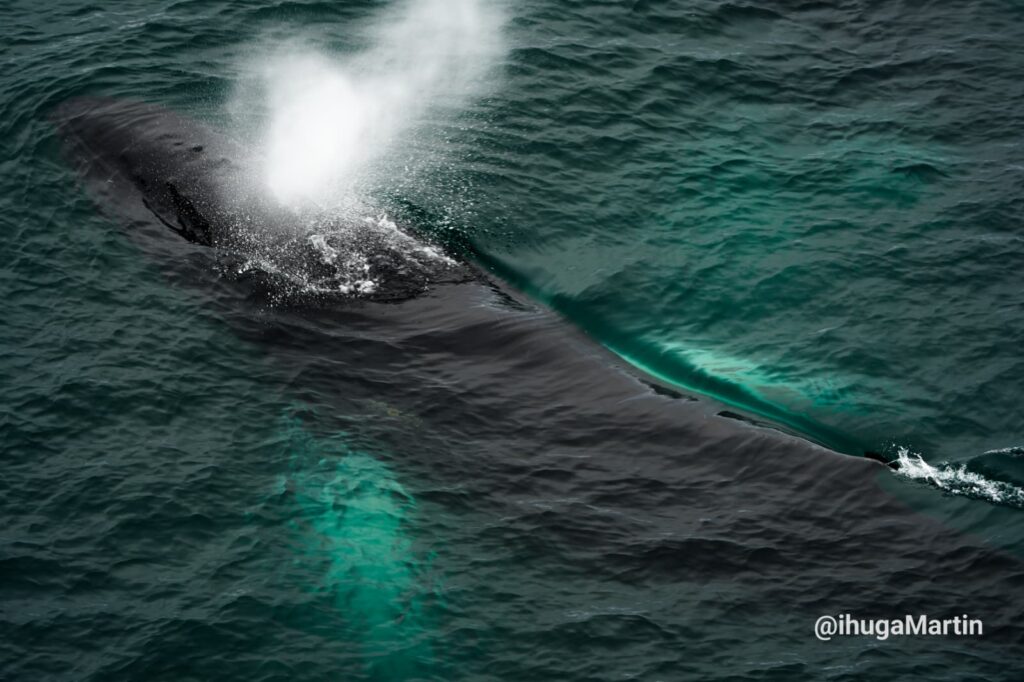
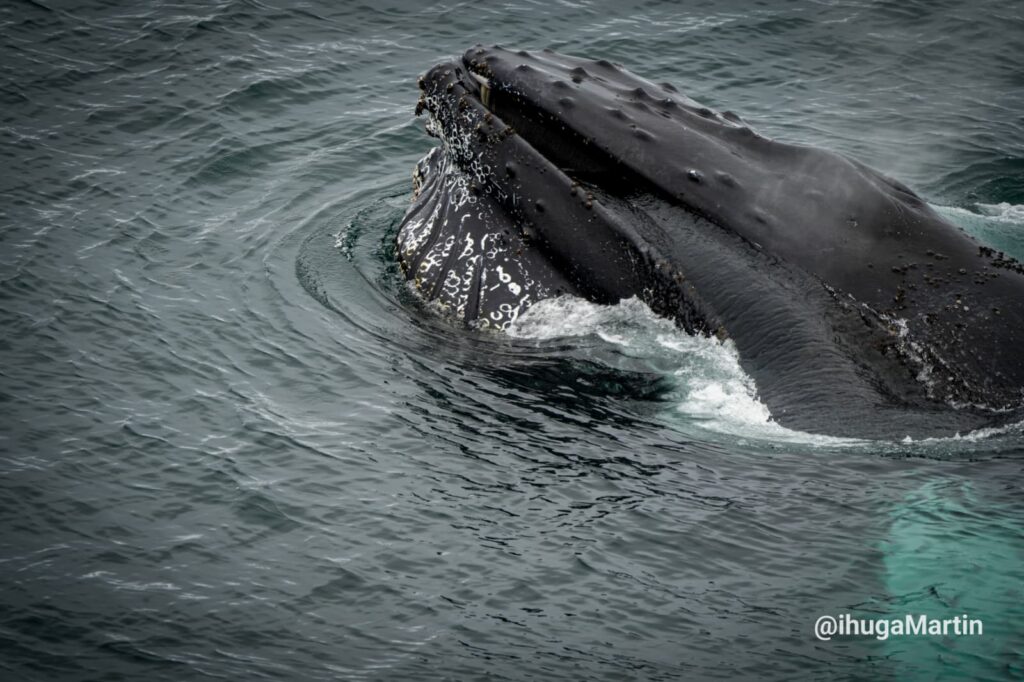
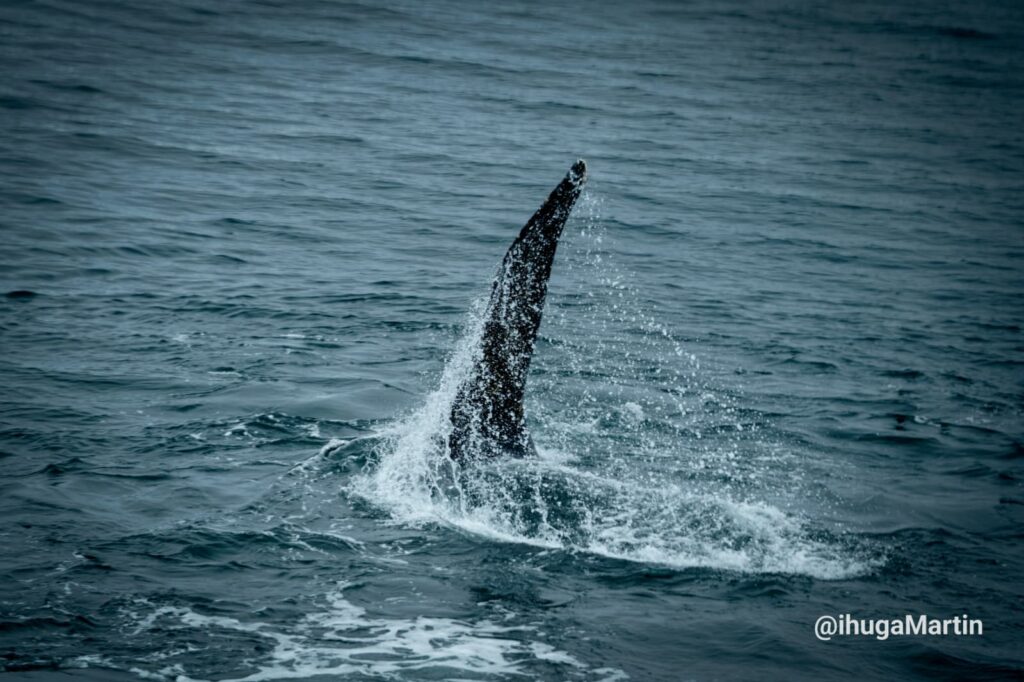
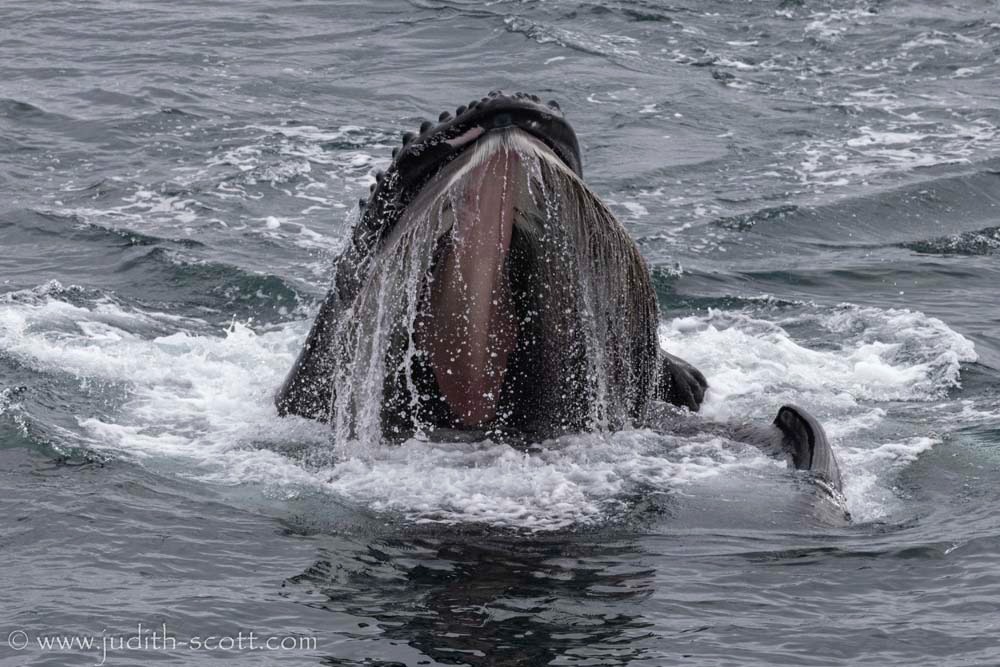
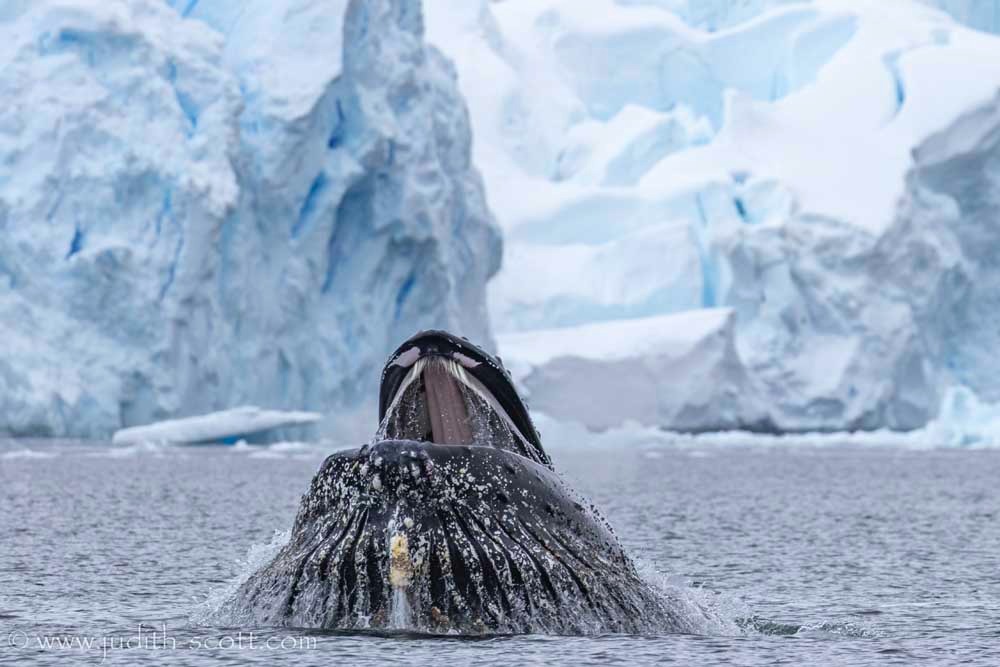
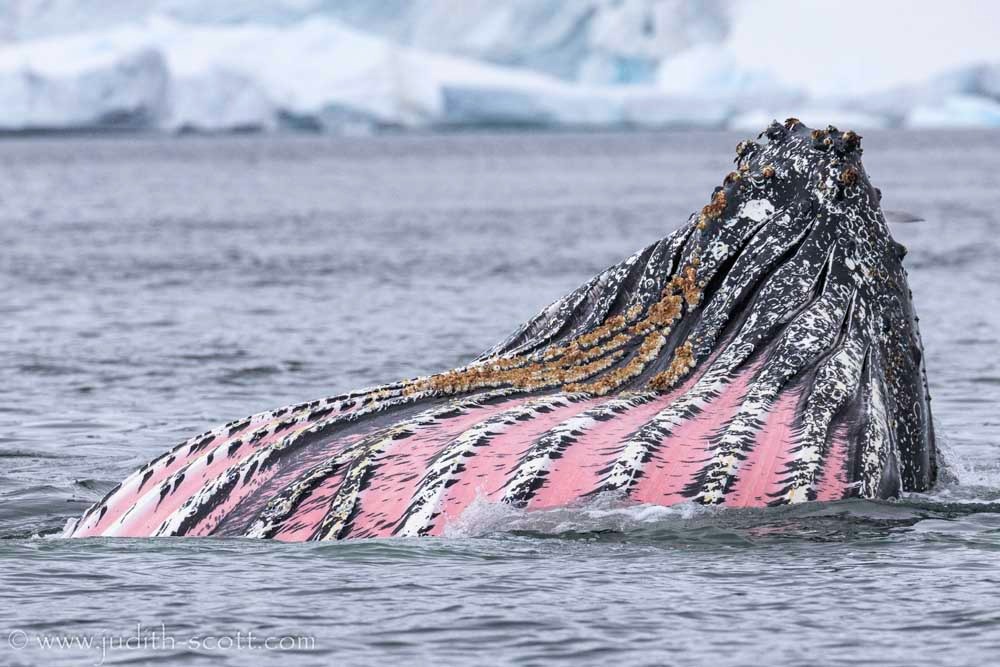
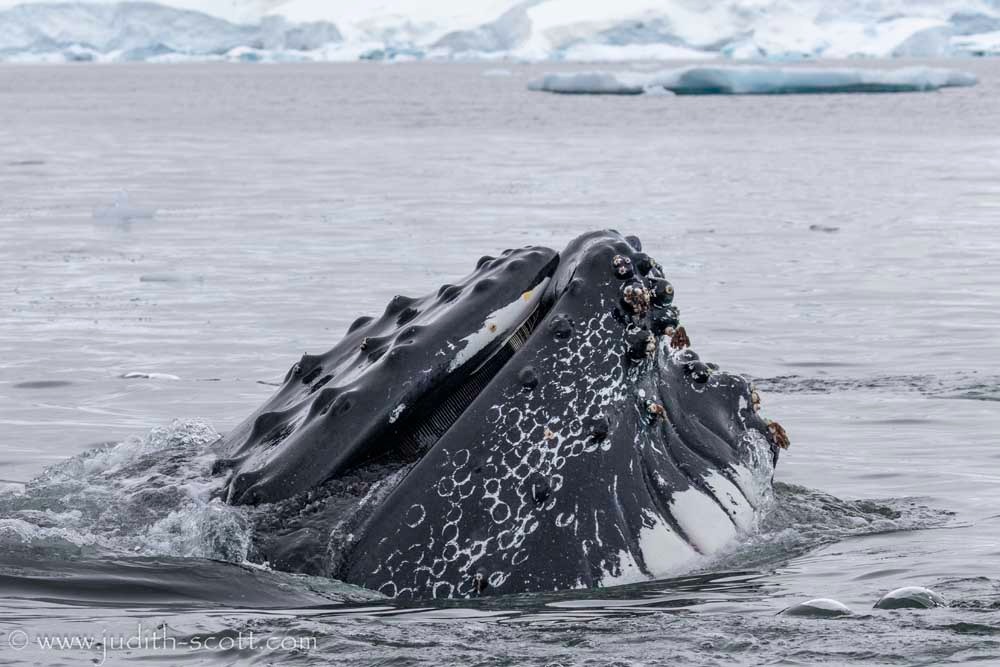
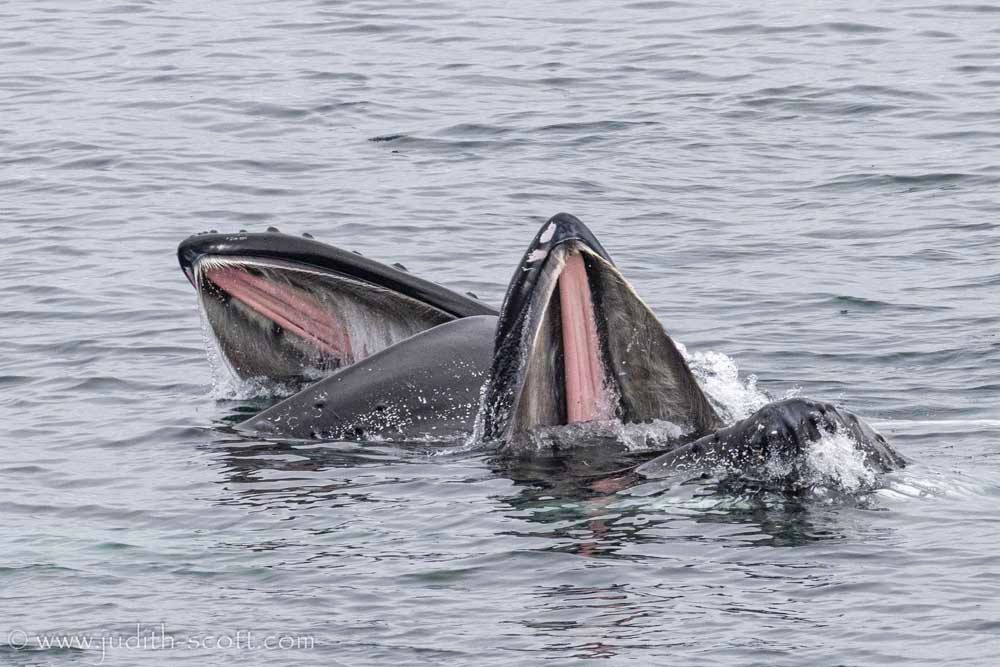
And last but not least, the majestic humpback whales:
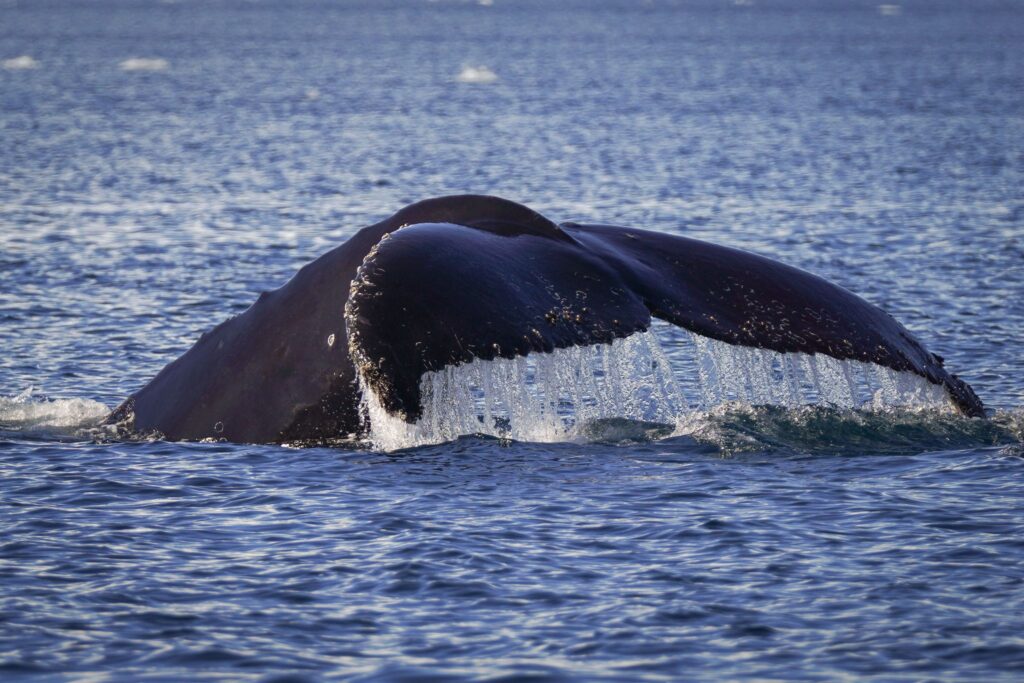
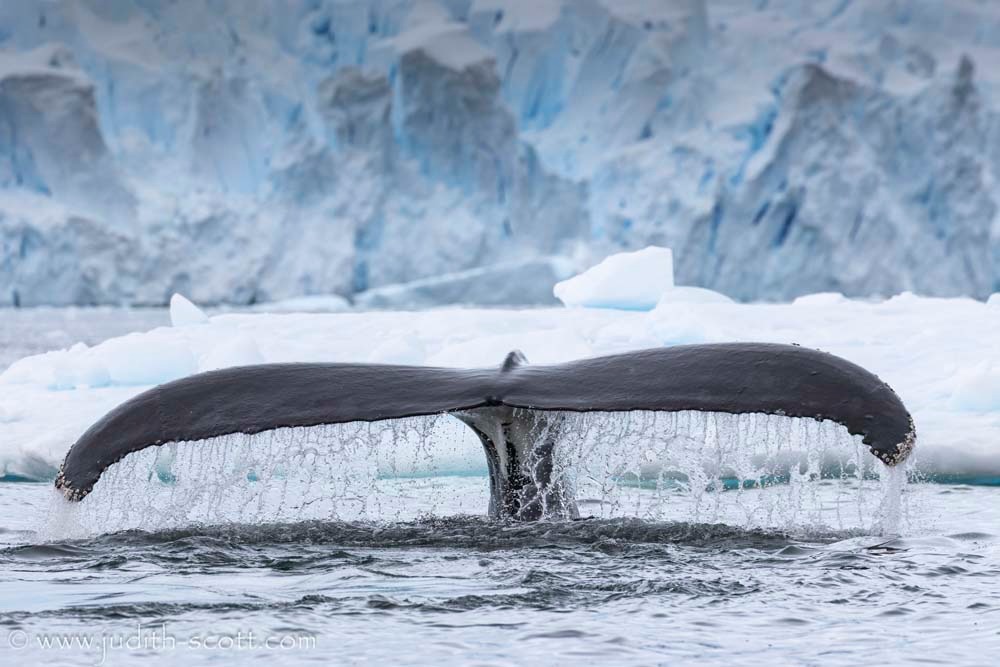
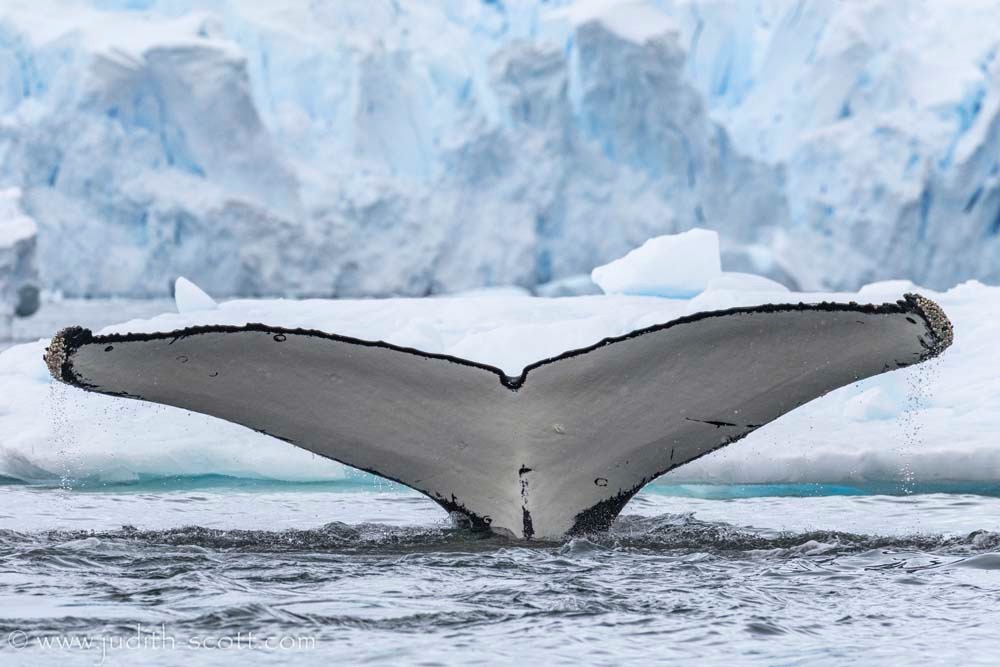
A whale headThis whale has twisted and put its side fin up in the airFeeding on krillFeedingUnder the chin there are these pink pleats than expand when the whale scoops up a mouthful of water and krillAnother headTwo whale mouthsA whale tailAnother tailOne last glimpse – each whale tail has unique markings, similar to how humans have unique fingerprints
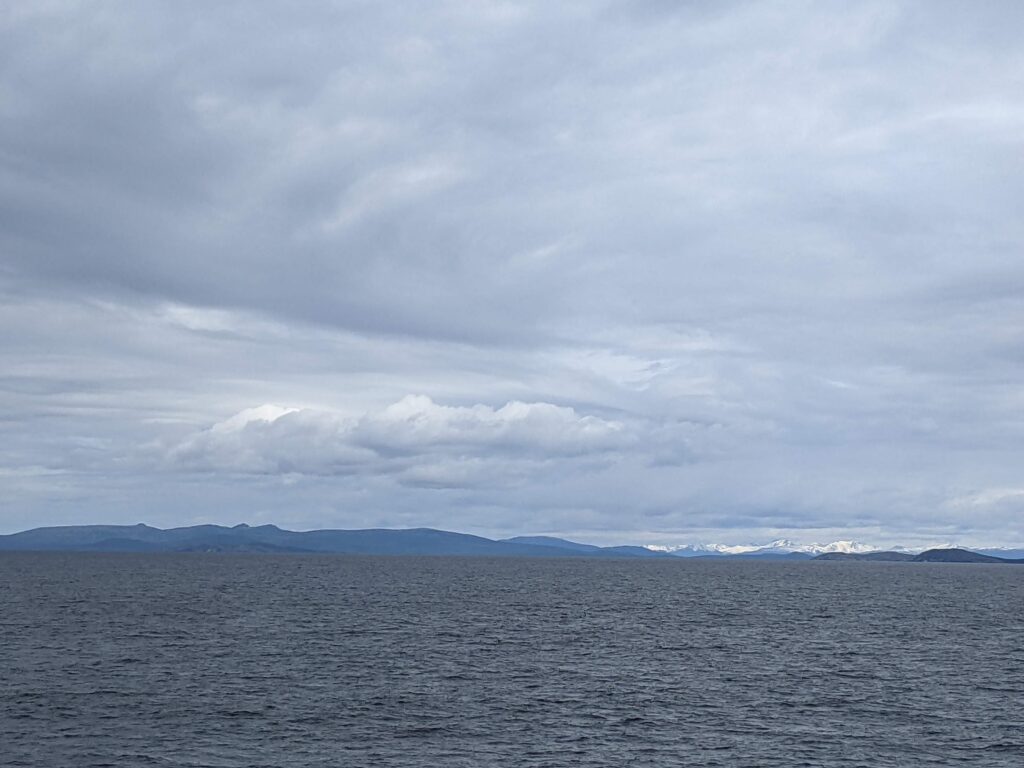
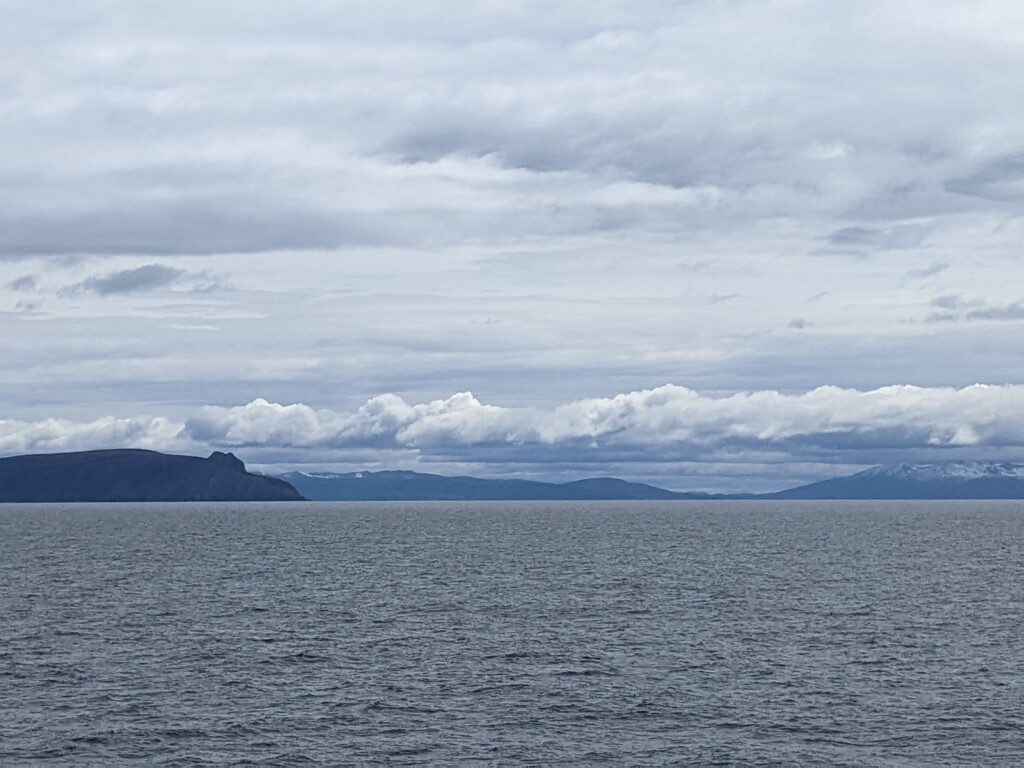
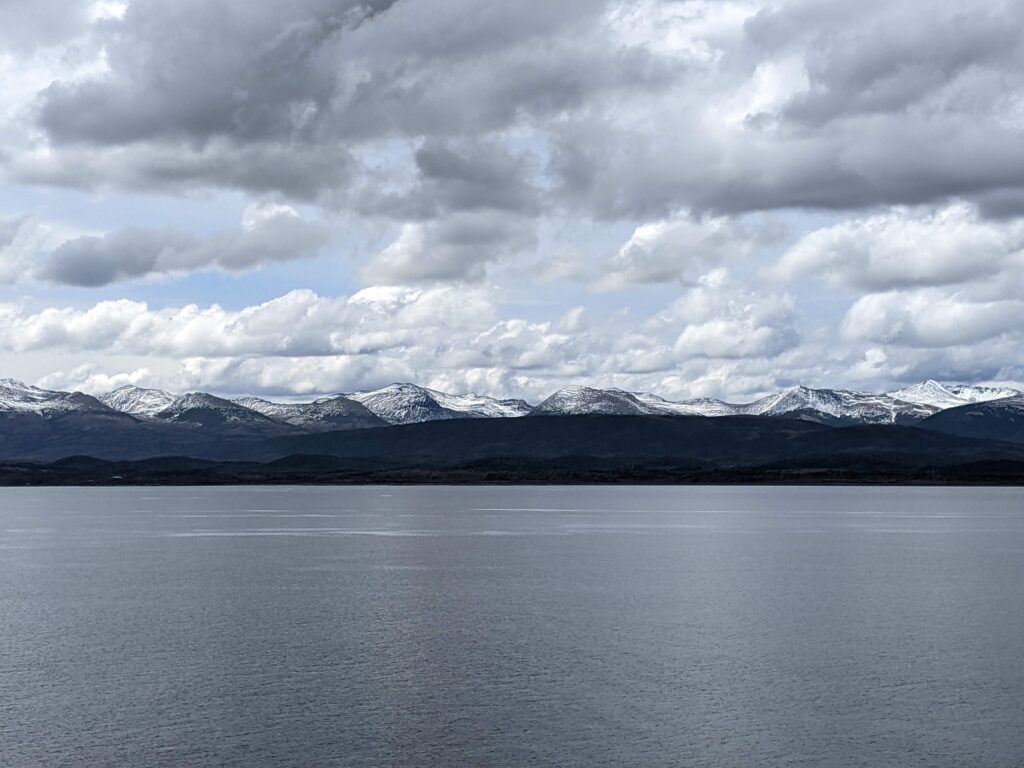
We awoke this morning to see land. It was such a welcome sight, because it meant that the Drake Passage was behind us. We had sailed to the western side of South America and then spent the day sailing around Cape Horn to arrive at Ushuaia at 7 pm. I spent some time out on the bow watching the landscape go by. There were several birds around us and even some dolphins.
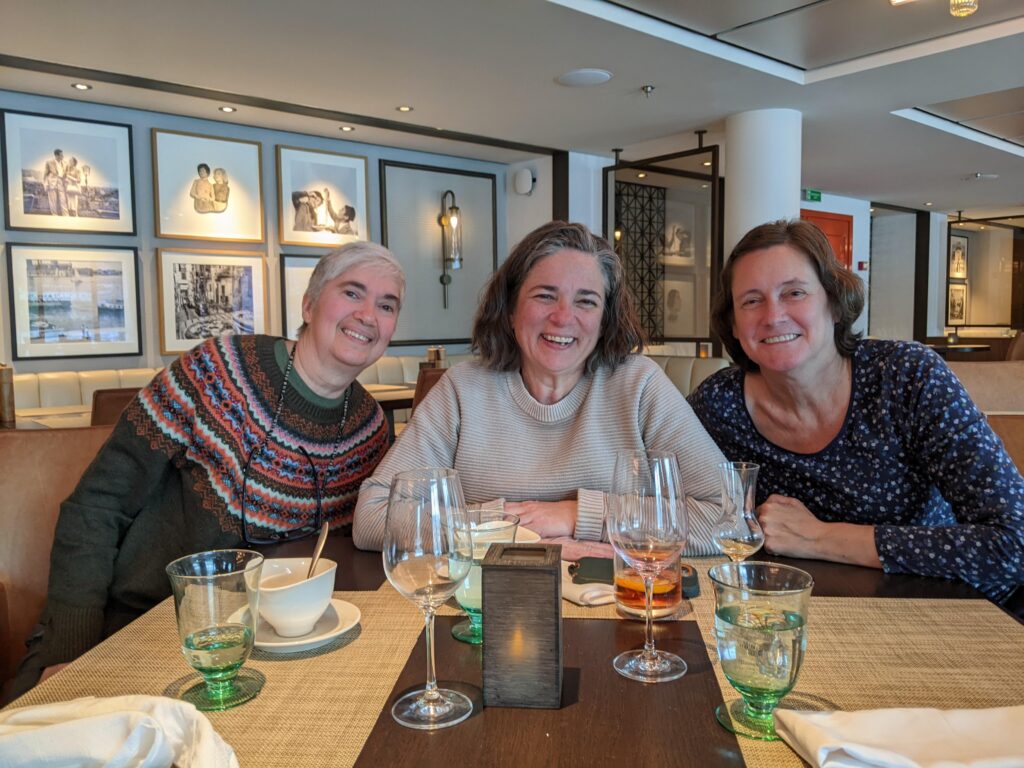
We had dinner at one of the fancy restaurants and then packed our bags.
We had to put our checked luggage outside our stateroom door by 10 pm. Porters came around in the night to collect the luggage. Then they transported it to the airport and loaded it on the plane. We’ll next see our baggage when we land in Buenos Aires. In the meantime, enjoy these photos of Cape Horn.
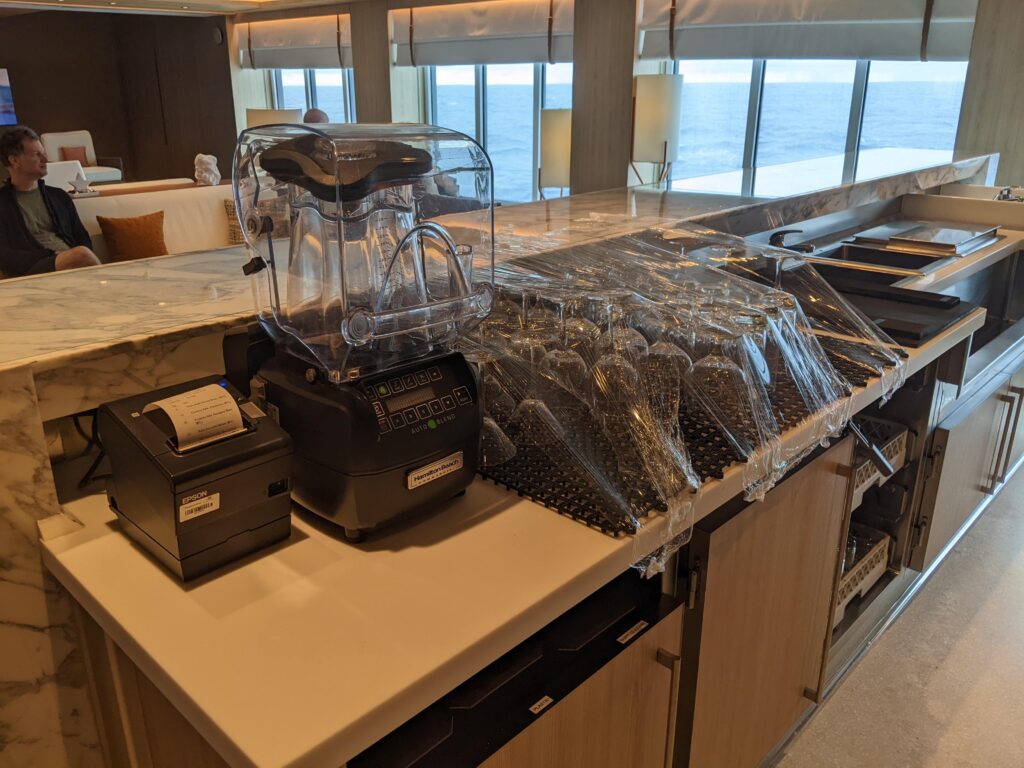
As we cross the passage for the second time, I’m reminded that I didn’t enjoy it the first time. Even though I don’t get motion sickness, I still get weary of the boat rolling around. Sometimes it pitches from front to back. Sometimes it rolls side to side. Sometimes it does both.
This bar was closed during the day so saran wrap was keeping the glasses from falling over as the ship rolled around
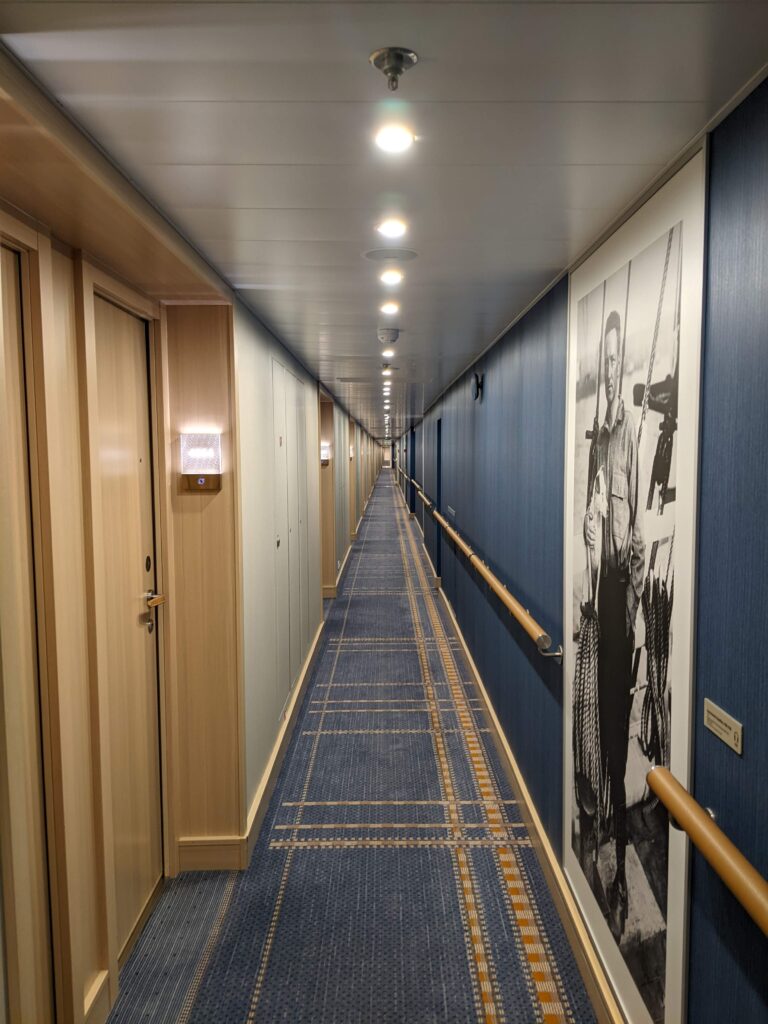
In addition to giving me a headache, all of the movement makes it difficult to walk around. You weave back and forth and sometimes stumble as the ship makes a sudden twist. I have to hold onto a railing or touch the wall to keep my balance.
And this is why the corridors have railings
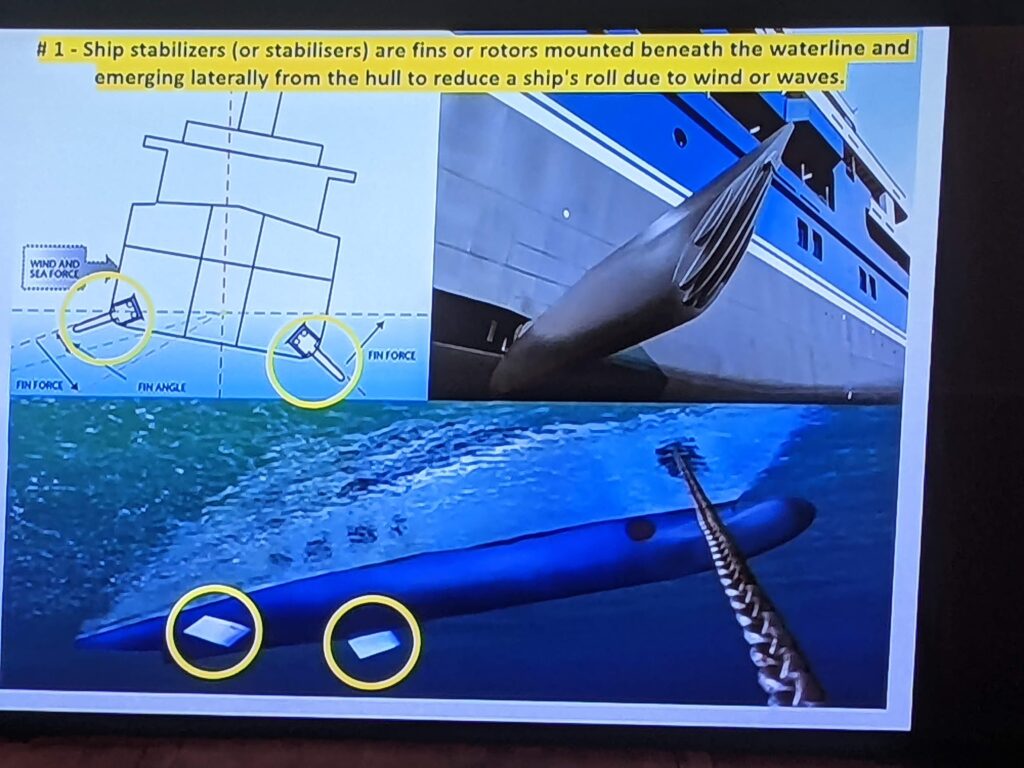
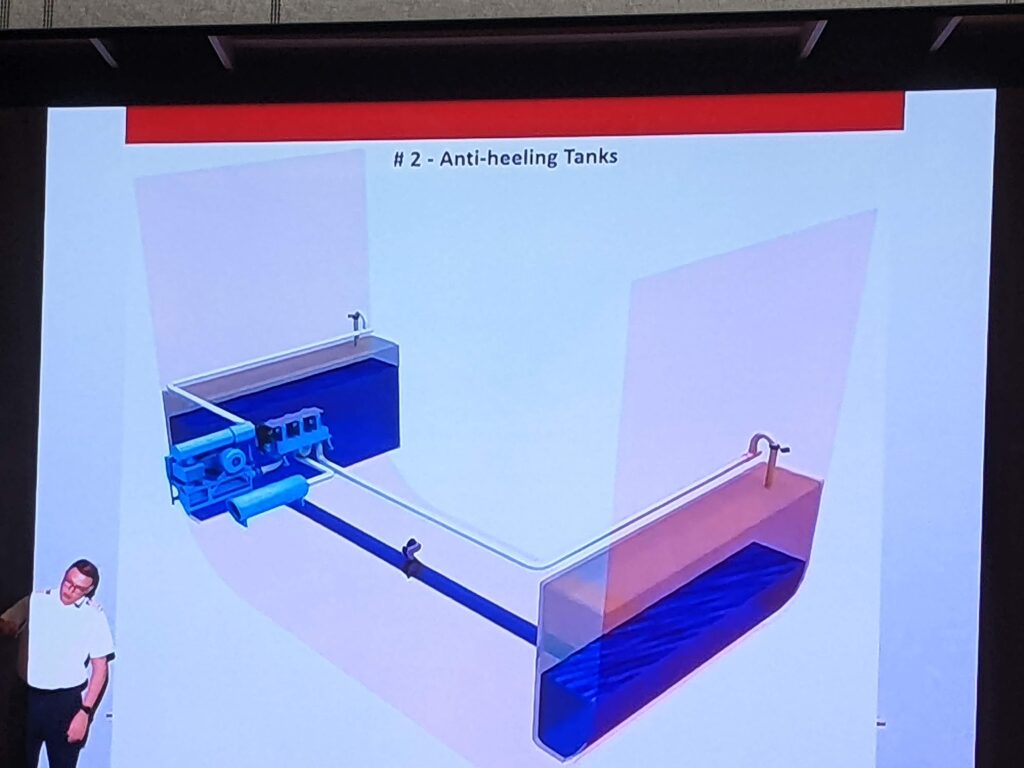
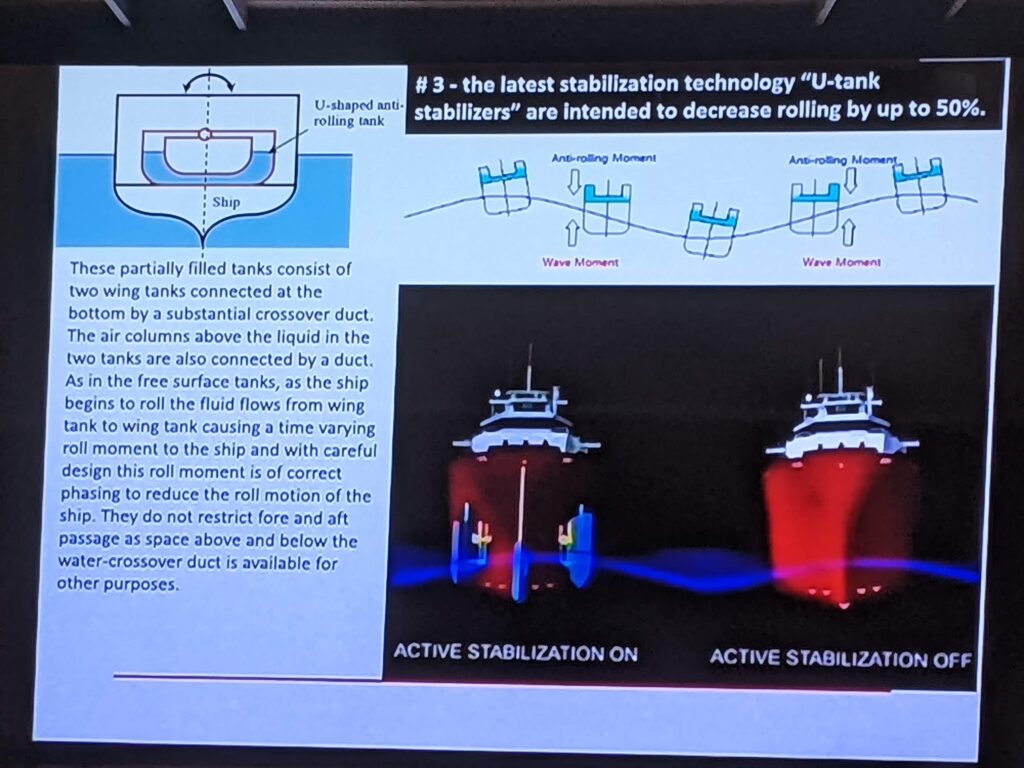
The captain gave a lecture this morning about the technical and operational aspects of the ship. We learned that the ship has three stabilization methods, and they are all currently deployed as we cross the passage.
The ship has fins that extend on either side to help stabilizeThere is water ballast in the bottom of the ship that can counteract the rolling back and forthThere is additional water ballast to help with the rolling motion
Even with all of the stabilization technology and seasick meds and the Drake Lake, it’s still tiring. I can’t imagine what it would have been like on an old sailing ship a hundred years ago. Yuck.
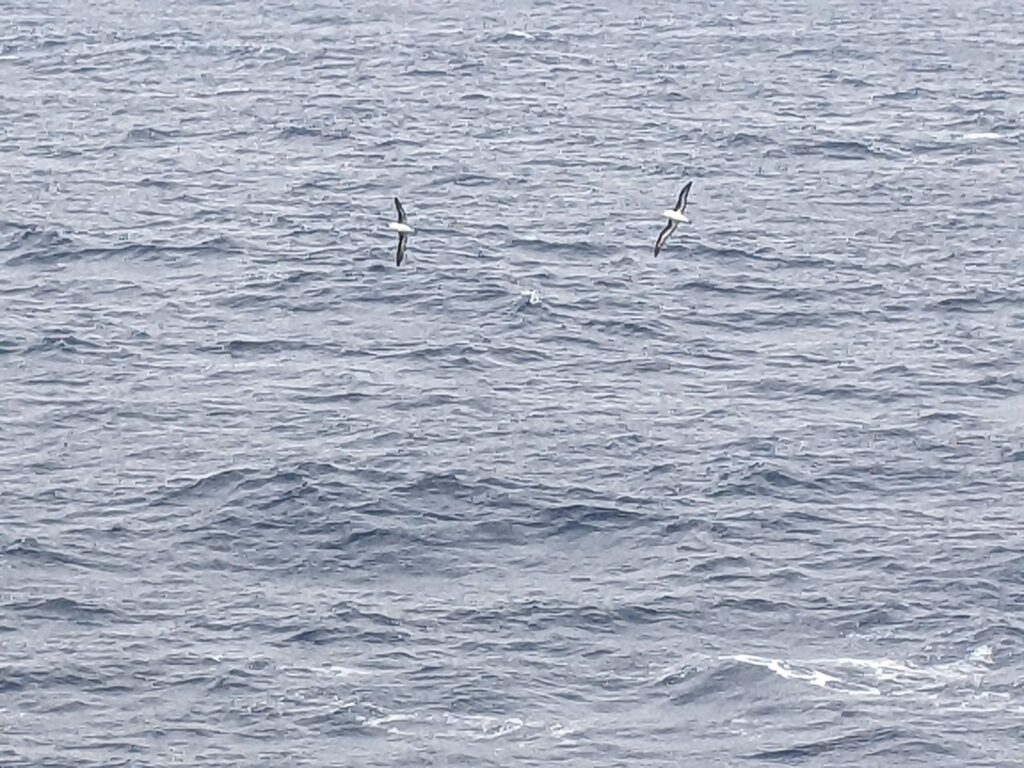
We have seen a lot of sea birds on this time across, however. I’ve seen a few albatross which is pretty cool. It makes me think of Rhyme of the Ancient Mariner which I read in 12th grade. We also seen other types of birds, petrels and others. I should go back to look at the bird replicas to figure out their names, but I just don’t feel like walking downstairs at the moment.
A couple of sea birds
One of the lines in Rhyme of the Ancient Mariner is “Water, water everywhere and not a drop to drink.” In our case, the ship has a reserve of potable water, and it can make more water by desalination of sea water. I learned that during the captain’s lecture. How cool!
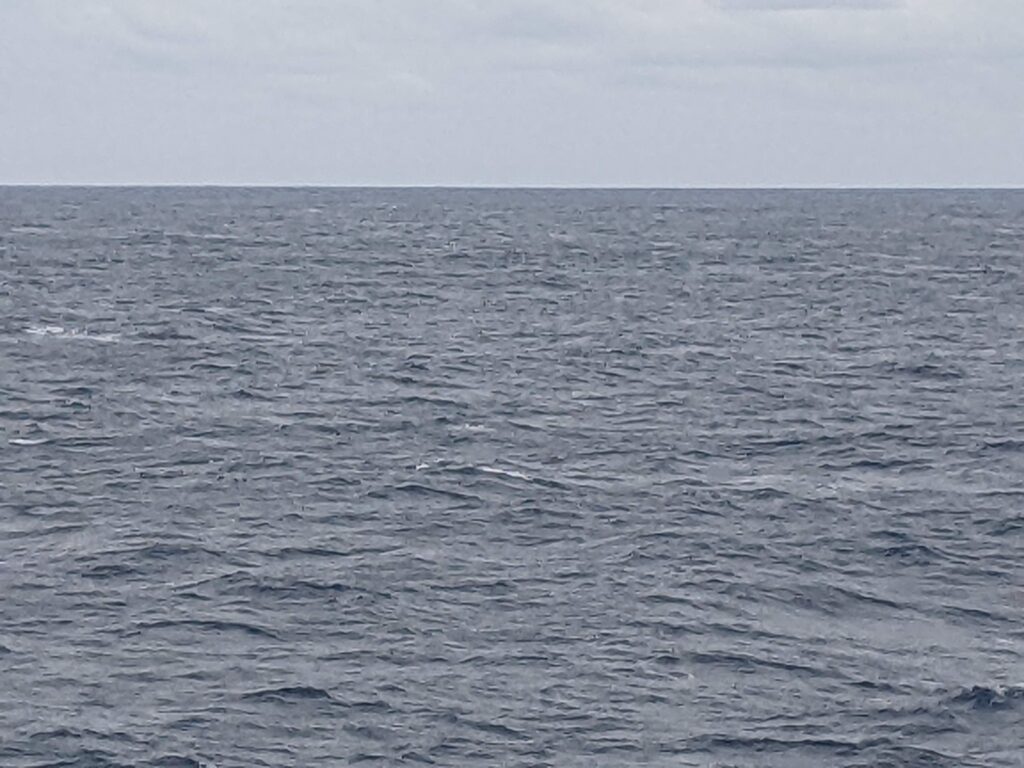
Our passage will take 36 hours. This is pretty good time, as I’ve read that it can take up to 48 hours if the sea is rough.
We’ve got this view for 36 hours
Tomorrow morning around 8 am, we’ll sight land on Cape Horn. We’ll then sail around the cape and arrive at Ushuaia at 8 pm, just in time for a final dinner reservation at one of the fancy restaurants on the boat. We’ll sleep on the boat and then head to the airport in the morning for the flight back to Buenos Aires. Most if not all of the guests will then head home, but we’ll be staying in Buenos Aires for another week so we can explore the city.
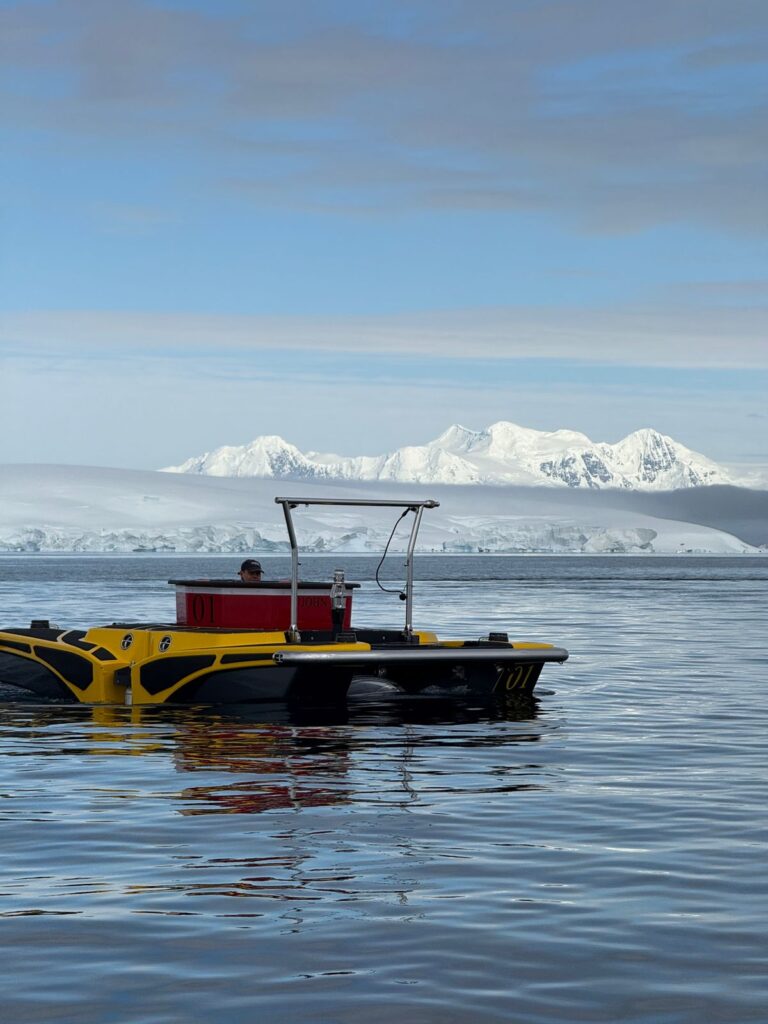
For every day that we were in Antarctica, there were excursions away from the ship – hikes on shore, zodiac cruises, special ops boat cruises, kayak paddling trips, submarine dives, and science zodiac cruises to gather info for the science labs. Here are some behind-the-scenes notes.
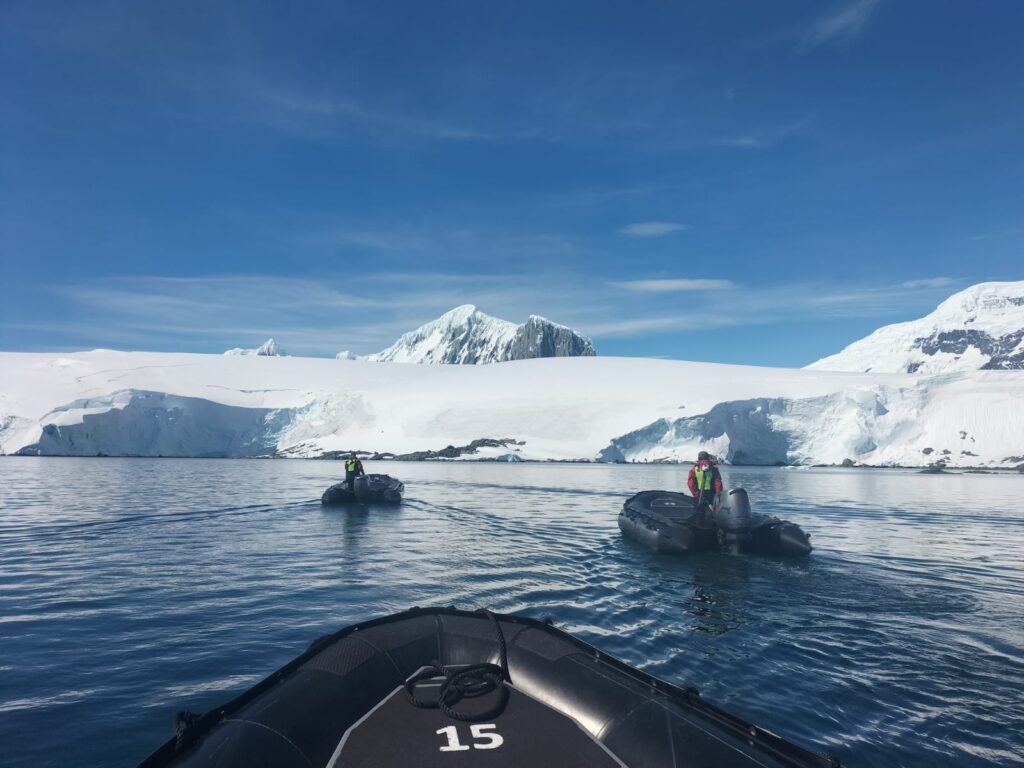
When we arrived at our venue for the day, the guides would go out an hour early in zodiacs, the special ops, and the dive boat to look around the area for things to see. The land guides would go on land to strike out our hiking paths.
Zodiacs ready to scout the area for the best tours of the dayGuides scouting a harborThe dive support boat looking for a good submarine spotSpecial ops and kayak guide scouting the area
We had to suit up for each excursion for cold and wet weather. In this photo I’m wearing rubber-and-neoprene boots, double socks, long underwear leggings, fleece-lined pants, waterproof overpants, long underwear top, base layer top, fleece pullover, puffy jacket, red waterproof expedition jacket, glove liners, waterproof gloves, neck gator, fleece-line hat, and sometimes sunglasses. The black life jacket goes on last. It takes a good 20 minutes to put on all of this gear.
So many layers of gearThe kayak trip required a bright green dry suit and a red life jacket due to a an increased risk of falling in the water
Most trips from the ship departed from the hanger level, and we had to stand in line to wait for our turn on a boat.
Waiting in the hanger for a boat
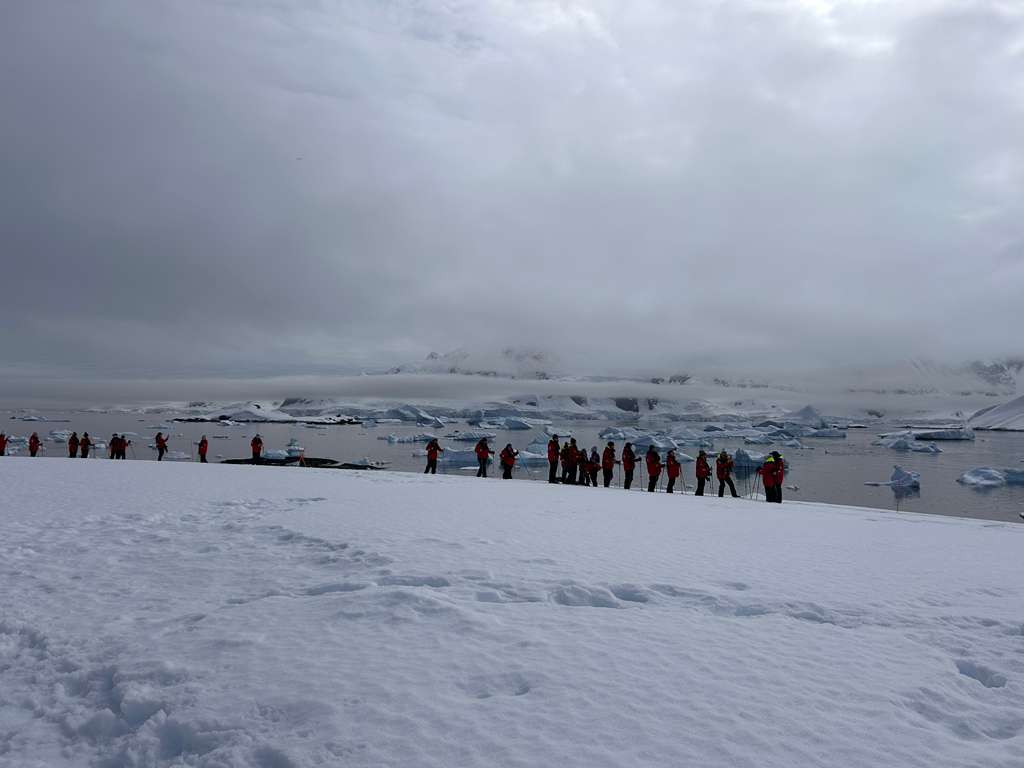
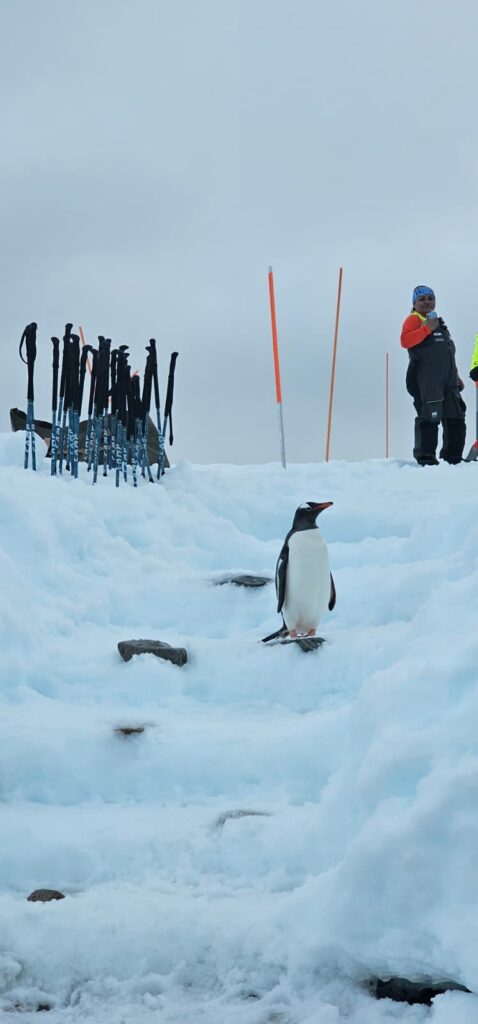
On the land excursions, we saw consistent things for each visit. Hiking poles, tons of penguins, orange poles to mark the trail, and snow steps on steep trails.
Hiking poles at a beach landing where the trail beginsWe saw so many penguins every dayOrange poles mark the limits of the walking trailsSnow steps carved into the trail on steeper slopes
On our trips, we had other guests beside us who were in a lot of our photos. It was hard to avoid other tourists.
On a zodiac cruise, trying to get a photo of penguinsThere was a traffic jam at the top to look at the penguinsGuides returning from supervising a land hike
There are strict protocols for biosecurity to prevent humans from tracking pollution and pathogens onto the land. All of our gear had to be scrutinized before we could go on land to make sure we weren’t going to harm the Antarctic environment.
Then, after taking an excursion, when we arrived back at the ship we had to be powerwashed and our boots had to be disinfected as we walked through a foot bath. It was quite the production.
Avian flu has arrived in Antarctica, and while it is harming the penguins, it is particularly devastating to the elephant seal population. This is why we have to take so many precautions when we come into contact with the natural environment.
The ship loaned us most of our outerwear. This morning, we had to put our boots out in the hallway for collection. The staff had to clean them and get them ready for guests on a future cruise. Even though the boots had been powerwashed on our feet, they are now investigated with magnifying glasses and little picks to remove debris and make sure the boots are totally clean for the next cruise.
Boots waiting for collectionStaff cleaning the boots in the hanger
All of this effort was worth it, though, to be able to explore the White Continent and have the experience of a lifetime.
Chad on a hikeSaw this with my own two eyes
We’ve been doing our best to protect all of Antarctica including these little guys:
We’re spending a total of 11 nights on this ship. There are 367 guests. Most are in their 60s, 70s, and 80s, but there are a few in their 30s, 40s, and 50s. Most seem to be married couples, but there are several mother-daughter and father-son pairs.
There are 265 crew from 40 countries. This might seem like a lot of staff, it takes a lot to keep everything running. Deck officers in charge of navigation, engineers, outdoor maintenance, cooks, dishwashers, dining room servers, housekeeping, expedition guides, guest services, laundry, IT, and others.
Compare this to the largest cruise ship on the water today which can hold almost 10,000 people – 7,600 passengers and 2,350 crew.
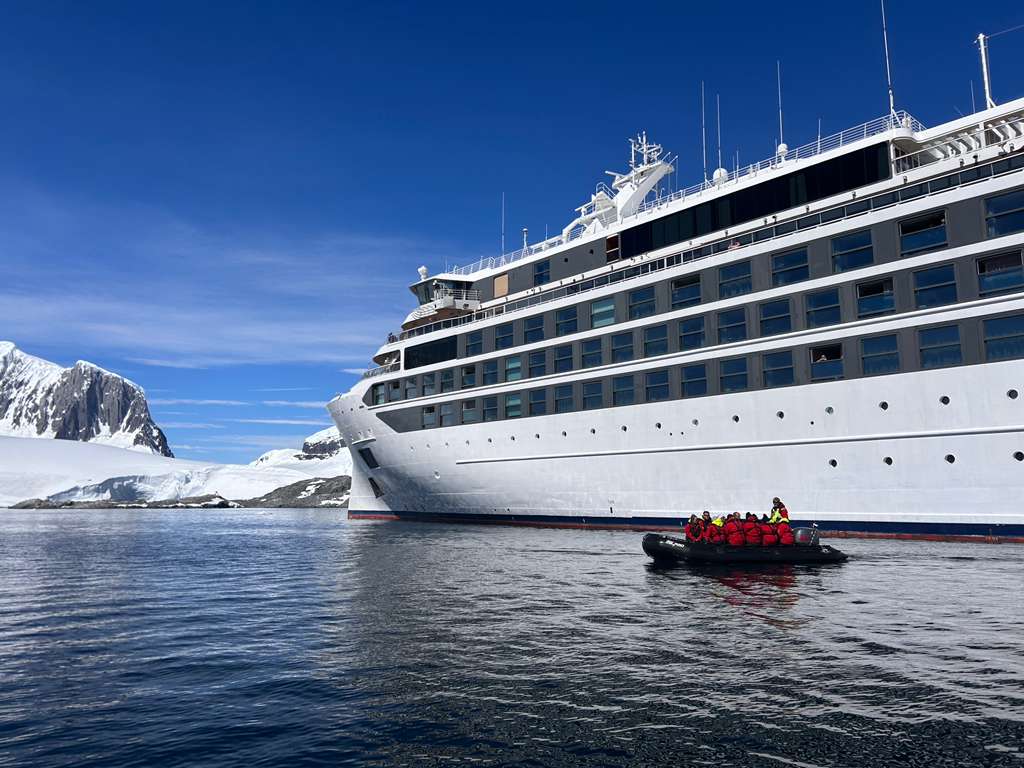
The ship was built and launched in 2021. It is the largest, most powerful expedition vessel on the market, and it was purpose-built to navigate the Great Lakes and the Antarctic. During the summer season in the southern hemisphere, it travels to Antarctica, and during the summer season in the northern hemisphere, it travels around the Great Lakes.
The ship has six levels plus a hanger at the bottom where the zodiacs, kayaks, special ops boats, and submarines are kept. On of the things that distinguish this ship from other cruise ships is the hanger. I saw another cruise ship yesterday that had to use a winch to haul zodiacs out of the water and up onto the top deck for storage. The other things that distinguish this ship from other cruise ships are the lecture auditorium, the special ops boats, and the submarines.
The Viking Octantis – the black areas at the water level are the entrances to the hangerOne of the life boats being taken for a test driveA peek inside one of the life boatsThere is a large art program with works all over the ship – these are prints of paintings by James AudubonThe corridor to our room on level 3 – we all had to put our boots outside last night so the staff could collect them and clean them
We reserved a basic cabin which has been a perfectly nice size with a king bed, a desk, and a little sofa area. Plus there is a large picture window that opens so you can hear the ocean and take photos of penguins, icebergs, and landscape passing by.
The cabinet with the glass door is a drying cabinet for wet clothes – it has a heater and a fan in itI’ve spent hours in our little sitting area watching wildlife and the sceneryOur picture window opens so you can hear the waterThe window has a blackout shade so you can sleep in darkness since the sky doesn’t get completely dark at night – it is 10 pm in this photoOur little bathroomOur little bathroom has heated floors
There are six restaurants on board. Four are buffet. World Cafe has a new line-up every day with a meat carving station, various vegetables and rice dishes, salad bar, and pizza station. There is a sushi bar, a grill with burgers and steaks, and Mamsen’s which serves typical Norwegian fare. There is a bakery that makes fresh bread, cookies, muffins, and desserts all day long. There are also two sit-down restaurants which require reservations and which we’ve saved for the end of our trip to celebrate in style.
Seating area near the sushi barBreakfast at Mamsen’sBreakfast at Mamsen’sEating breakfastLast night there was a cheese tastingI have eaten so many cookies on this tripThere are coffee and tea stations around the shipToday’s lunch featured a dessert buffet, heavy on the chocolateThere was also a fruit buffet at lunch
Altogether, the food has been really good – fresh, interesting, multi-cultural, and catering to all diets.
My typical breakfastToday’s lunch, steamed veggies, pickled beets, and carrots – not pictured, the cheese pizza, tempura vegetables, and caesar salad I had as an appetizerLunch at Mamsen’sOpen-faced sandwich at Mamsen’sGrilled fish, steamed veggies, kidney bean salad – not pictured, jalapeno poppersSushi, marinated clams, cucumber saladSauteed fish, asparagus mousse, edamame
The ship has a lecture hall which hosts the daily briefings, science lectures, films, and other presentations. There are also other learning experiences around the ship.
The AulaLife-size replicas of common antarctic birds
There is a spa, fitness center, and hair salon. The pool area has a dry sauna, steam room, outdoor hot tub, a bucket shower that dumps cold water on your head, an “experience shower” that blasts water at you from all directions, and a snow grotto which is a shower that snows on you. For real.
The pool roomAt the poolSnow shower!
In addition, there is a gift shop, a travel consultant where you can book more Viking trips, Excursion Central where you can talk to guides and scientists, a “business center” which has a couple of laptops for guest use, and of course, guest services where you can get all sorts of things taken care of. There are also laundry facilities which have come in handy since we’re traveling for 3 weeks.
There are various lounge areas, libraries, and bars scattered around the ship where you can relax, watch the scenery pass by, read a book, work on a puzzle, have a cocktail, and meet other guests.
The Living RoomA gingerbread village was just set up in the Living RoomThe Explorers’ LoungeIn the Explorers’ LoungeView from the Explorers’ LoungeA seating area tucked away in a little nook
And don’t forget the outdoor decks on various levels which are great for whale watching, sunsets, exercise laps, personal reflection, and ship-wide parties.
On the bowOn the sternOutdoor seating areaLunch al fresco
Viking has created an amazing environment on this ship which allows for relaxation, intellectual growth, and holy-cow experiences. I would do this trip again in a heartbeat.
It is Wednesday, and today was our last day of excursions. We spent a full day moored at Danco Island in the Errera Channel. The island is 1 mile long and 0.3 miles wide, and it has the largest penguin colony that we’ve seen on this voyage. There are hundreds of penguins here!
Penguins up the mountainView of Danco Island from the shipThe trail zigzagged up the mountain
Our zodiac excursion took us to a rocky beach, and there were penguins there to greet us. In fact, one started to waddle towards me, and I had to back up to maintain my distance as it came within five feet of me.
Penguin greetings!Other beach birds
From there we zigzagged up the mountain. At the top of our path, there was a large area with penguins roosting. There were a couple of penguins highways that went from that roost area to others higher up the mountain. It was so cute to see the birds waddling through the snow to go from one place to another.
Snow steps up the mountainThere was a traffic jam at the top to look at the penguinsI like the penguin in the center of this photo lying on her nest while her mate stands next to herTraveling on a penguin highway up to higher groundAnother traveler
As we walked back down the mountain, we saw penguins taking highways from the roost area down to the shore to go feed in the water.
Heading back down the mountainChad on the switchback below me – there were orange markers to keep us on the trail, penguins in the backgroundPenguins traveling on penguin highways between the beach and the roost up the mountain
We did see a couple of empty egg shells where predator birds had eaten the babies. We also saw a few penguin skeletons where seals had been feeding. Circle of life.
An empty egg shellA penguin skeleton
As we rode the zodiac back to the ship, we encountered huge groups of penguins feeding on krill in the bay. I also got a great video of several penguins flying through the air in from of our zodiac. They are like porpoises that fly up out of the water and then dive back in.
View from the ship of a raft of penguins feeding on krill, maybe 50 birds togetherView of another raft of penguins next to a special ops boat
The ship started out of the bay at 5 pm and is heading to the Drake Passage. We will pass the 60 degree latitude and officially leave Antarctic waters at 9 pm. It’s a bittersweet moment. It’s been such an amazing week down here, and I’ve seen and experienced things I never expected when we booked this trip.
As we enter the Drake Passage later this evening, it seems that we will get the Drake Lake again. We have been fortunate with great weather on this trip, and it appears that the Gods of Calm Water will be with us again.
We’ll spend the next day and a half traveling 544 nautical miles on the open ocean and will arrive in Ushuaia on Friday.
And just as I was about to publish this post, three whales swam by to bid us farewell: