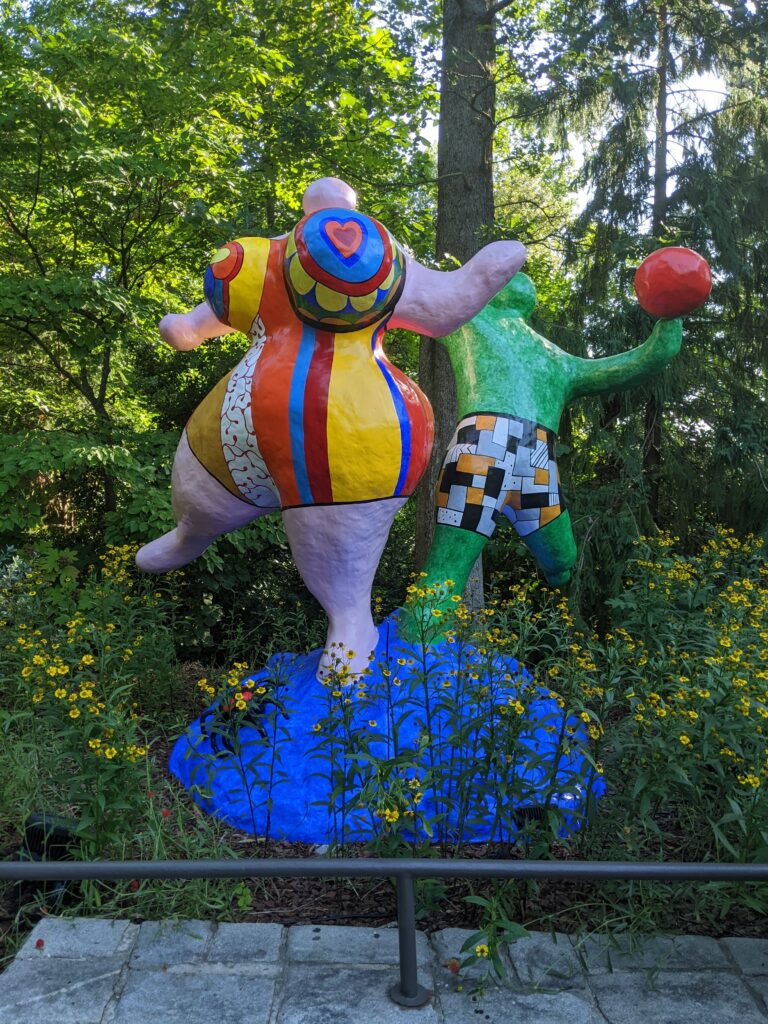
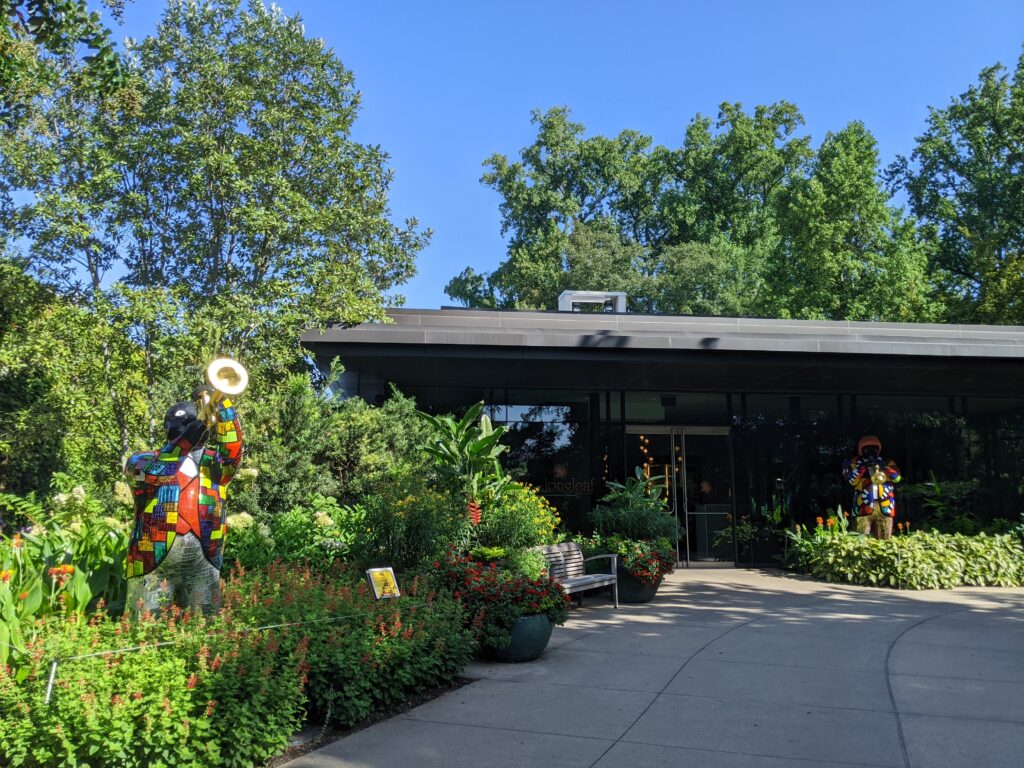
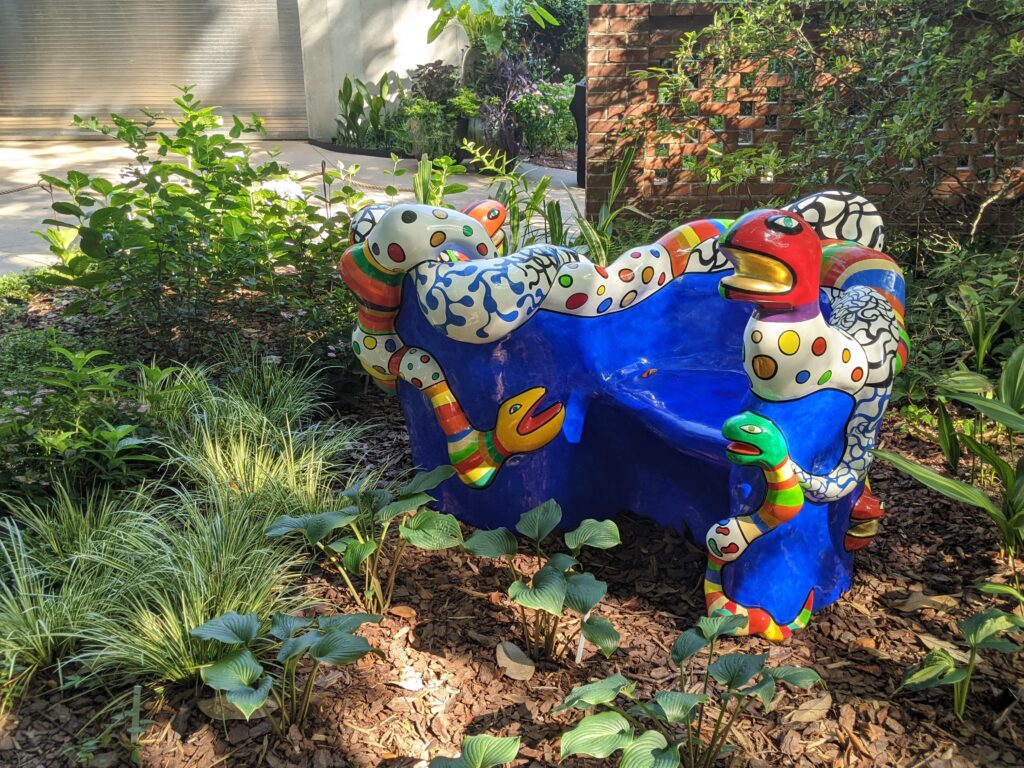
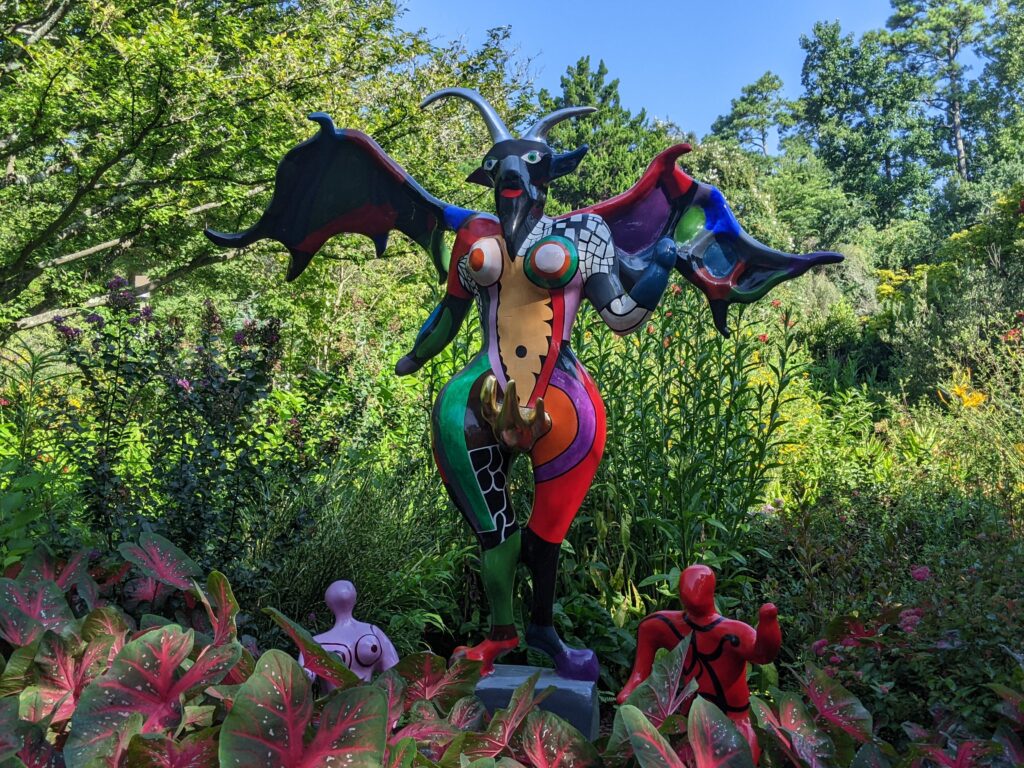
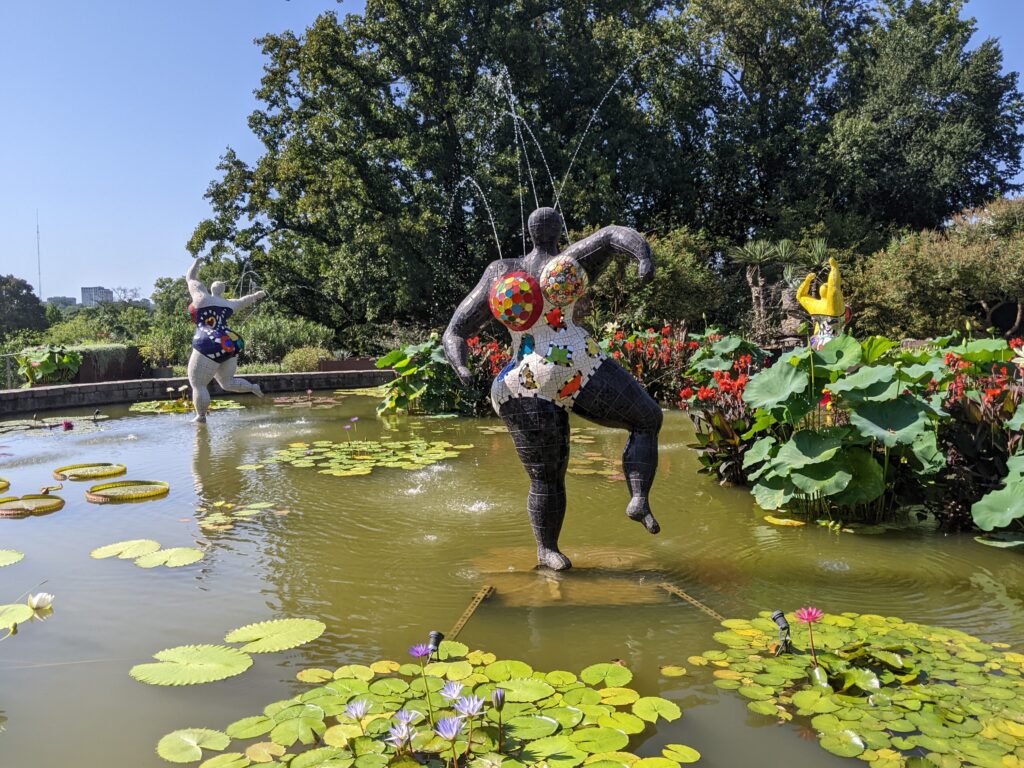
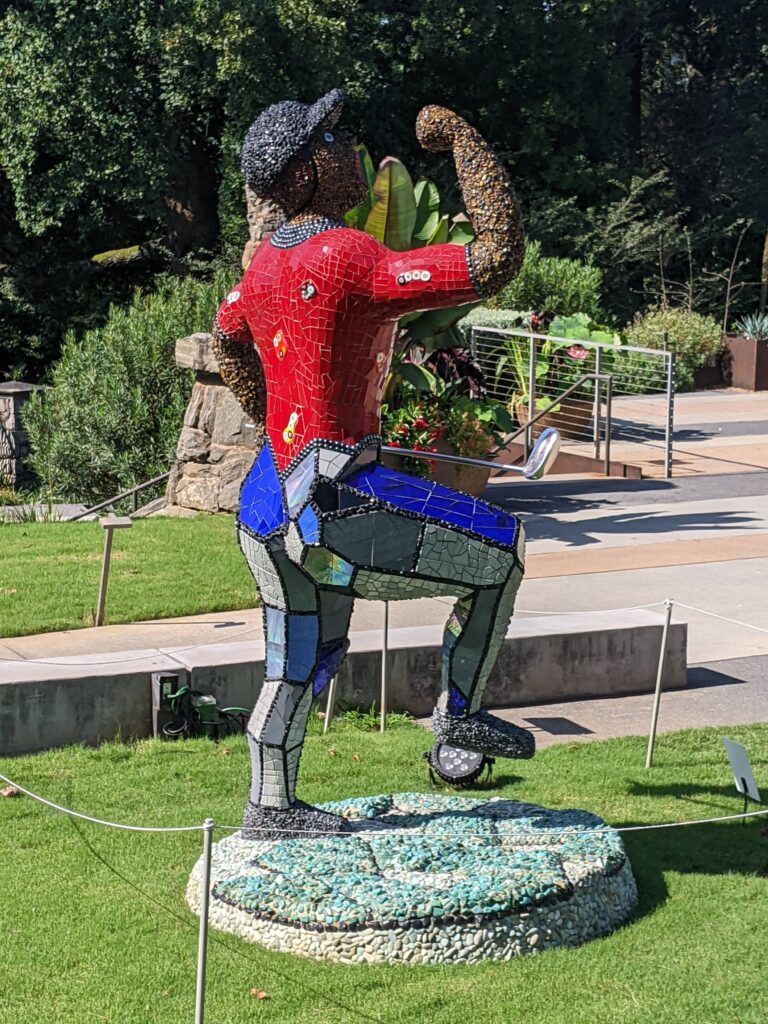
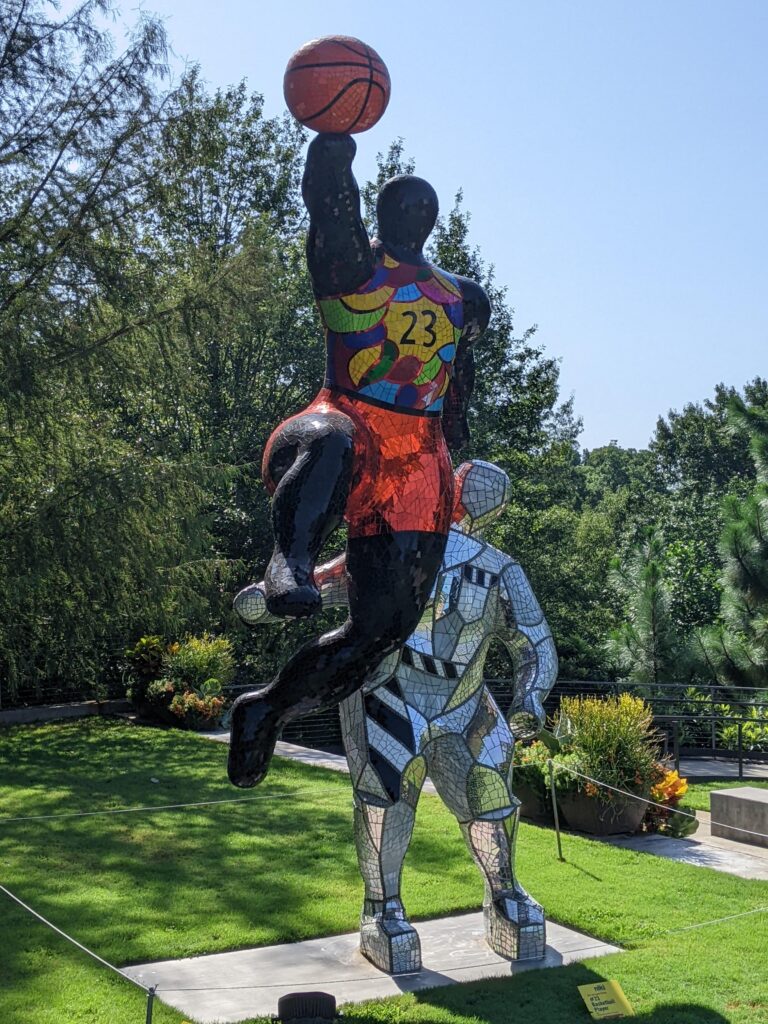
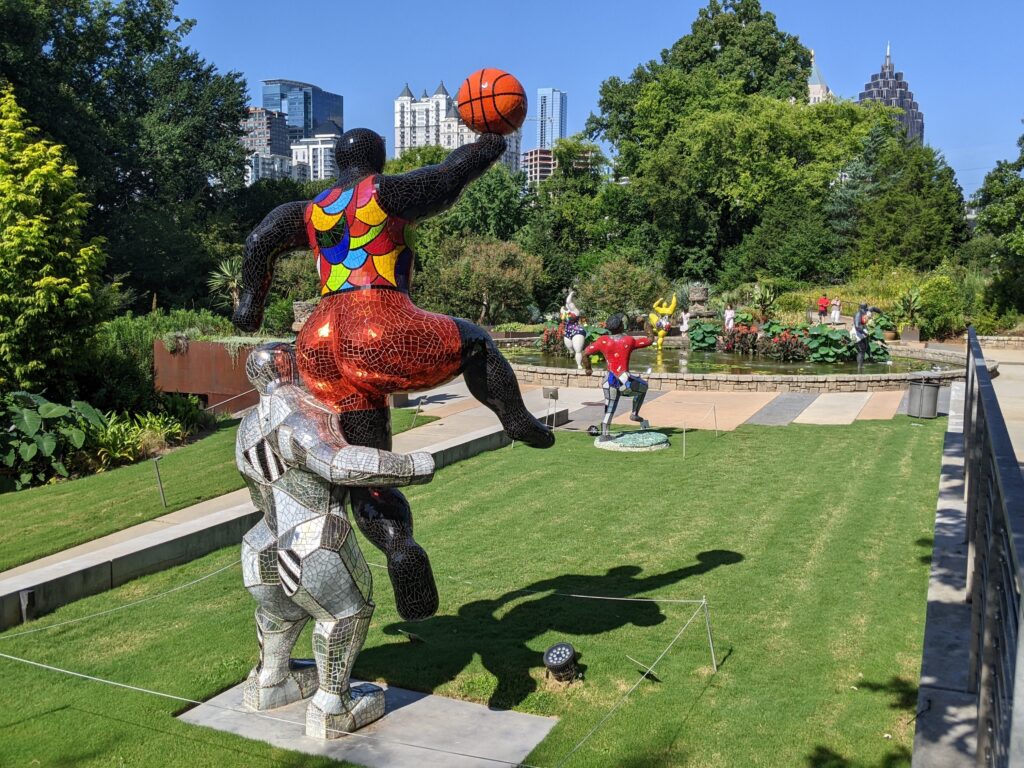
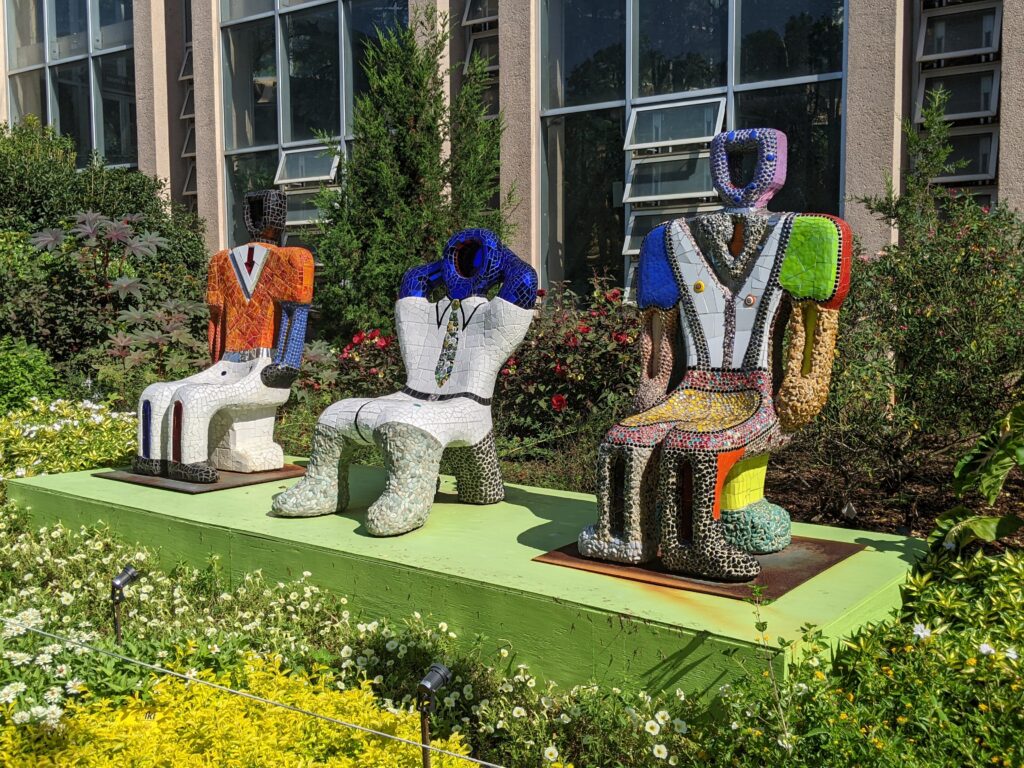
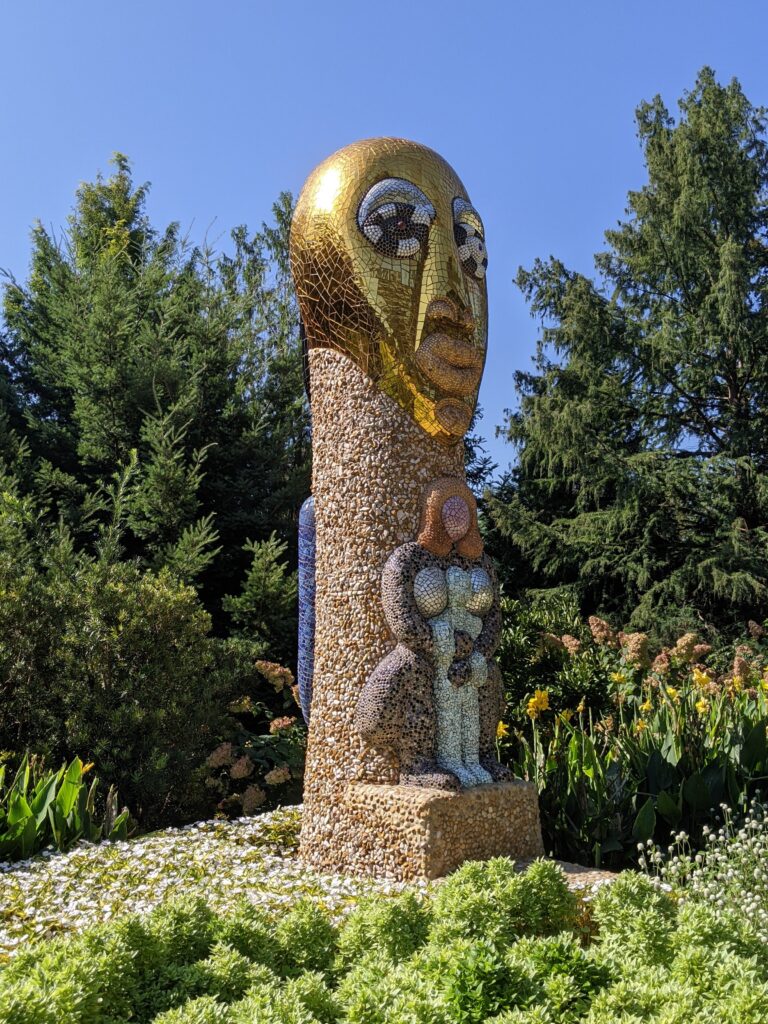
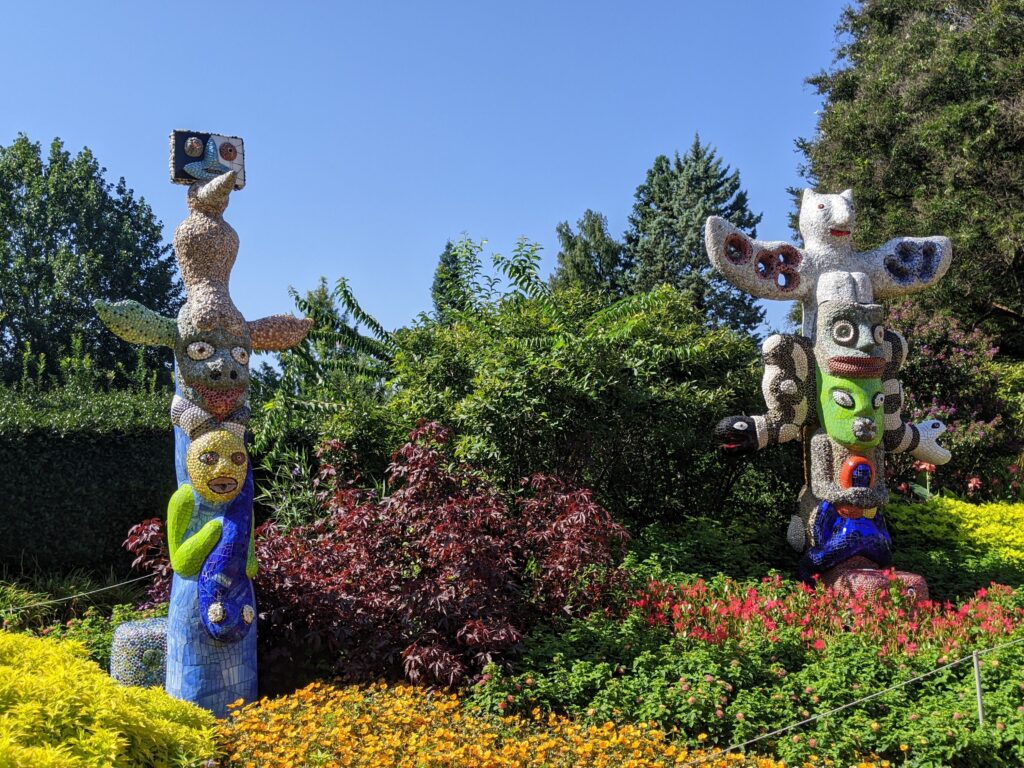
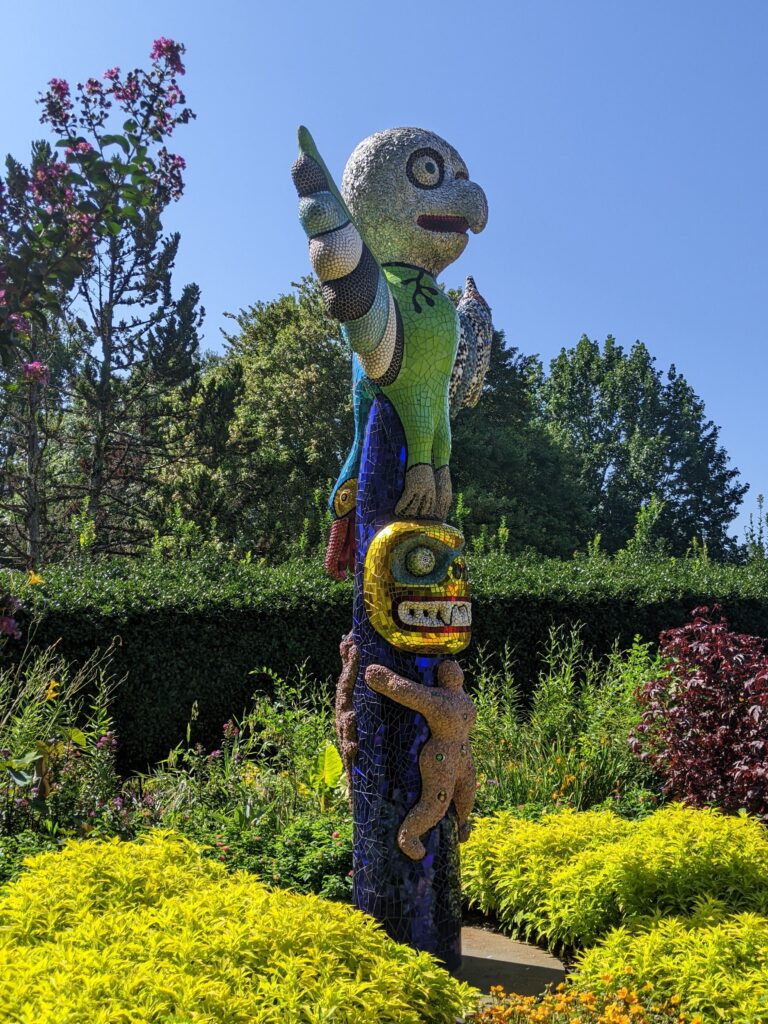
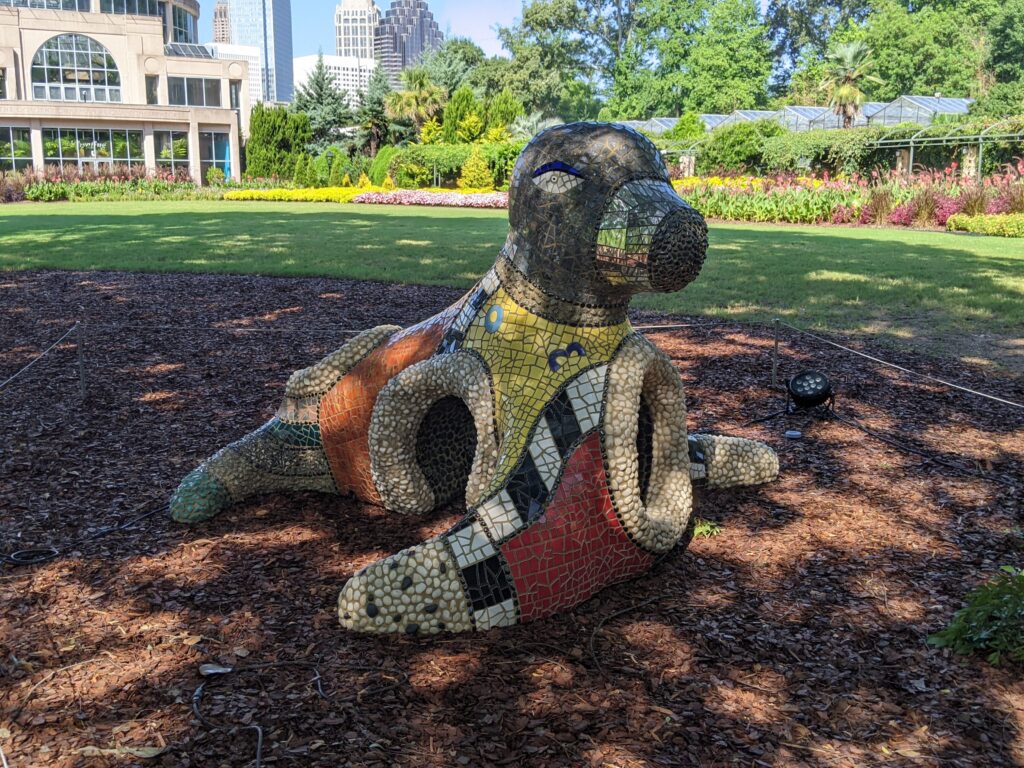
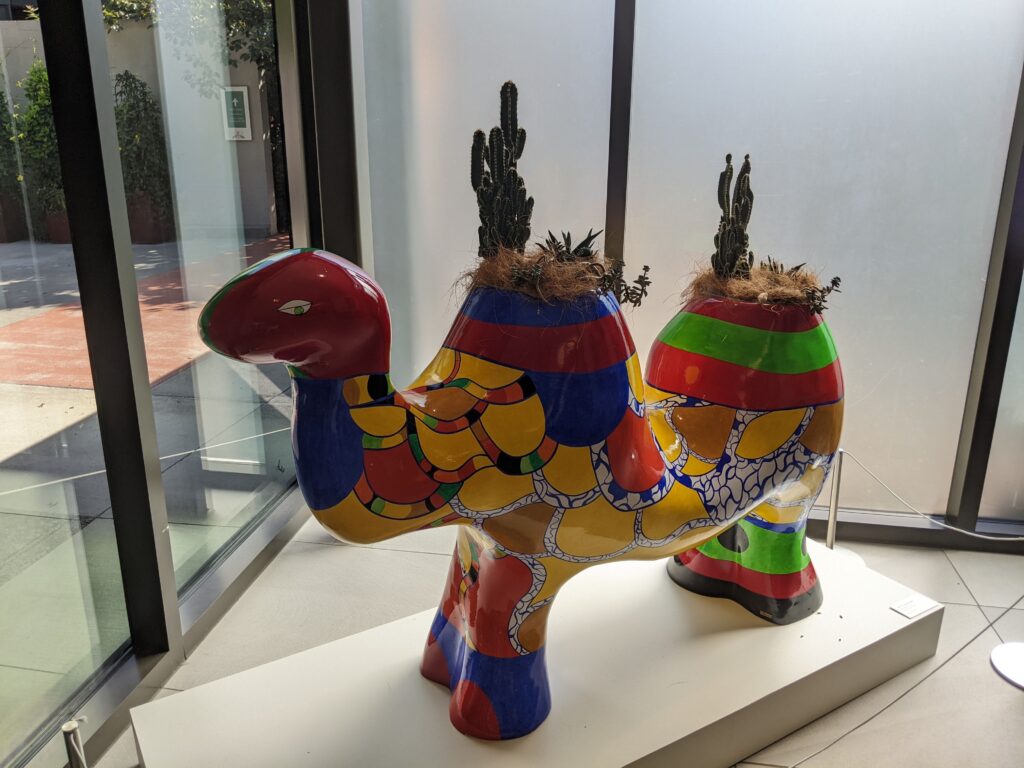
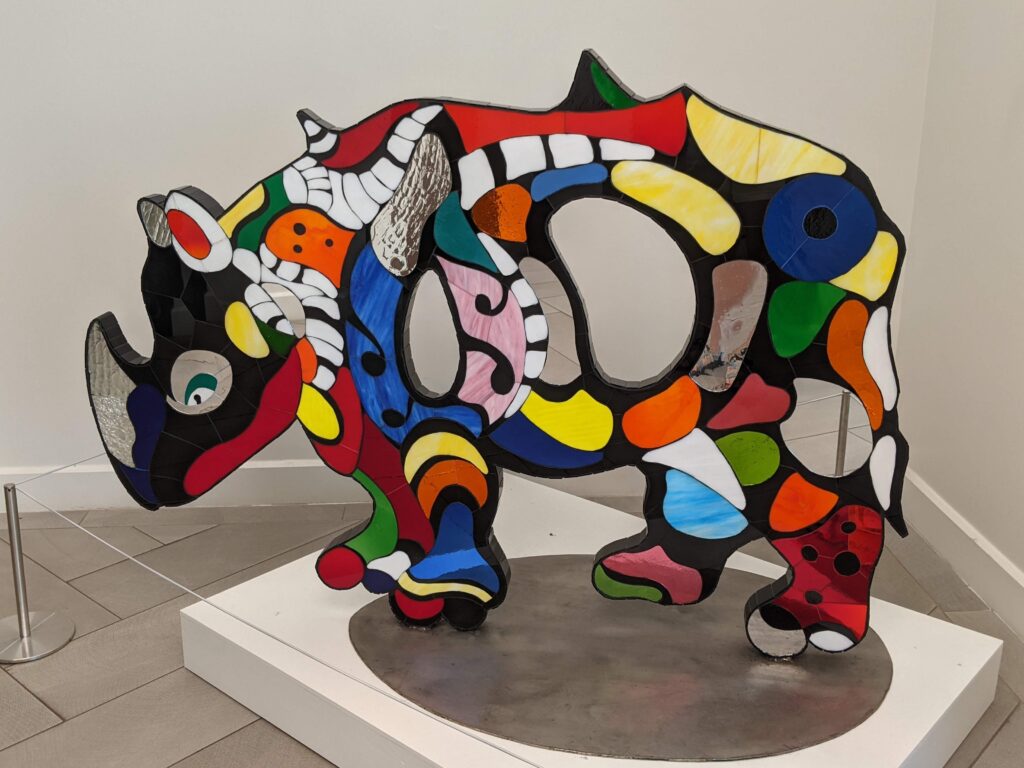
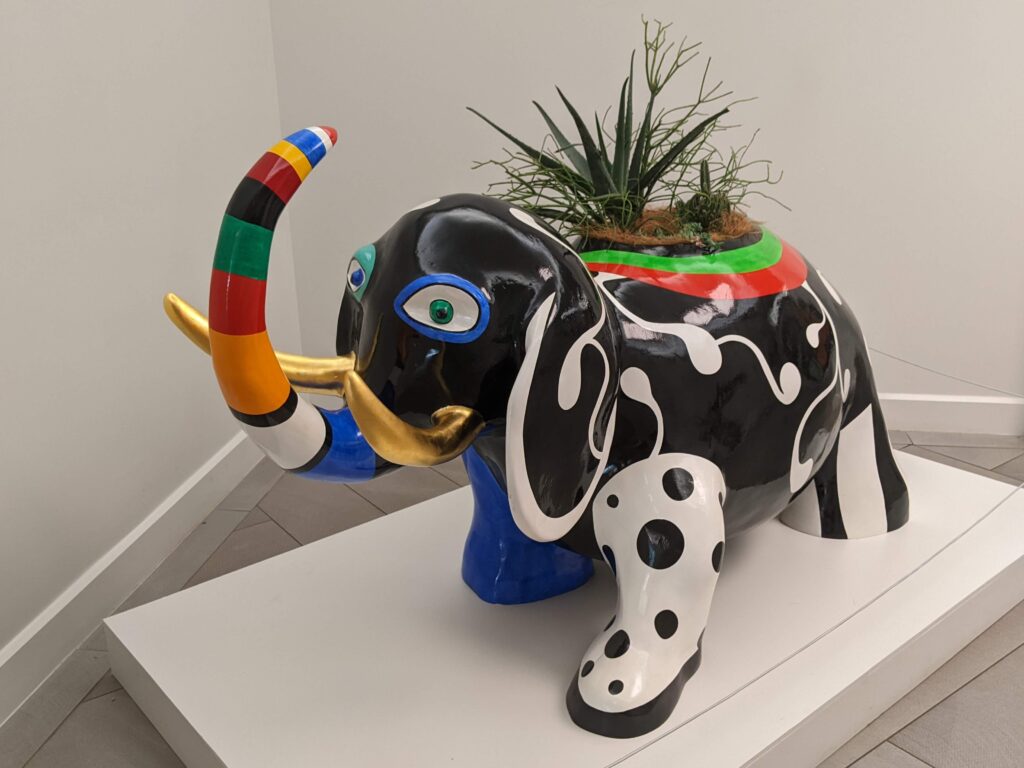
Every summer, the Atlanta Botanical Garden features one particular artist with installations around the property, and it’s always interesting to see the art in the context of the garden environment. This year, the featured artist is Niki de Saint Phalle. Her works on display are full of energy, movement, whimsy, and joy.
The Niki Charitable Art Foundation has this to say:
Born Catherine Marie-Agnes Fal de Saint Phalle in 1930, she was known to family simply as “Niki.” She was, by every measure, a rebel. Raised in an upper-class French-American family with rigid expectations, she eloped at 18 with her childhood friend to escape their control.
In 1953, she suffered a nervous breakdown, and it was during her hospitalization that friends encouraged her to try painting as a path toward healing. That small act of creative recovery changed everything. Though she had once dreamed of acting, Saint Phalle chose art – and art, in turn, chose her. With no formal training, she forged her own path, associating freely with the era’s most experimental artists, writers and composers.
Her art was never quiet. She used bold color, raw emotion and fearless scale to push back against a minimalist art world that had little room for joy, or for women.
She became best known for her “Nanas” – voluptuous, exuberant figures of women rendered in fiberglass, resin, mosaic glass and mirror that seemed to dance rather than stand still. Animals, mythical creatures, totems and sports heroes populated her world as well. One of her greatest life’s works, the Tarot Garden in Tuscany, is a sculptural landscape inspired by tarot cards – a surreal, walk-through universe she spent decades building.
Saint Phalle, who died in 2002, believed that connecting with the natural world was essential to the human spirit, and she created sculpture gardens and outdoor exhibitions across the world to prove it. But here, among the blooms and canopy of the Atlanta Botanical Garden, her work lives on, as joyful as ever.
I was really looking forward to seeing this summer’s installation, and it did not disappoint. I found myself inspecting one sculpture and then spying another across the way and rushing over to it to inspect that one. I originally thought that I would just post a few photos of some representative works of art, but you know what? No. I decided to post every photograph, and I’m pretty sure that I took a picture of every piece of Niki’s art that was on display. Each work of art gave me a sense of wonder and, indeed, a sense of joy.
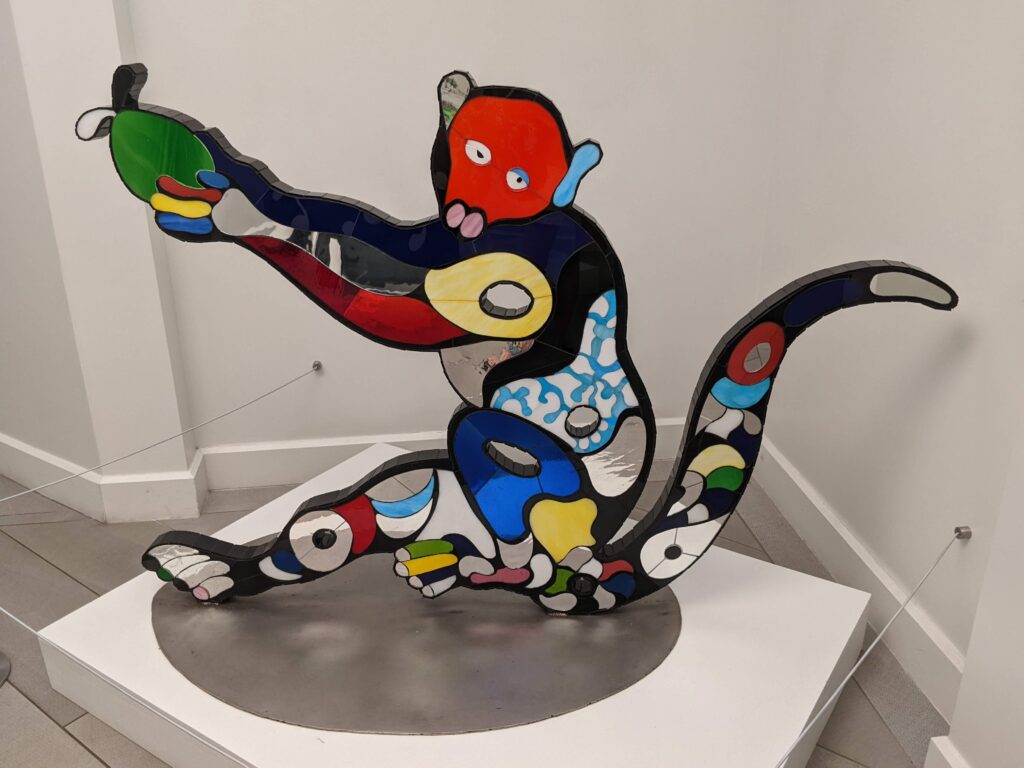
Les BaigneursLe Temple IdealLe Temple IdealLouis Armstrong and Miles Davis in front of the Longleaf Restaurant in the gardenLouis ArmstrongLe BancLe Grand DiableLes Trois Graces FontaineGolf Player (can you guess who this is?)#23 Basketball Player (can you guess who this is?)View of #23 Basketball Player with Golf Player, Les Trois Graces Fontaine, and the Midtown Atlanta skyline beyondThree sculptures, each titled Chair (Homme)The ProphetGrand Step TotemLarge Yelling Man TotemKingfisher Totem and Cat Head TotemBird Head TotemSealOiseau AmoureuxLe Banc des GenerationsGrand Chameau VaseGrenouilleRhinoceros PlatGrand Elephant VaseSinge a la PommeNoah’s AnimalsArbre Serpents
“I used to think there was a need to provoke, to attack religion, and the generals. And then I understood that there is nothing more shocking than joy.”
When I went to the Abbott family reunion, I took advantage of the fact that I was flying into Baltimore and arrived early so I could spend the afternoon at the National Aquarium. I love going to aquariums. The animals are always fun to see, of course, but it’s also interesting to see how the exhibits are designed and how the building architecture is organized to support the visitors’ experience.
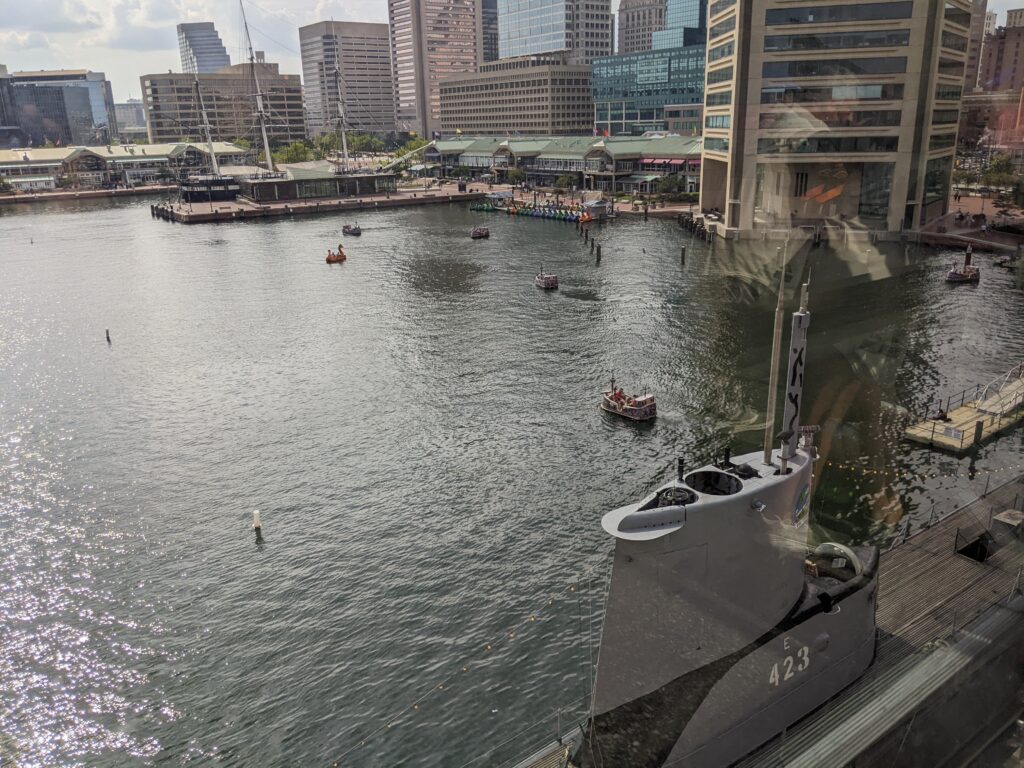
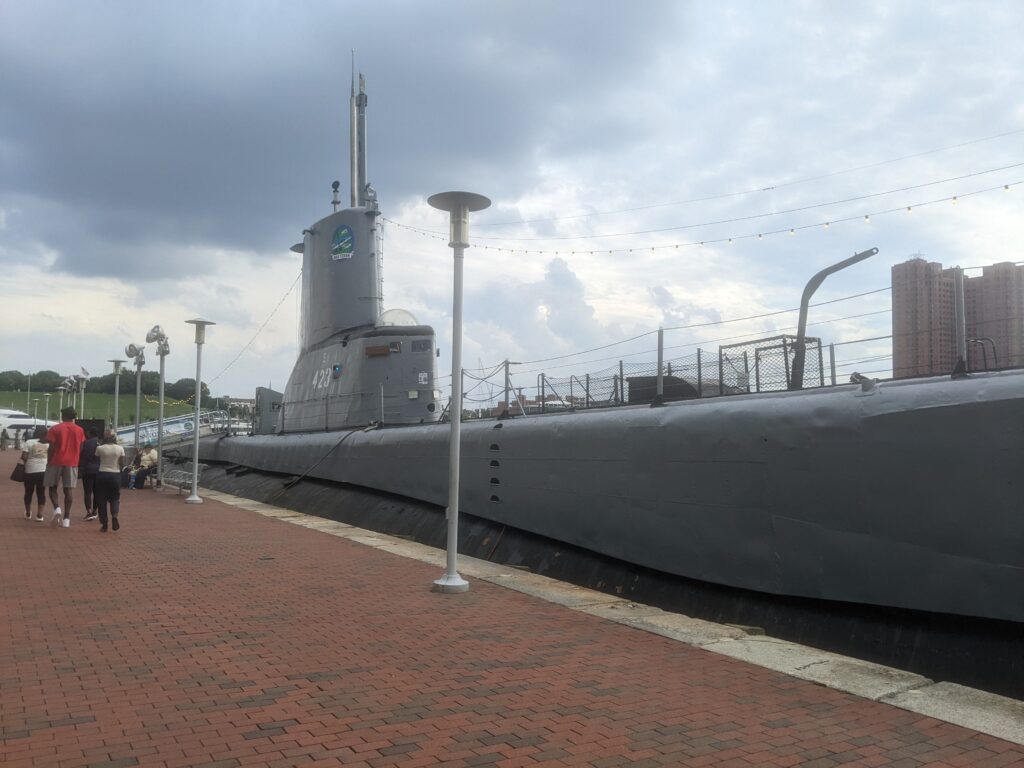
The National Aquarium is located on two piers in the Baltimore inner harbor. The aquarium is in a very touristy part of the city, and neighboring attractions include an immersive Titanic exhibit, a WWII submarine that you can tour, paddle boats for rent, and city parks to rest your weary feet. Plus lots of restaurants and bars, of course.
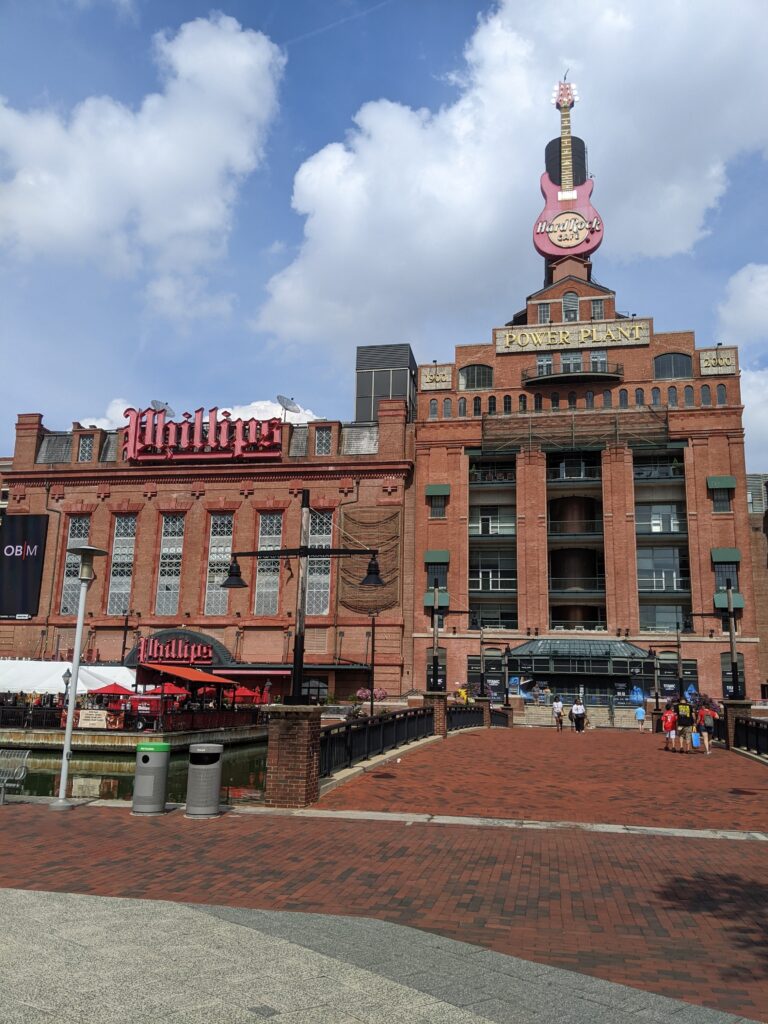
A view of the inner harbor with paddle boats, well, paddling aroundThe submarine on tourAdaptive reuse of an historic building into restaurants on the inner harbor
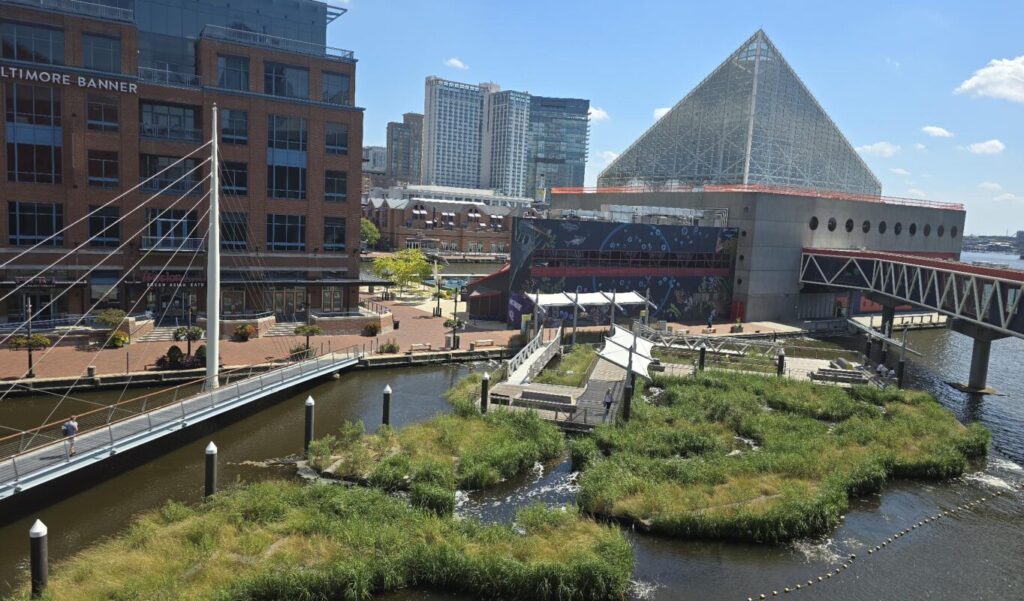
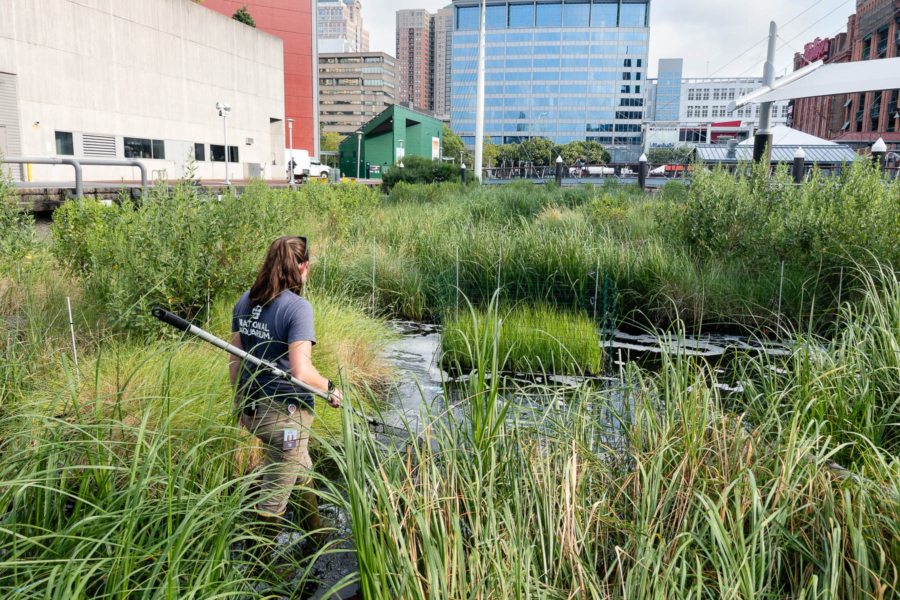
The area between the two piers of the aquarium is the Harbor Wetland, a recreated salt marsh exhibit constructed directly in the harbor. It recreates a marsh environment like those that existed in Baltimore hundreds of years ago. This new salt marsh is so successful, native species have already moved it and made it their home.
A view of the constructed wetlands exhibit – the pyramid building beyond is the other wing of the aquariumUp close and personal with the wetlands exhibit
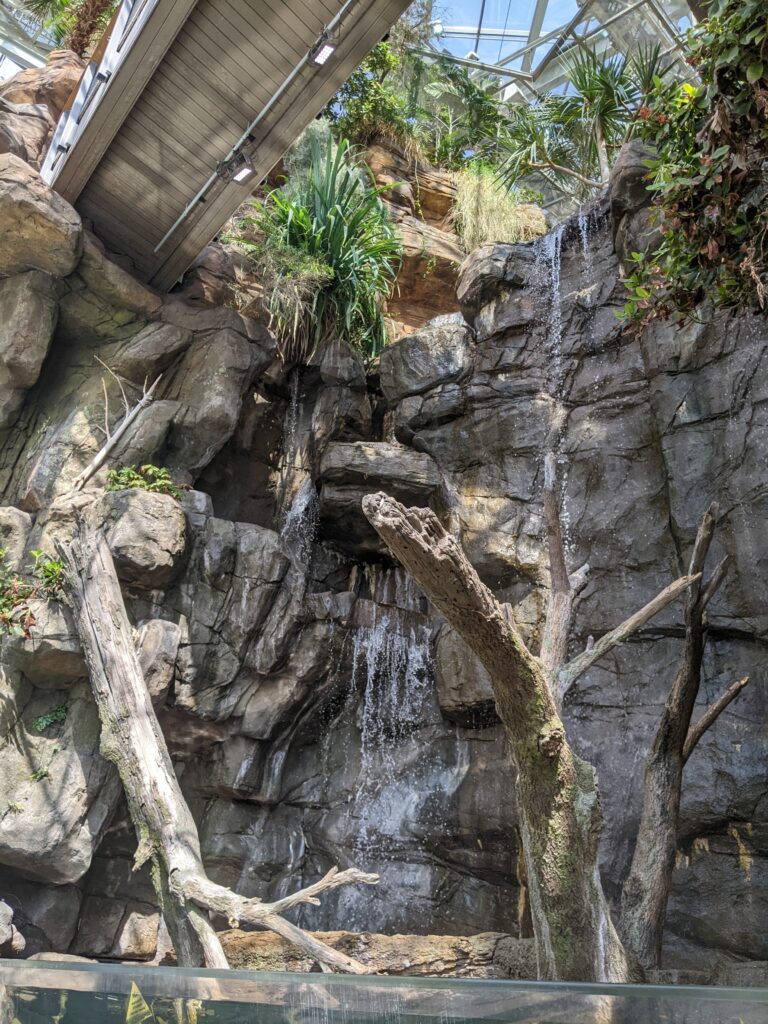
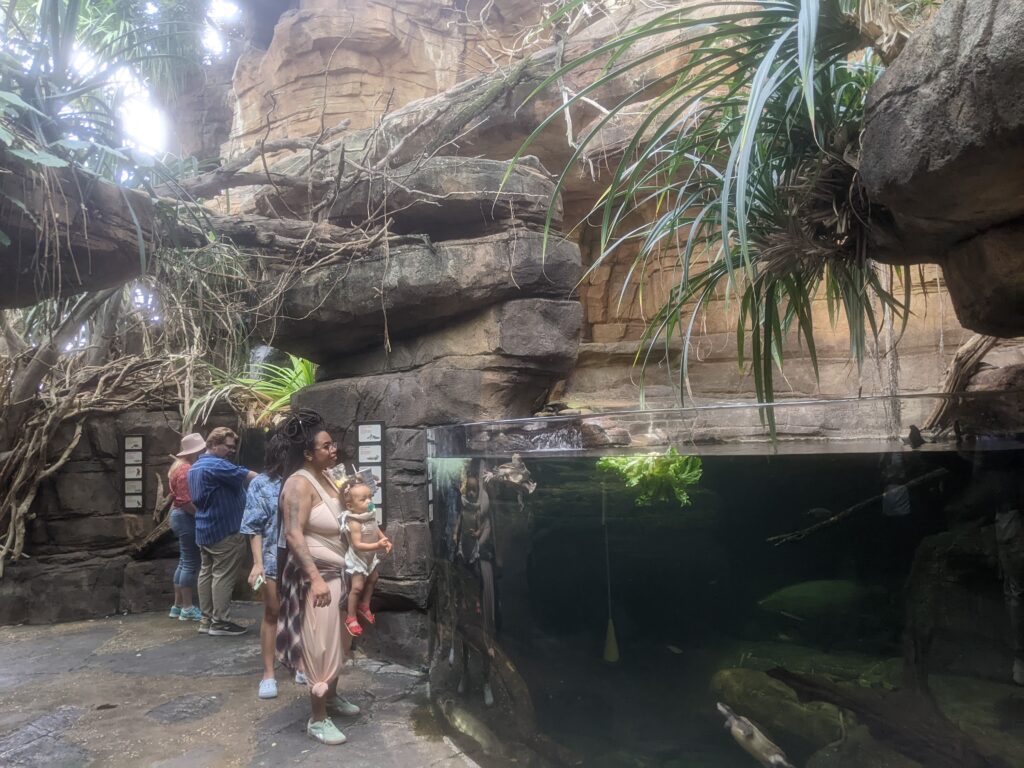
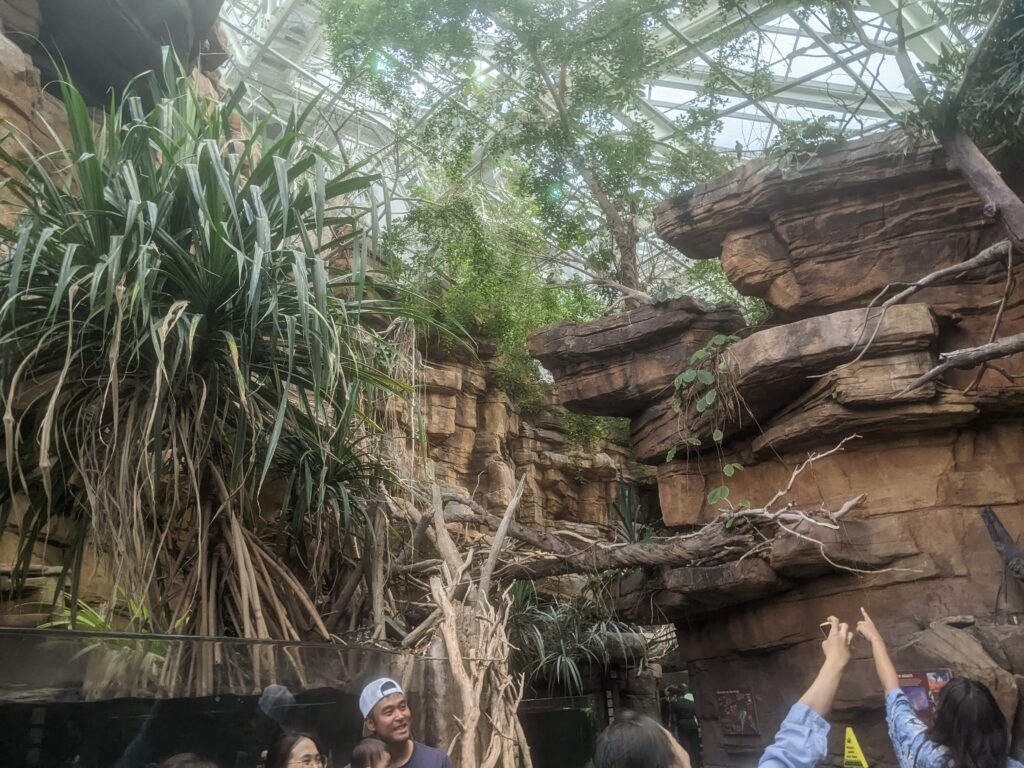
The main entry to the National Aquarium leads you into the Australia: Wild Extremes exhibit. This exhibit is enclosed with glass walls and a glass roof, so it is very light and bright, a real contrast to most aquarium exhibits which don’t have any windows. The exhibit includes crocodiles, turtles, fish, birds, and other reptiles.
The main entryThe Australia exhibitAnother view of the Australia exhibit
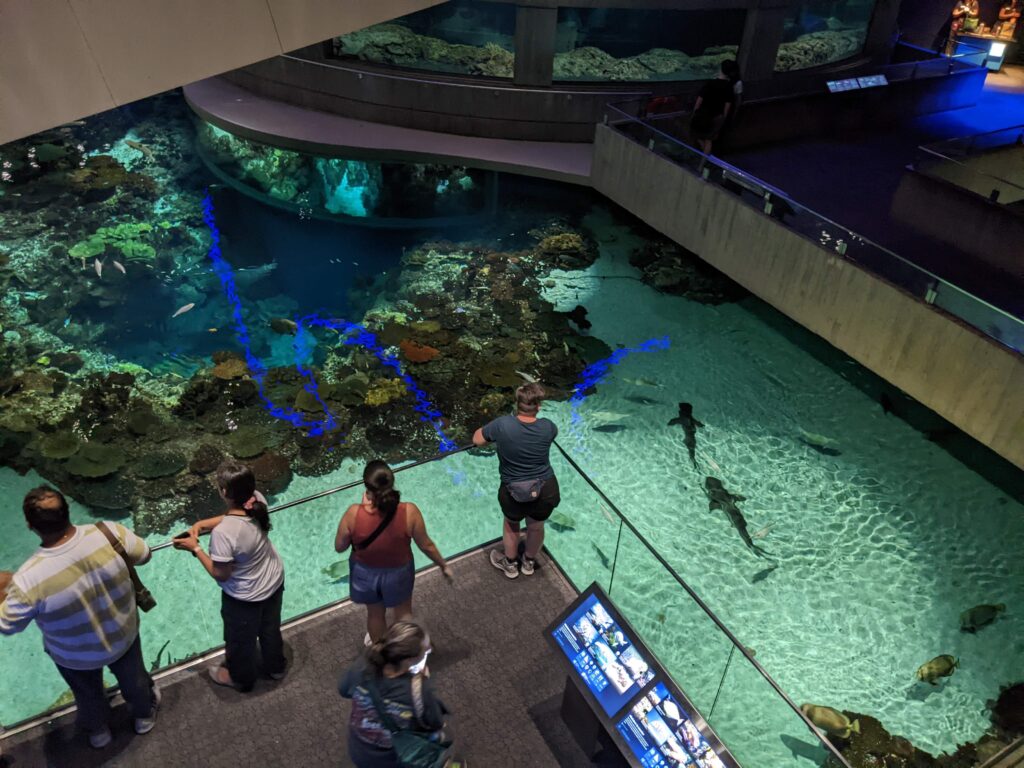
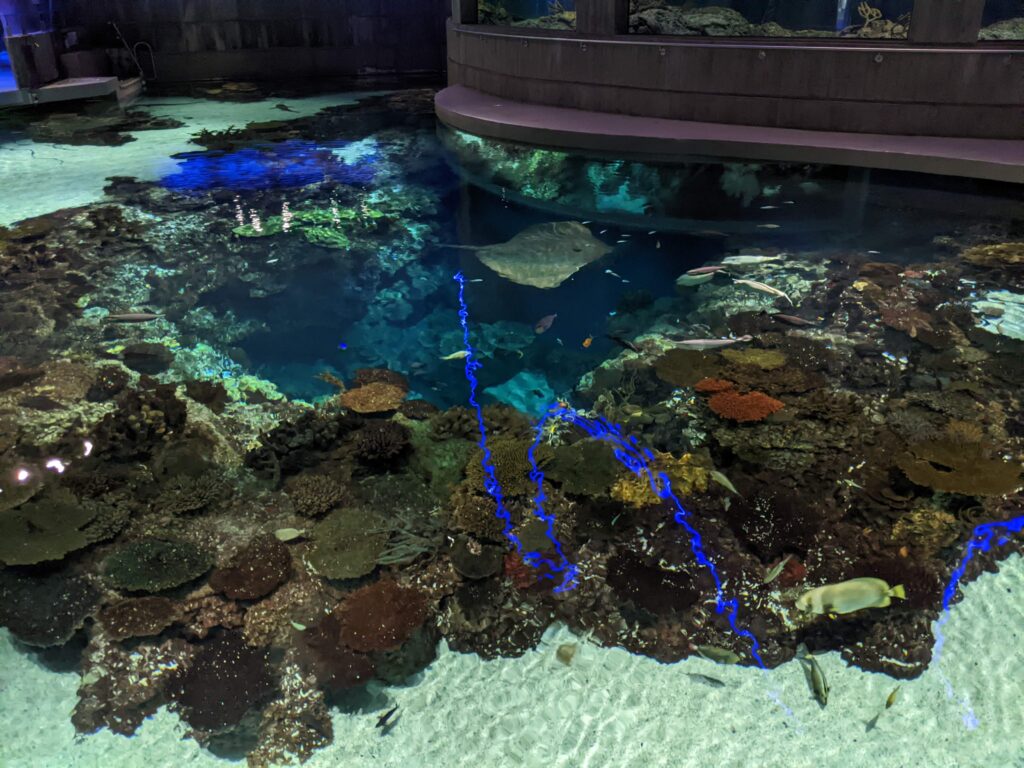
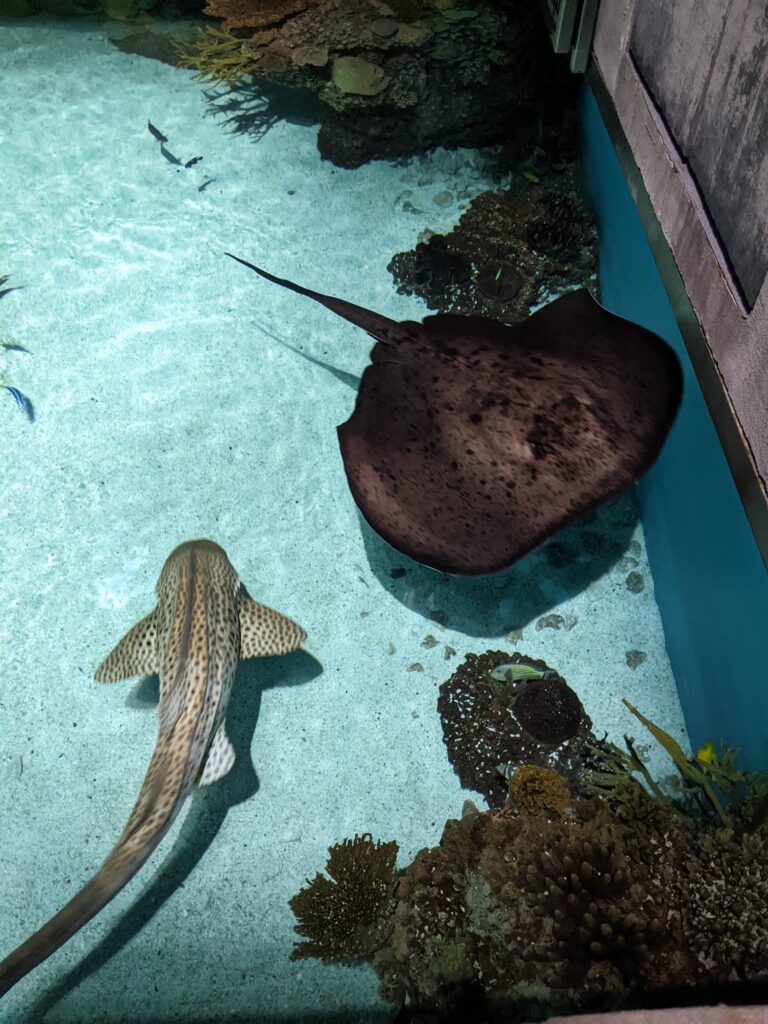
The central atrium was the most surprising space to me. It’s 4 or 5 stories tall with ramps criss-crossing the space as you go up, so you can view the pools and tanks from various levels. The coolest thing, though, was the size of some of the animals in the shallow pool on the bottom level. The rays were huge! I’m guessing 4 to 5 feet across. There were also several sharks and plenty of fish swimming around.
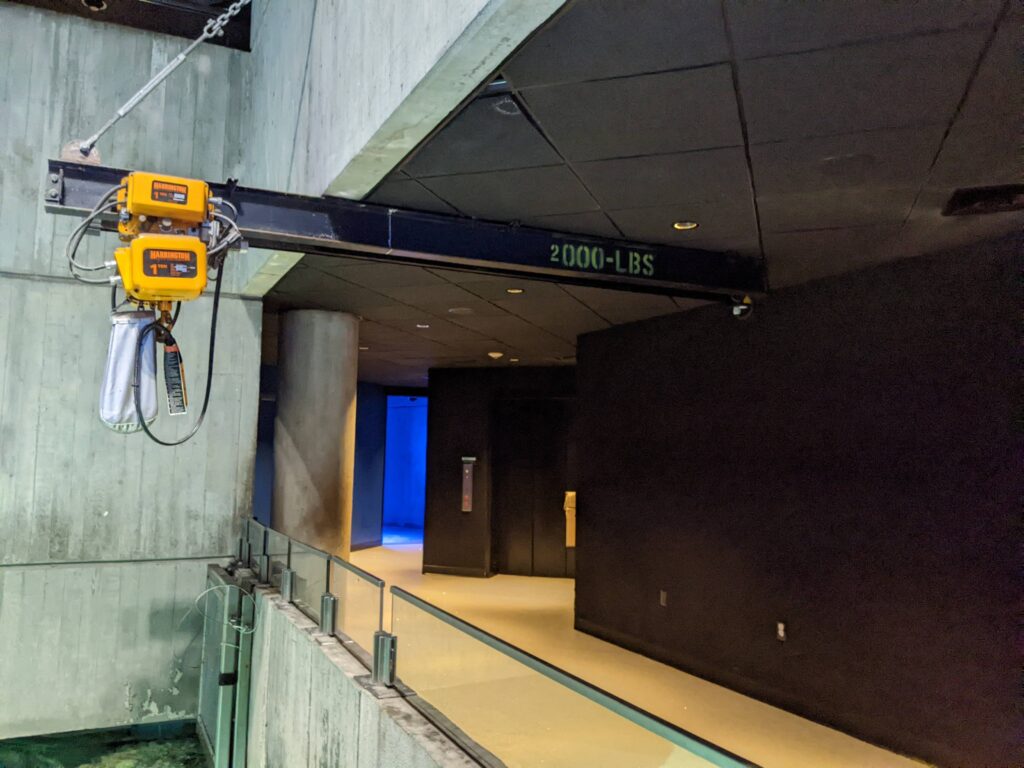
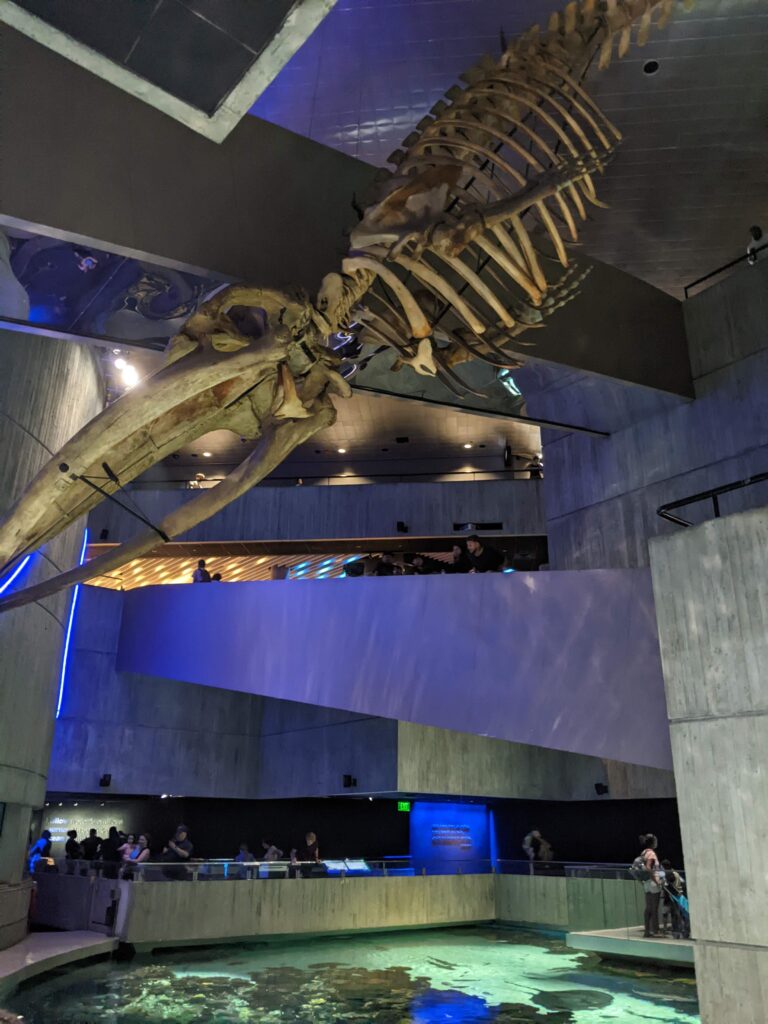
In the main atrium, you enter on the ground floor and work your way up the buildingThe exhibit pool (the water is reflecting decorative blue lights above)A giant ray and a sharkAnd this is how they move those giant animals into and out of the poolA whale skeleton hangs at the top of the atrium
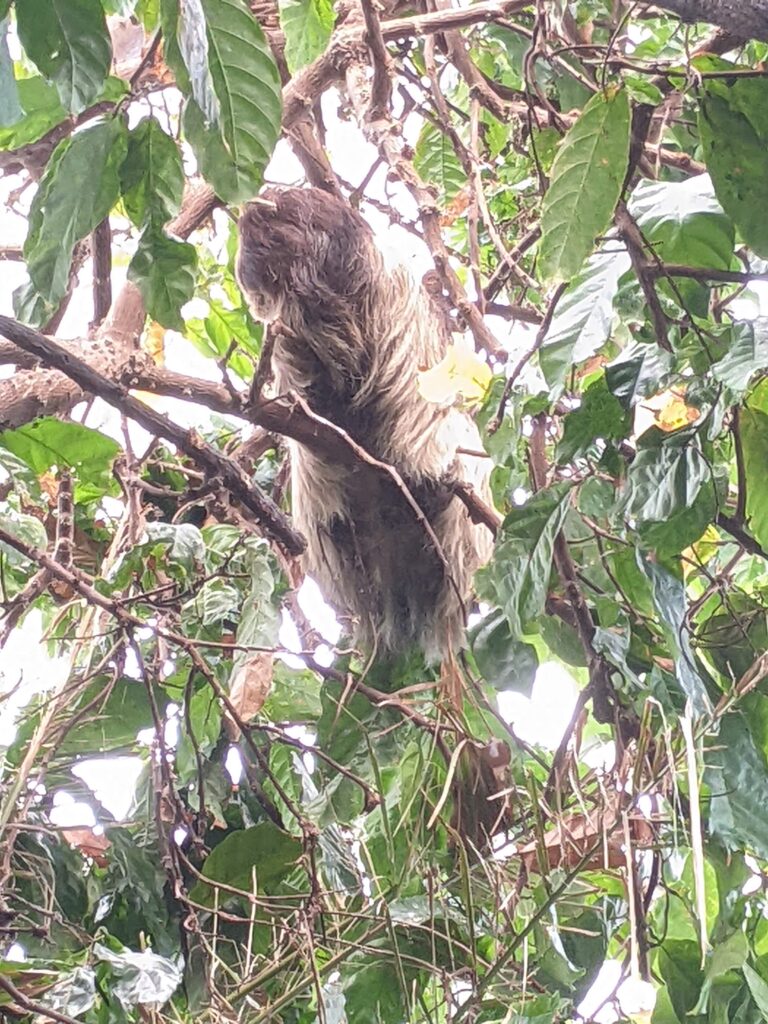
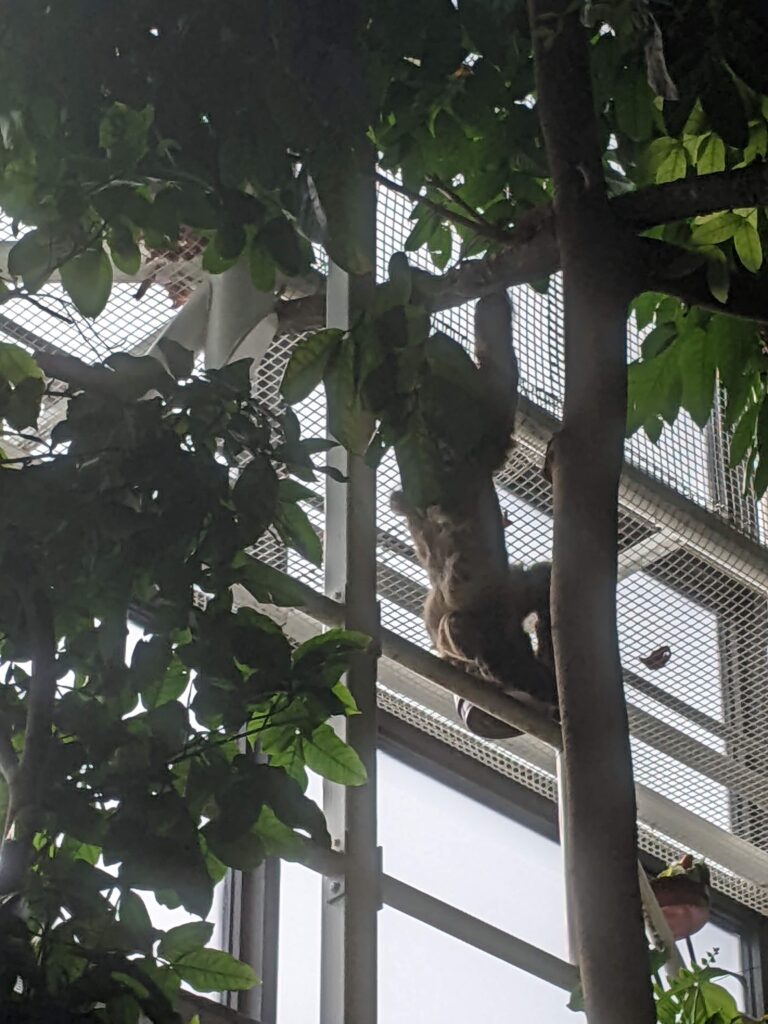
My second favorite exhibit was the Upland Tropical Rain Forest. This is another area that is surrounded by glass, so it has lots of sunlight. Plus, the environment is maintained at 80 degrees and humid, so I was sweating in about 30 seconds. However, it was all worth it because I saw sloths in person! We’ve twice been to Panama where sloths are native, but we never saw them in the wild. I was so excited to see two different sloths literally hanging out in this big room. In addition to the sloths, there are 27 other animal species and 160 plant species in this exhibit. It was super cool.
My first personal encounter with a sloth, if you can call it “an encounter” – I looked up and saw it hanging in the treesThis second sloth was hanging upside down and eating fruit from the feeding tray of the local tropical birds who were, apparently, asleep, otherwise they would have been losing their minds that someone else was eating their food (according to the docent in the room)
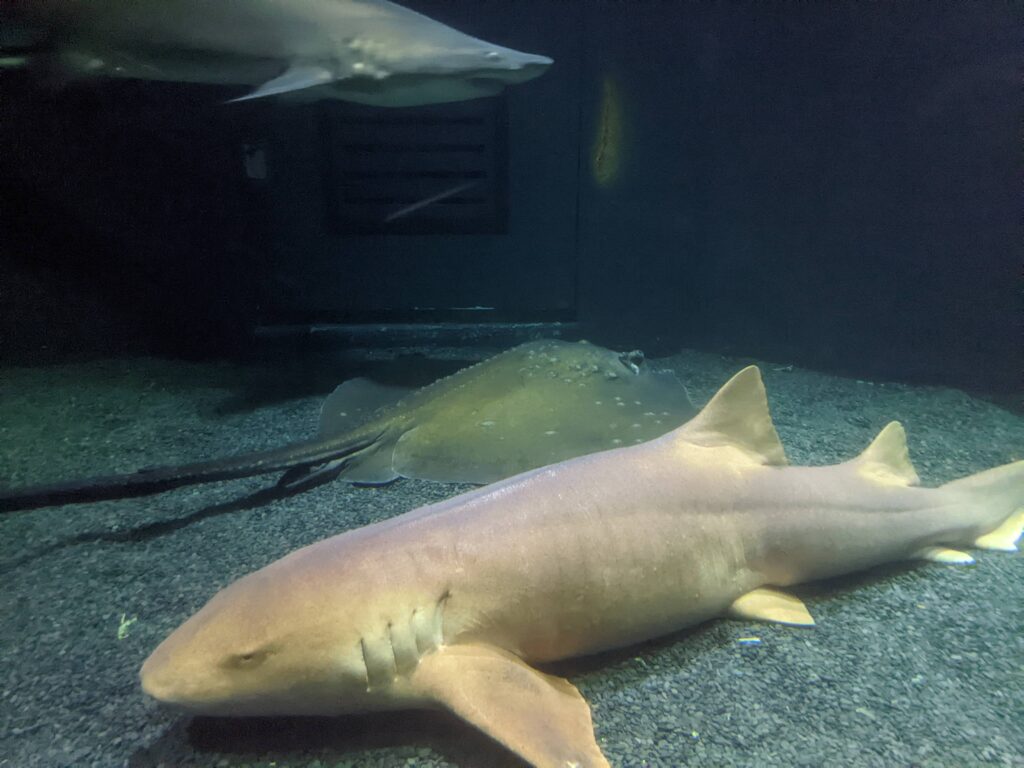
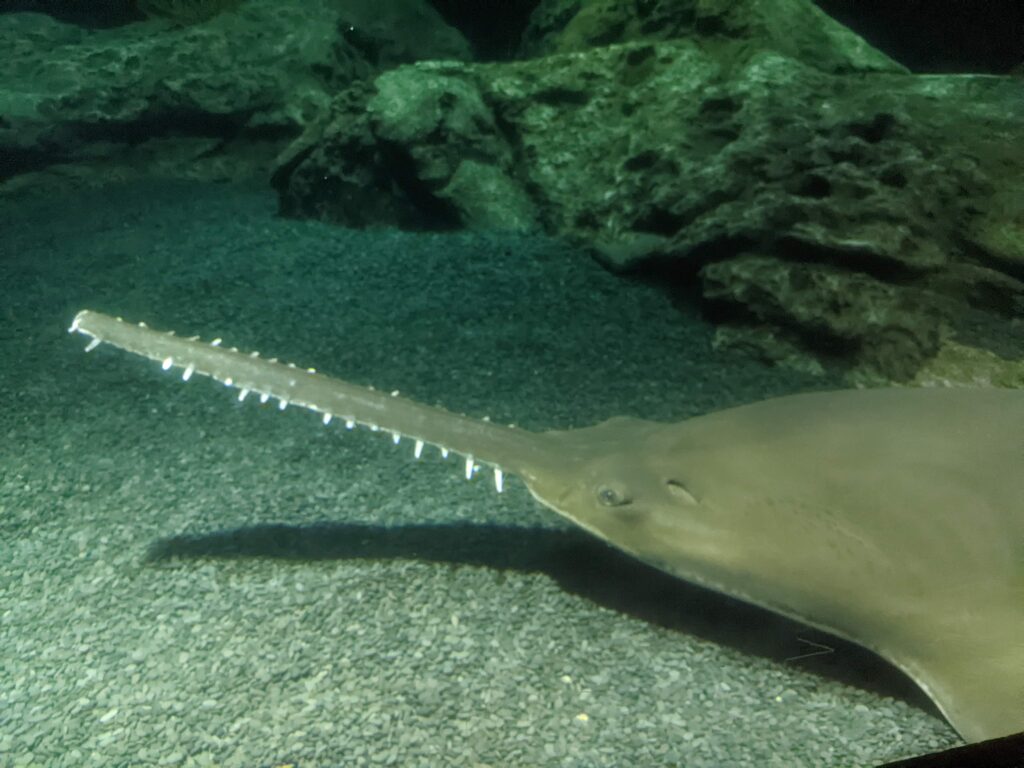
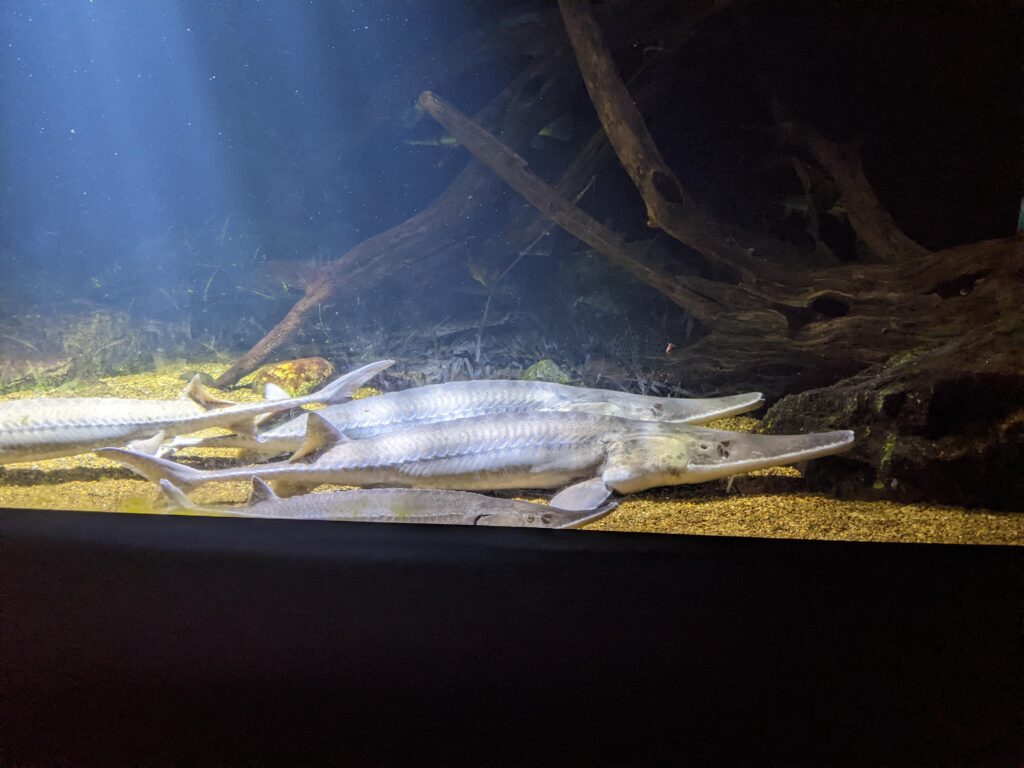
The Shark Alley exhibit holds 7 species of shark. I also saw a largetooth sawfish which is a species of ray and not a shark. I learned that there are 5 types of sawfish in the world and all are either endangered or critically endangered.
One of several sharks in Shark Alley – this one was resting on the bottom of the tankA sawfish – which is not a shark!
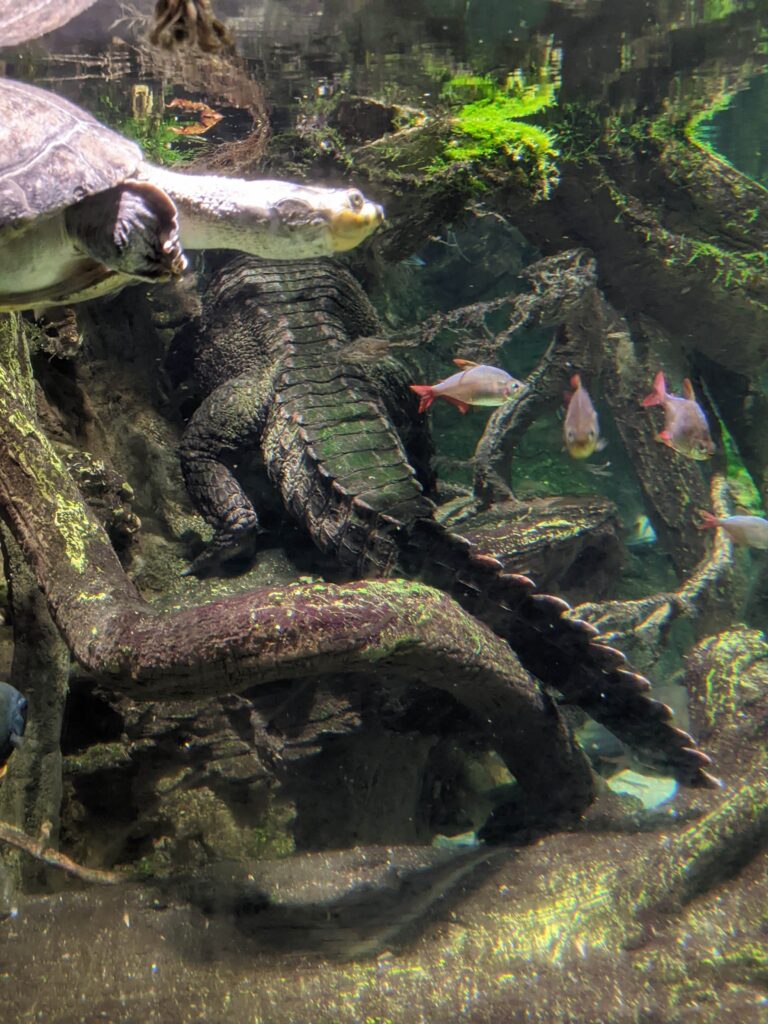
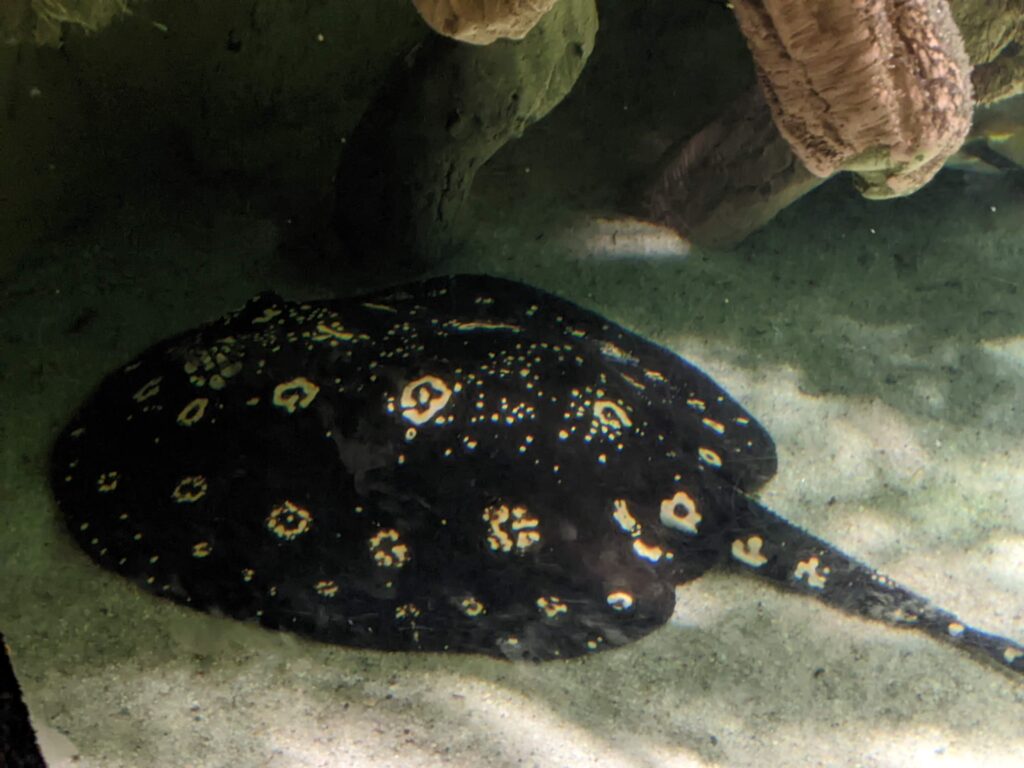
The Amazon River Forest exhibit contains over 50 species of animals including ripsaw catfish, turtles, tree frogs, and river stingrays.
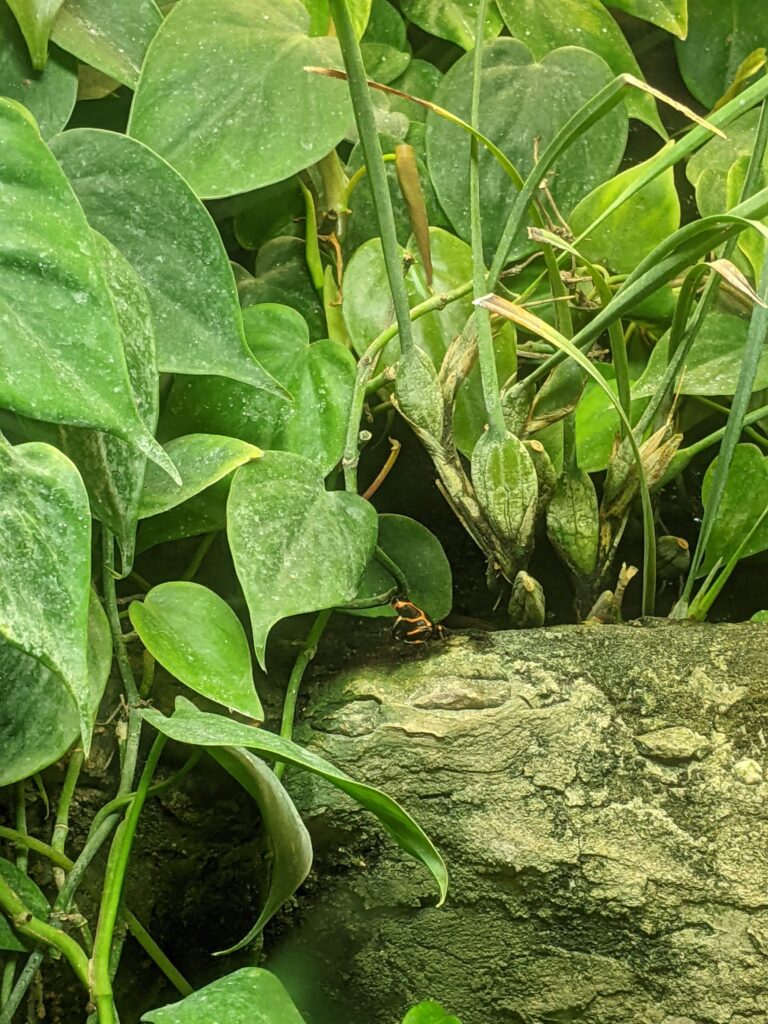
Ripsaw catfishA turtle and a caimanA river stingrayA tree frogA tiny black and yellow tree frog sitting on a logMore tree frogs
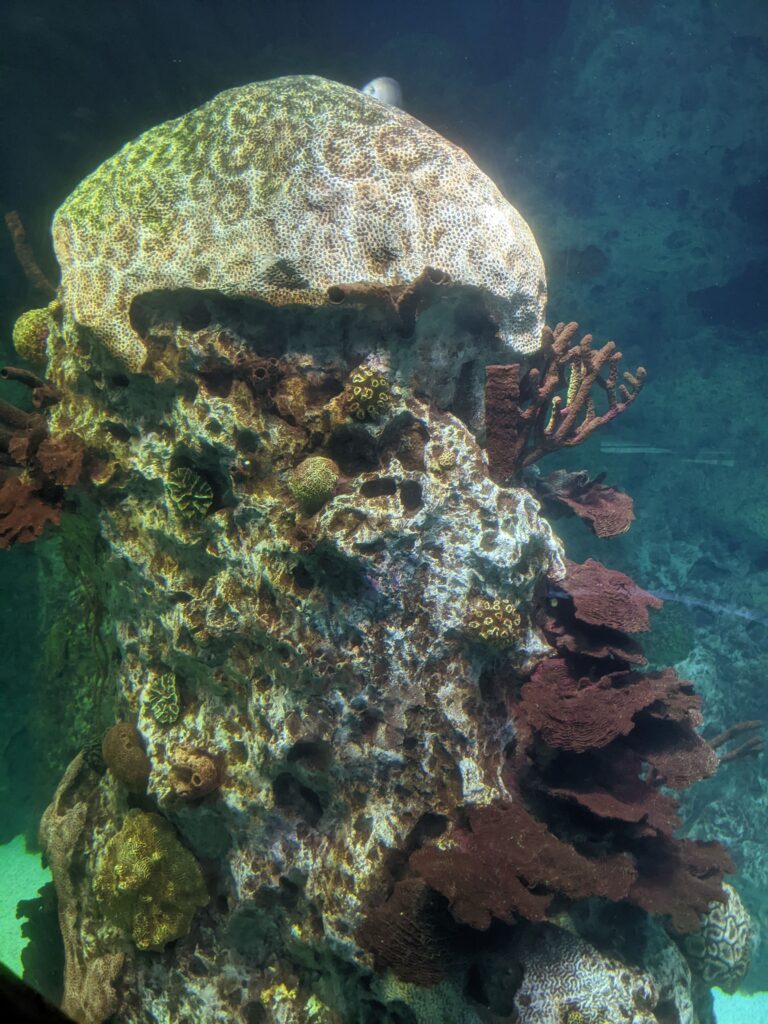
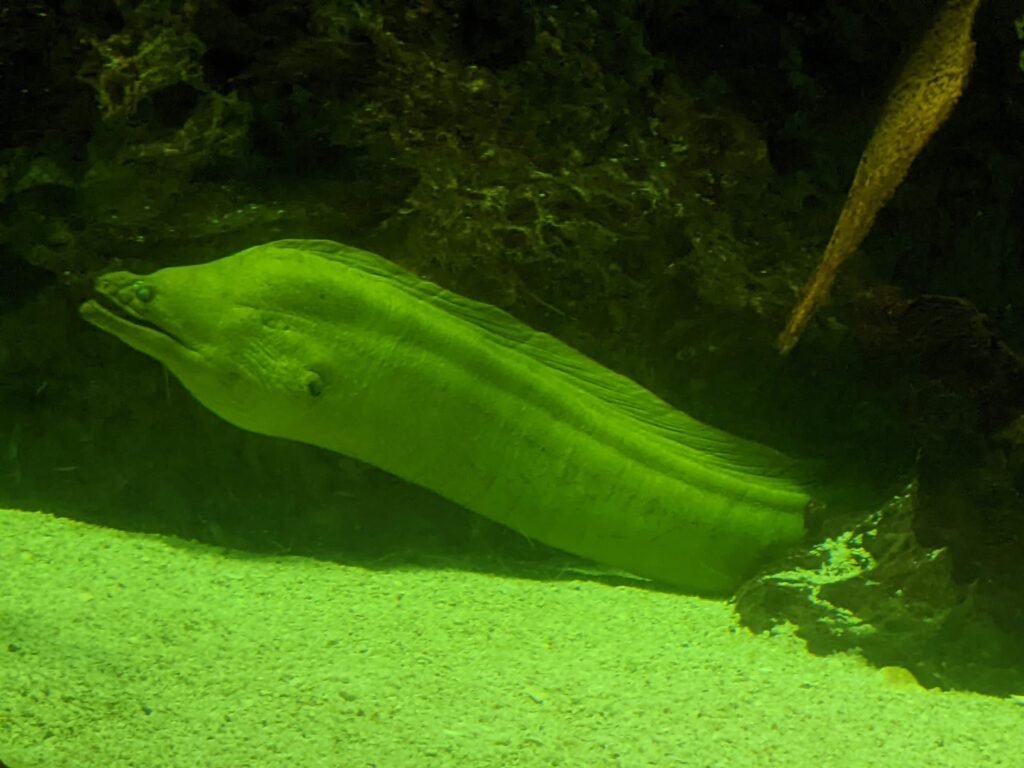
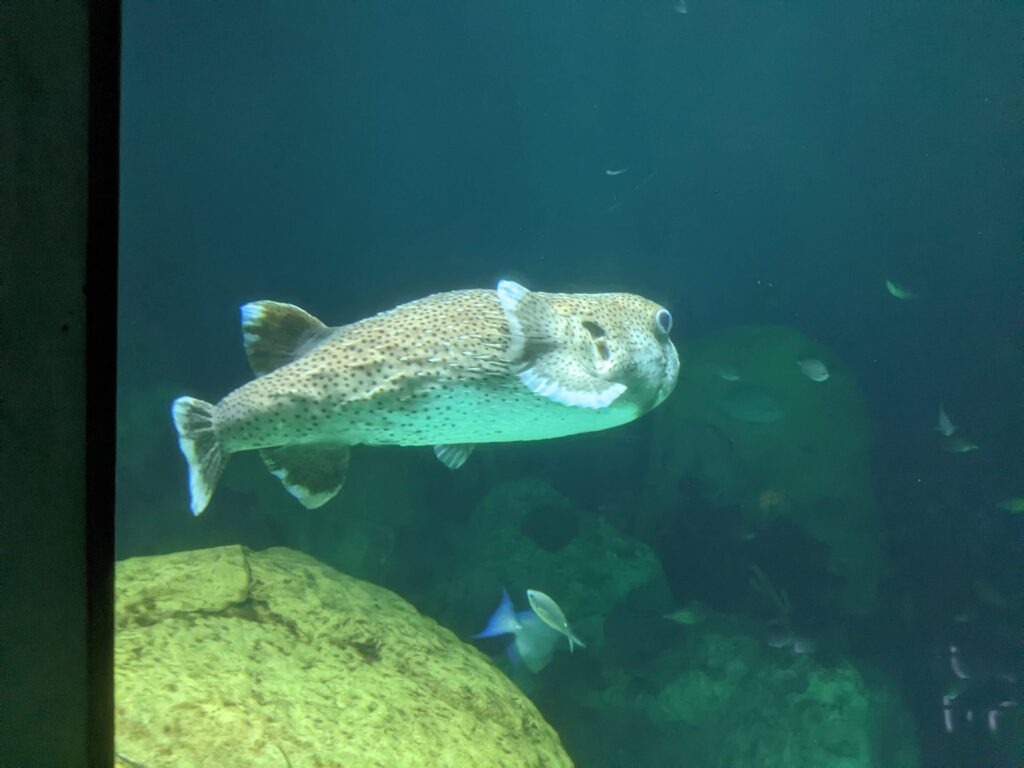
The Atlantic Coral Reef area has over 1,000 animals. I saw moray eels, porcupine fish, sea turtles, and so many fish.
Several types of coral – and by the way, coral are animals, not plantsI think moray eels look like grumpy old menA porcupinefish
The Dolphin Discovery is a huge pool with 6 bottlenose dolphins. I think they give performances throughout the day, but I didn’t catch one. I did see them swimming around in their pool, though.
Here are some other animals that I spied during my visit:
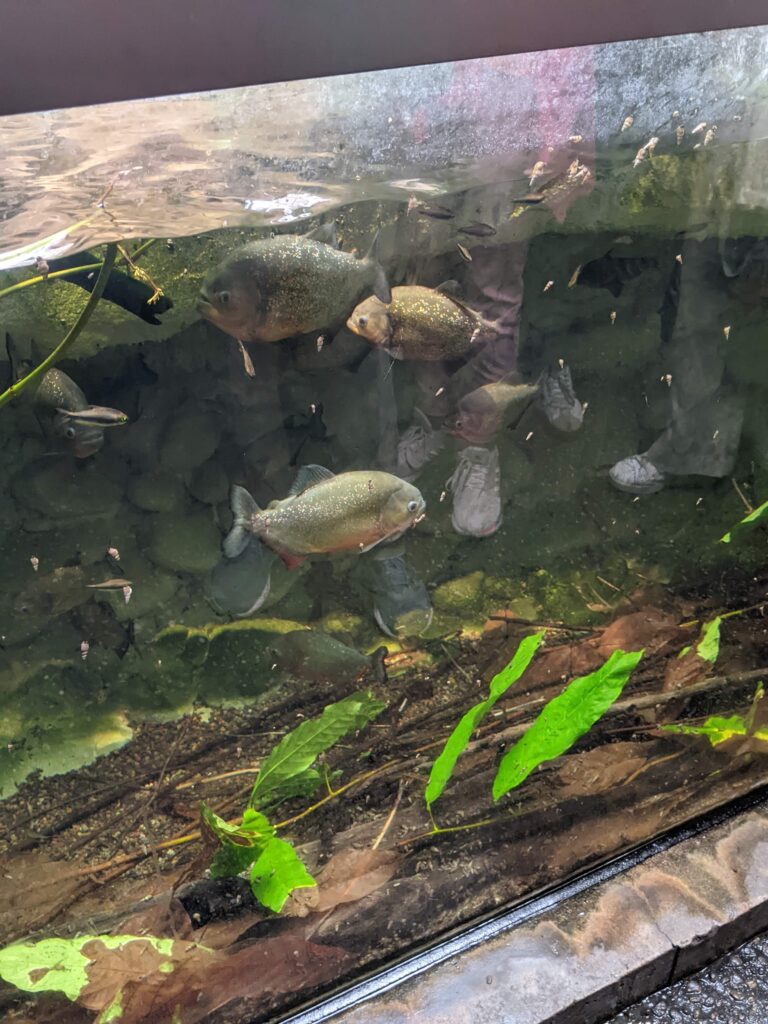
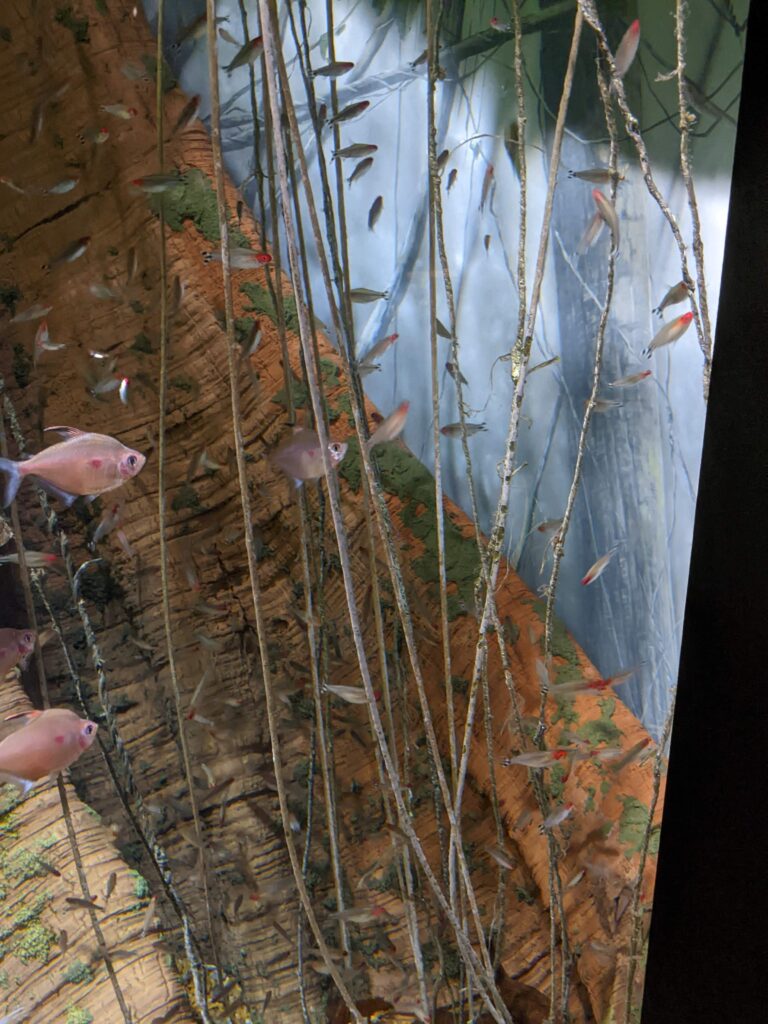
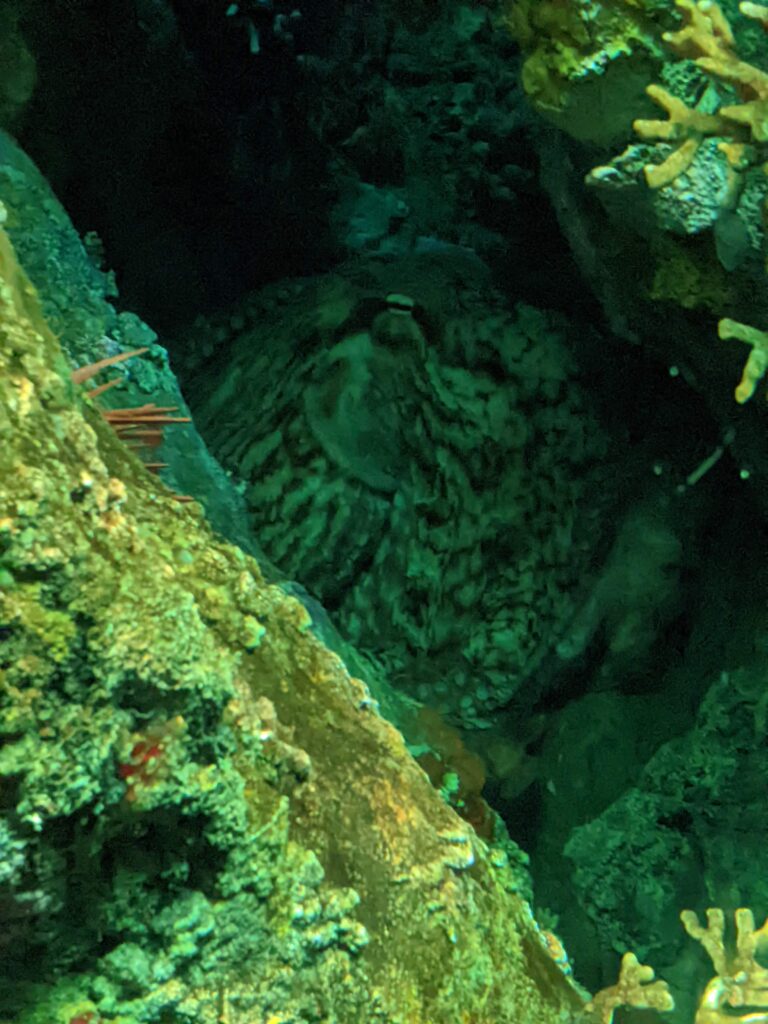
PiranhasLittle fishiesBig fishiesI feel like this is called a pipe fish – if that’s not the correct name, it should be the correct nameAnemoneAn octopus
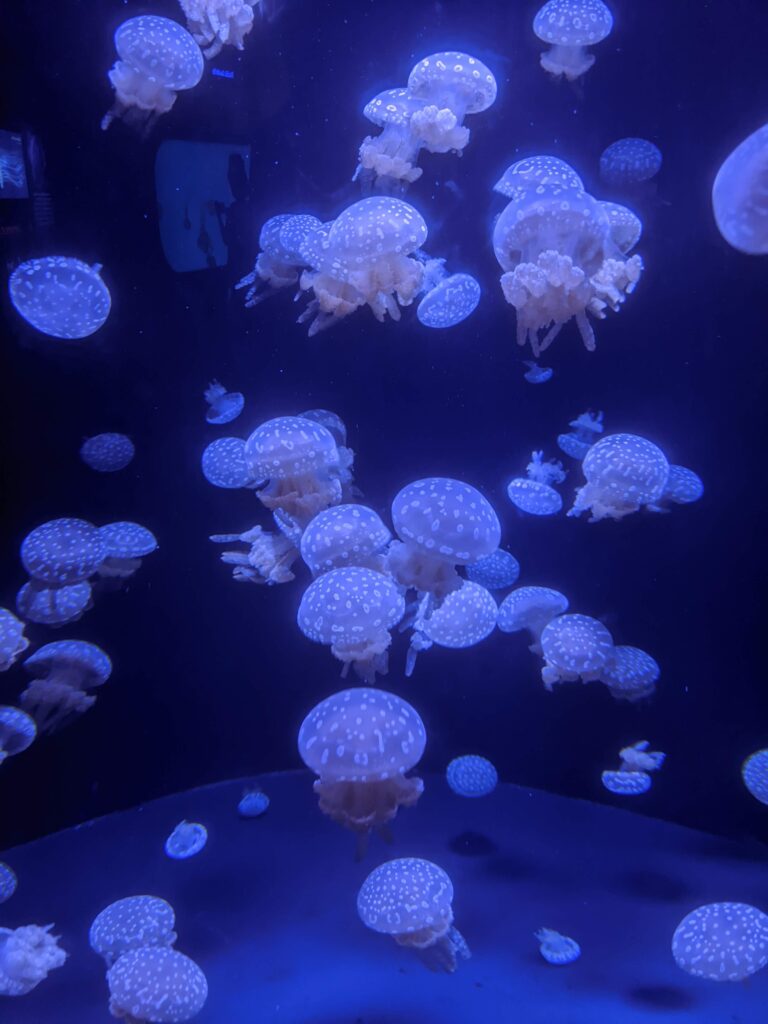
And finally, my favorite type of exhibit is always the jellies. At the National Aquarium, this was originally intended to be a temporary exhibit, but Jellies Invasion became a permanent part of the Aquarium due to its popularity. It contains 8 different species and over 300 animals in total. Species include the blue blubber jelly, upside down jelly, pacific sea nettle, and japanese sea nettle. I can always sit and lose track of time watching jellies float around in their tanks. They are mesmerizing and so peaceful to watch. My heart rate slows down, and every part of me relaxes. It’s such a calming experience, so I’ll close with that for today.
Upside down jellies – and here they are weirdly right side upPacific Sea Nettles, or perhaps Atlanta Bay Nettles – they look a lot alike to meMy zen view
This summer was the biannual Abbott family reunion. Back in 1999, we all got together for my grandfather’s funeral in Minnesota. We realized that the last time we had all been together was for a wedding in 1987, 12 years earlier, and we decided that we should get together for more than just weddings and funerals. We had the first Abbott reunion in 2000, and we’ve been meeting every other summer in various places around the country for a week-long gathering.
This year’s reunion crew
This year we went to Gettysburg, Pennsylvania. We stayed at the Drummer Boy Campground, a lovely, wooded, 95-acre property. The campground has over 450 overnight sites including RV sites, tent sites, and cabins. The property also has a general store, two swimming pools, volleyball and basketball courts, mini-golf, and a playground, and there are laundry facilities for those who are staying longer term. In fact, I was quite surprised to discover that there are RV people who come here year after year and who stay long enough to build structures such as wooden stairs up to their camper doors, wooden platforms and shelters for outdoor eating, and even fences to keep their little dogs corralled. It was quite a lovely place to stay.
I stayed in one of these cabins on the pondThe view from our porchCattails in the pondOne of the pools at the campgroundThe mini-golf courseThe campground was so big that you could rent golf carts to get aroundI got a kick out of this – the original is in Key West and marks the, ostensibly, southernmost point of the continental United States
Abbott folks arrived on Saturday and Sunday, so our first group activity was Monday. We hired a private tour bus which picked us up at the campground and headed over to Gettysburg National Military Park.
Abbotts on the bus
Our first stop was at the visitor center to watch a 15-minute introductory film about the park and the civil war. When we arrived at the visitor center at 8:45, Don said, “Guys, I thought the movie started at 9:00, but it actually starts at 8:45 so hurry into the theater so we can watch the movie.” As we were rushing in, Dean said to me, “These poor people who are already sitting here waiting for the movie to begin were thinking that they were going to have a nice quiet movie, and then our whole group runs in…”
After the movie, we were all ushered into the cyclorama which is a 360-degree painting of the agricultural land and the fighting scene outside of the town of Gettysburg in 1863. A voice-over narration described the day of fighting as spotlights around the room illuminated different parts of the painting that related to the narration. I will admit that it was cooler than I expected. And now I want to go visit the cyclorama in Atlanta that shows the fighting around the city in 1864.
A view of the cycloramaA detail of the cycloramaAnother detail of the cyclorama
After the cyclorama, we hopped back on the bus with our own private tour guide for a 3-hour tour around the national park. Our guide spouted off so many facts and figures about the battle that I can’t remember any of it, but you can always look it up on Wikipedia if you’re curious to learn more. What I will say is that the park is huge, and we drove around for 3 hours. We stopped a few times to get out and get an up-close look at something with the guide. One thing that surprised me was the vast number of monuments scattered around the park. It seems like every regiment from every state had a monument commemorating their part in the battle. There were statues of various soldiers and generals. There were cannons staged in various locations.
A view across part of the battlefieldThere was a skirmish around this rock outcropping called Devil’s DenWe saw lots of cannons and split-rail fences – notice the monuments in the foreground and backgroundMore cannonsAnd more cannons and monumentsOur tour guide explaining how cannons were usedA grand monumentA smaller monumentA monument up on a hillA monument buildingSometimes the monuments were metal plaques
In the decades after the war, observation towers were built in different areas so people could observe the battleground from above and evaluate and learn from the military strategies that took place below. In fact, students from West Point still come to the park to climb the towers and learn military lessons.
One of the observation towers
As we toured around the park, I saw lots of wildflowers.
Queen Anne’s laceYellow flowersI sure liked these purple flowersThey remind me of 4th of July fireworks
The tour bus drove through Gettysburg itself, so we learned a little about the town along the way. Historic buildings have plaques indicating that they were around during the civil war. Abraham Lincoln visited on the occasion of his historic Gettysburg Address, and the house he stayed in has a plaque. Of course, there are also numerous tourist shops and restaurants that cater to the large volume of visitors that come through the area every year.
A plaque on a house in GettysburgSeen outside a historic house in downtownI’m not sure who the modern guy is supposed to be, but the tall guy gave a famous speech
After the bus tour, we headed back to the visitor center to look at the exhibits. There were so many items from the war – guns, uniforms, flags, and other exhibits.
One of the exhibitsAn exhibit of gunsA Union uniformThe Union flagA Confederate uniformThe first Confederate flag
There were World Cup soccer games during the week of the reunion, and one afternoon 20 of us went to the Blue and Gray Grille and Pub to watch France play Spain. We took over 5 tables in one area of the restaurant, and people rotated between the tables to socialize during the game. Jennifer brought yellow card and red card bean-bag characters. Scott and Steph had a rivalry going on, and at one point, Scott gave Steph a yellow card, and she gave him a red card in return with her red iced tea glass. We all had a great time, and we made sure to leave our servers huge tips.
Five tables of AbbottsWatching the gameJames, Dean, and BillAdeline, Thaddeus, Isaac, and MariahBaby Teddy watching the gameRed card, yellow card
I was only at the reunion for part of the week, and there were other activities during the week where I didn’t participate – Blueberry Festival, Yuengling brewery tour, Hershey’s Chocolate World, the group dinner at Dobbin House Tavern, Abbott Olympics.
However, my favorite part of the reunions is always the evening dinners. Each day, a different group of families is in charge of providing dinner for everyone, and we all eat together. It’s a wonderful way to end the day, and it provides an opportunity to sit next to different people each time to catch up on each others’ lives. The daily activities are certainly an opportunity to catch up with people, but there is always the distraction of the activity itself. At dinner, you have each other’s undivided attention, and the time together deepens your relationships.
Getting ready for dinner on sub sandwich nightTaco nightChef salad nightWorld Cup table settingOne dinner group
All in all, it was a wonderful week. It was so great to catch up with everyone after not seeing a lot of those folks since before the pandemic. (I had missed a couple of reunions in the meantime.) As I get older, I better appreciate time with family and the associated memories.
I’ve reached a point of reflection in my life – amplified by our impending move to Italy – that makes me realize that time can be short, and things are changing. Since my last reunion in 2018, Terri has died and Dan has moved into a care facility. Some members of my generation have gotten busy with jobs and kids and other things going on in their lives, and they no longer come to reunions. I’m guilty of that as well. I considered not going to the reunion this year because I had already spent weeks away from work due to my arm injury. However, I decided that I needed to go and that my company could just deal with it. In the end, I am immensely grateful that I decided to spend a week with family this summer. Deep down I needed that.
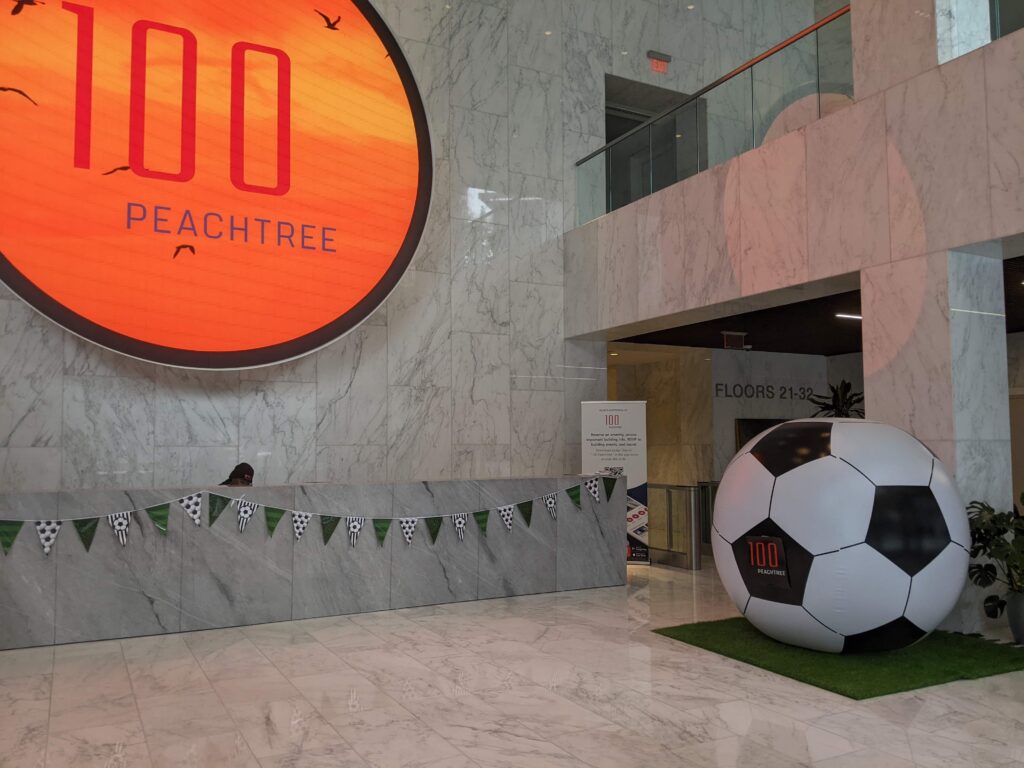
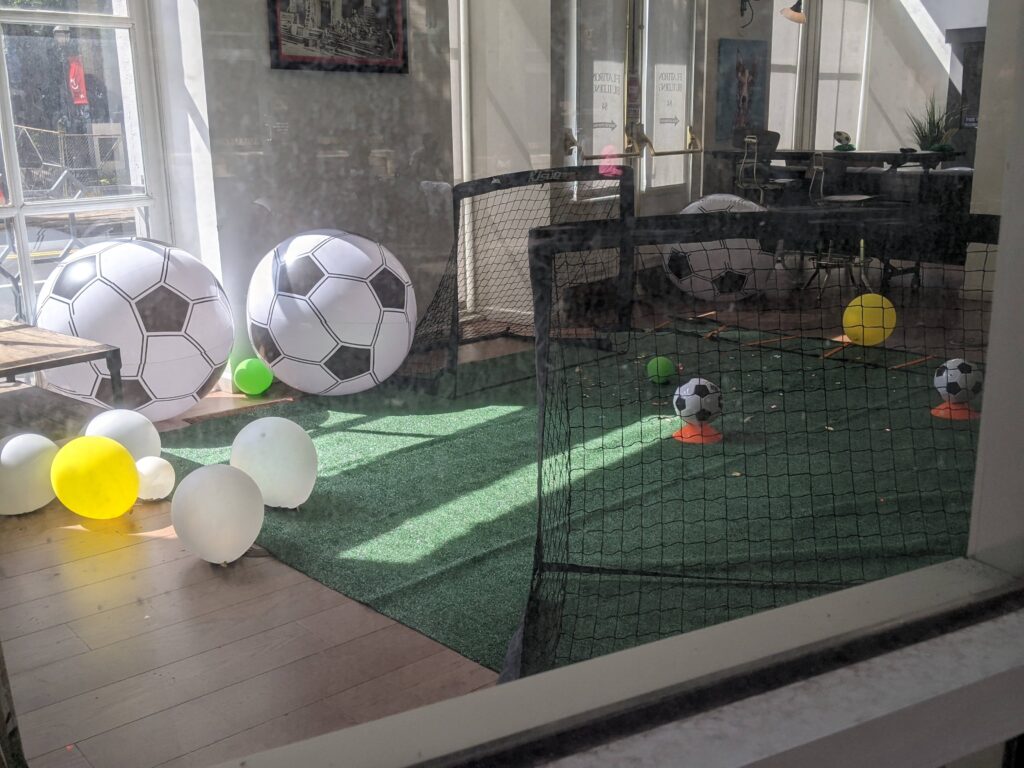
I’ve now been going into the office for the last 3 weeks. It’s been interesting to see what has changed in downtown Atlanta.
The lobby of my office building at 100 Peachtree StreetI saw this in an office space across the street
First of all, there are police officers on every street corner when there is a game being played in Atlanta. I’ve never seen such a police presence in the city, and there haven’t been any issues with the crowds downtown. Good on them. Of course, there is a lot of representation from law enforcement, the fire department, and EMS around the Fan Fest. I even saw a shade tent for Customs and Border Patrol. Why CBP needs to be in downtown Atlanta is beyond me. But I did learn that the Atlanta Police Department is specifically refusing to work with ICE during the World Cup, which is heartening.
Perhaps the biggest surprise has been Marta. First of all, Marta was supposed to deploy 224 new train cars last year, then earlier this year the the week before the World Cup started. Nada. We still have the old cars in service, some of which are decades old. I was also quite surprised to see that some Marta stations hadn’t gotten the new turnstiles into service either. The station next to the stadium definitely had the new turnstiles up and running, but Inman Park and Five Points did not. This meant that you could get on the train in Inman Park and get off at Five Point and never pay the fare. Seriously, Marta, you’ve known about the World Cup for 8 years, and you’re missing out on so much revenue. Surely, heads are rolling at Marta.
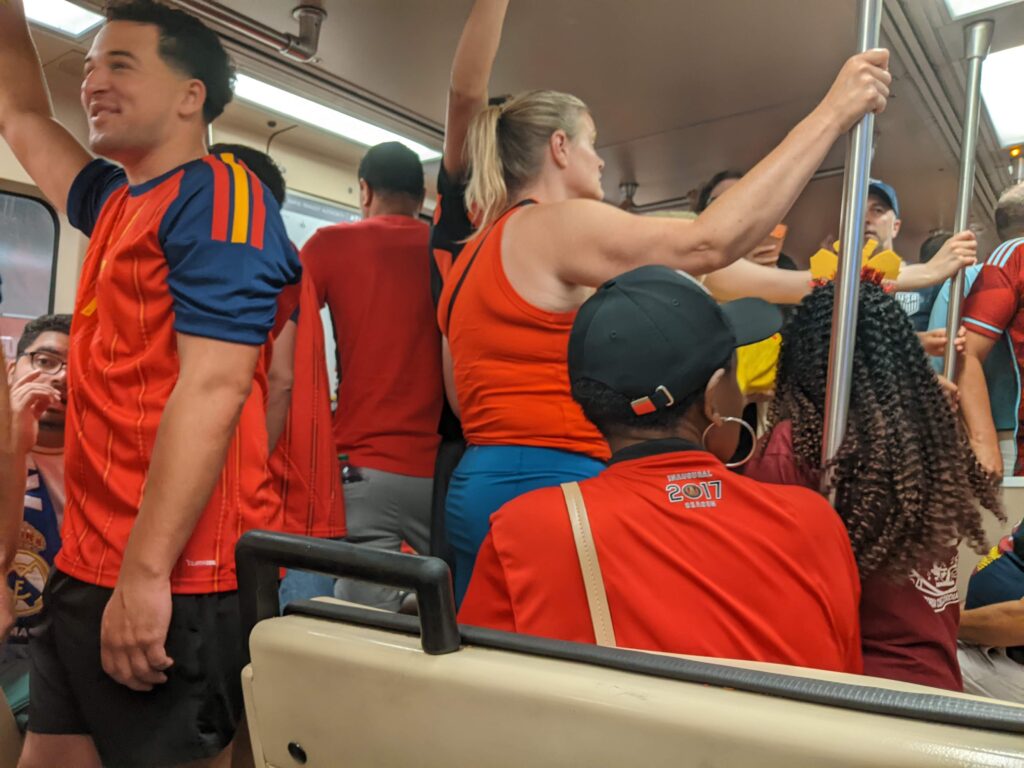
But, on the Marta plus side, they have been running extra trains on game days. When we went to watch Spain vs Saudi Arabia, the trains were running every 2 minutes, and this was on a Sunday morning when trains typically run every 20 minutes. The stations also had Marta employee volunteers at each station to help visitors with questions.
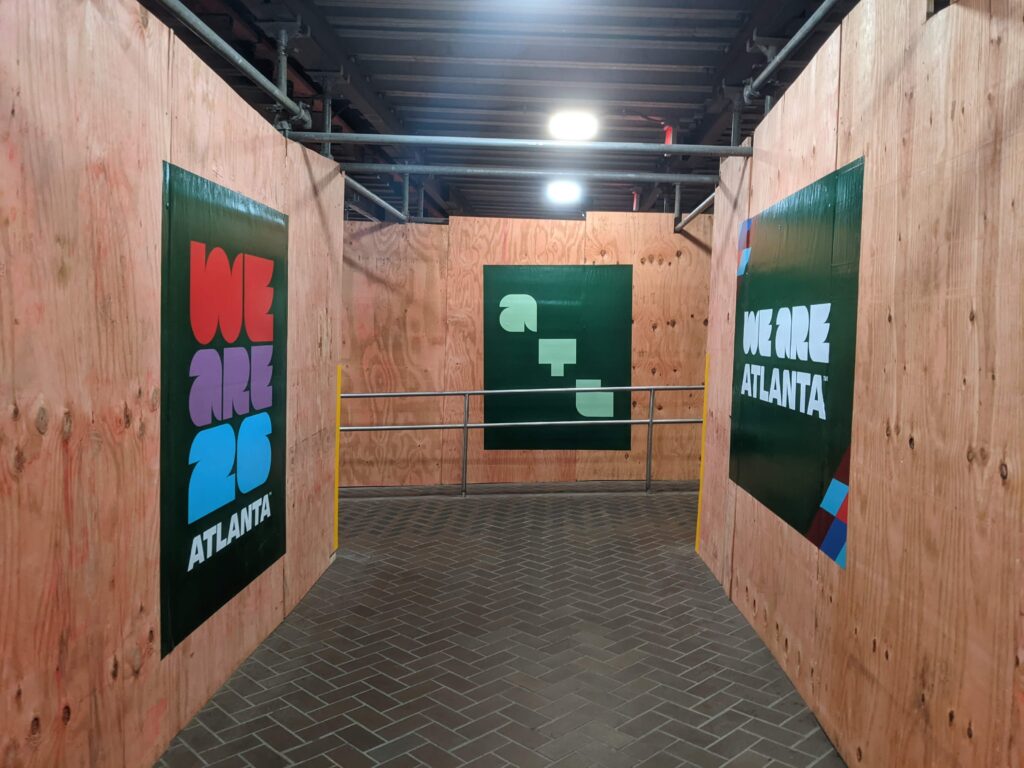
Also, the renovation of the platform areas at Five Points station got completed. Upstairs there are still a lot of plywood barricades as the renovation is scheduled to continue through 2028. But at least the barricades are branded for the tournament.
The renovated platform at Marta Five Points stationBranding at Marta
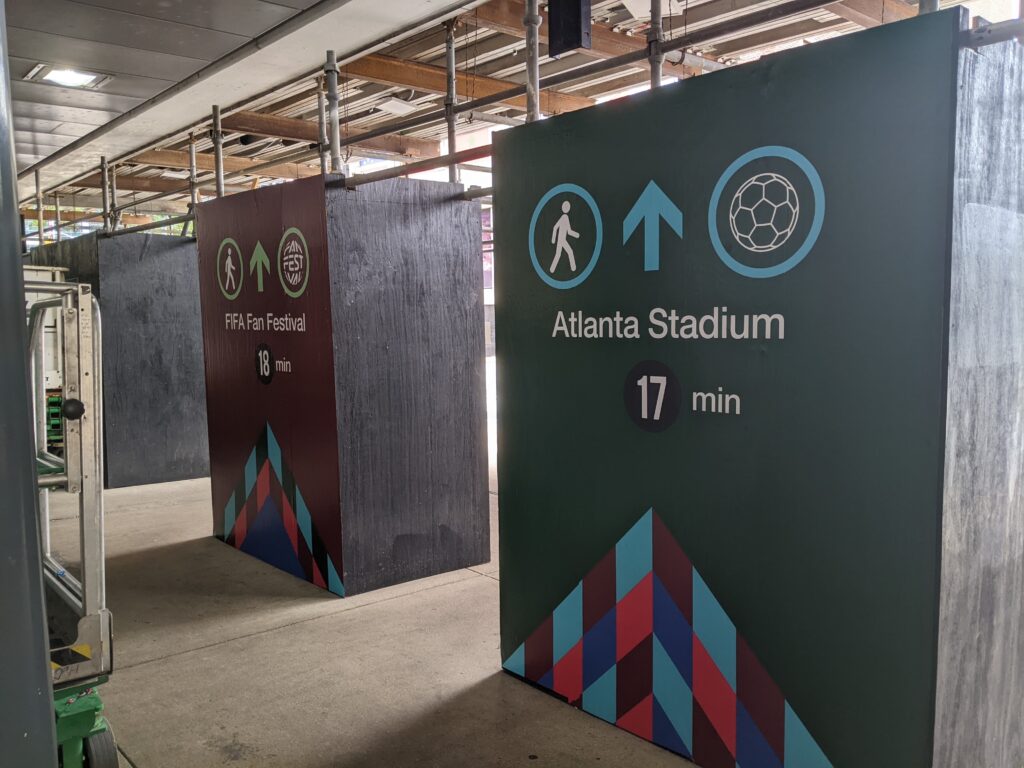
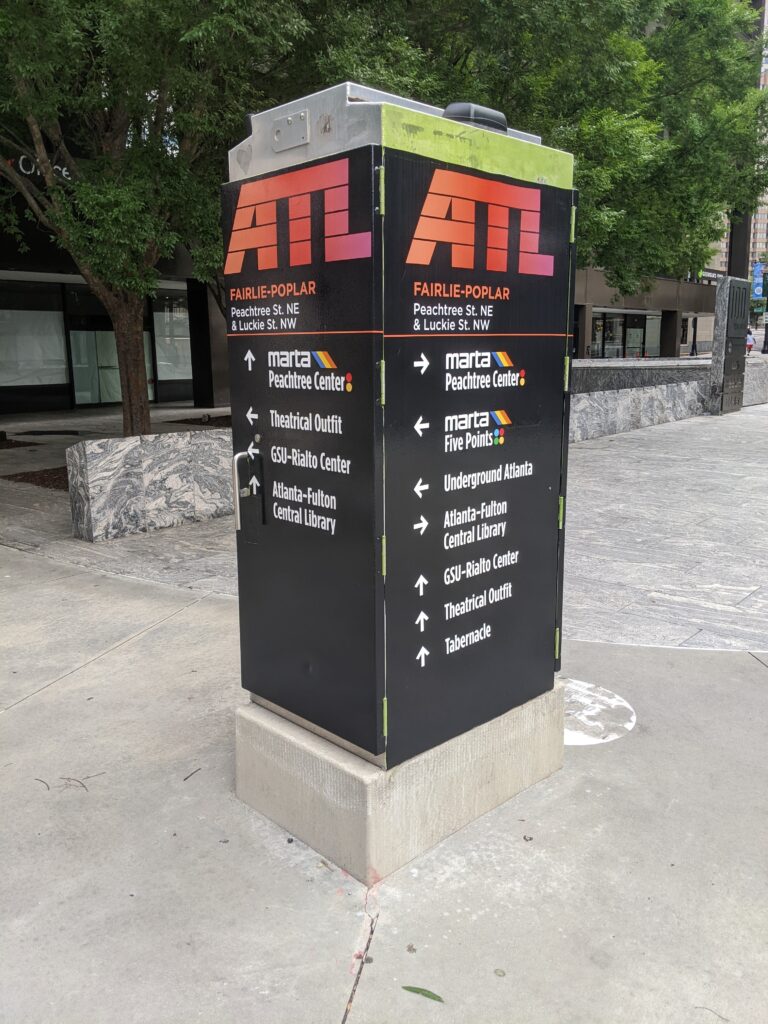
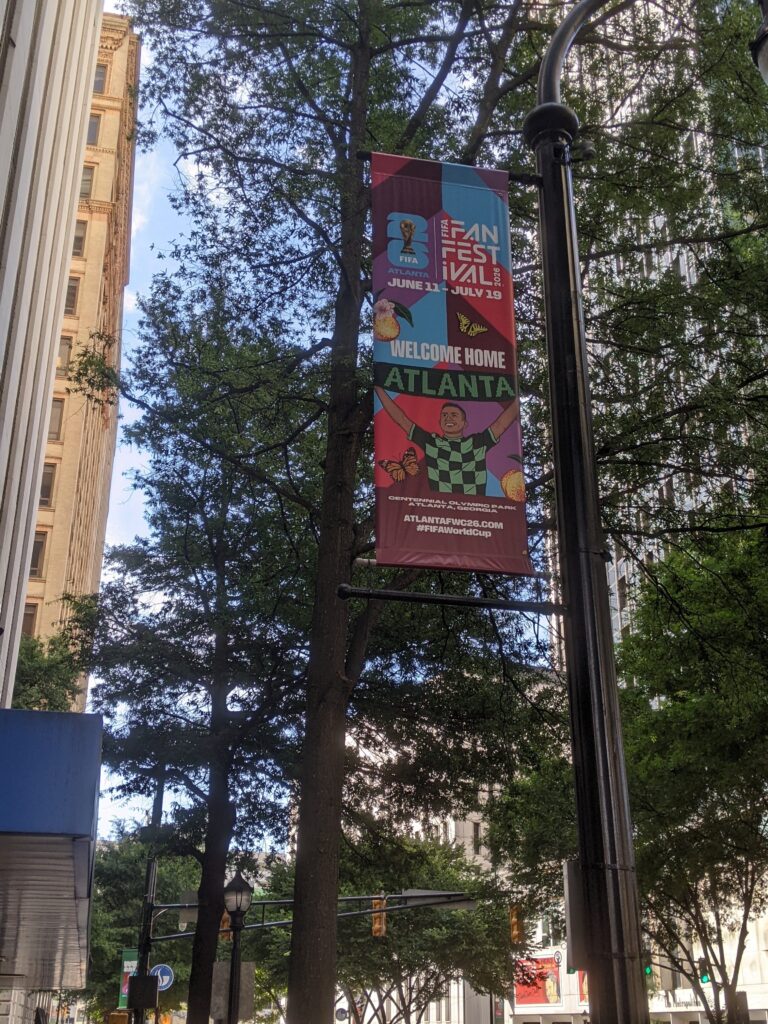
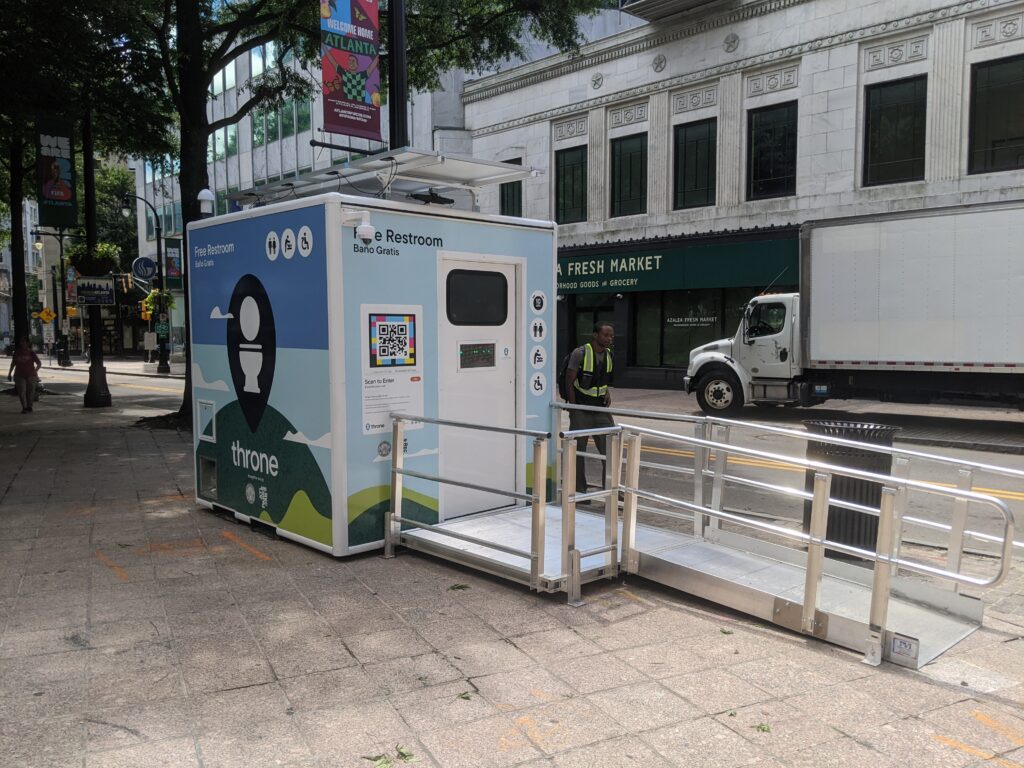
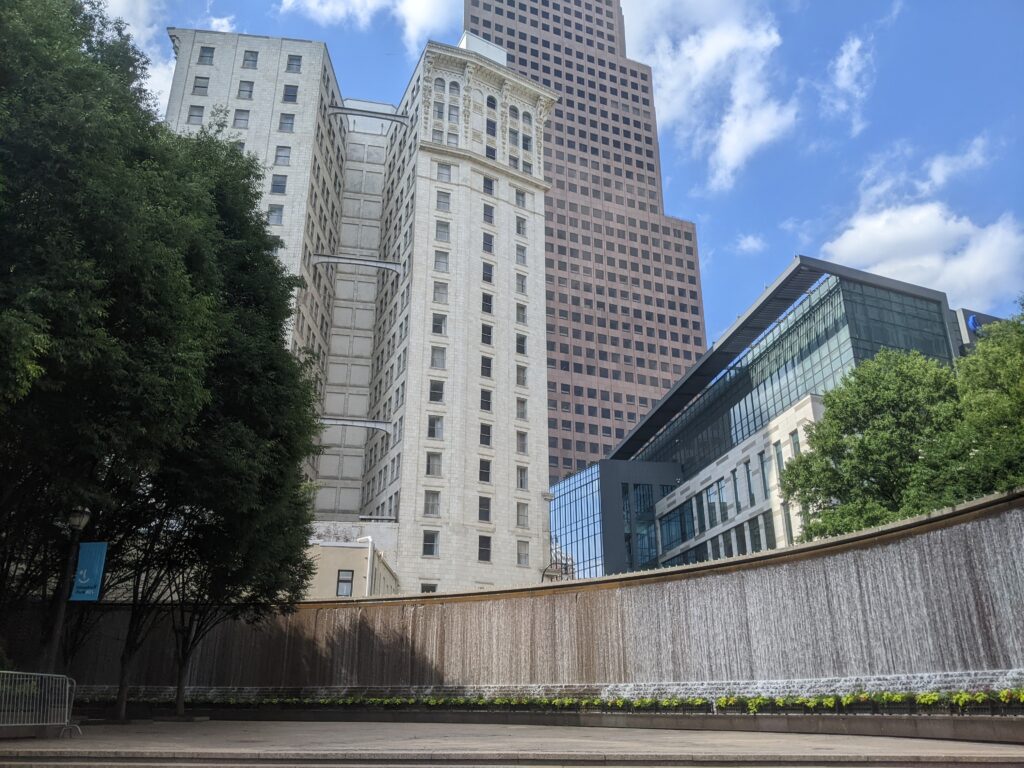
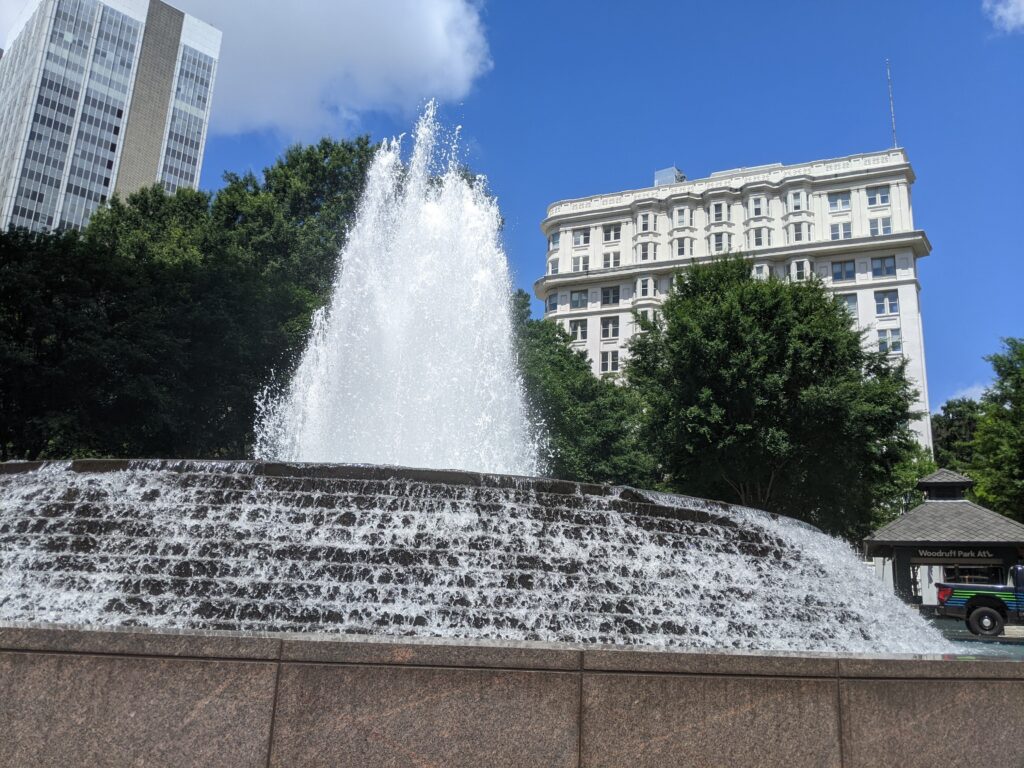
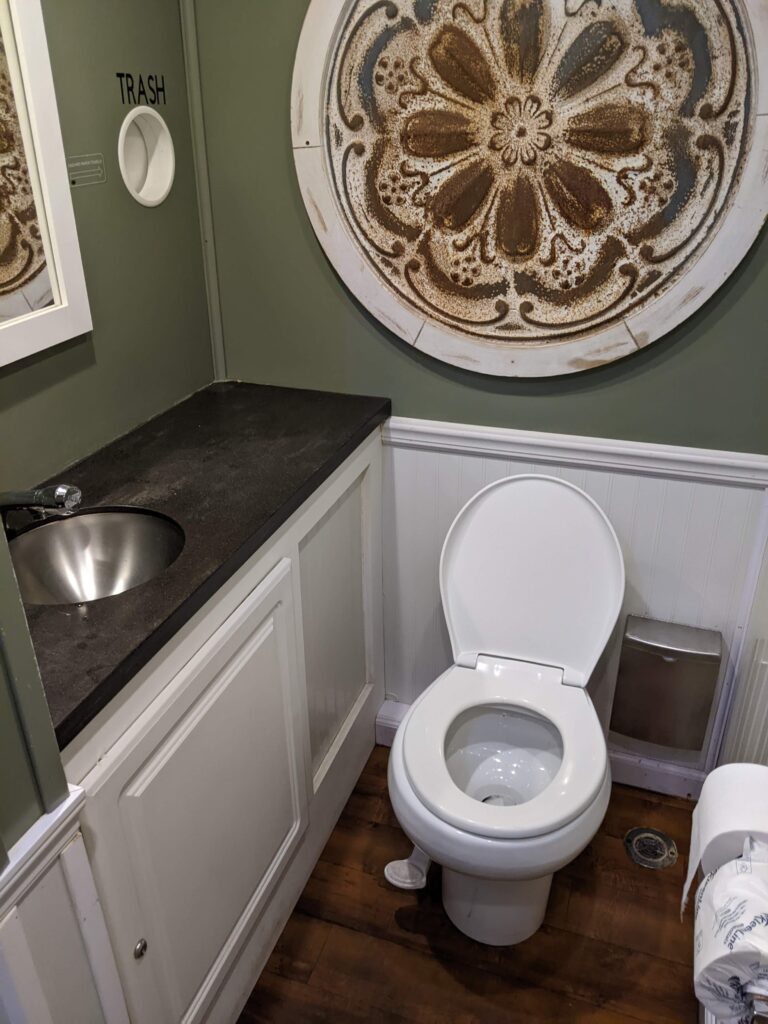
In downtown Atlanta, I’ve seen a lot of temporary signage to help visitors figure out where to go. I haven’t seen that many visitors around my office, because Fan Fest and the stadium are about 4 blocks away. But I did see a temporary public toilet in one of the city parks. Additionally, the fountains in the park were cleaned out and are now full of water and running. They had been turned off for a couple of years, probably to conserve water.
Wayfinding signageMore signage, this time on an electrical boxA World Cup banner downtownThe temporary public toilet, complete with a wheelchair rampThe fountain across the street from my officeAnother fountain across from my office
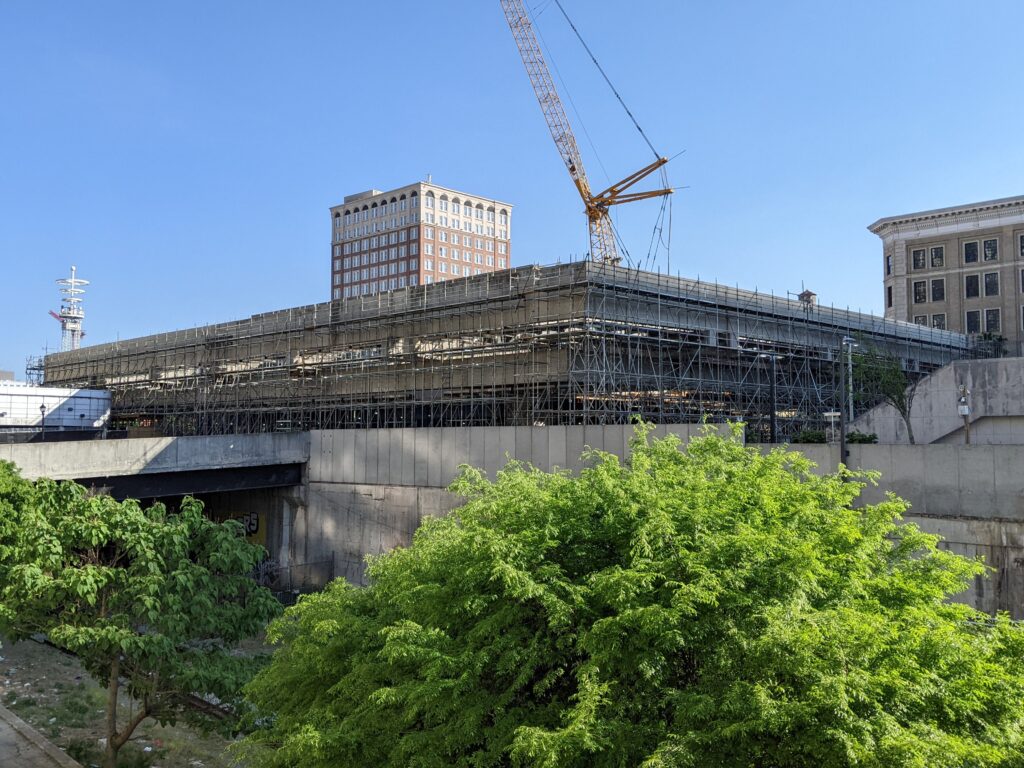
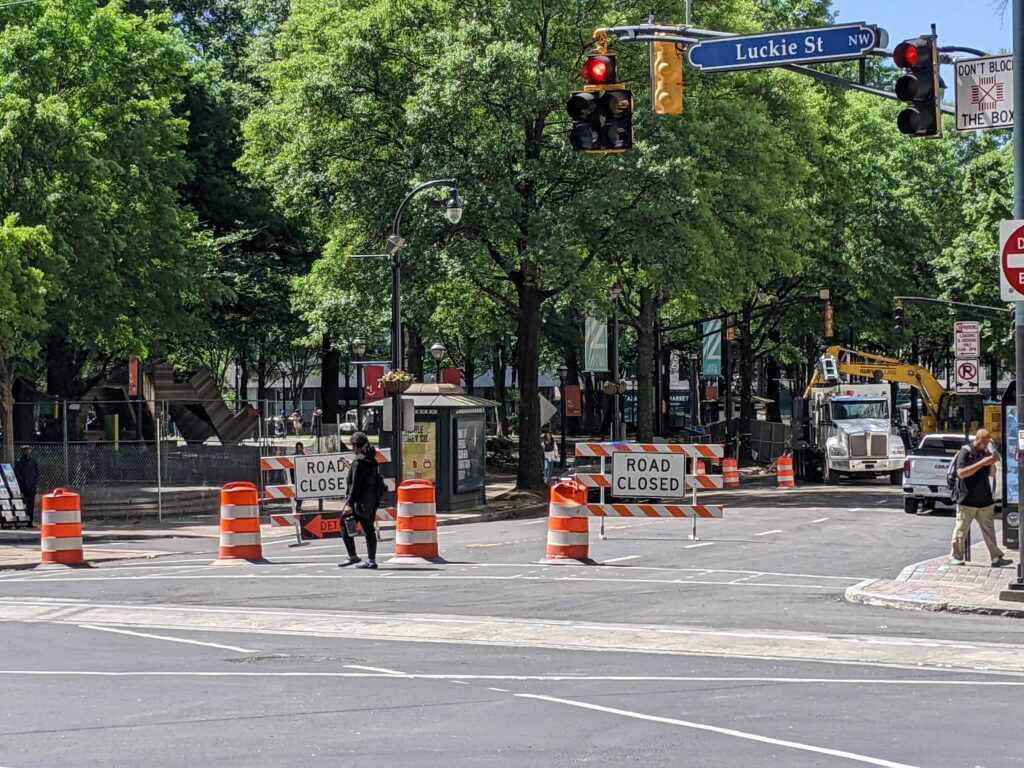
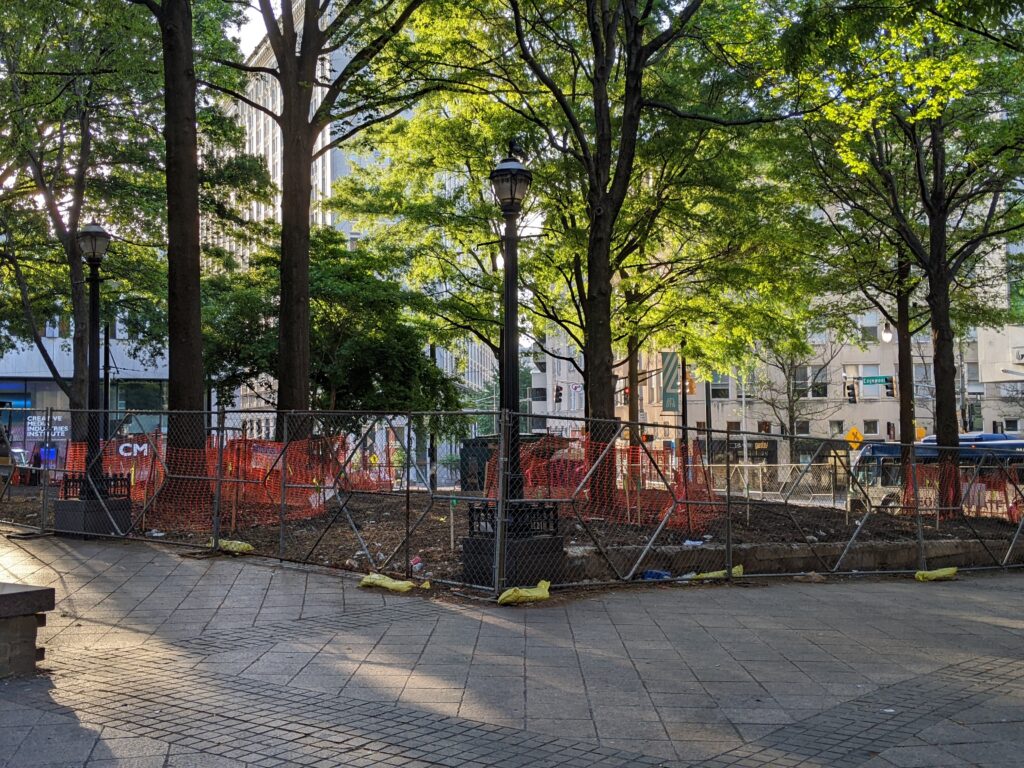
The construction in the park is still going on, and it turns out that they are building a dog park. This is interesting because it indicates an anticipation for more people living in the heart of downtown. This is also interesting because I’m surprised that the City allowed this construction to be occurring during the World Cup. There is a moratorium on starting new construction projects during this time (and I know this because my firm has projects downtown), but I guess the City projects are exempt.
One of the funnest and funniest things I’ve discovered has been foreigners sharing their experiences in the USA. I’ve heard about a German guy and a Swedish woman who are (separately, they are not traveling together) documenting their fan experiences. The woman posted a photo of her hand holding a Twinkie and Doritos bag captioned, “I feel like I’m in a movie right now.” The guy posted a picture of a Buc-ees in Alabama and its crazy number of gas pumps and said, “This is a gas station in America.”
Apparently visitors are also obsessed Ranch dressing. Do a google photo search for TSA Ranch dressing and you can see that people are trying to take full bottles of Ranch dressing home in their carry-on bags.
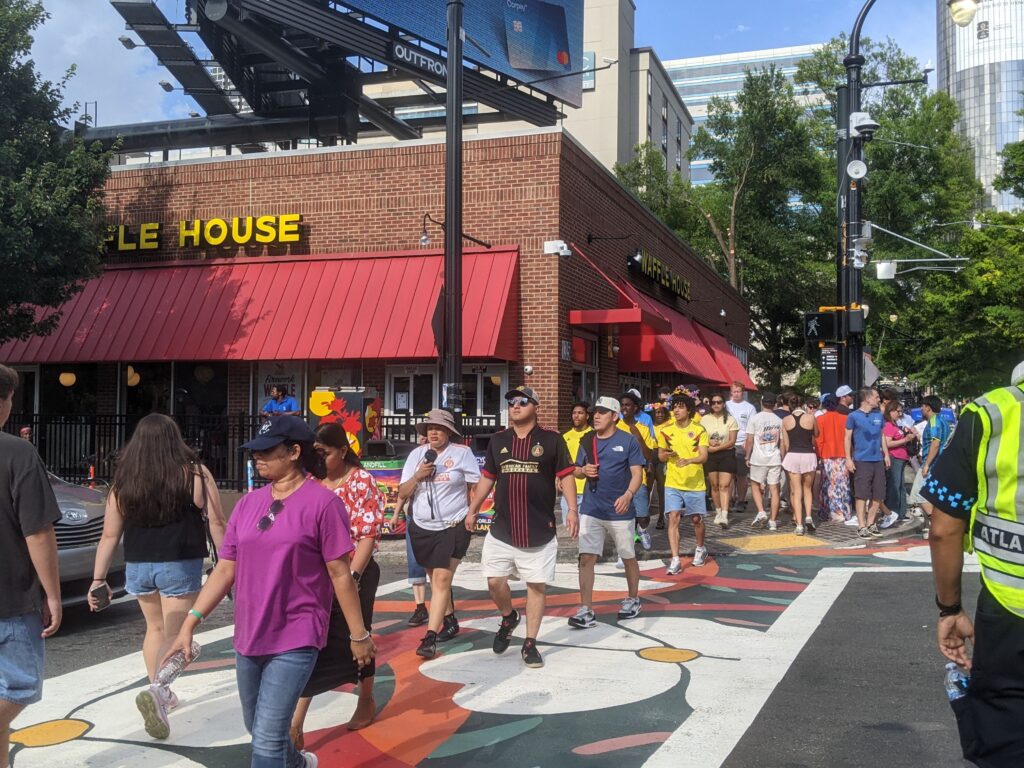
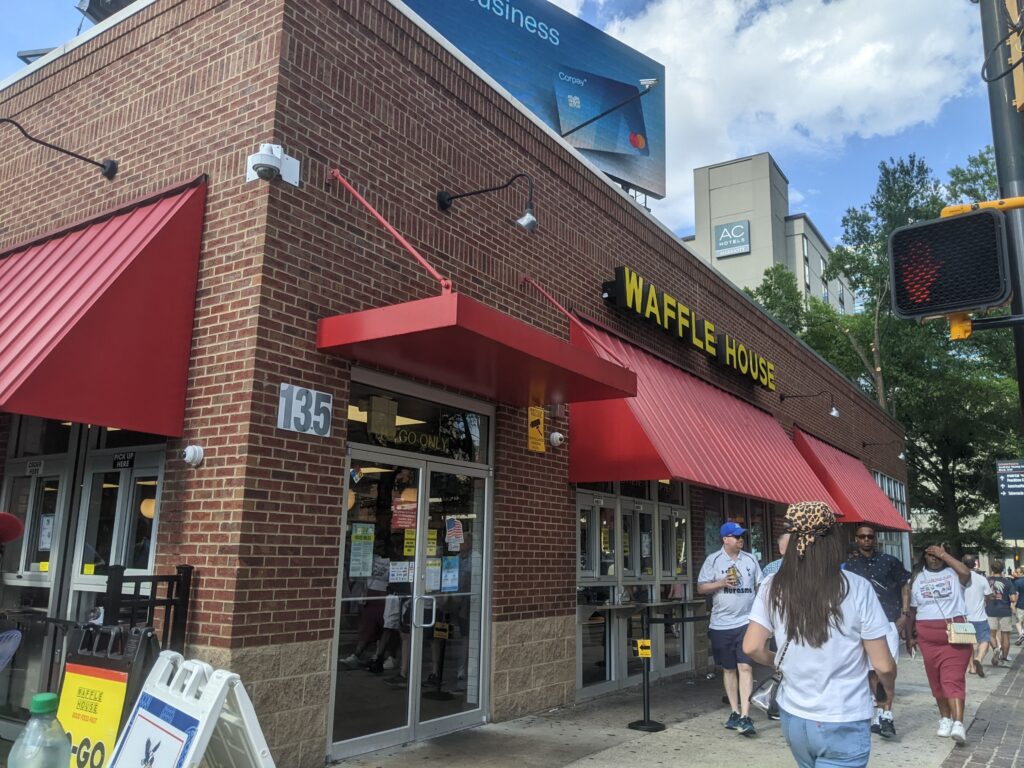
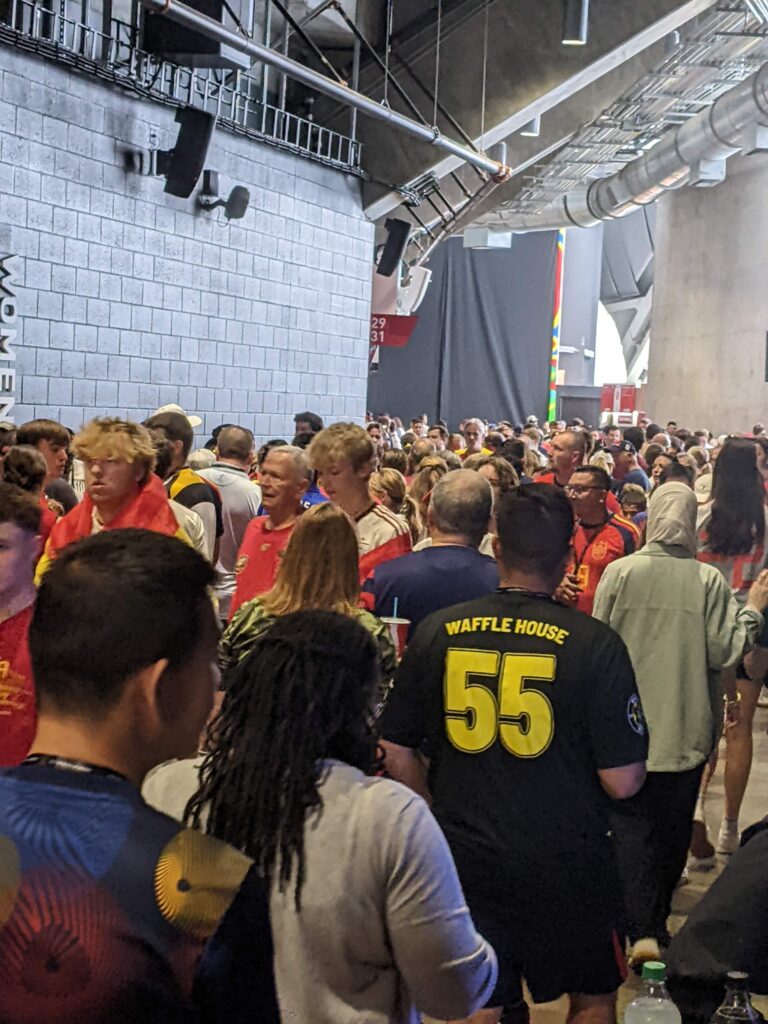
People are also really into Waffle House. Waffle House is a staple in the South. It is open 24 hours a day and serves breakfast and lunch-type stuff, so it’s the perfect place to go when you’ve flown in from another time zone and are jet-lagged and it’s the middle of the night. (Waffle House also has an interesting business philosophy about being a shelter/destination in a weather emergency. Another thing to google, it’s very interesting, and I have friends who have taken advantage of this.) Anyway, Waffle House did themselves a solid and made branded soccer jerseys that I have seen around town. Awesome.
The Waffle House by Fan FestThe Waffle House by Fan FestAt the Spain vs Saudi Arabia game
Finally, here are some misc photos that I have snapped over the last 3 weeks:
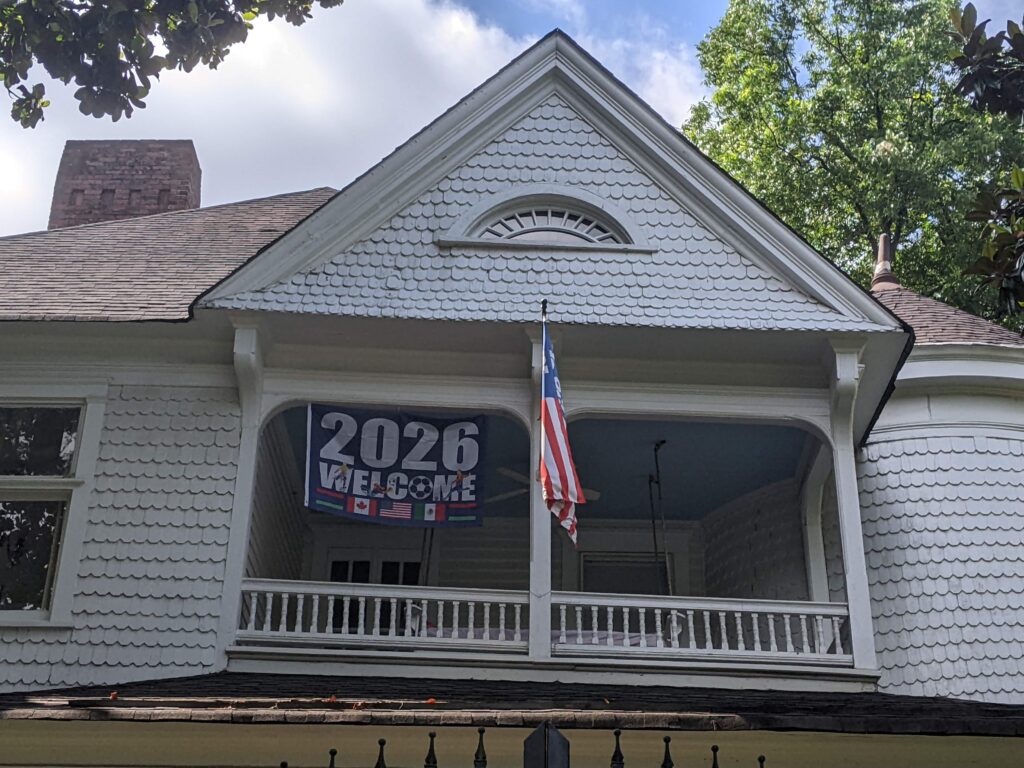
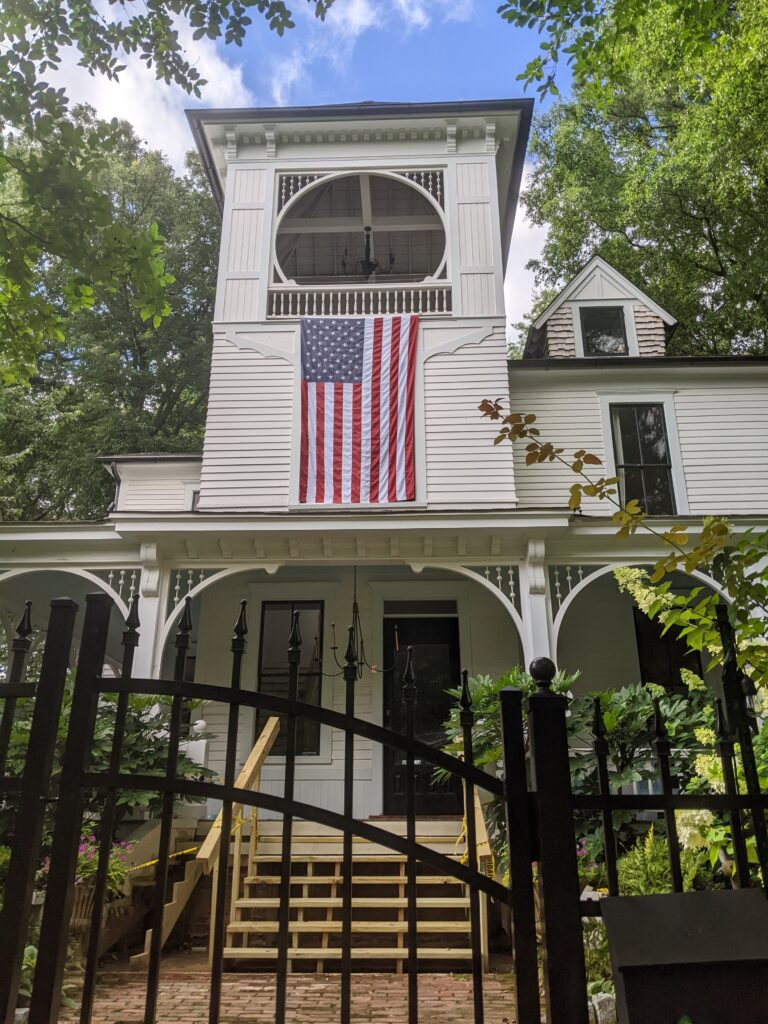
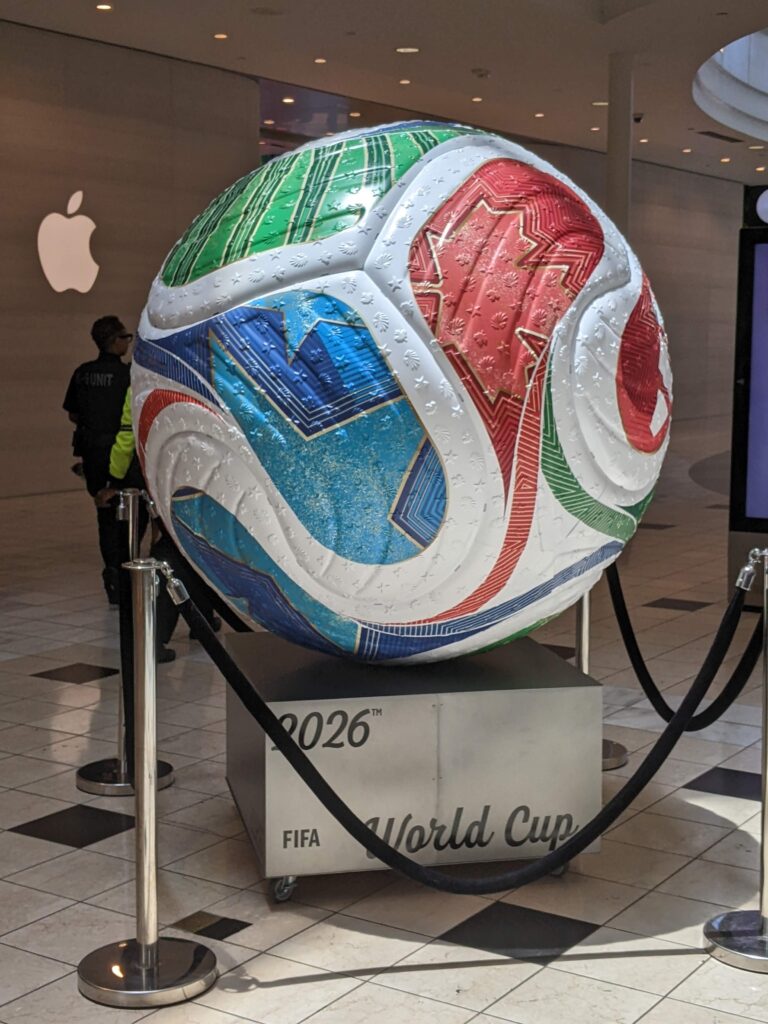
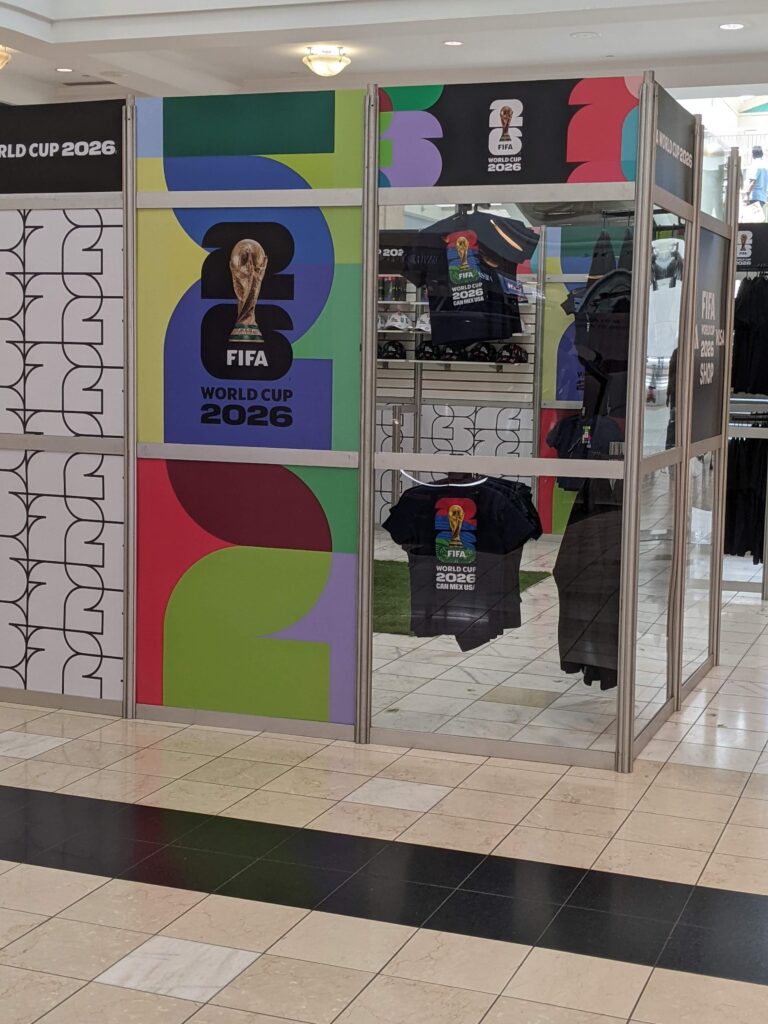
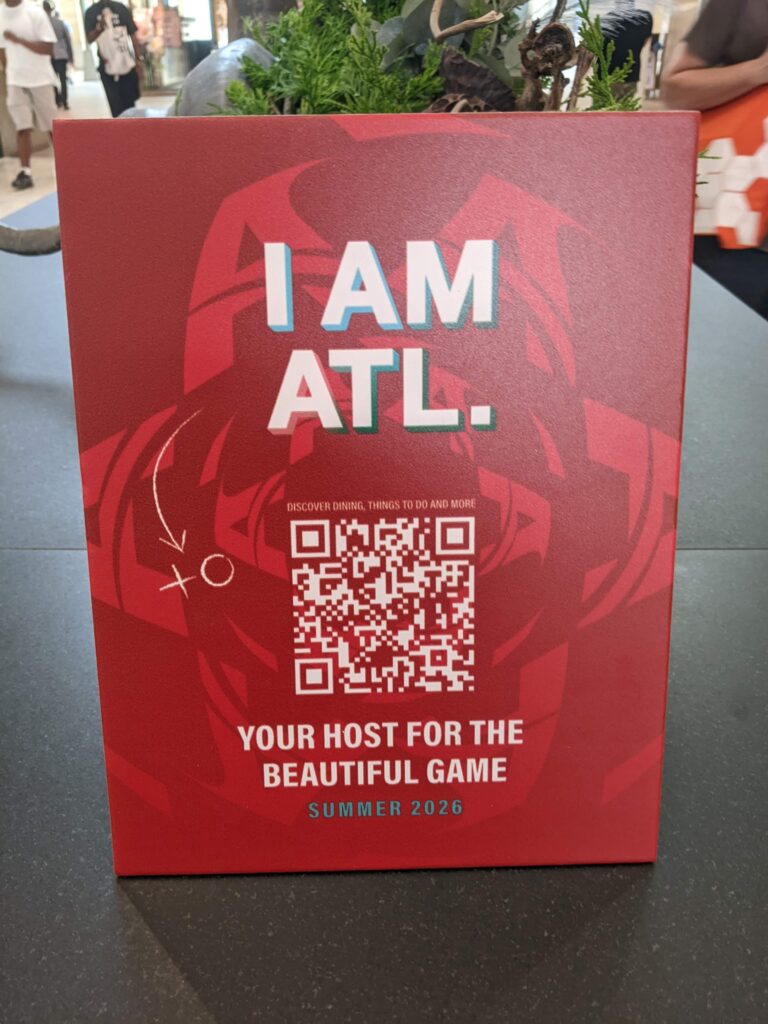
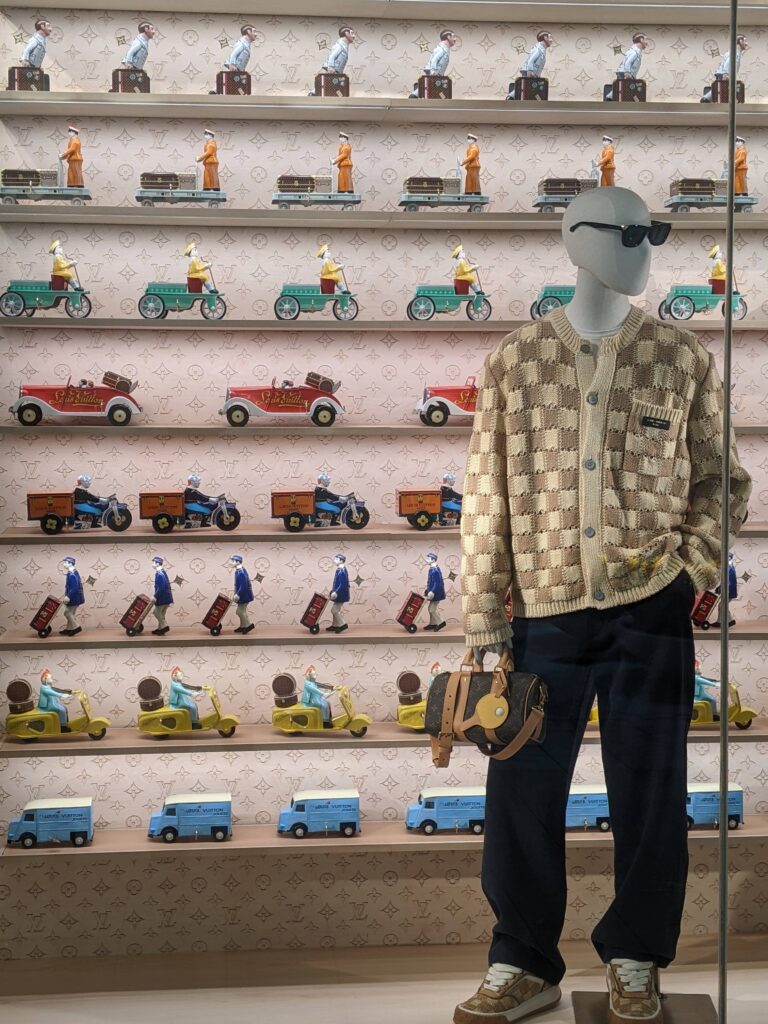
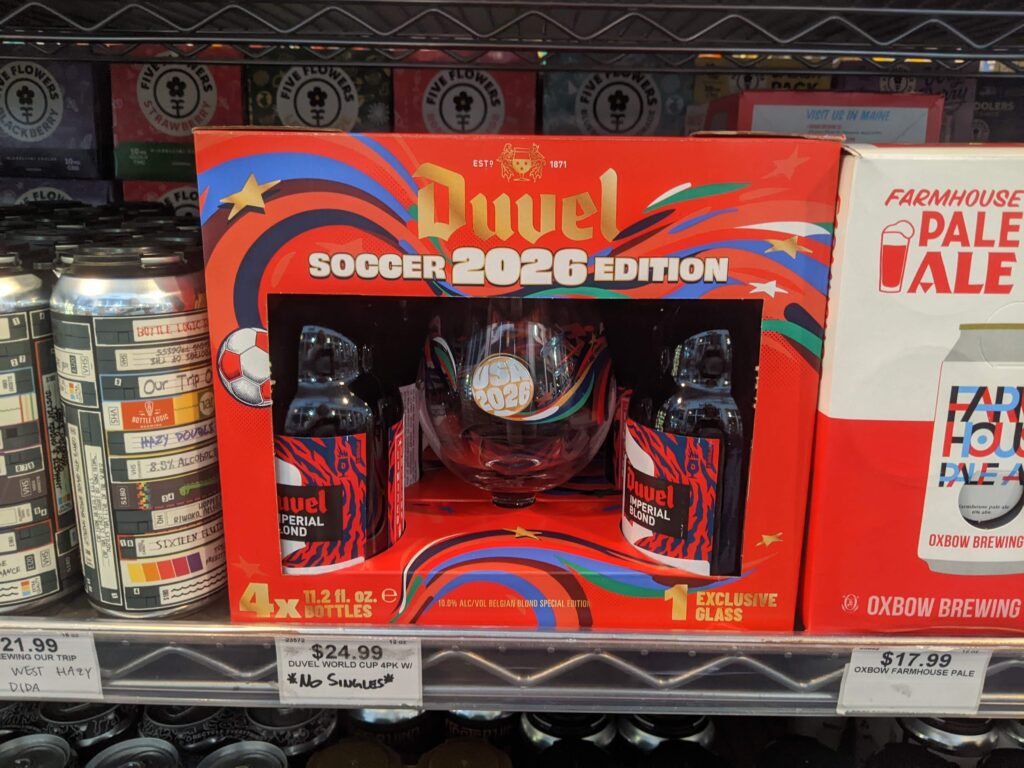
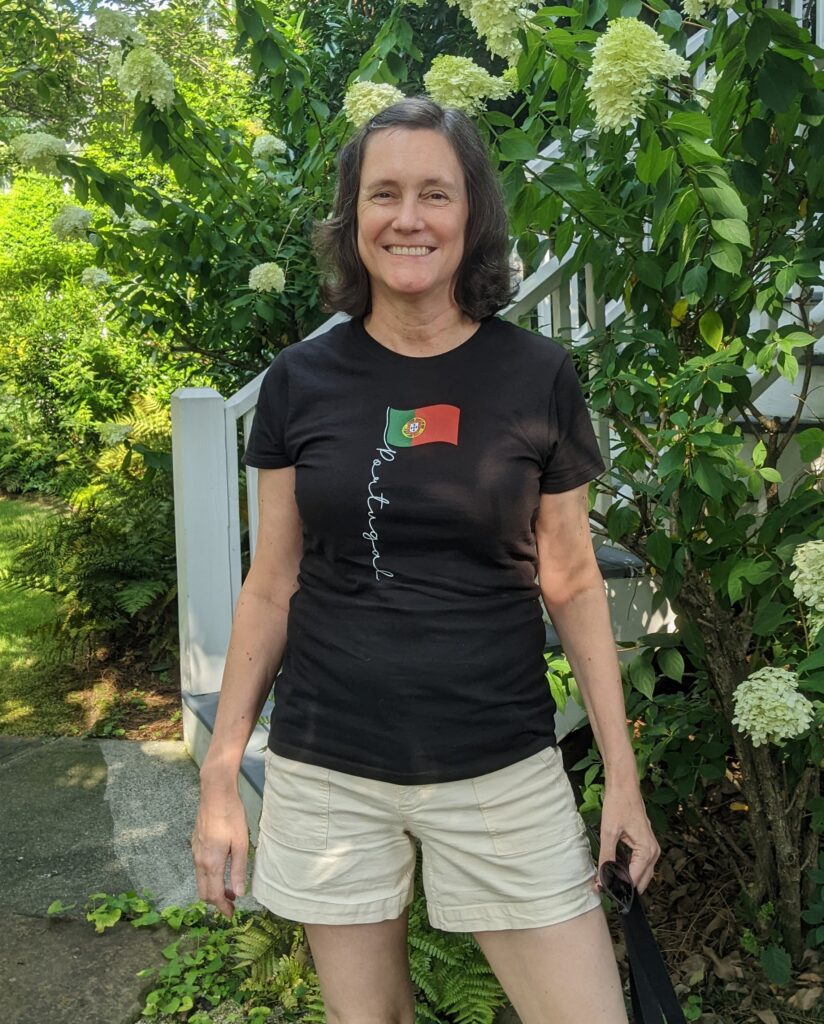
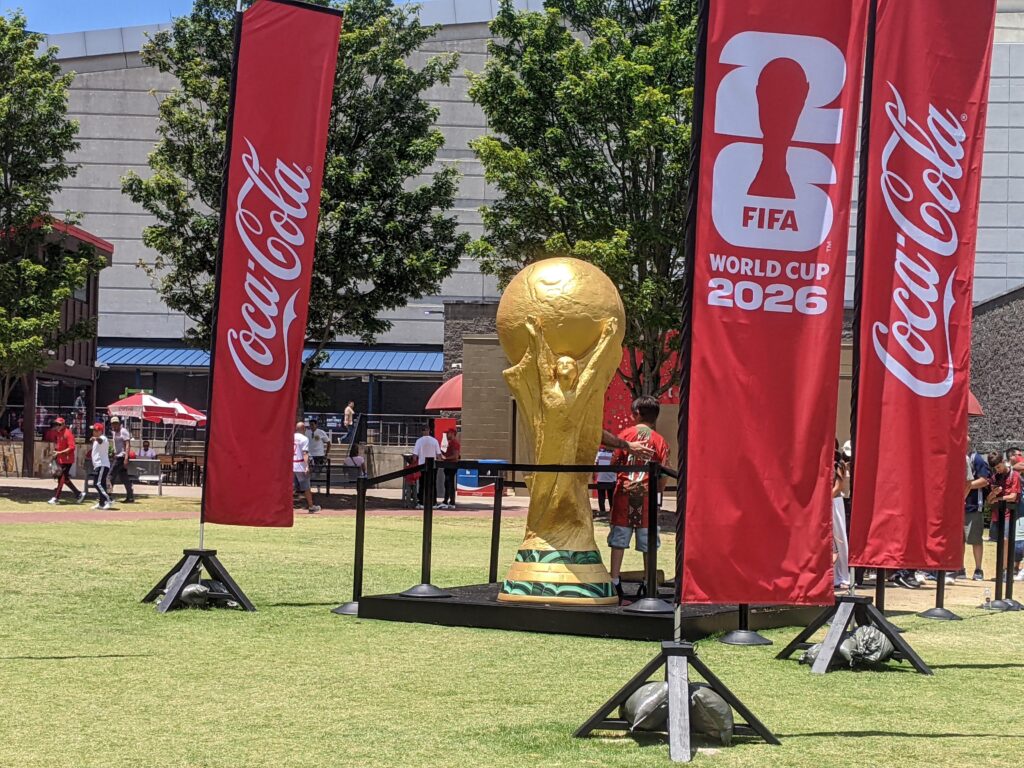
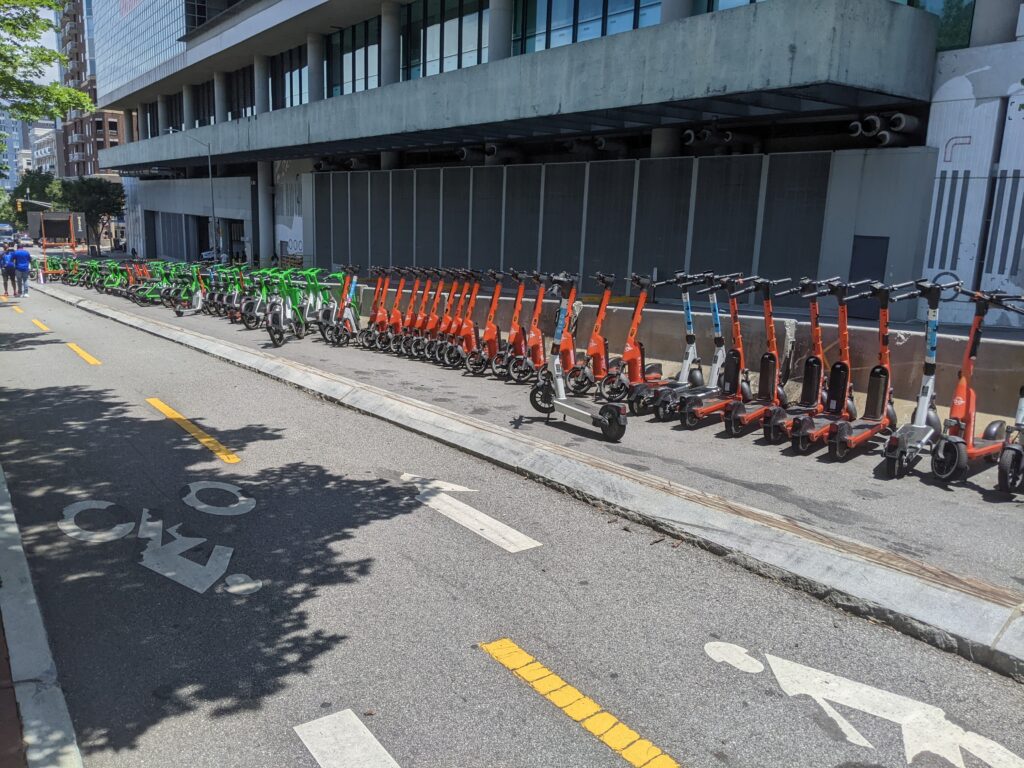
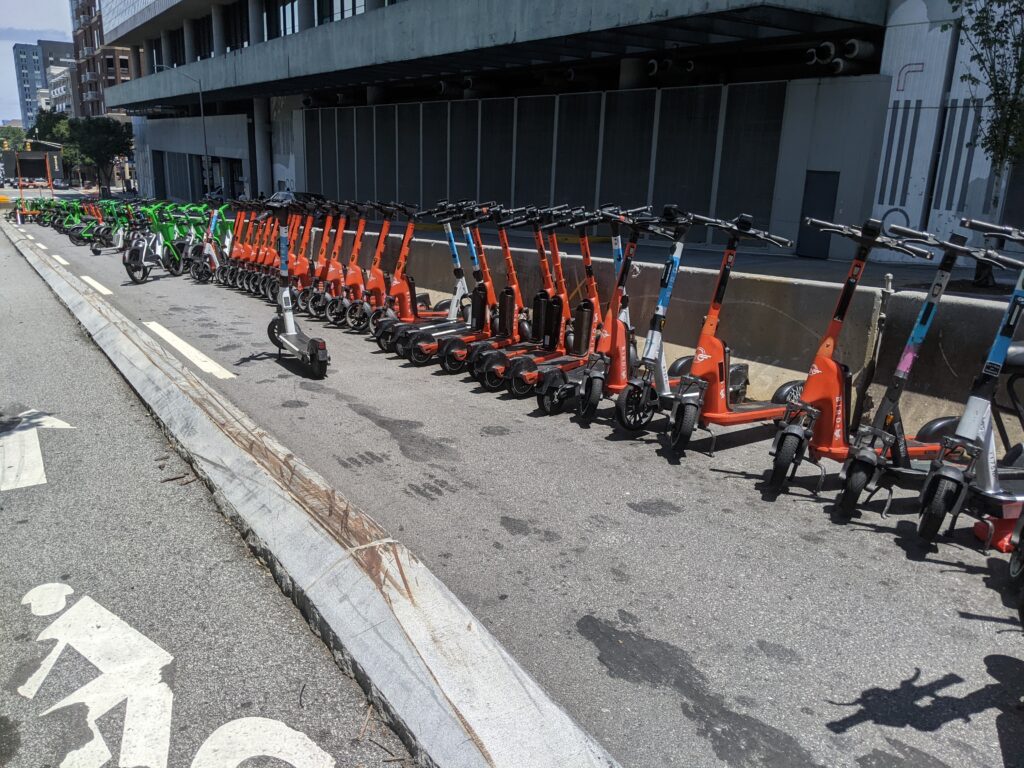
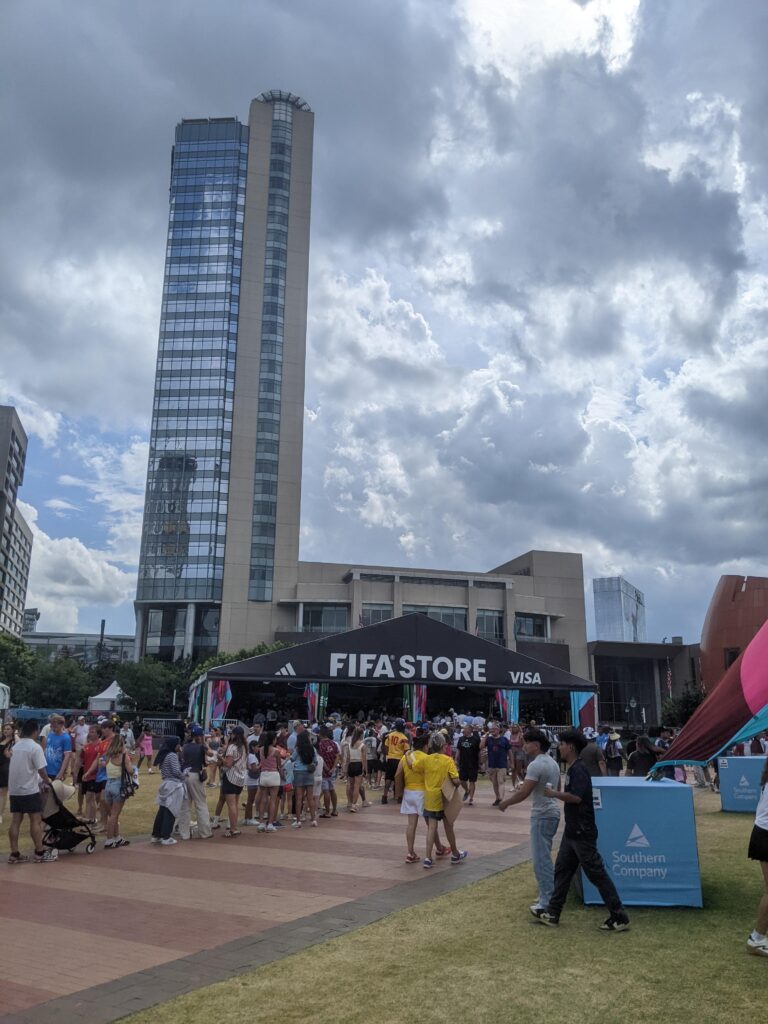
A banner at my neighbor’s house welcomes visitorsI thought this flag was to support the USA team, but it might have just been an early July 4th flagA giant FIFA ball at Lenox mallThe FIFA store at LenoxFIFA ATL branding at the mallThe Louis Vuitton store had a cool window displayDuvel branded packaging at Hop City, our local beer and wine shopI have a new Portugal t-shirtThe Coca-cola museum is next to Fan Fest, and it has some new signageThe lawn in front of the Coke museum has a giant World Cup trophy with a line of people waiting to take their photos with itThere are sooooo many scooters parked outside of Fan FestAnd finally, the kitty hiding under the bed and yelling at me
The Atlanta Fan Fest takes place in Centennial Olympic Park, a park that takes up five city blocks in downtown Atlanta. The park was developed for the 1996 Olympics, and it is now a central tourist destination ringed by the Georgia Aquarium, World of Coca-Cola museum, College Football Hall of Fame, Children’s Museum of Atlanta, and the National Center for Civil and Human Rights. It is also across the street from the former CNN Center which is currently being redeveloped, and it is a few minutes’ walk from Mercedes-Benz Stadium, the venue for the FIFA games, as well as State Farm Arena, the basketball arena.
Perhaps most importantly for me, Centennial Park is a 5-minute walk from my office. I have an annual pass for Georgia Aquarium, so it’s easy for me to pop over there during my lunch hour or after work to watch the underwater animals. It also meant it was easy for me to walk over there during lunch on my first week back in the office. I wanted to see what the deal was with Fan Fest and see the global visitors in downtown Atlanta.
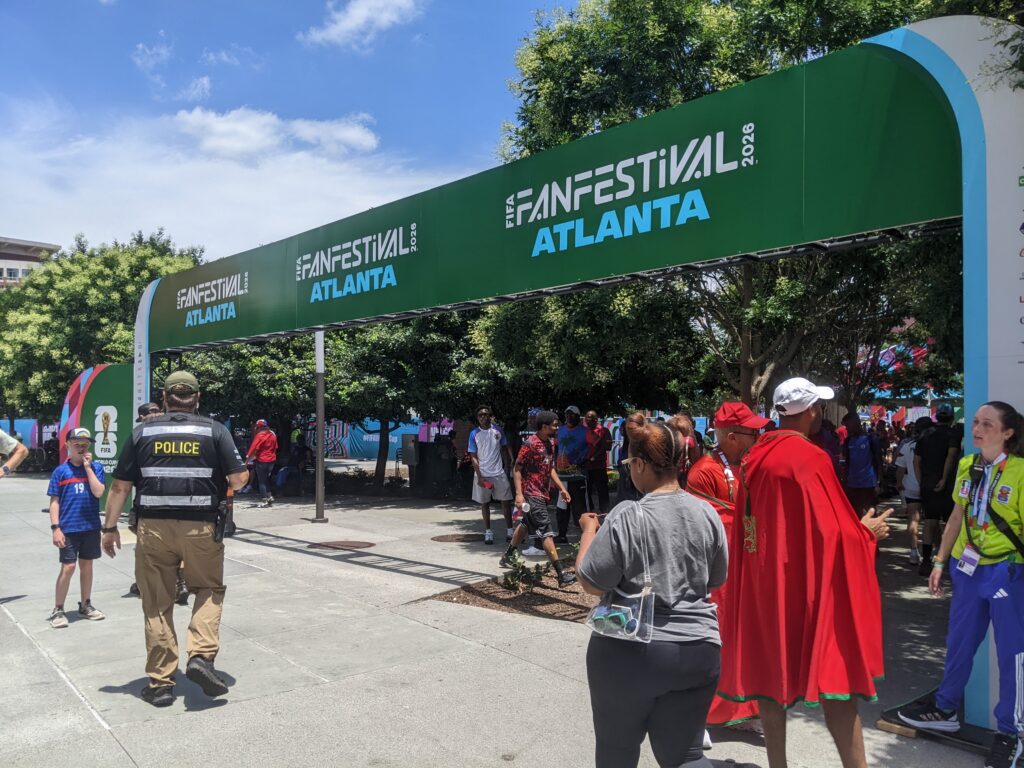
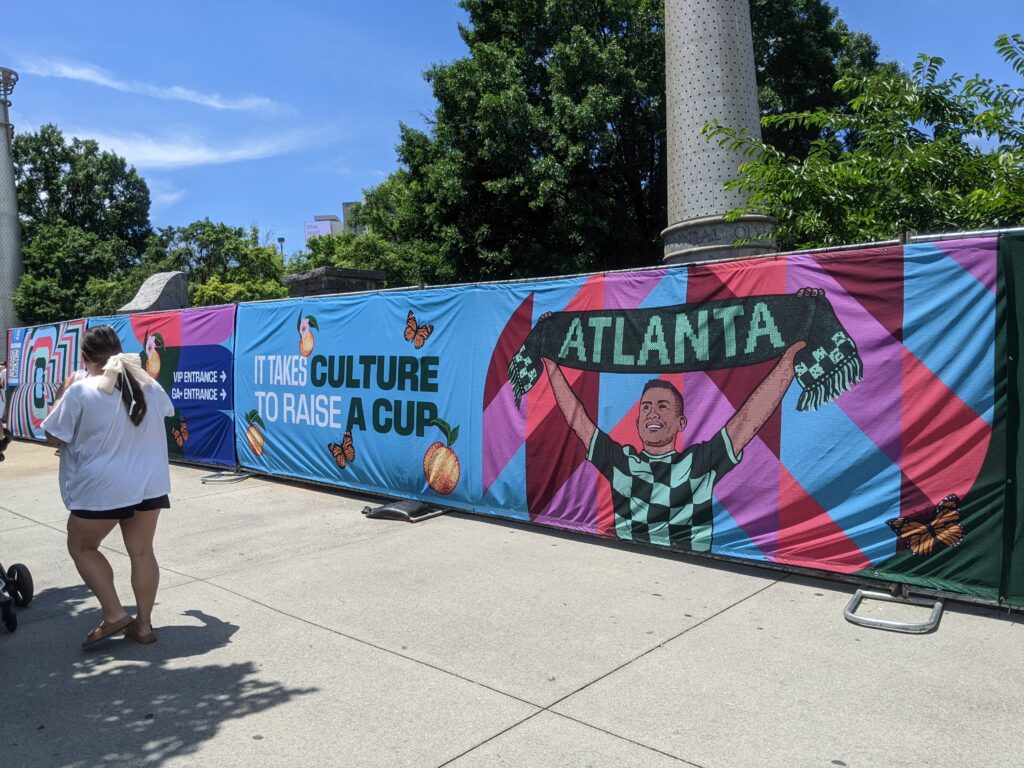
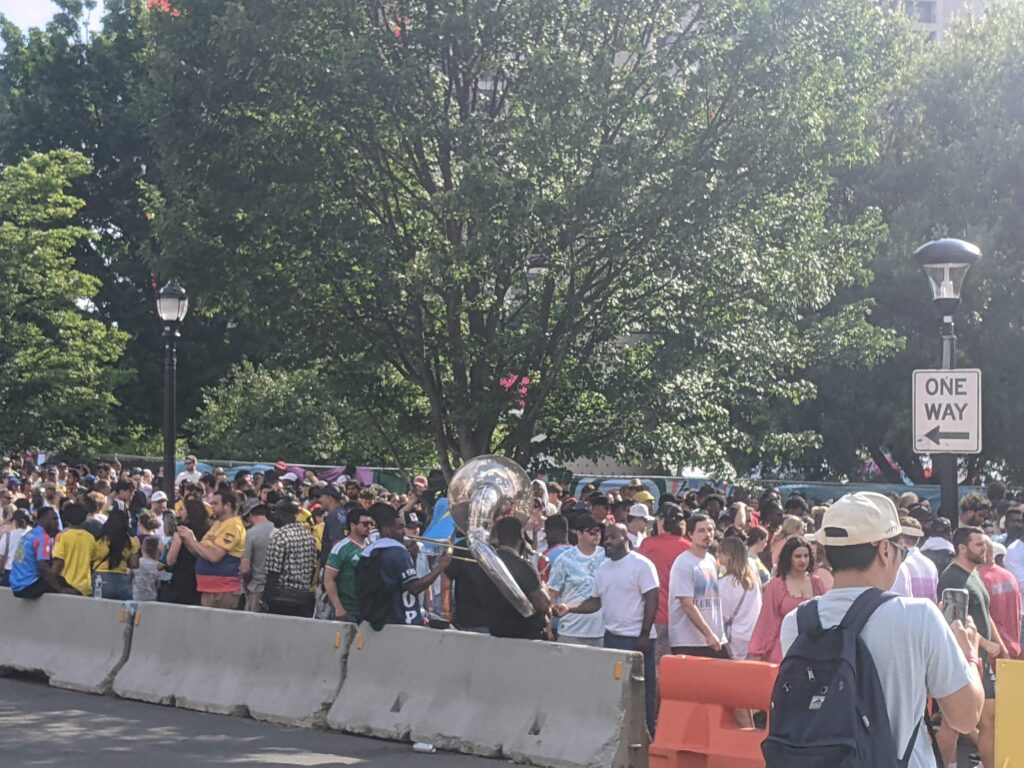
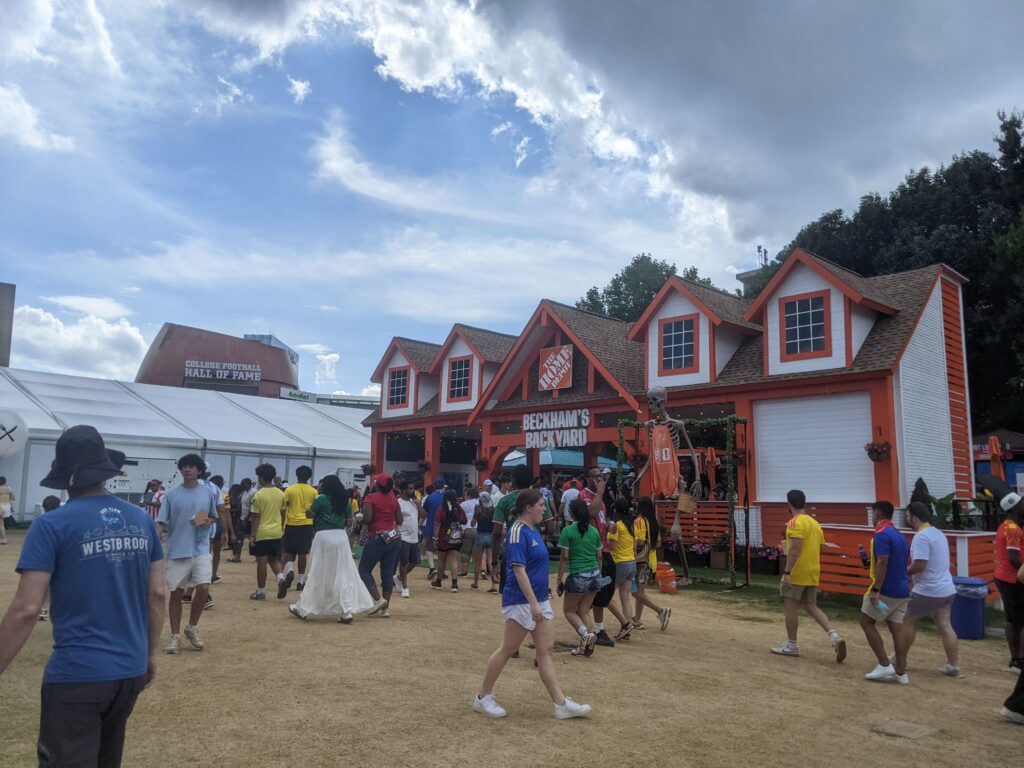
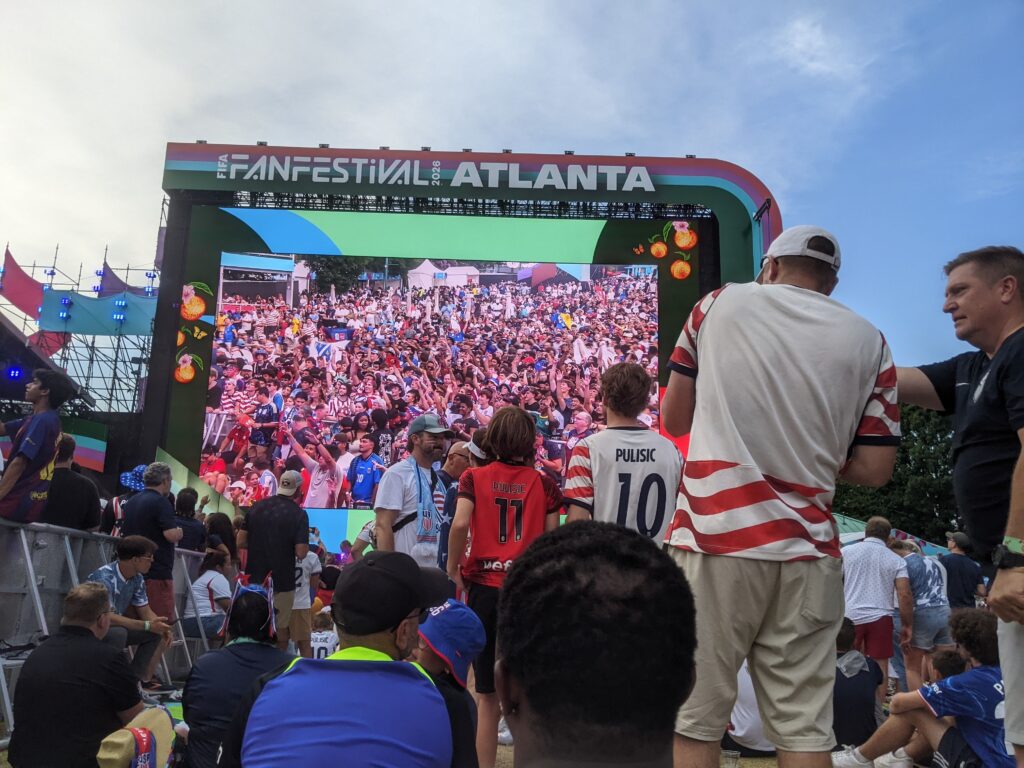
Fan FestAtlanta Fan Fest signageThe view across Fan FestPeople waiting to get into Fan FestOMG so many scooters hereAn entrance to Fan Fest framed with the Olympic rings from 1996
At the end of that week on Saturday, Chad and I went to Fan Fest to watch the Croatia-Ghana game. We got there at 4pm, the game started at 5pm, and we left at half-time at 6pm because it was so hot.
We did walk all around Fan Fest. All of the corporate sponsors had booths/tents. One thing that was cool was that there were water-bottle-filling stations for free, which was important since it’s July in Georgia. The England game was playing on the biggest screen, and the Croatia games was on the smaller screens.
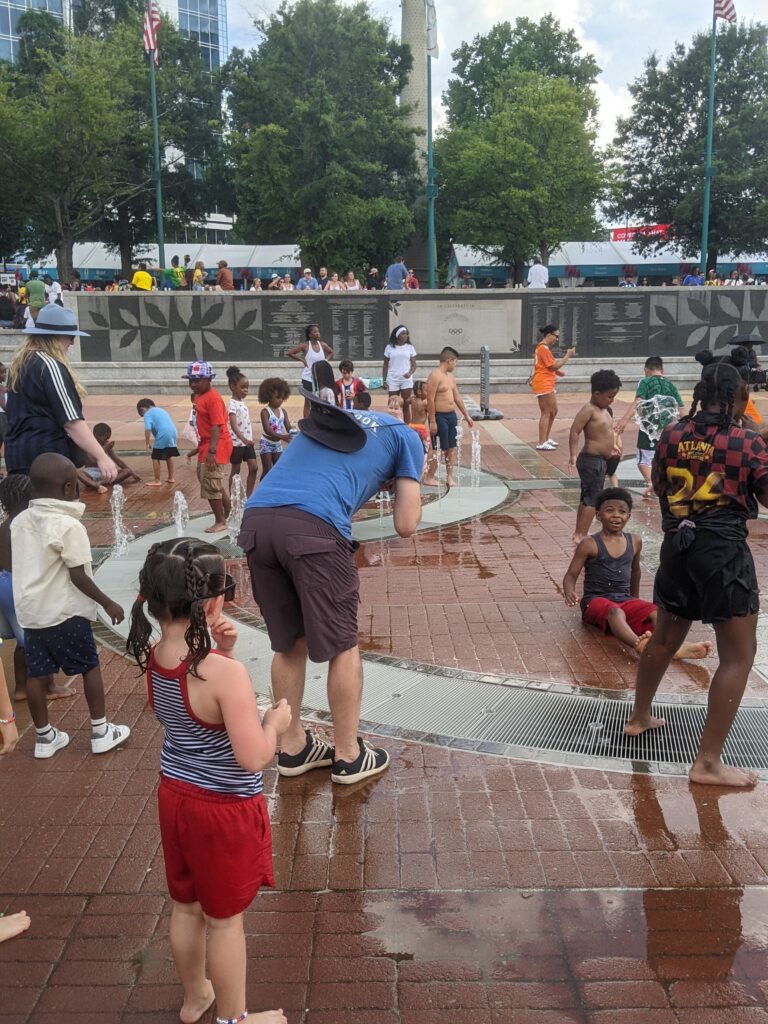
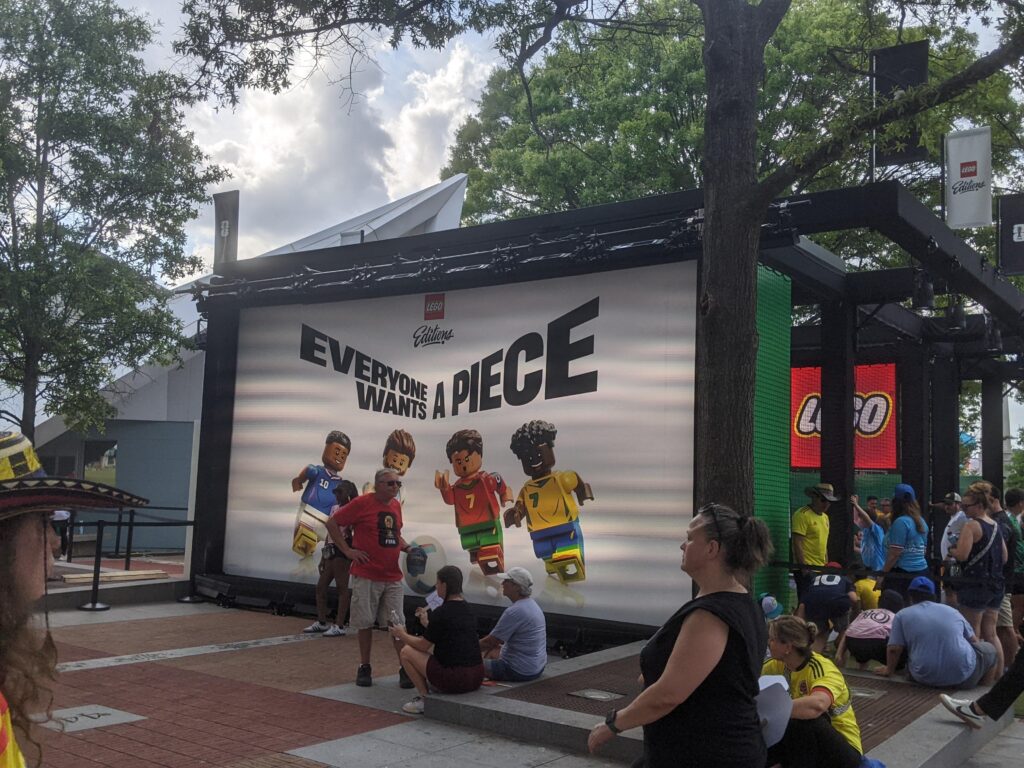
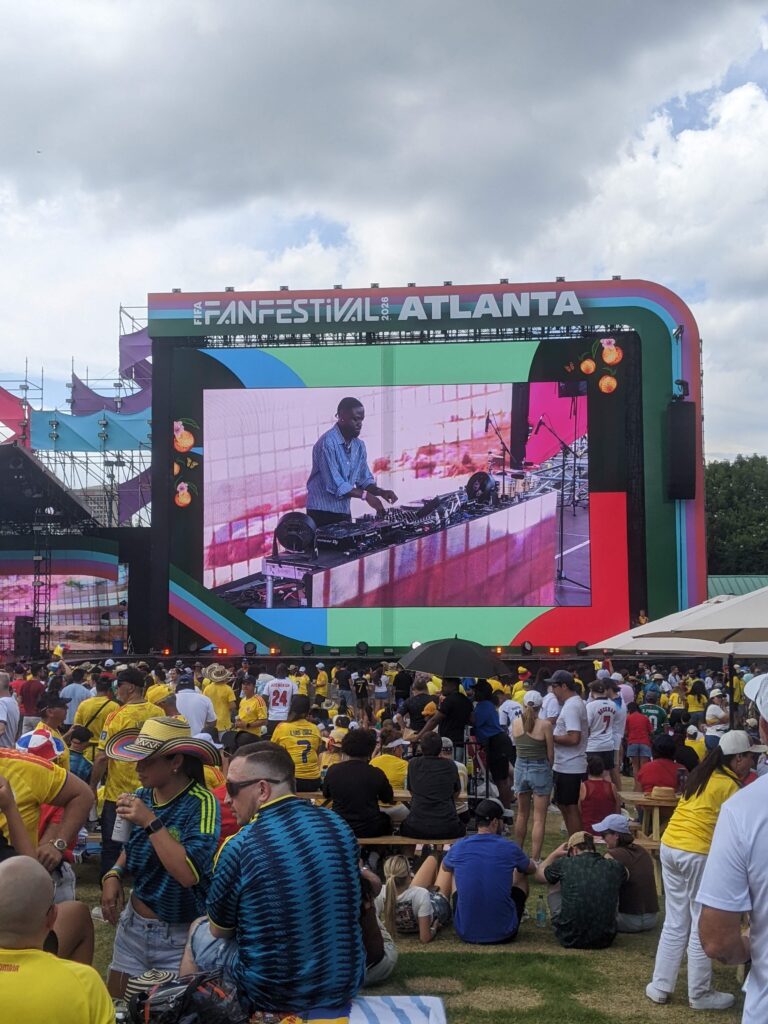
Insta shot, just inside the entry to Fan FestView across Fan Fest to downtown Atlanta – my office is in the black building with the purple billboard in the backgroundThe line for the official merchandise store was so long – I opted to buy a shirt onlineCentennial Olympic Park has a fountain that kids play in, and Chad took advantage to cool offHome Depot booth – a corporate sponsor and a local companyBank of America, another corporate sponsorI don’t really understand this Lego booth, I haven’t seen any other Lego sponsorship during the tournamentA DJ kept the crowd entertainedWatching the Croatia-Ghana game
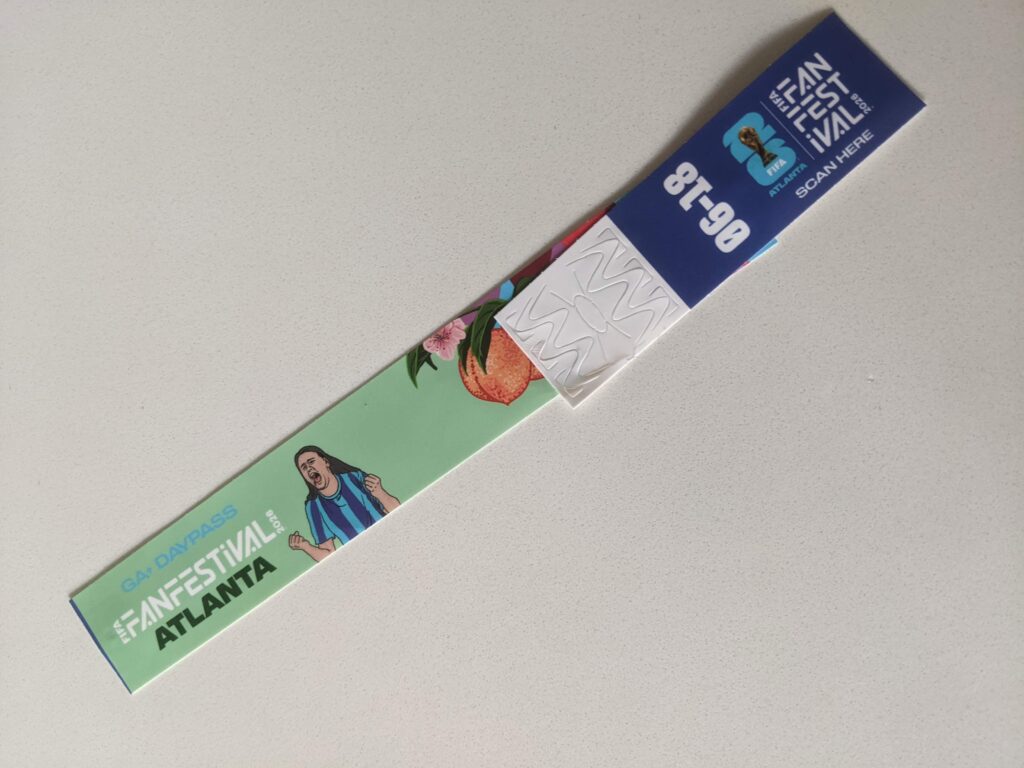
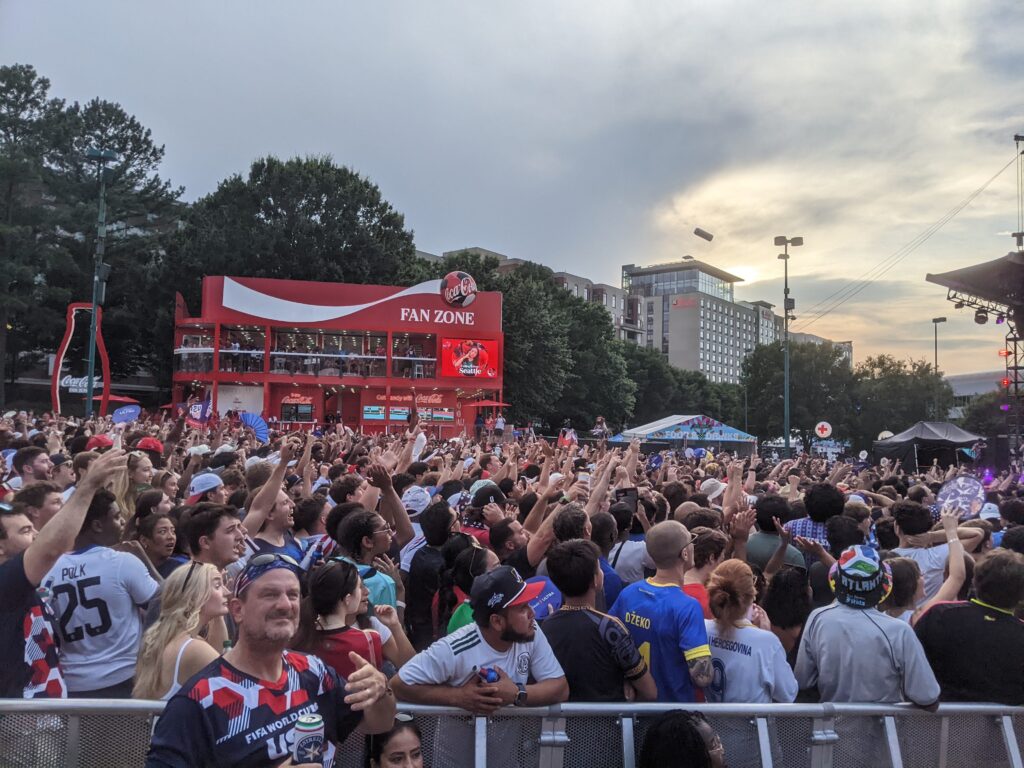
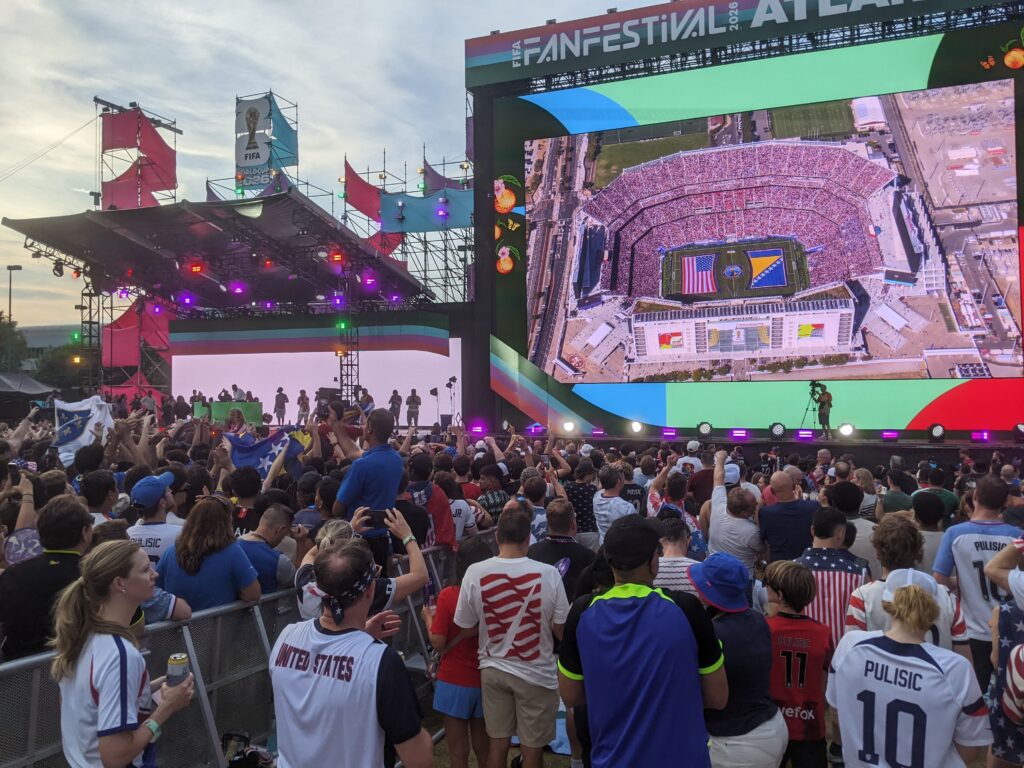
Then on July 1, we went back to Fan Fest for the USA game. I told Chad that I wanted to watch the American team play in America and watch with a bunch of Americans. Check. For this game, the free tickets for the general admission area were “sold out,” so I splurged and bought tickets to the GA+ area, and I’m so glad I did. The general admission area was packed like sardines, standing-room only. And while our paid area was full, we still had room to move around and sit down during the breaks and we had a perfect central view to the main screen.
Hudson Grille, across the street from the Fan Fest, was absolutely PACKED before the gameA band entertained the crowd before the gameWe had wristbands for the GA+ areaThe VIP tickets ($325) gets you into this 2-story building with a/c, free drinks, free food, but the viewing was off to the side as opposed to our GA+ view directly to the center of the screenThe general admission area was packed, shoulder-to-shoulder, sardine-styleWaiting for the game to start, sweatyThe Fan Fest crowd dancing to the pre-game musicThe national anthems and country flags
The USA won the game that night. And as we walked out, the DJ played “All I Do Is Win” by DJ Khalid and everyone sang along which was perfect.
Through all three of these perspectives of the Fan Fest – walking around during my lunch hour, the free admission, and the GA+ special admission – it’s been amazingly cool to see so many people from around the world. And honestly, the most obnoxious experience was the USA game – the screaming and obscenities and people throwing things, it was disappointing. But I’m glad we’ve been able to experience the World Cup for these weeks in Atlanta.
We bought tickets to one World Cup game in Atlanta. We got them through the lottery last fall, and, at the time, we had no idea which countries would be playing in the game. I was very excited this spring when I learned that Spain would be playing, as they were favored (at the time) to win the tournament.
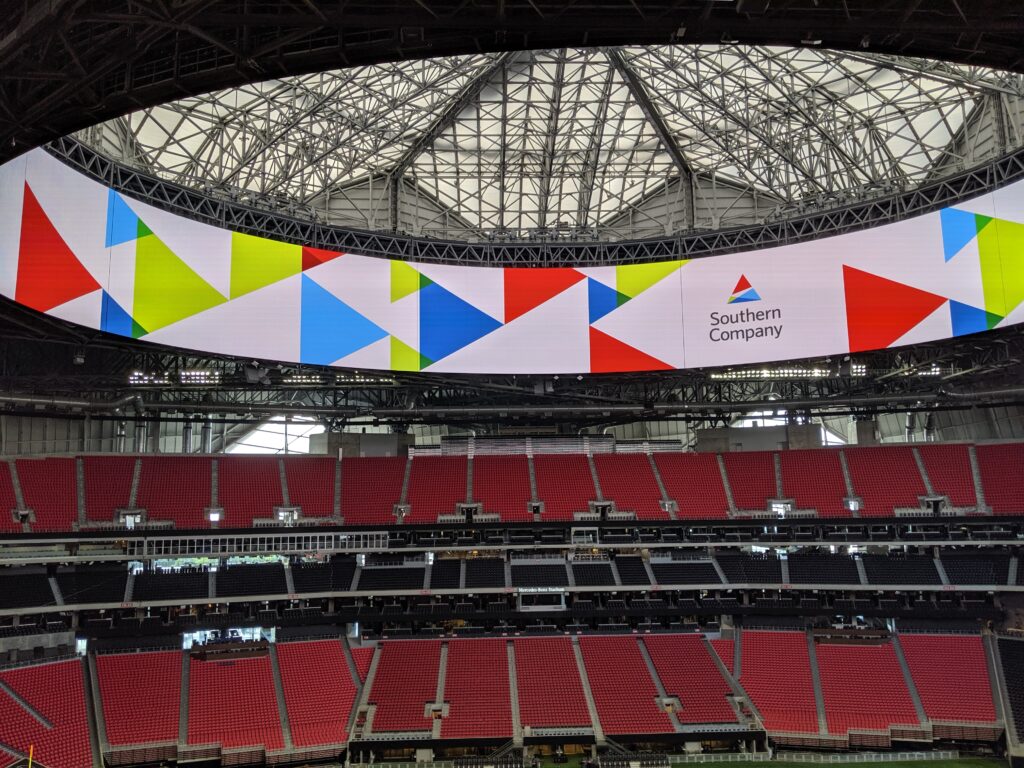
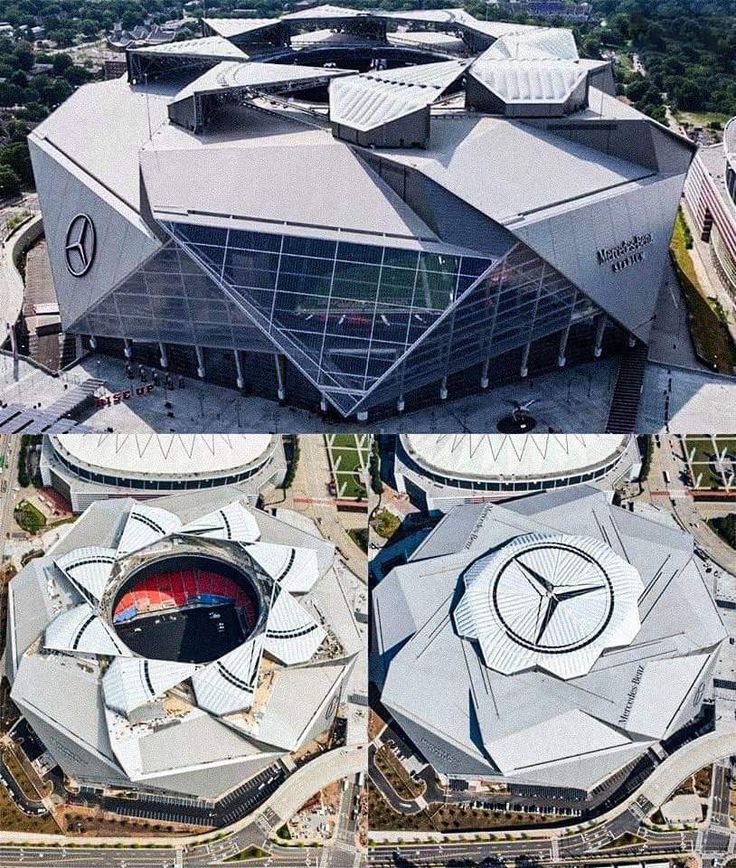
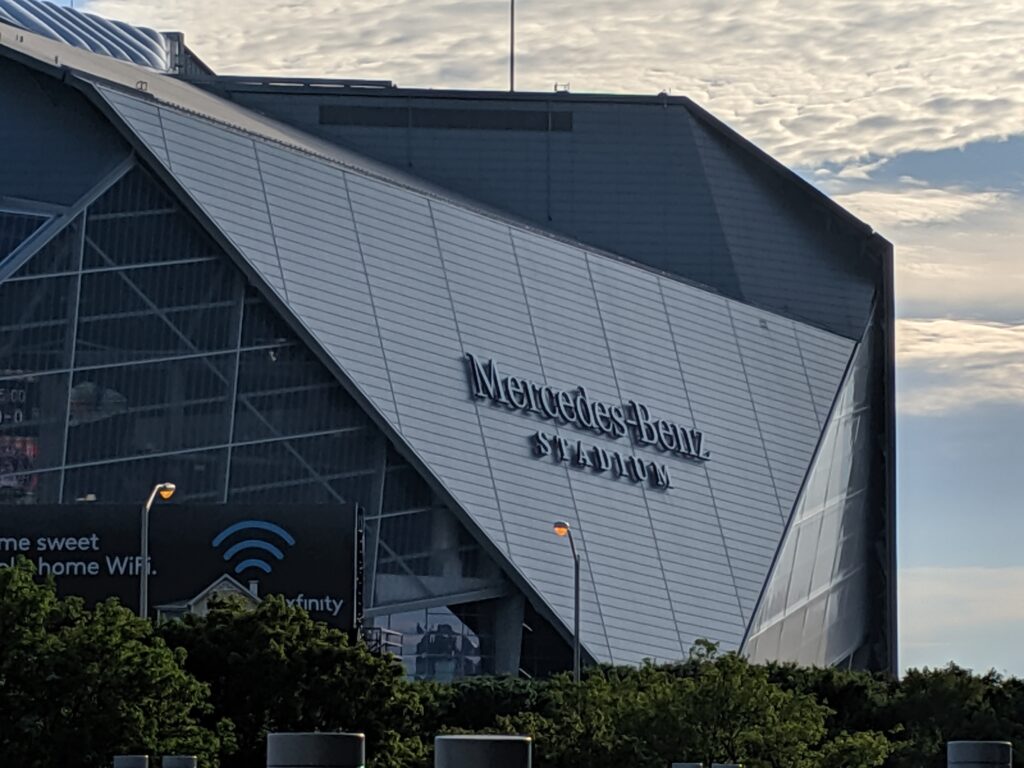
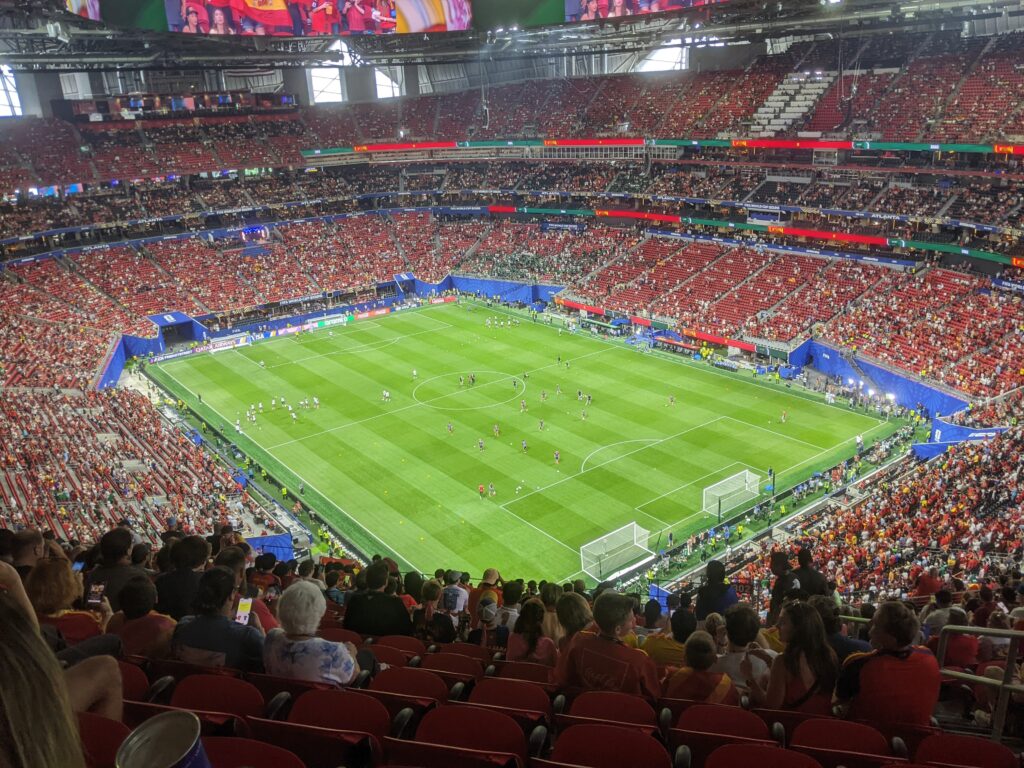
Mercedes-Benz Stadium was built about 10 years ago, and it is a beautiful stadium.
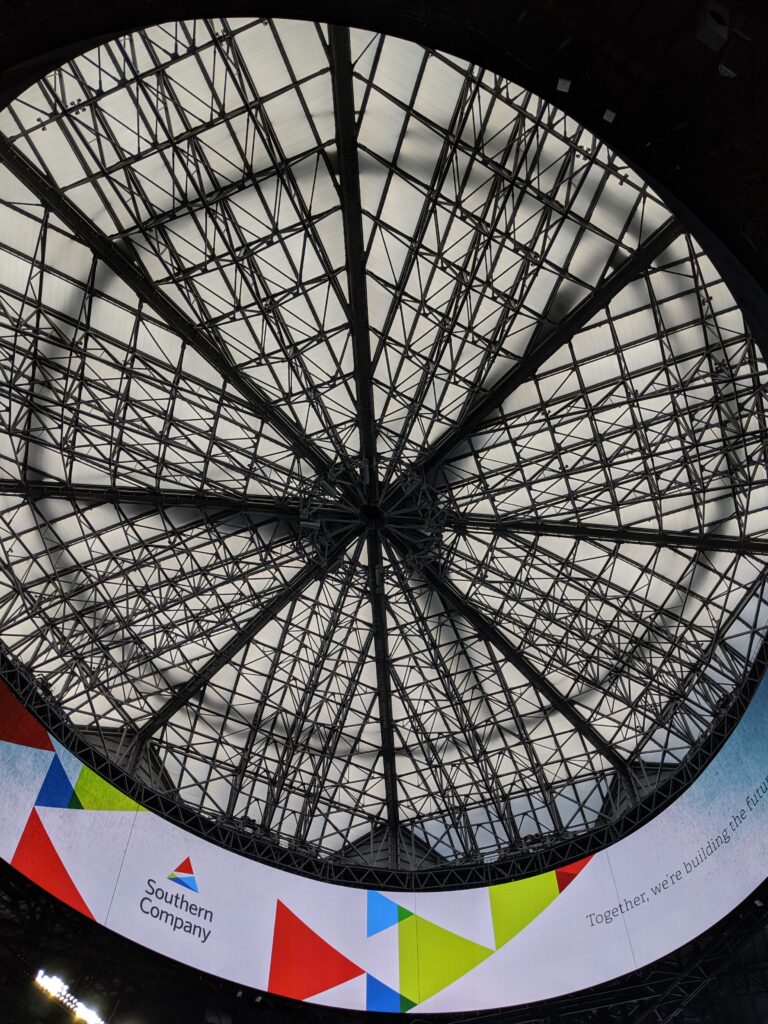
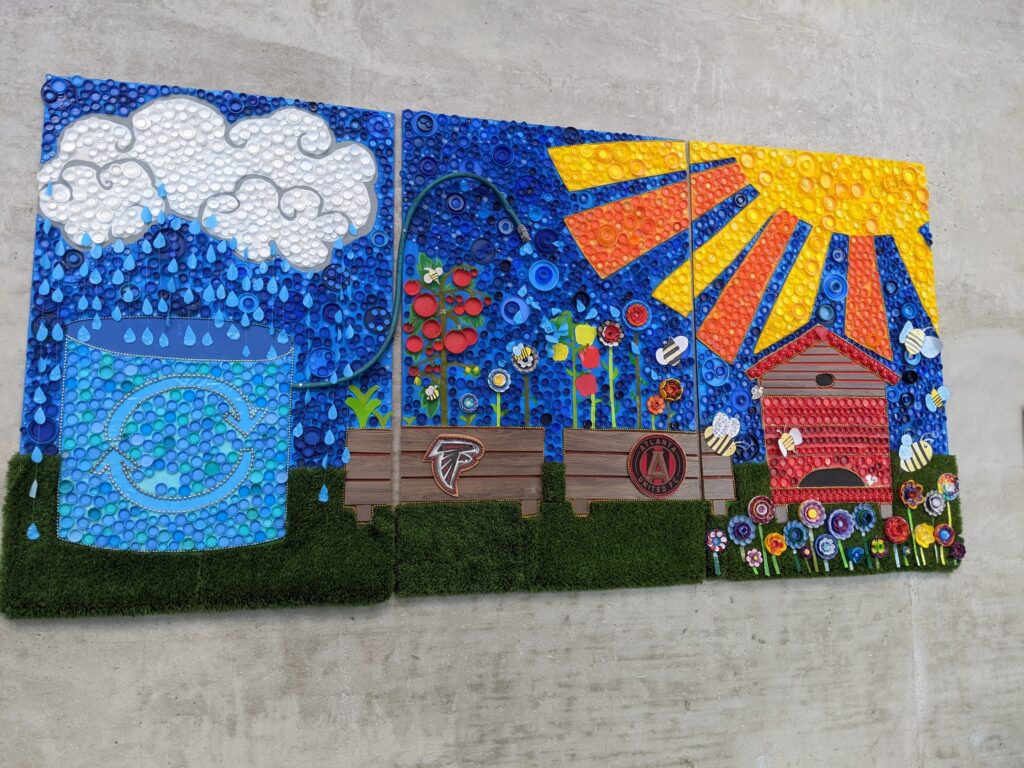
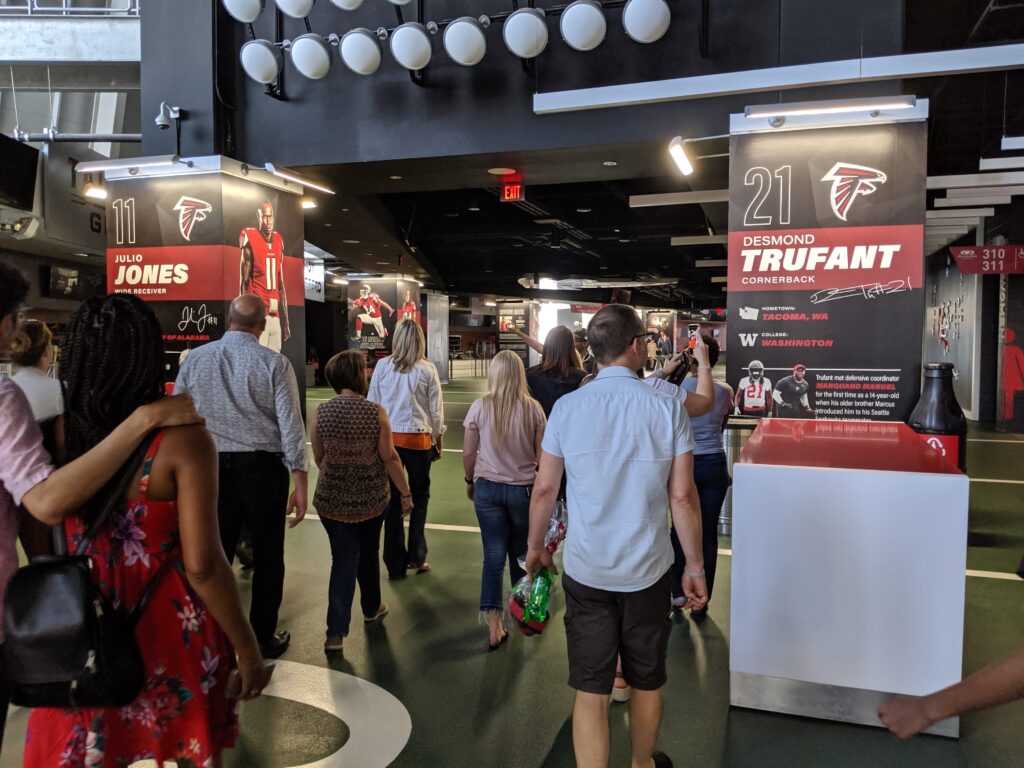
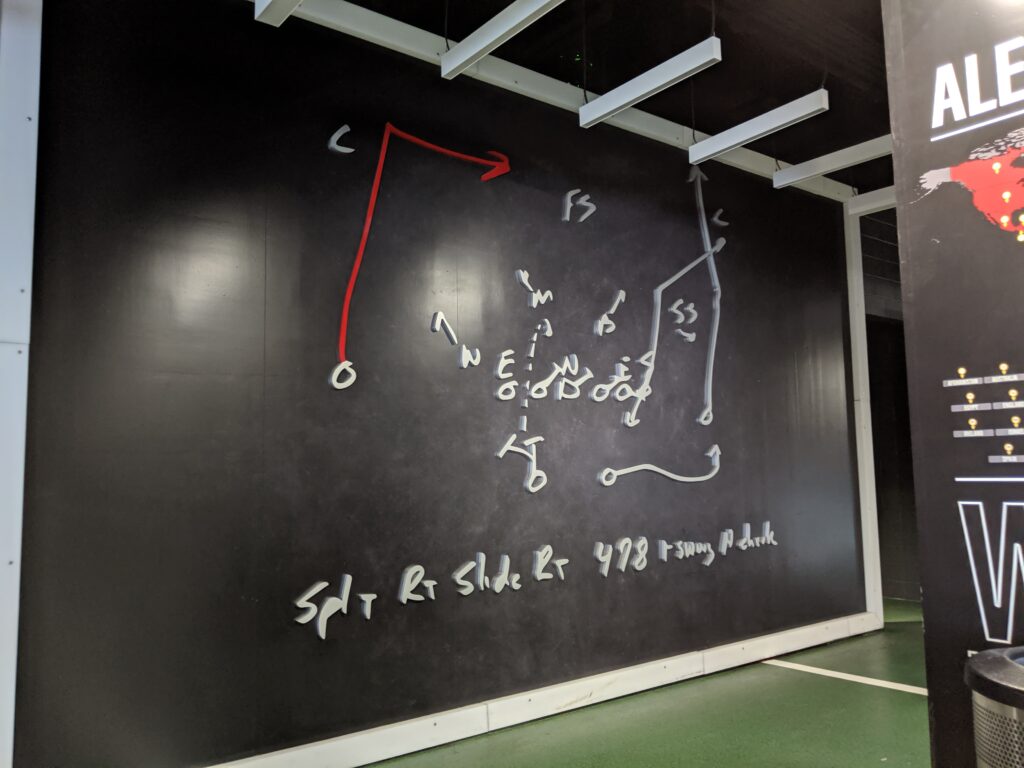
The stadium is a grand venueThe stadium is enclosed and air-conditioned, but the roof can open up if there’s good weatherFrom the interwebs, here’s a view of the stadium roof open and closed, it’s like the aperture of a cameraA mural of Atlanta and Georgia figures with the stadium pitch and seating beyondPublic art in the stadium made from plastic bottle capsThe stadium is also used for the Atlanta Falcons football team, so there is a sort of football alley with info signage (this photo from a private tour in 2019)More art, this time of the American football variet
We’ve been there to watch a few Atlanta United soccer games.
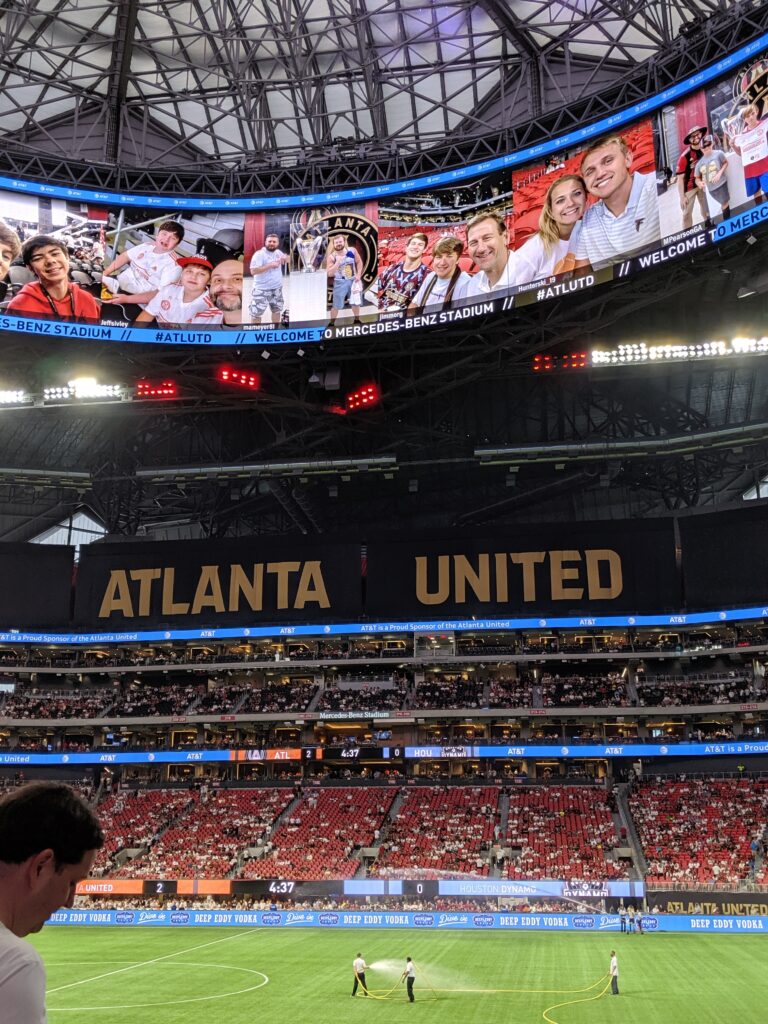
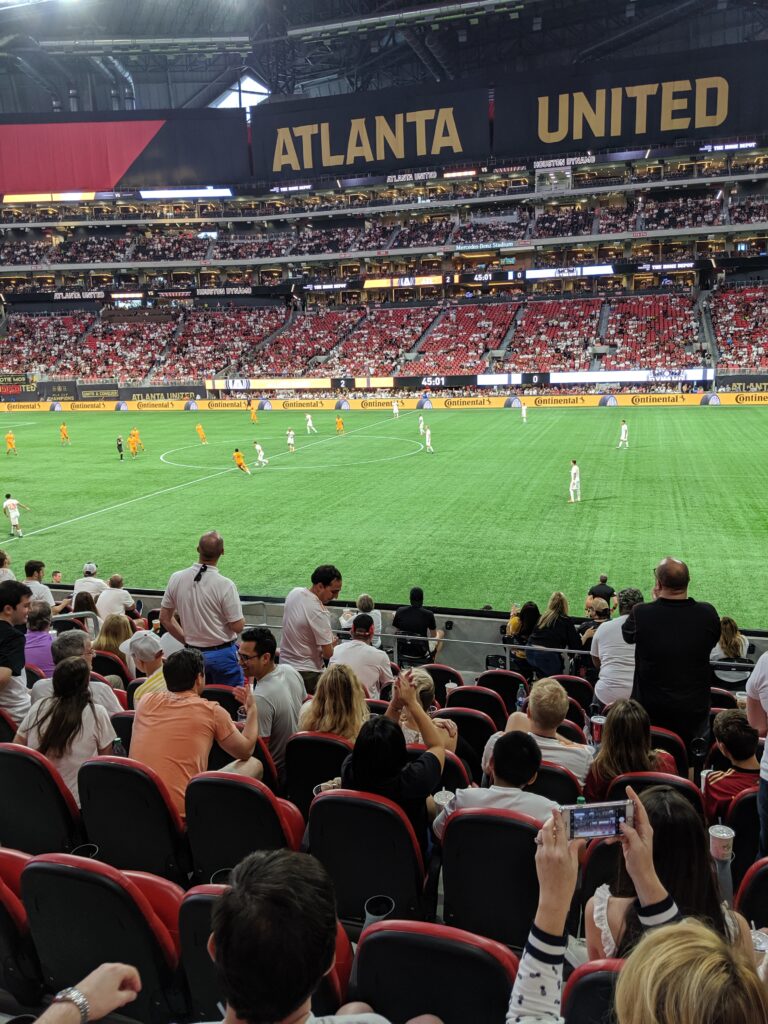
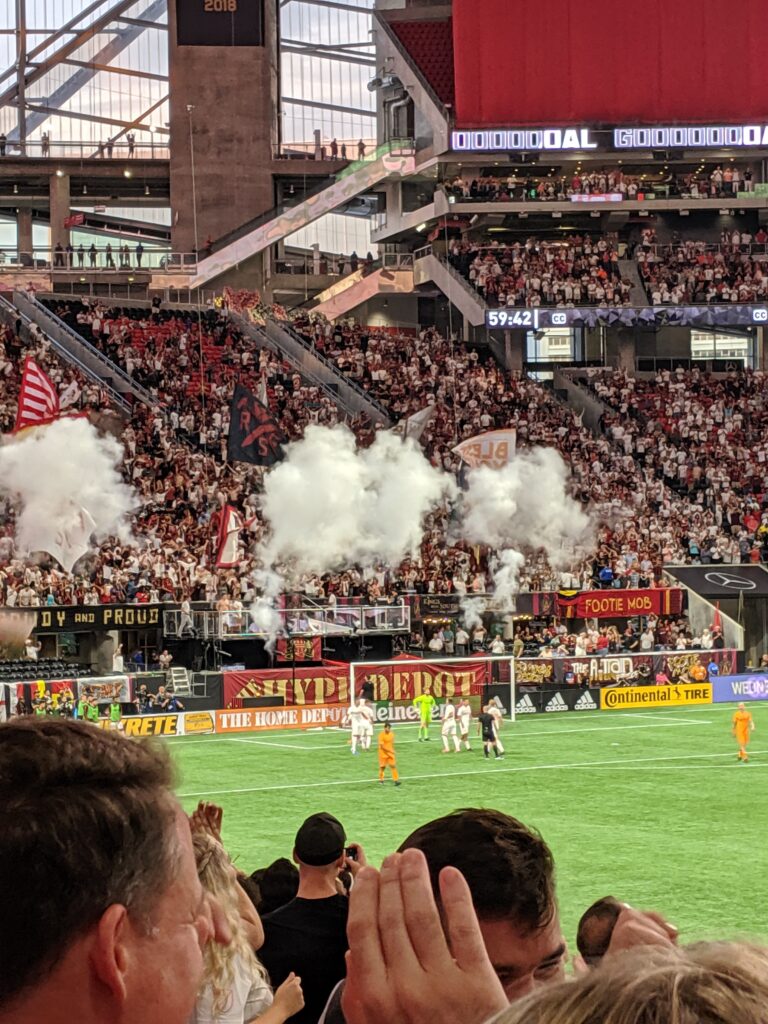
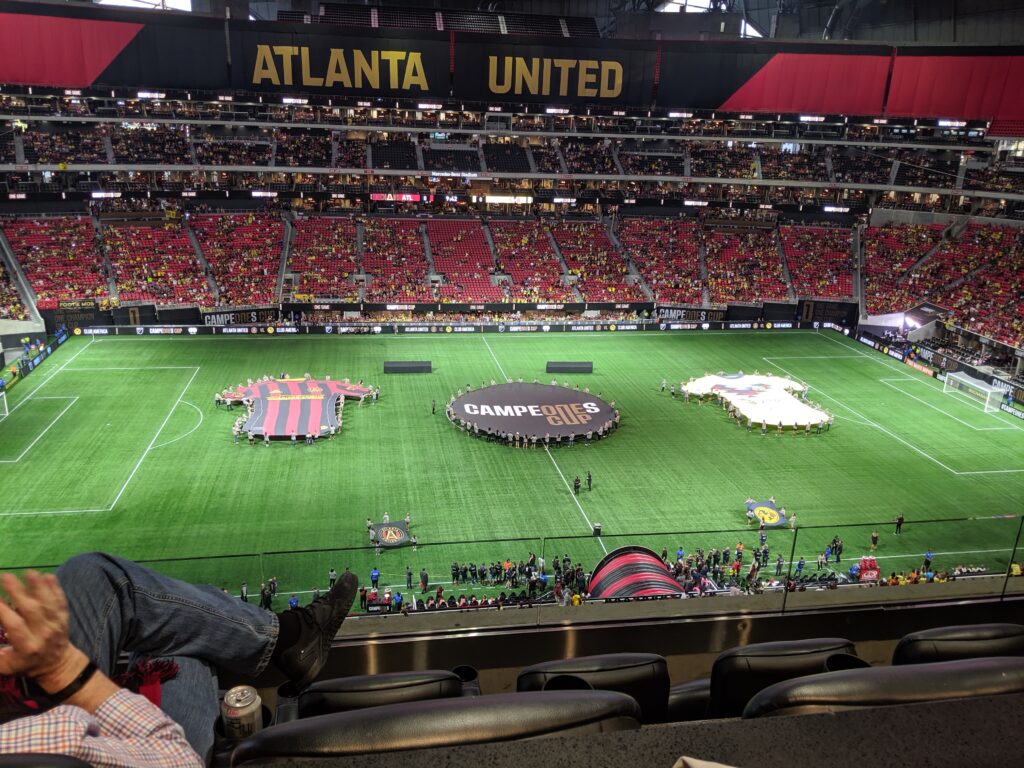
Waiting for an Atlanta United game to startDuring a gameThe seating area with the Footie Mob, the diehard fans of Atlanta UnitedPyrotechnics after a goalI attended a game in a box suite with clientsPrivate seating in the suite
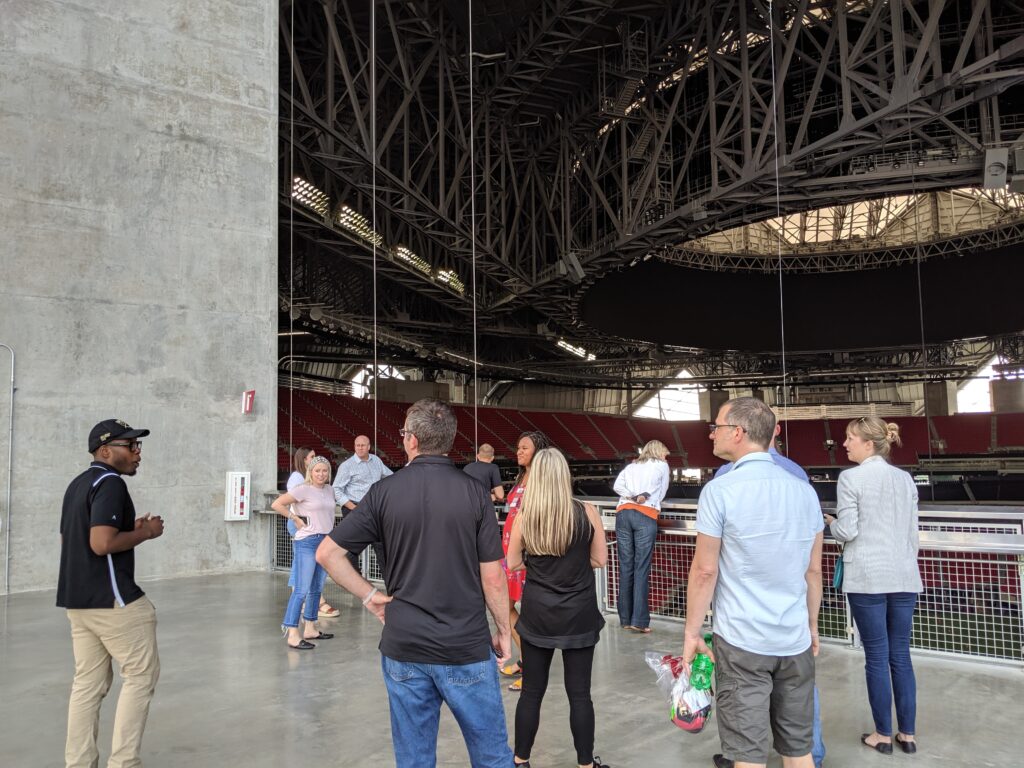
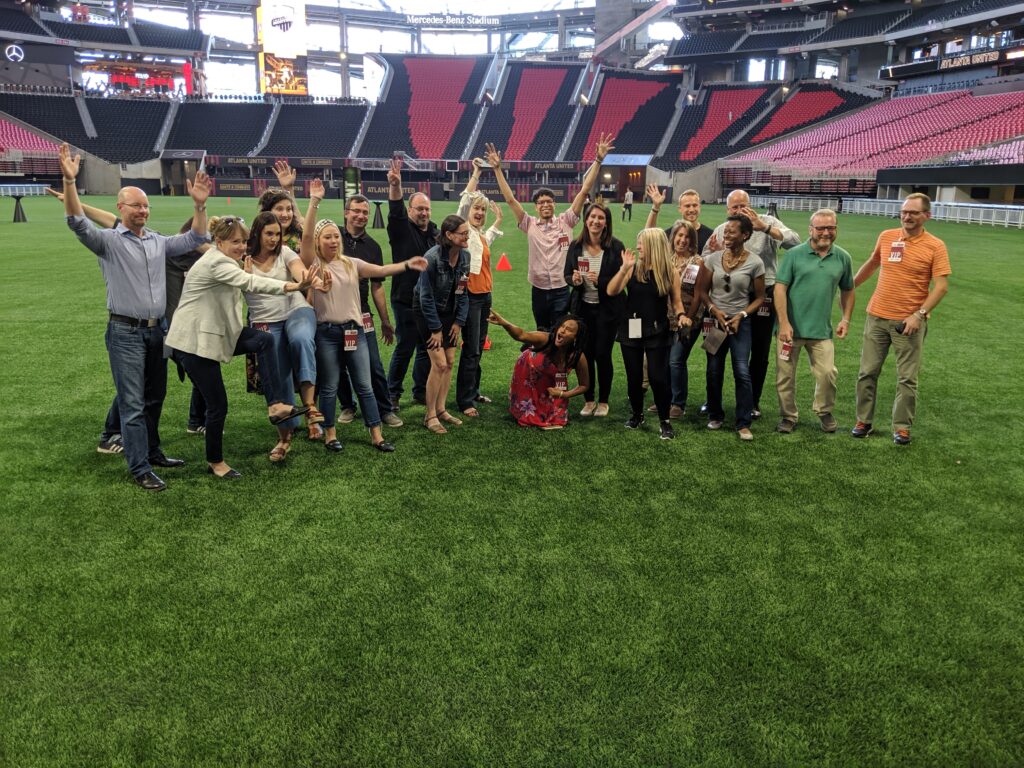
We also got to go on a private tour of the building with some of my Gensler colleagues in 2019. The stadium is used for the Atlanta United soccer team and also for the Atlanta Falcons football team.
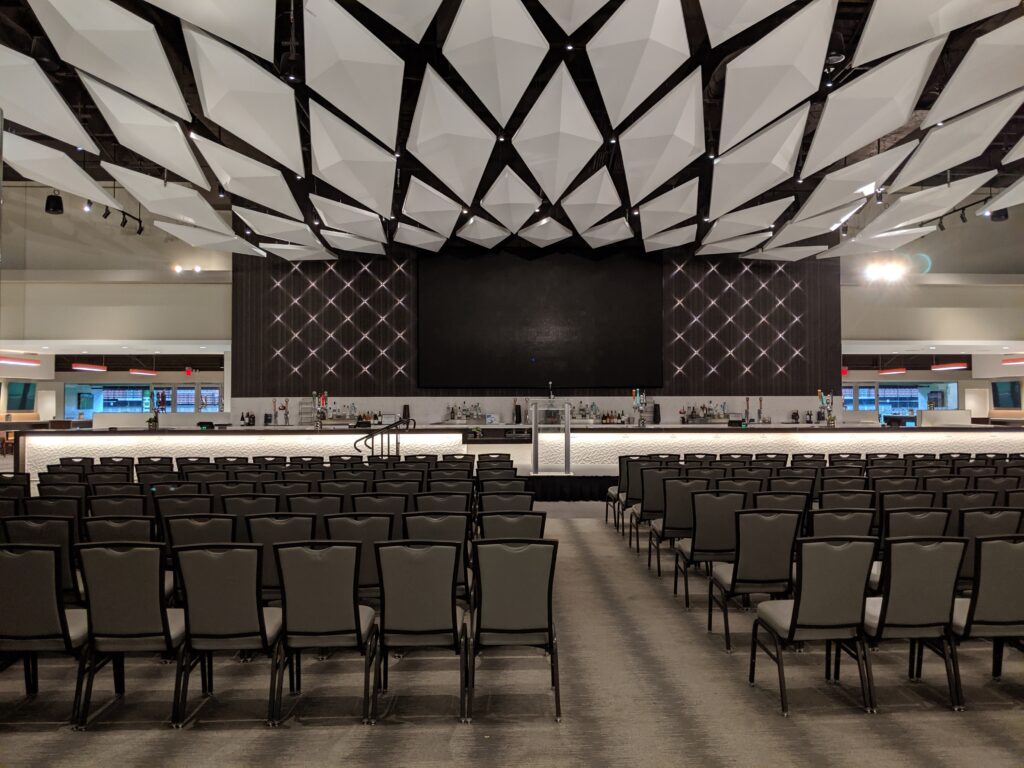
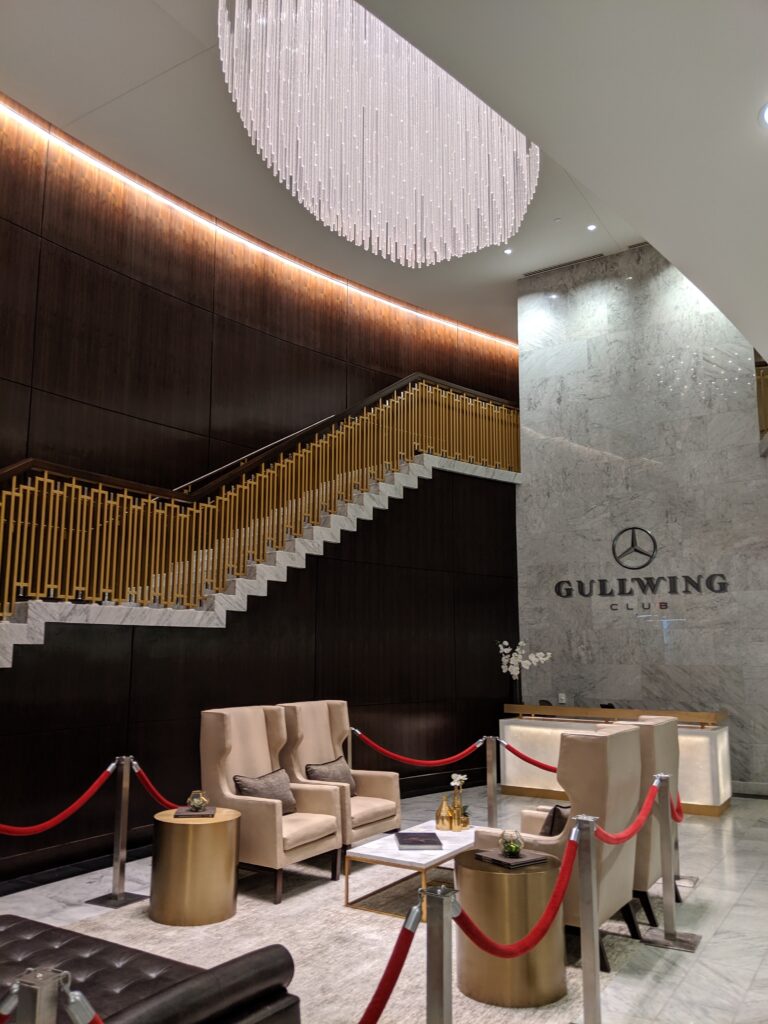
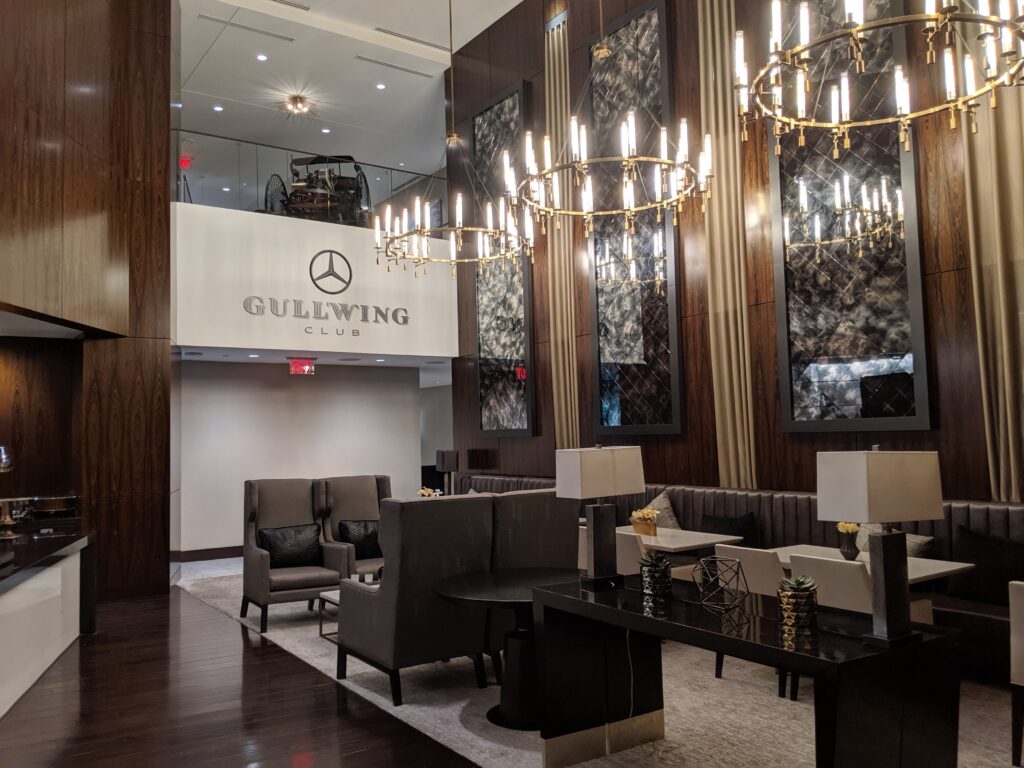
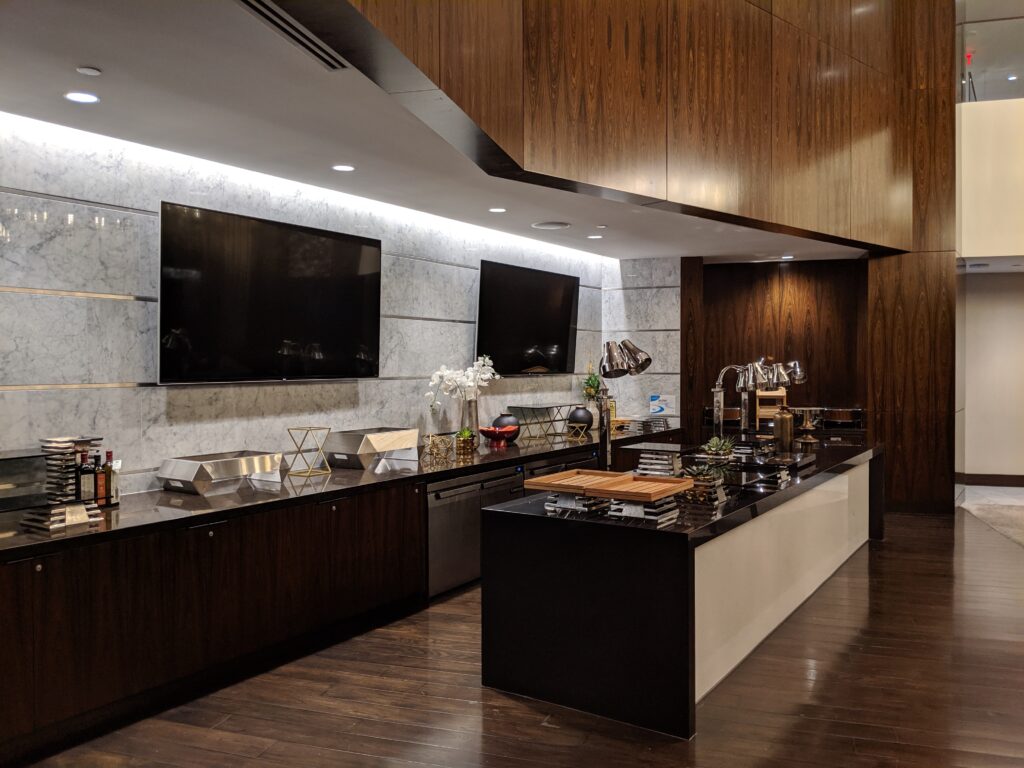
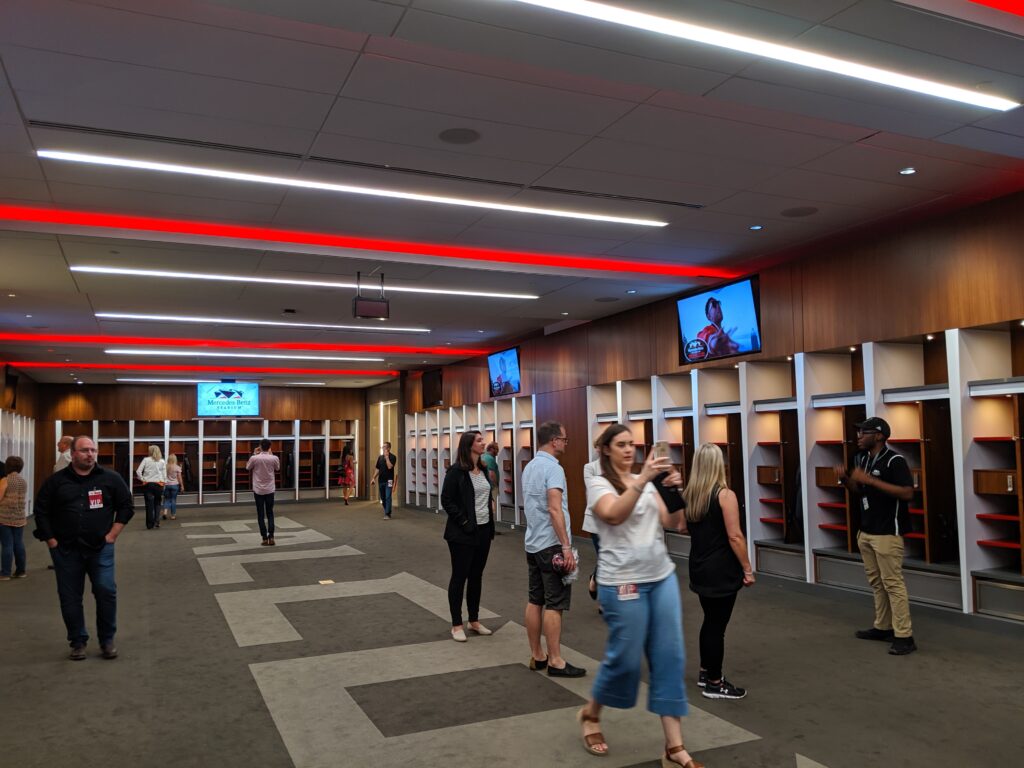
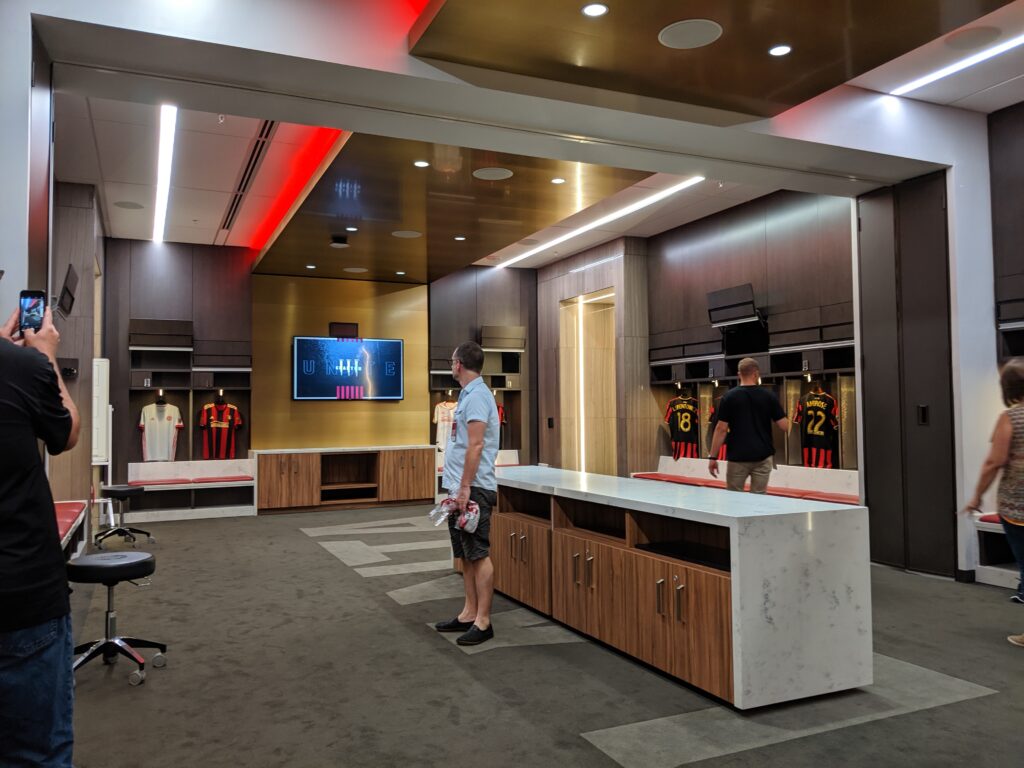
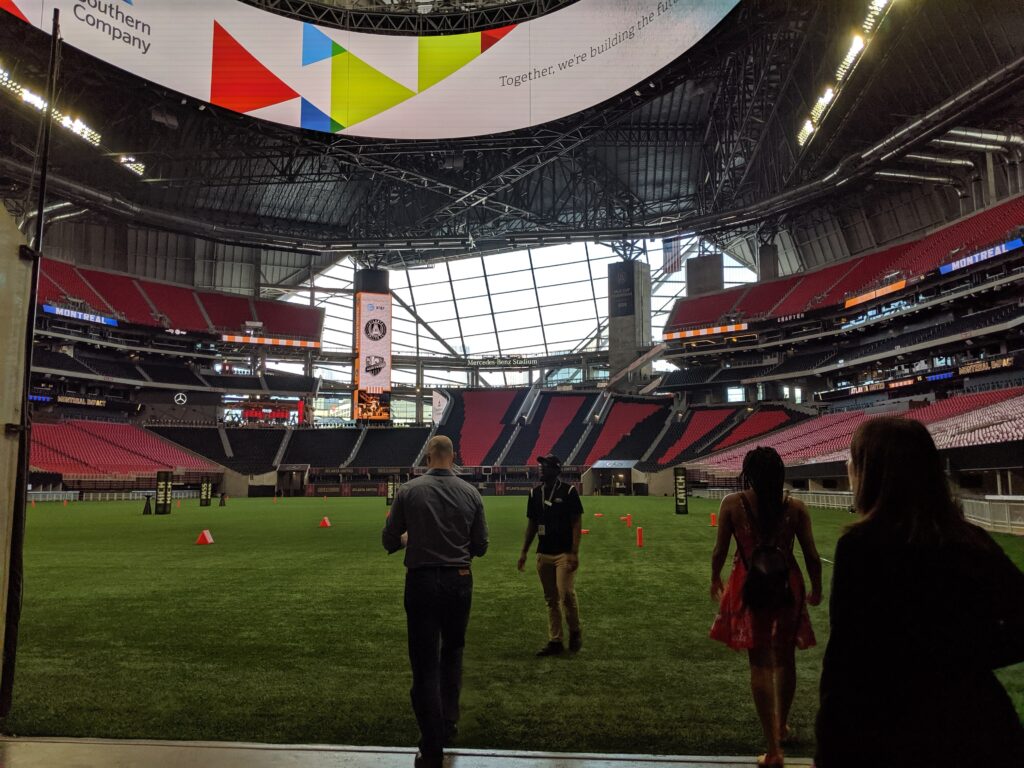
The tour started in the merch shop, of course, and Chad bought a jerseyGensler folks on tourThere is a lecture hall inside the stadium for who-knows-what-reasonArthur Blank owns the Atlanta Falcons and the Atlanta United, and this is his private suite – gorgeous!One of my favorite moments from the tour was when my colleague’s boyfriend asked, “Does Arthur Blank ever spend the night here? And when he does, does he just go running around on the field wearing only his bathrobe and yelling “wheee!!!” (take note of the antique Mercedes-Benz on the landing upstairs)The food area in the owner suite – way nicer than the food area in the box suitesA tour of the Atlanta Falcons locker room – huge!The Atlanta United locker roomJerseys on display in the locker roomA favorite playerThe private Gensler tour included going out onto the pitchOn the fieldThe Gensler gang
Due to FIFA rules, there were some transformations to the stadium for the World Cup. First of all, the US football field size is about 10 yards narrower than a FIFA soccer field, so some of the lower spectator seating was removed to widen the field. Also, FIFA doesn’t allow any commercial branding, so the Mercedes-Benz signage on the facade was covered up, and the stadium is temporarily called Atlanta Stadium. The ban on branding also translated inside where locally branded concession areas were given generic names. Even the branding on things like condiment bottles and restroom soap dispensers had to be covered up. Crazy.
Mercedes-Benz stadiumNotice that the Mercedes-Benz signage has been covered up
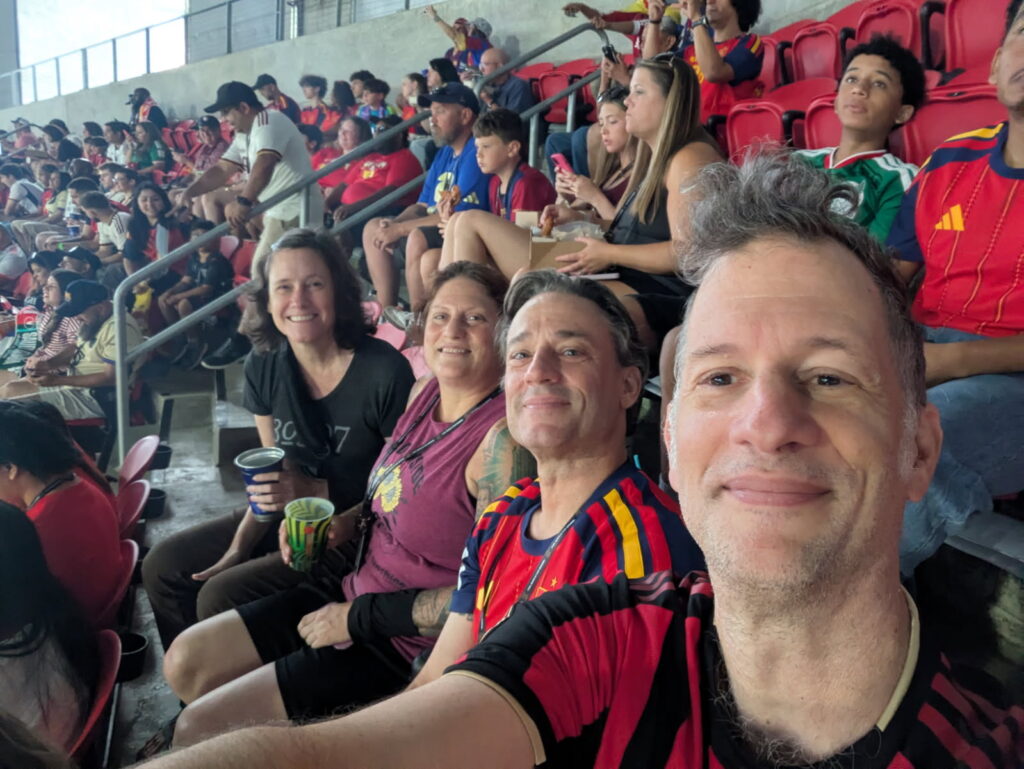
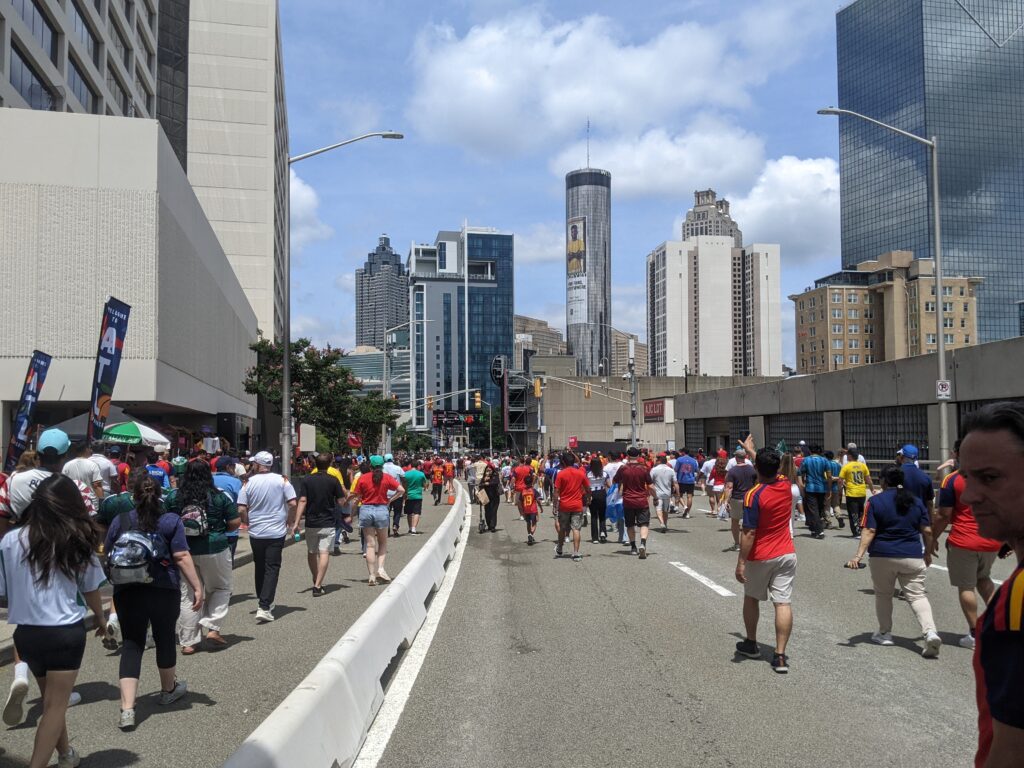
We went to the game with Chad’s sister, Michele, and our friend Hans and approximately 68,000 other people. It was so much fun to watch the game live and in person and feel the energy of a stadium full of people.
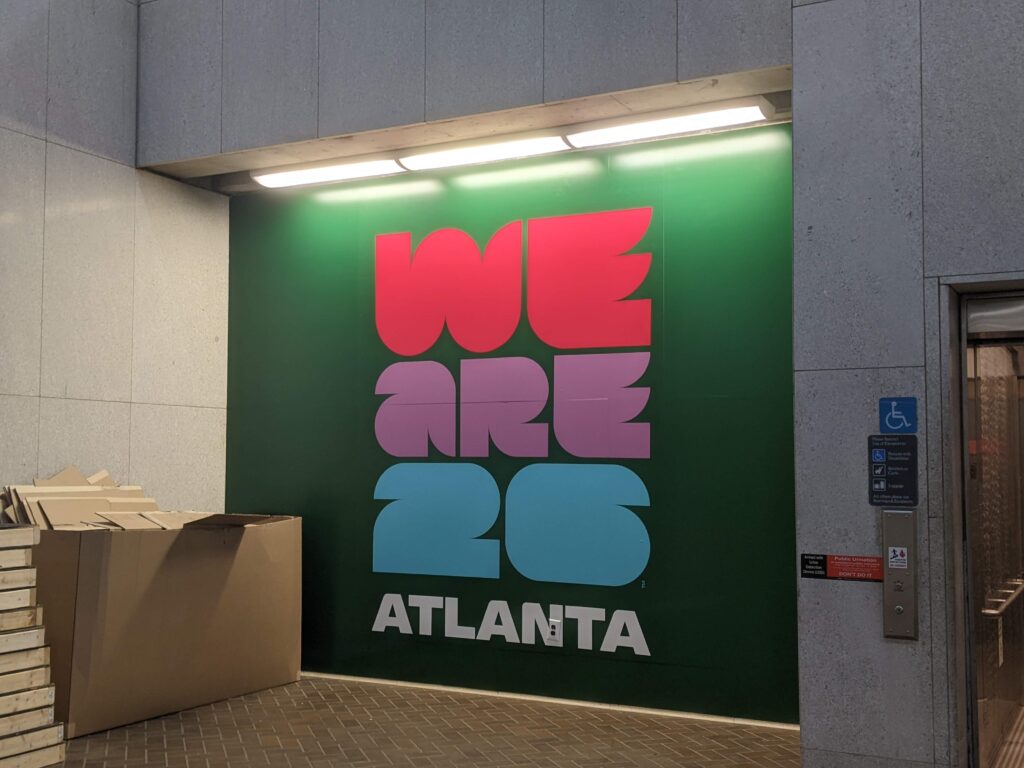
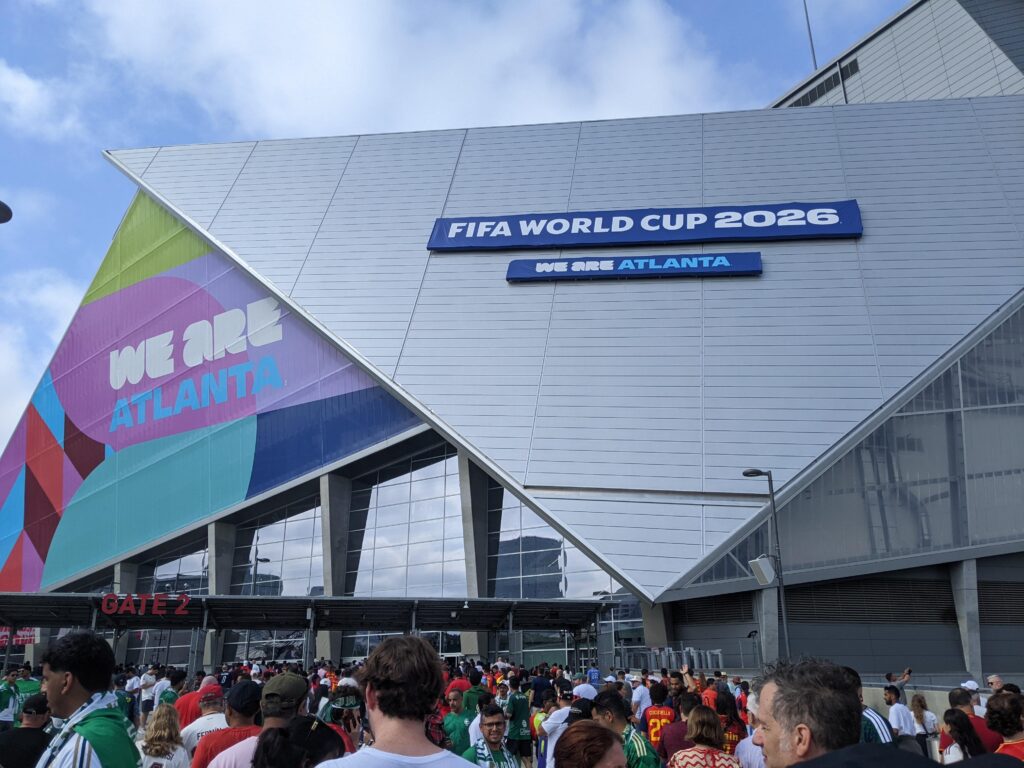
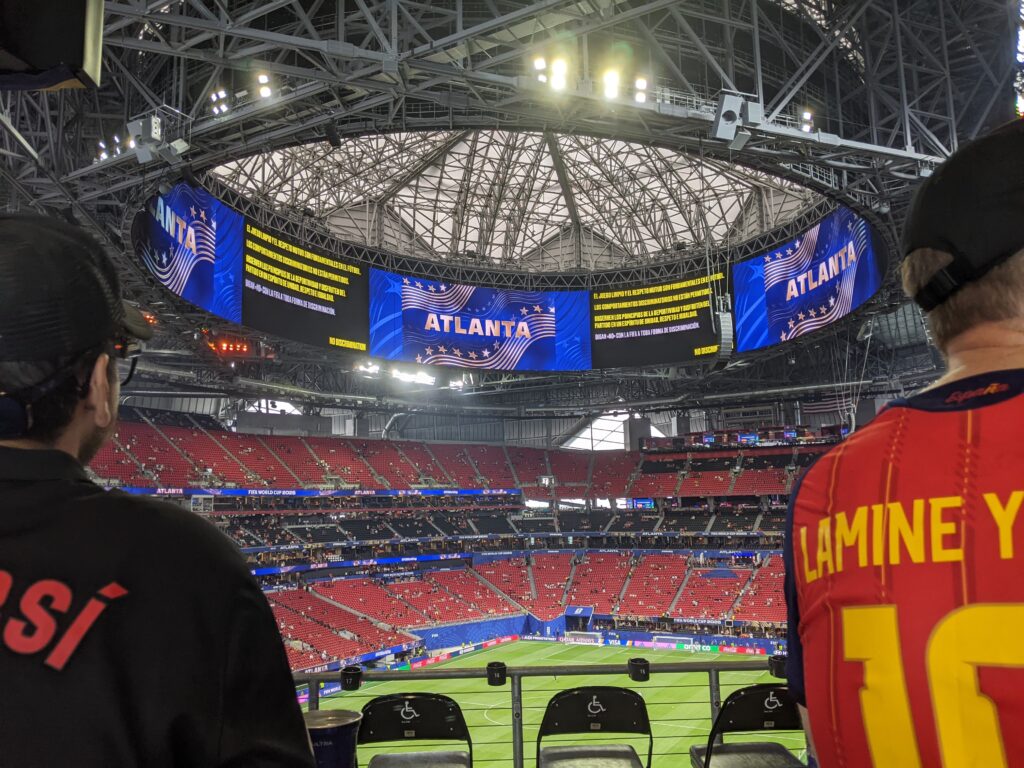
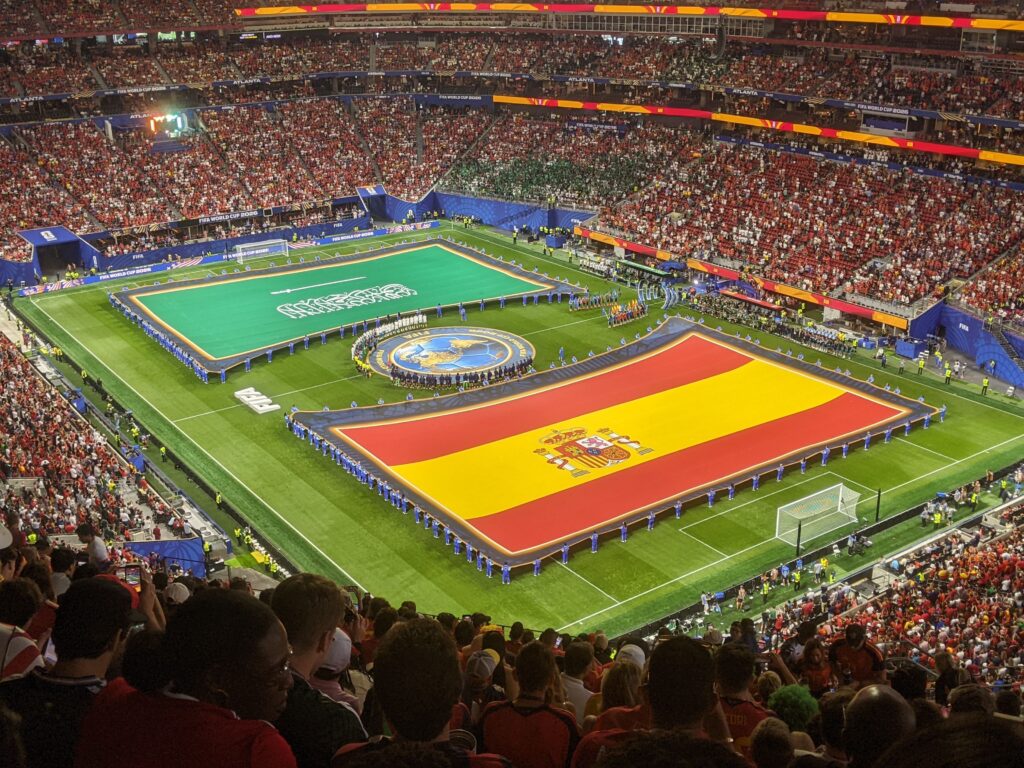
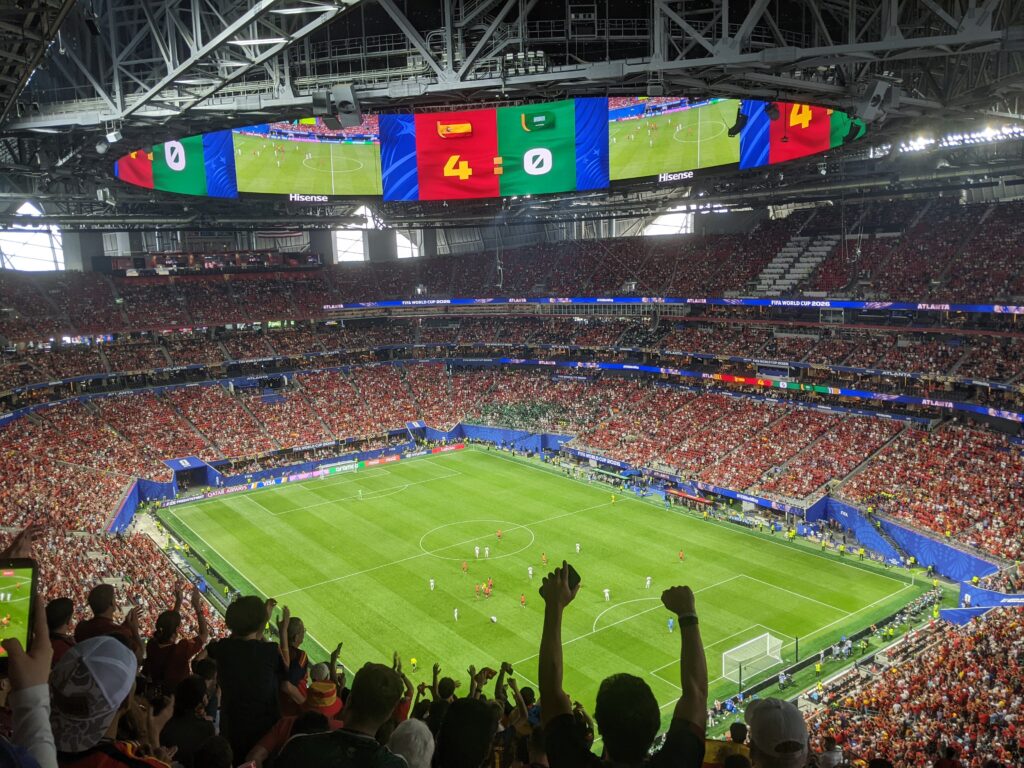
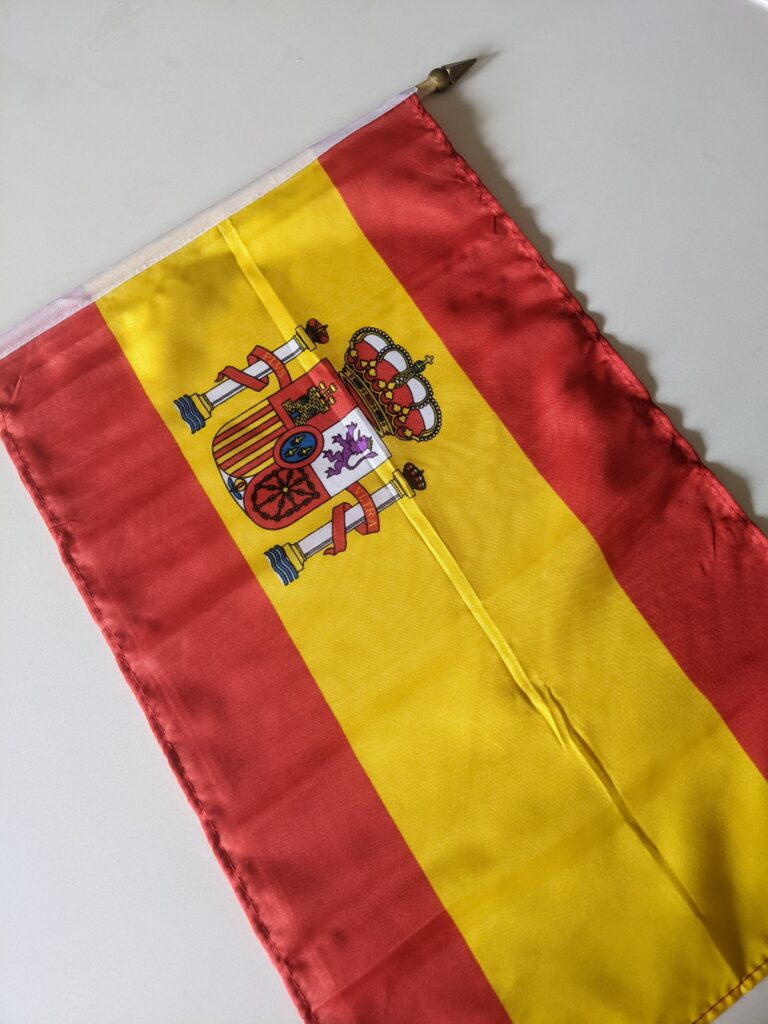
We are Atlanta!At the game with Michele and HansView of the stadium during warm-up before the gameThe national flags during the national anthems before the gamesThe jumbotron after one of Spain’s goalsSpain won 4-0
My favorite part, though, was being in a crowd with people from all over the world and speaking a variety of languages. We met Saudi Arabians on the way inside, and some guys from Guatemala sat behind us during the game. It was so cool to be part of a global community event.
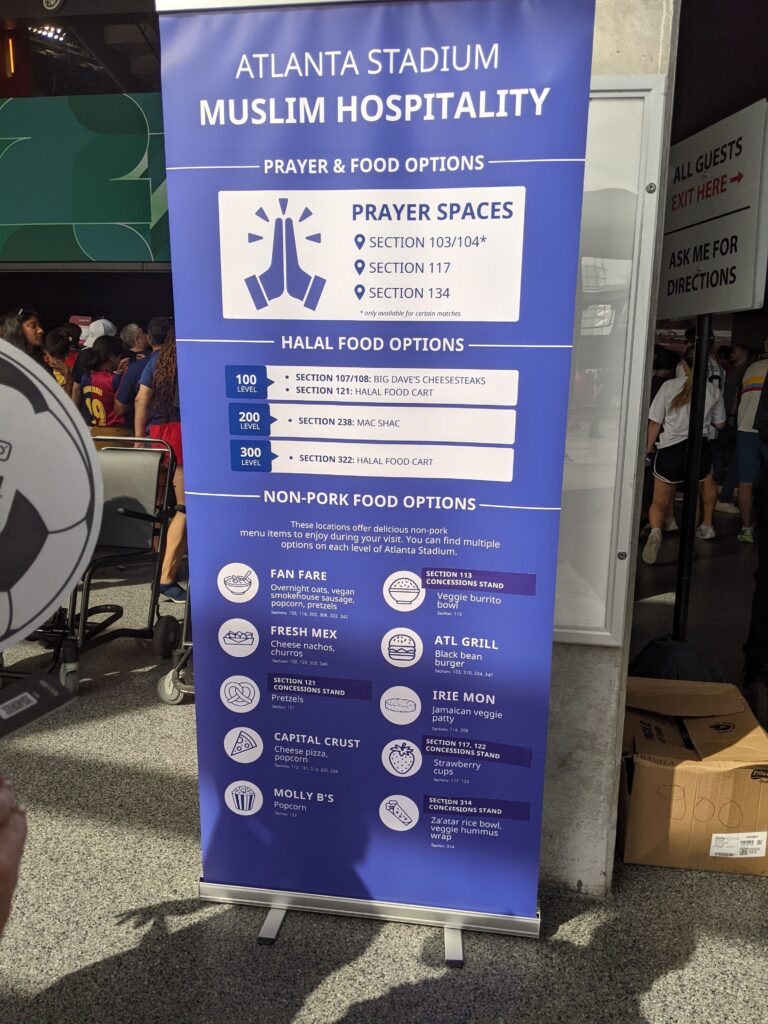
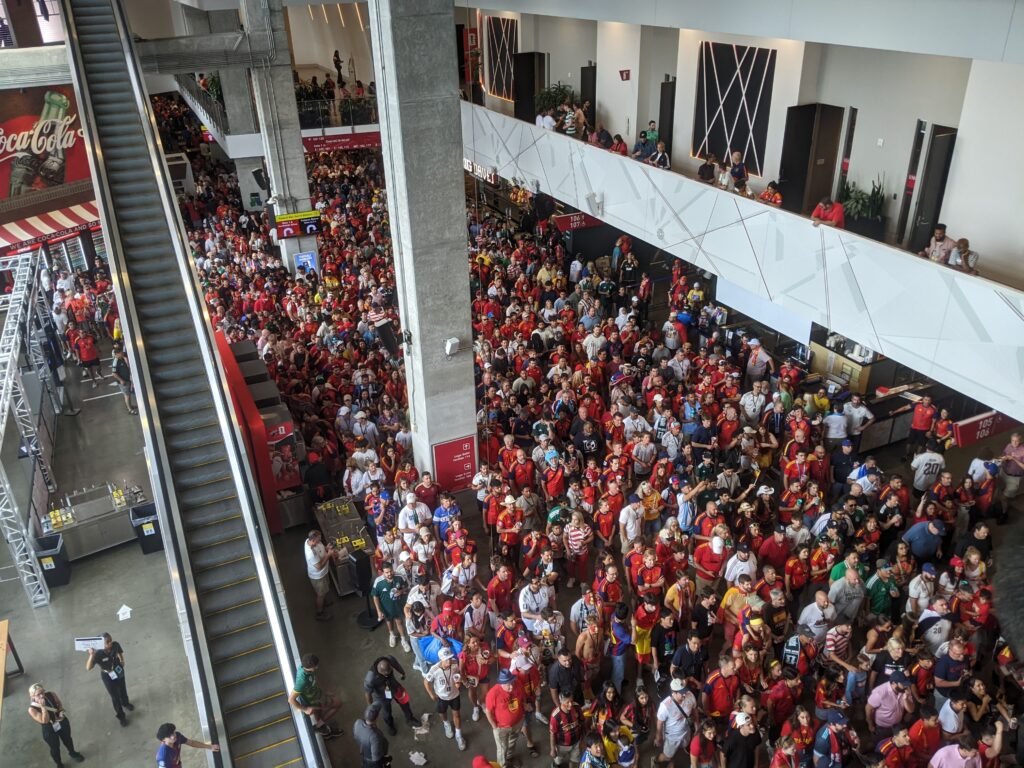
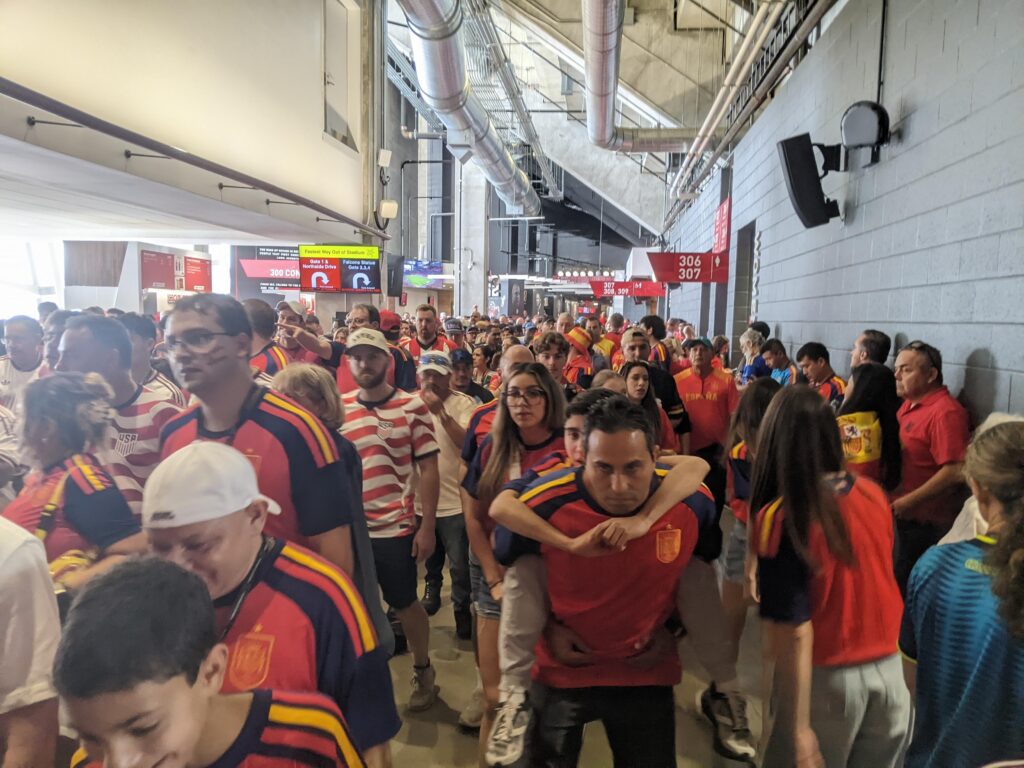
The packed Marta train on the way to the game – this was a Sunday morning and Marta was running trains every 2 minutes when it normally runs trains every 20 minutes on SundaysFIFA recognized the Muslim religious rules for the fans of Saudi ArabiaThe crowd after the gameLeaving the stadium
After the game, we walked around the area, in the intense summer heat, to check out the pop-up shops in the Gulch area (lame) and to visit the newly renovated former CNN center which so far seems to only be a re-do of the food court (also lame).
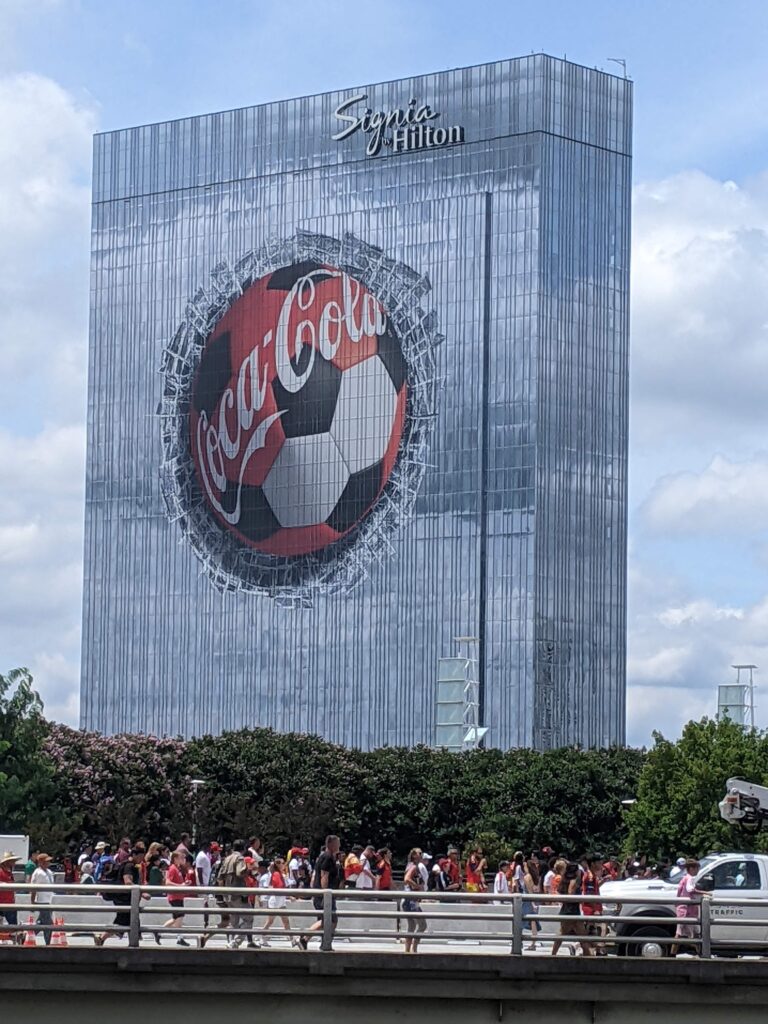
Leaving the stadiumWalking through the Gulch towards downtown – I used to work in the really tall, black-glass building on the rightI worked on this Signia by Hilton hotel while at Gensler, and I love the World Cup graphic on the facadeI also worked on this Reverb by Hard Rock hotel while at Gensler, and I saw it on the way out of the stadiumSwag picked up on the way home
We then headed back to Marta for the short ride home. We got home around 4pm and did nothing for the rest of the day, exhausted from the heat. But the experience was totally worth it.
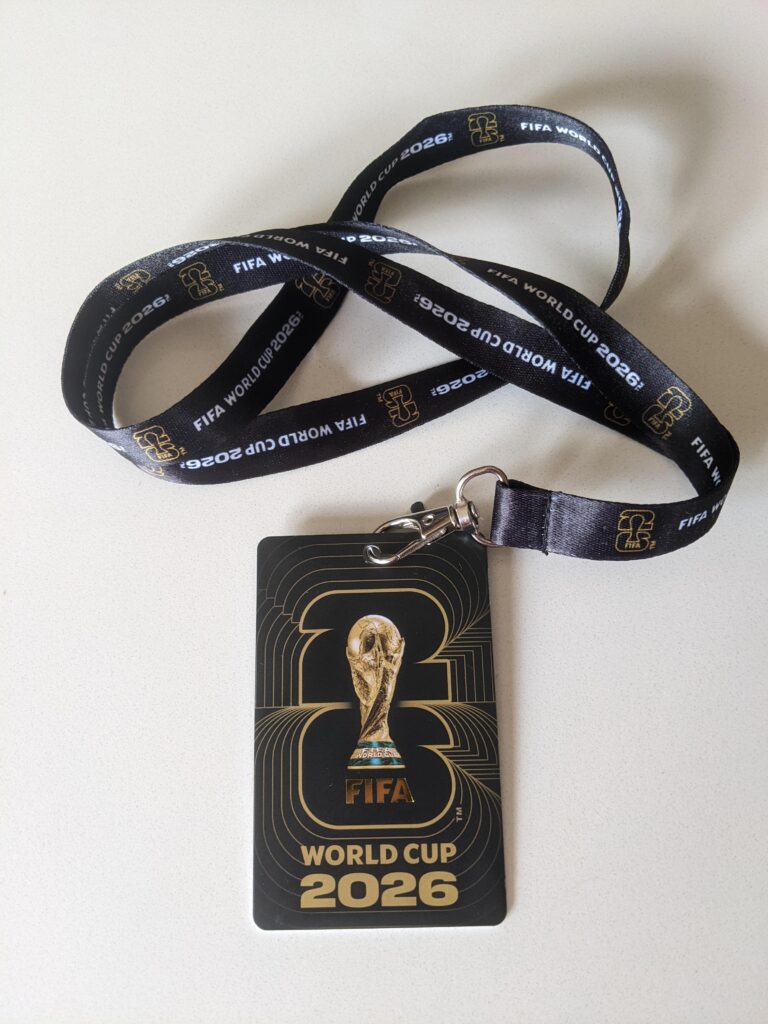
Every game attendee was handed one of the cards for free – a QR code on the back takes you to the FIFA merchandise store
Today marks the 250th birthday of the U.S.A. This is a significant milestone and there should be a happy sense of national pride. Instead, Donald Trump has politicized the day and polarized the nation over the last year and a half. There is a failed State Fair on the National Mall where several states have declined to participate. Trump has announced that he is going to give a speech before the DC fireworks show and that he will speak for hours just to show people that he can do so. There’s the saga of the algae in the Reflecting Pool and the subsequent arrests of visitors who had nothing to do with the water quality problem. Of course, these are minor things compared to the litany of terrible things that this administration has unleashed. I’ll leave that there for now.
I remember the 200th anniversary in 1976. I would have been 5 years old, but I remember going to watch the fireworks with my family and understanding that it was a big year for the U.S.A. It’s funny how things stick with you and you can remember them 50 years later.
Here in Atlanta, Chad and I don’t typically go anywhere to watch fireworks. During the first years that we were in our house, we could see the fireworks in downtown Atlanta from our top porch. Since then, though, the trees have grown tall enough that we no longer see downtown. Maybe we can see the show if we stand in the middle of the street in front of our house. Technically, it’s a clear shot to downtown (and I know this since I walk that way to work).
During my Italian lesson this morning, my tutor, Francesco, asked me if people truly celebrate the Fourth as a significant day of independence. I told him (in Italian, of course) that I think most people just treat it as another summer holiday by going to the lake, grilling, drinking beer, similar to Memorial Day or Labor Day. Of course, people do recognize it as the birthday of our country, but for most it’s a day off of work and a day to hang out with family and friends. However, I do appreciate what we have in this country, despite the current administration, and I feel fortunate to be an American.
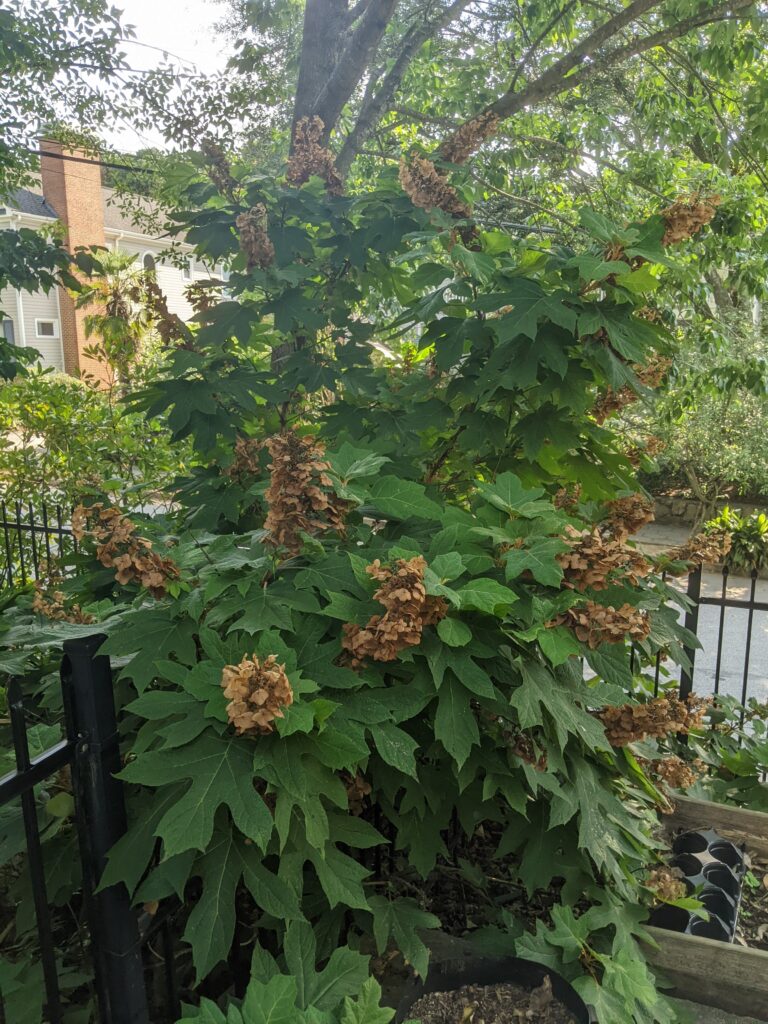
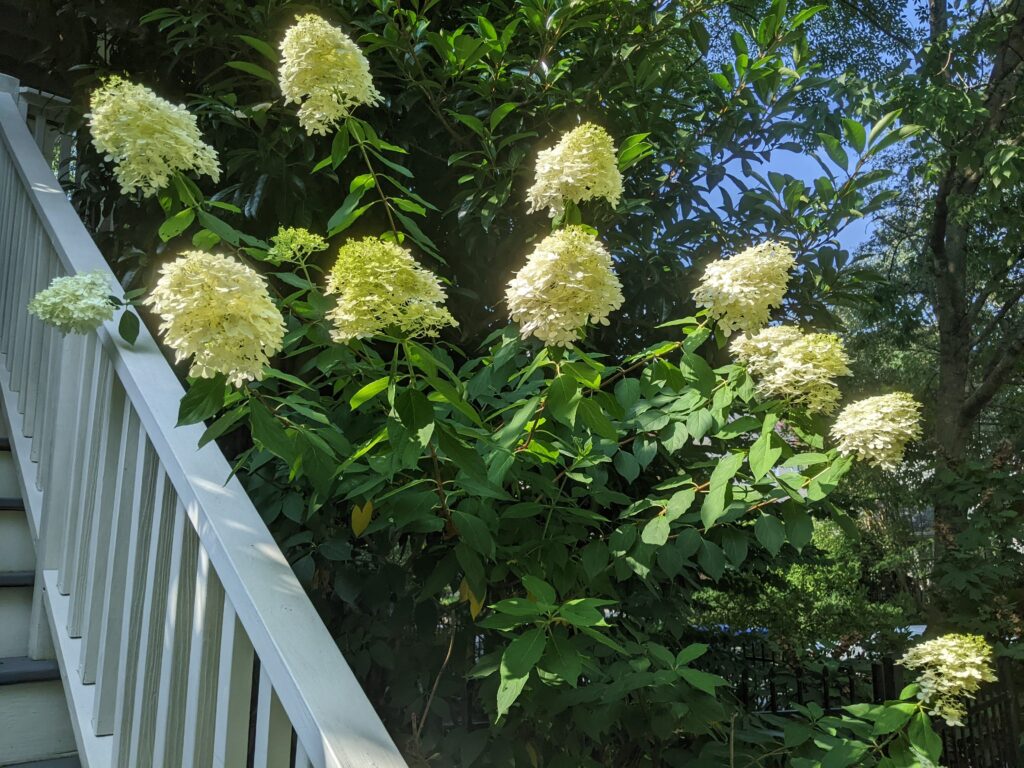
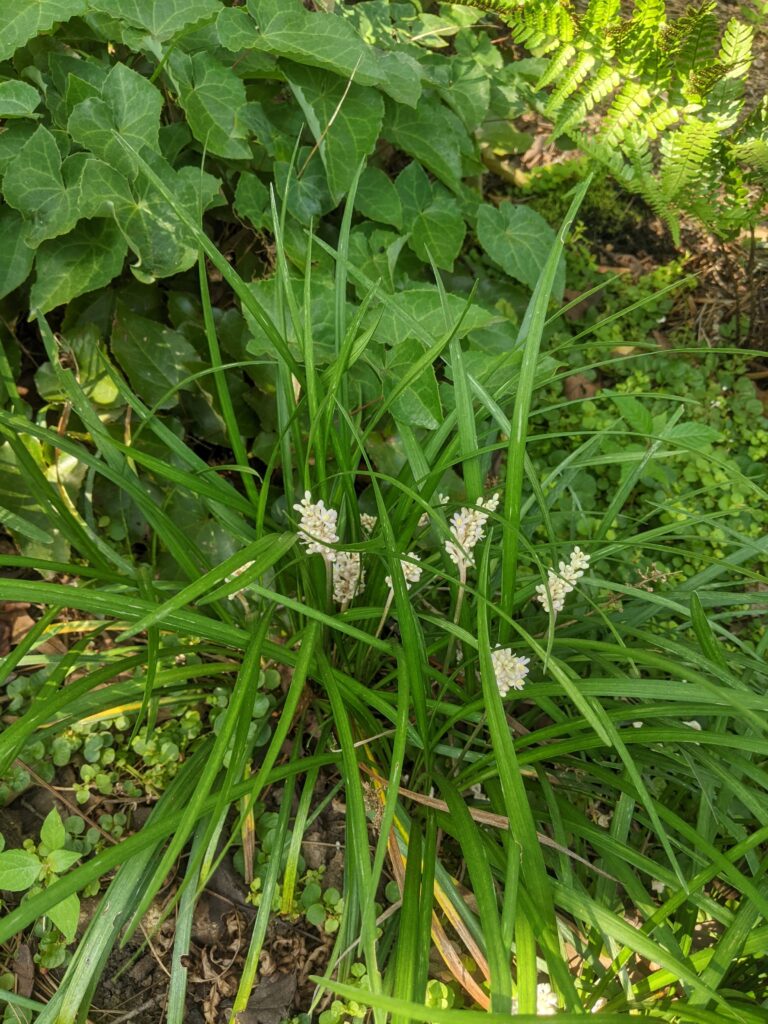
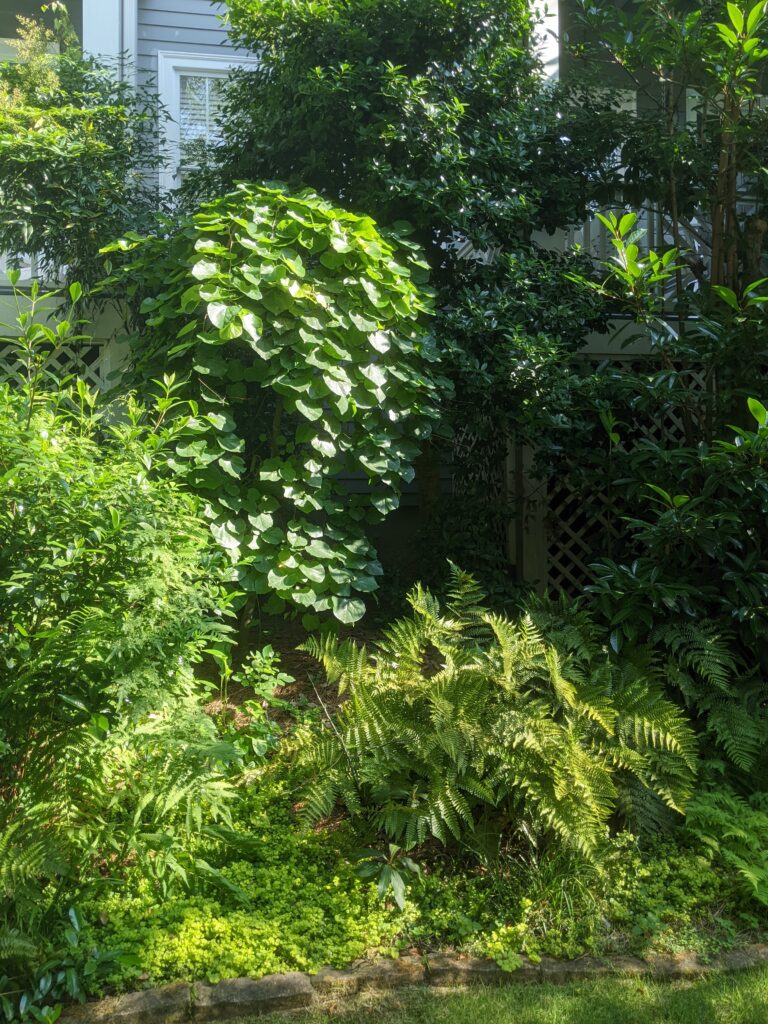
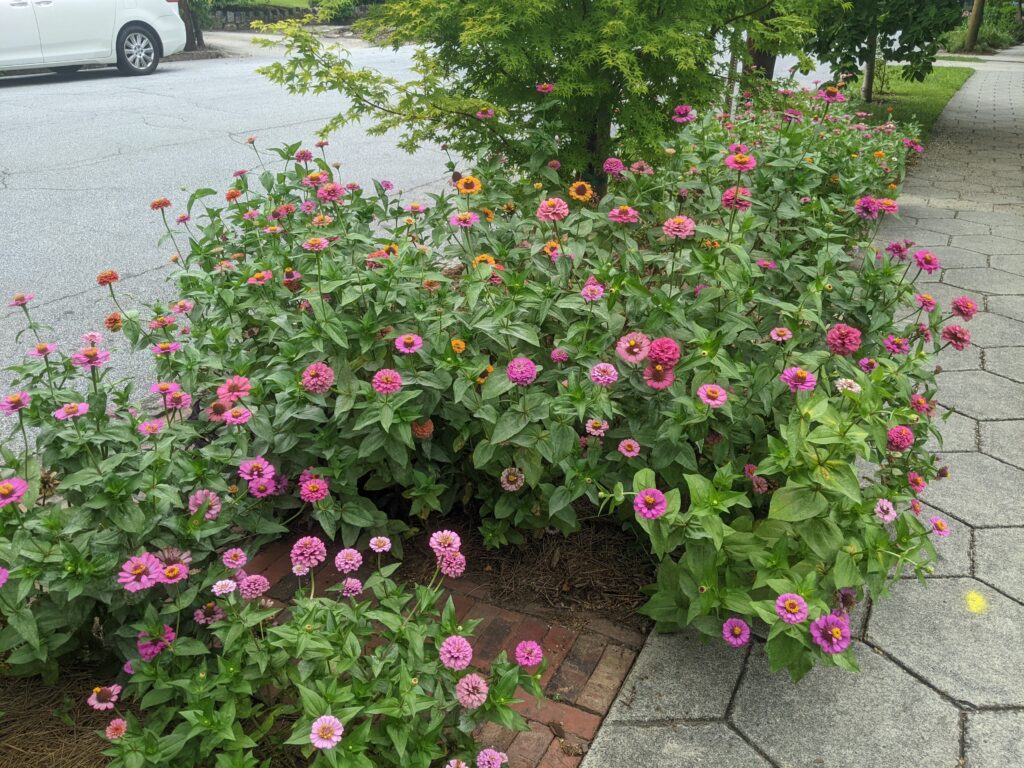
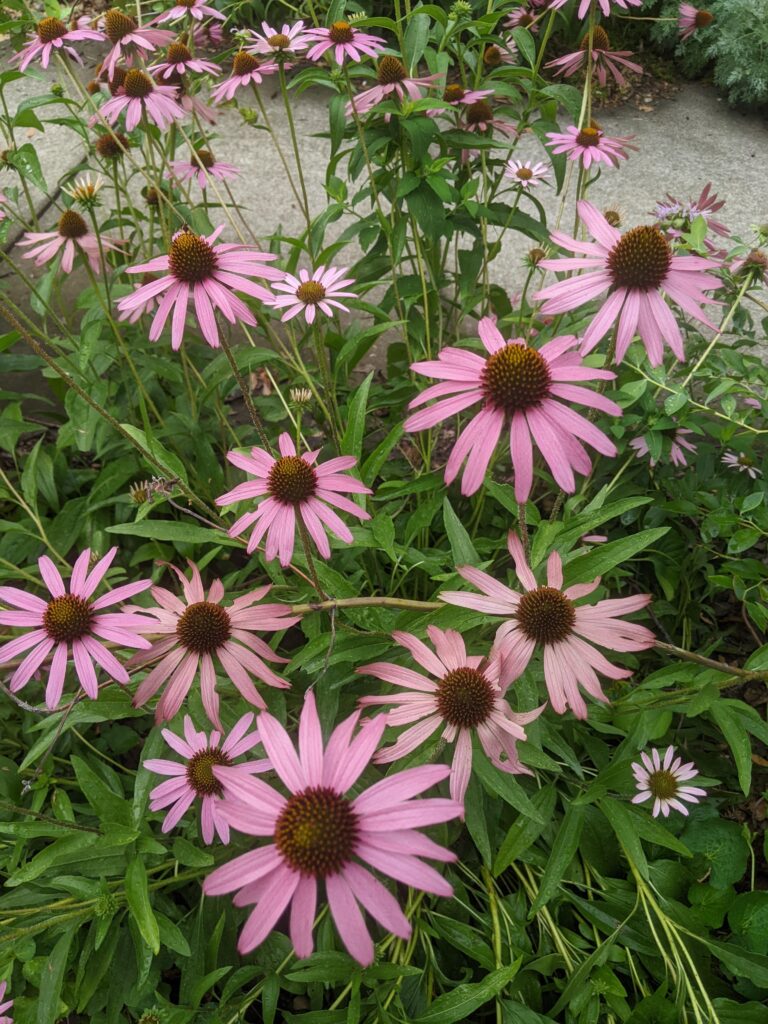
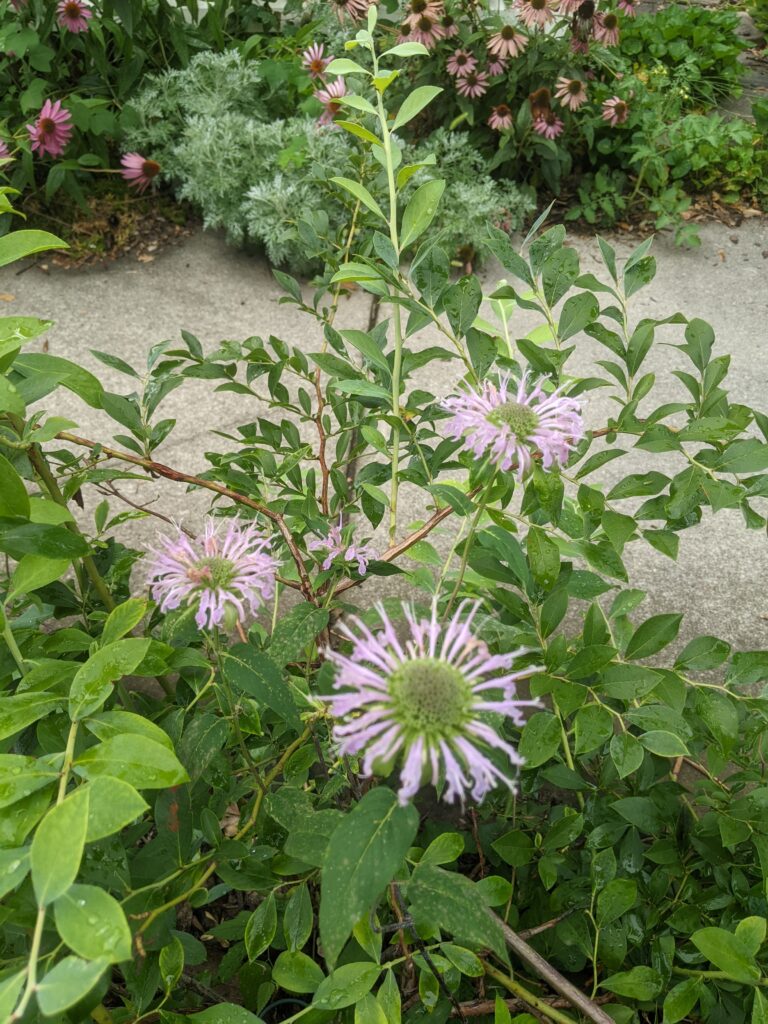
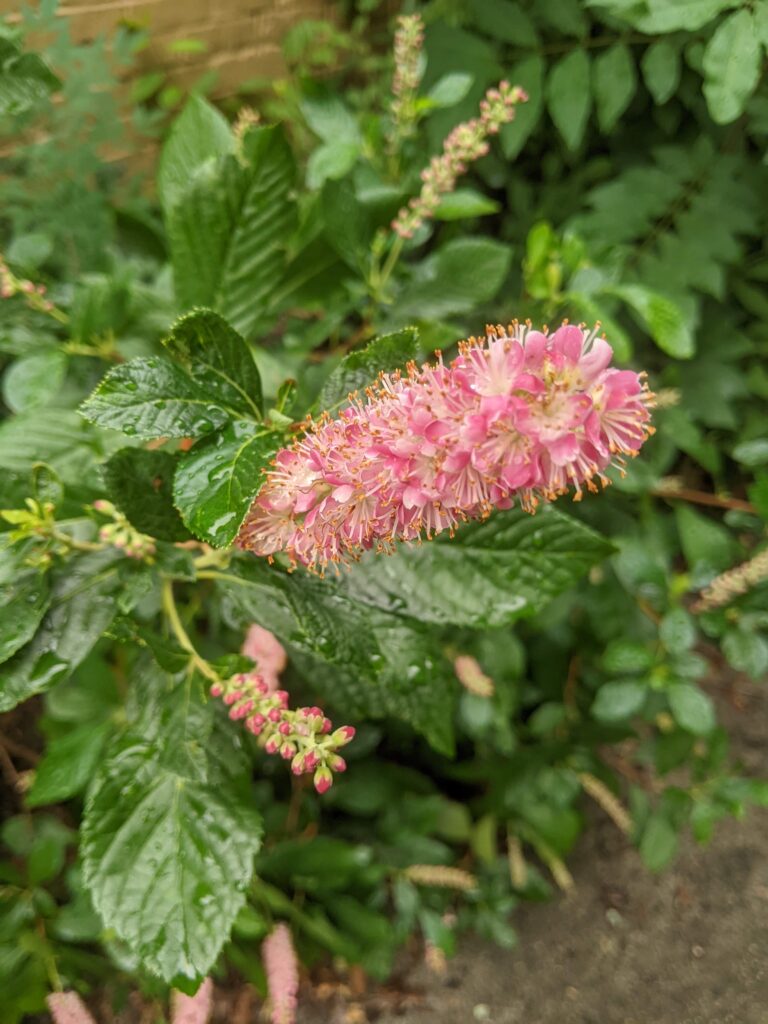
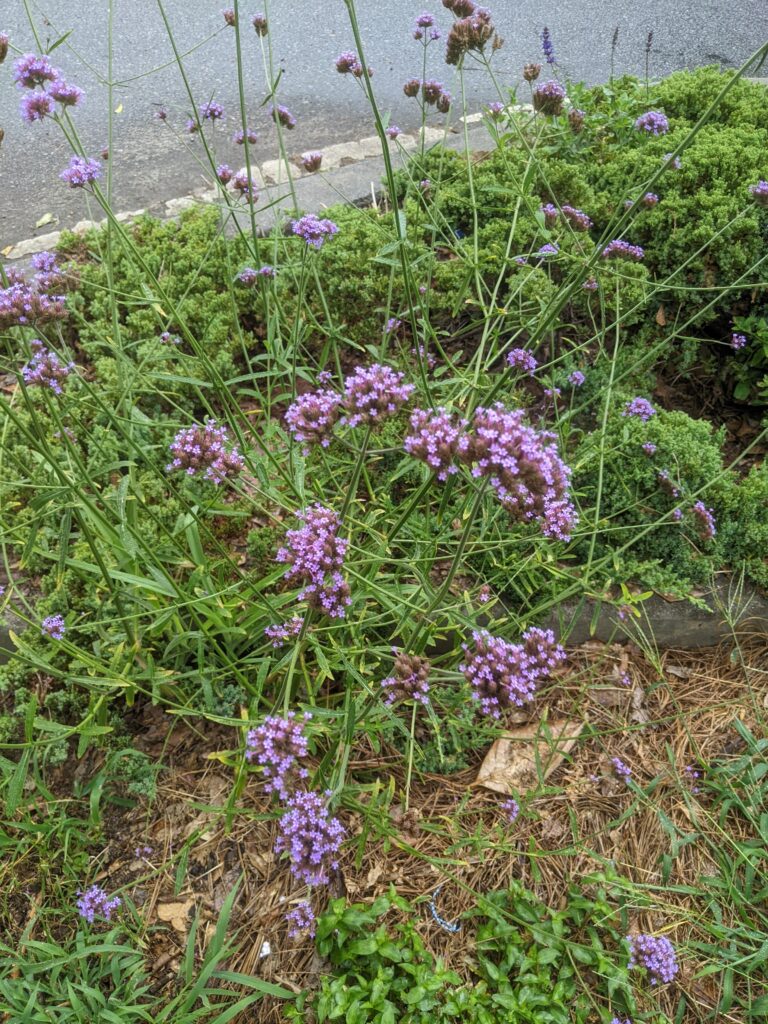
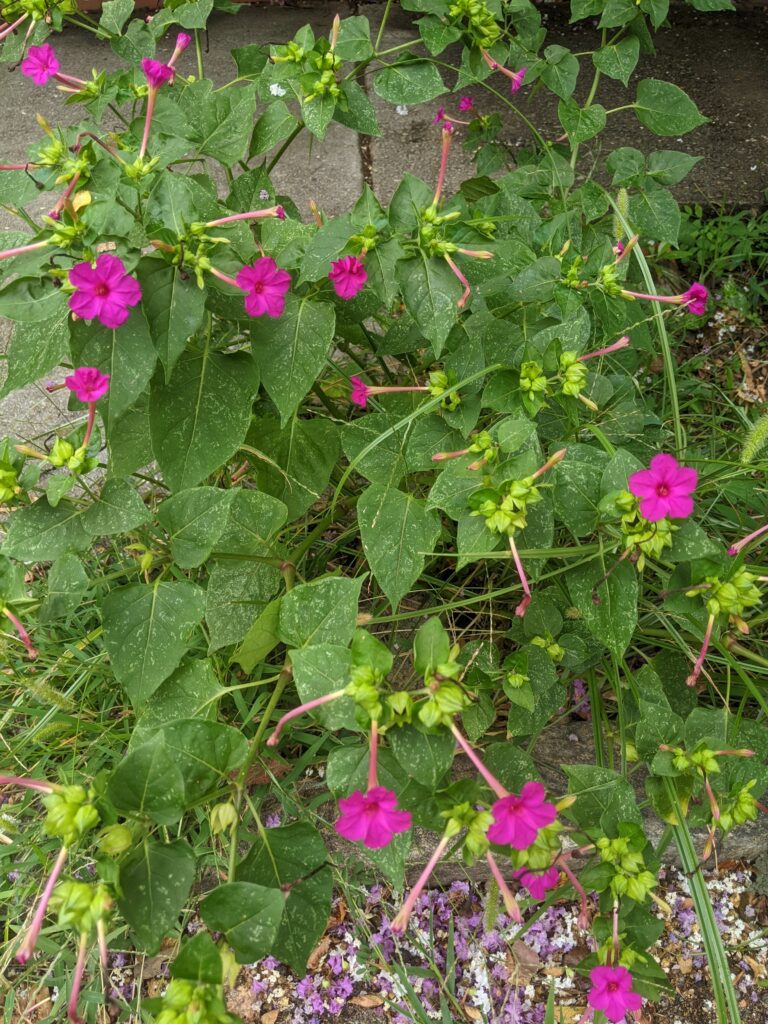
In lieu of posting photos of fireworks, here are photos of summertime flowers this week. We have new flowers blooming in our yard.
Our oak-leaf hydrangea bloomed in the spring, and the flowers have now dried on the plantOur other hydrangea plants are in full bloomThe grasses in our front yard have tiny white flowersOur weeping redbud is surrounded by lush greenery
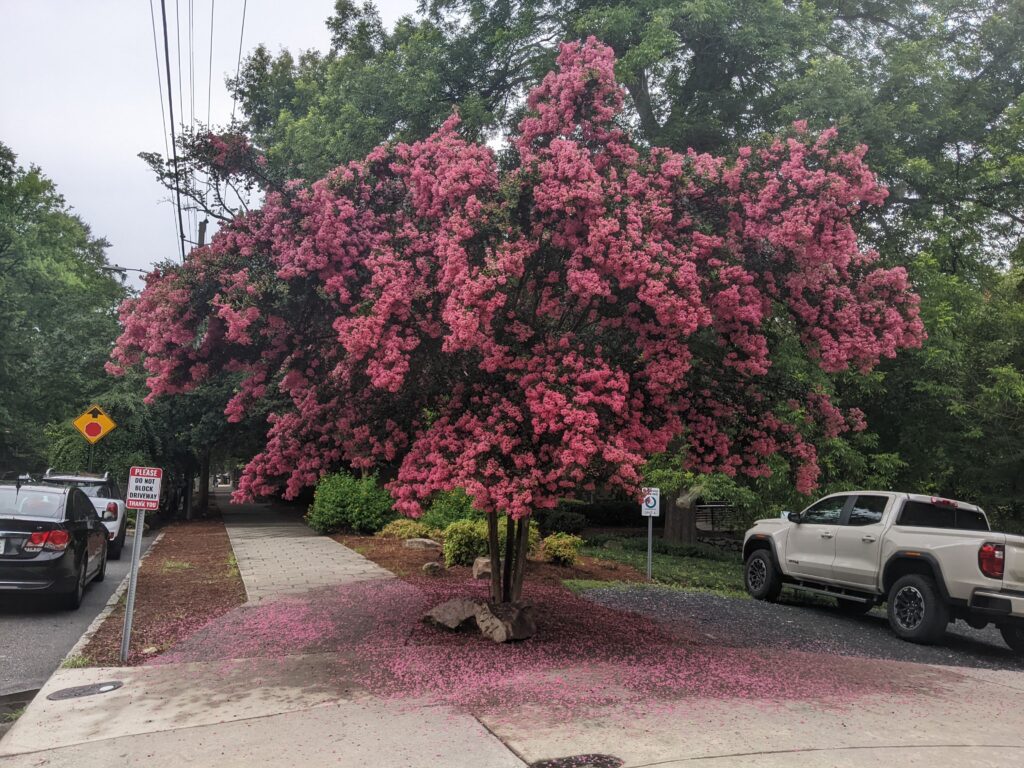
And there are lots of flowers blooming around the neighborhood.
A blue hydrangea down the block
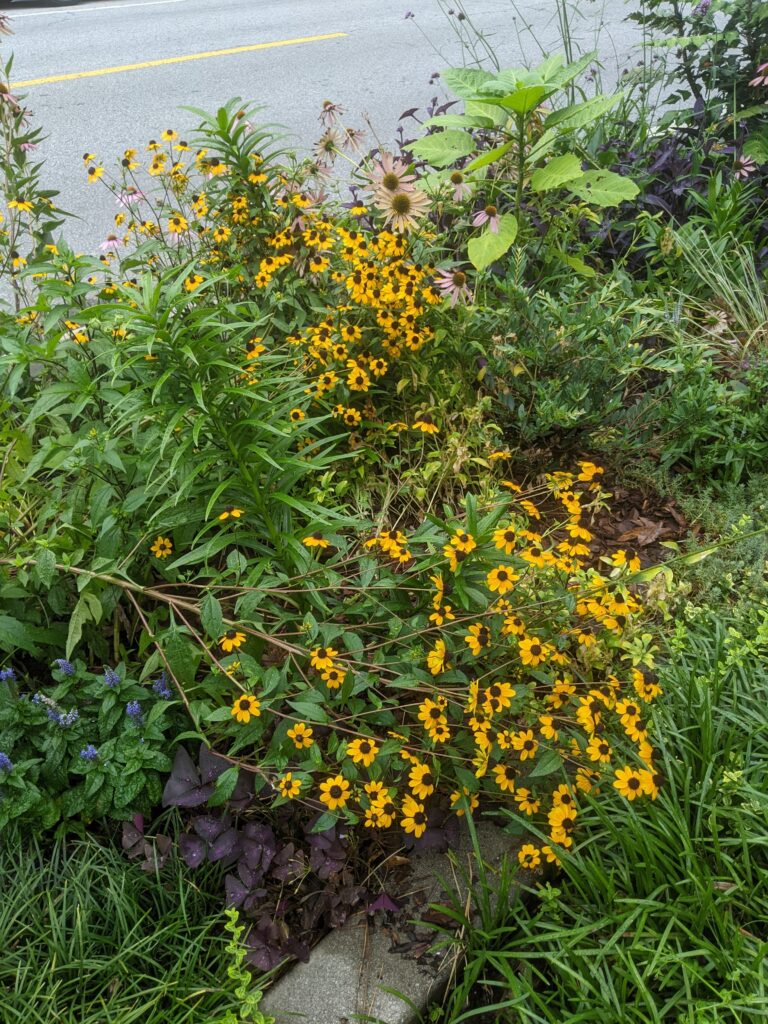
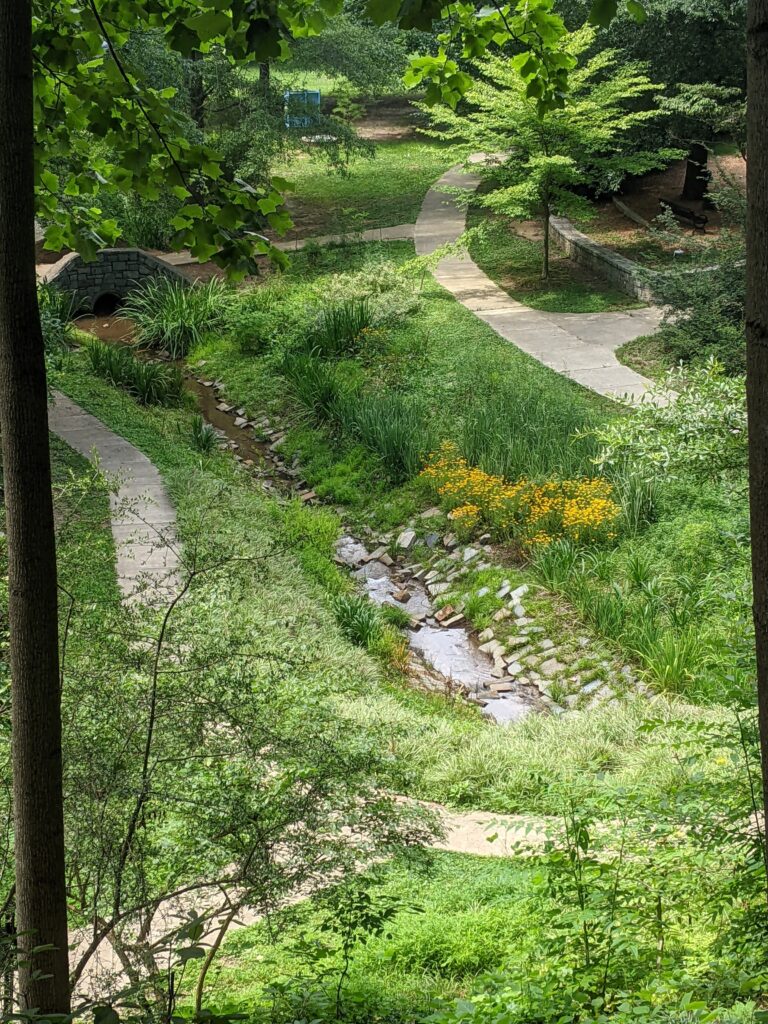
There’s a big patch of yellow flowers along the creek in Springvale Park:
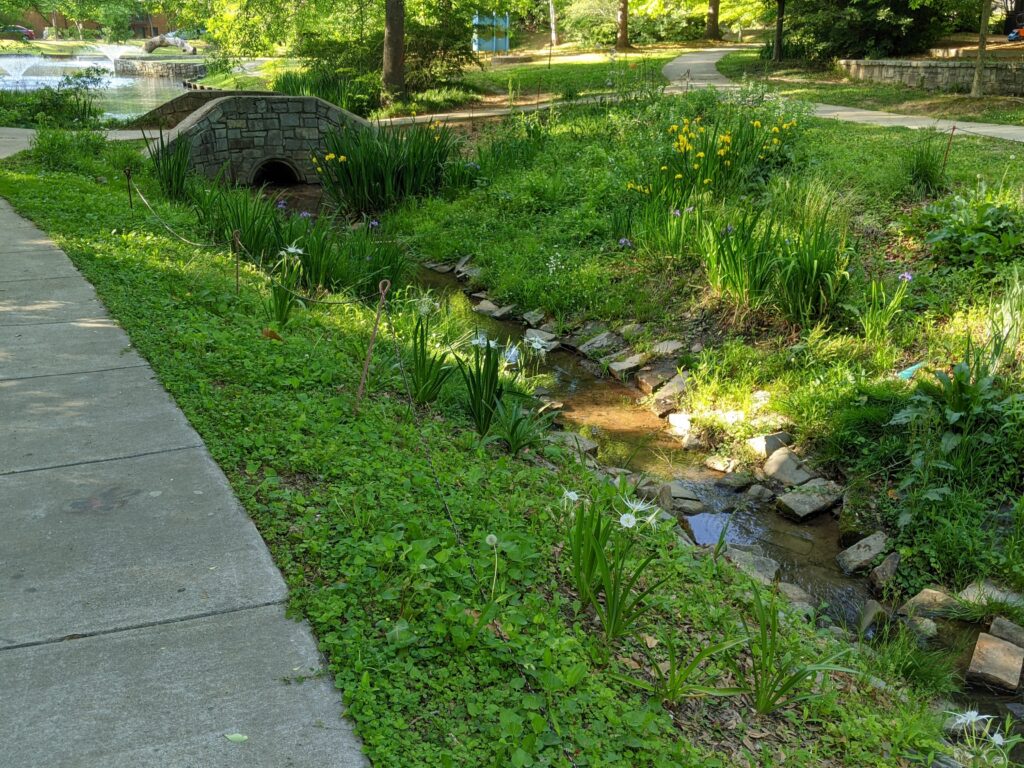
There were yellow and purple irises blooming along this creek in April:
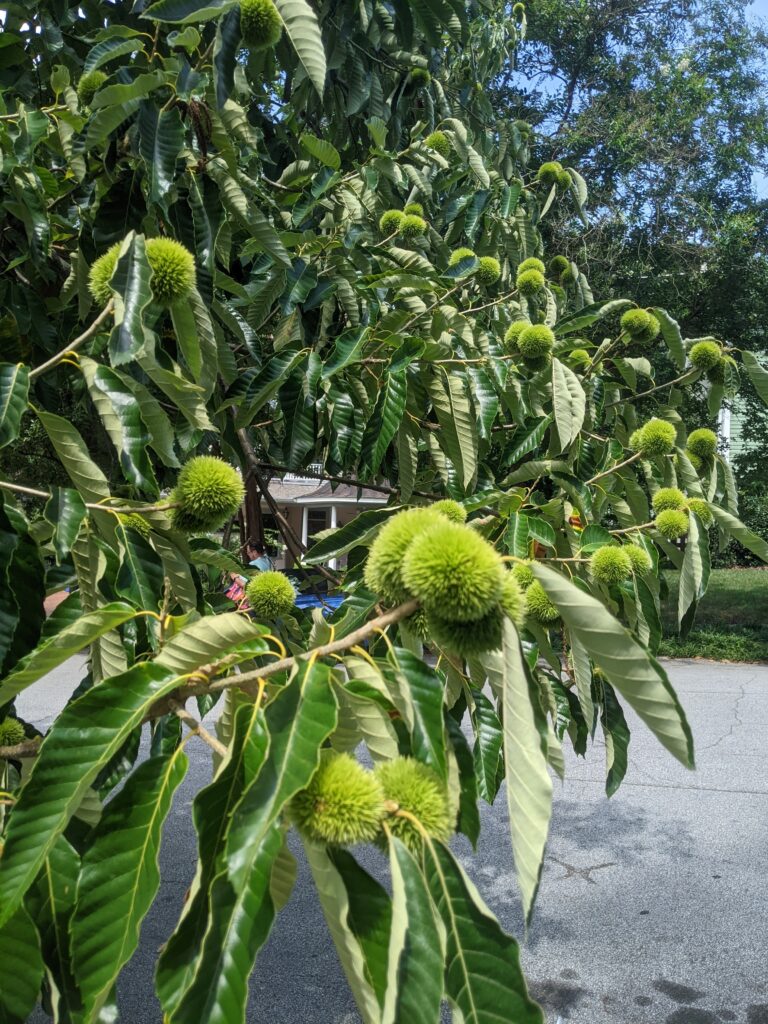
I don’t know what kind of tree this is, but these spiky balls are interesting:
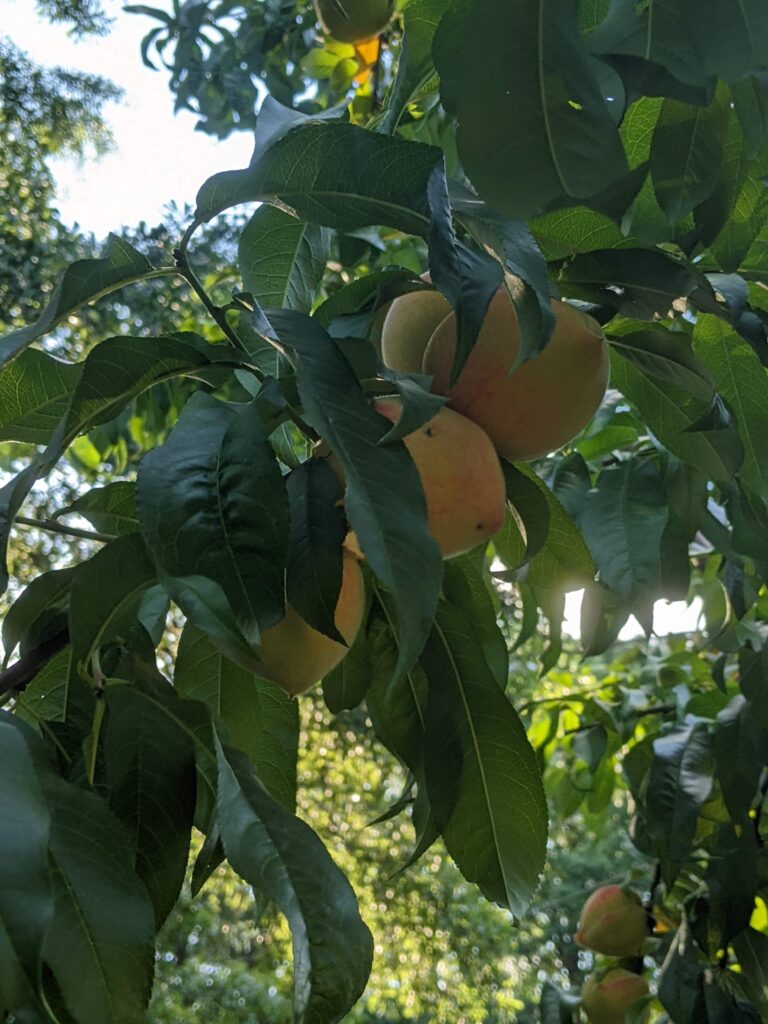
My neighbor’s tree has peaches:
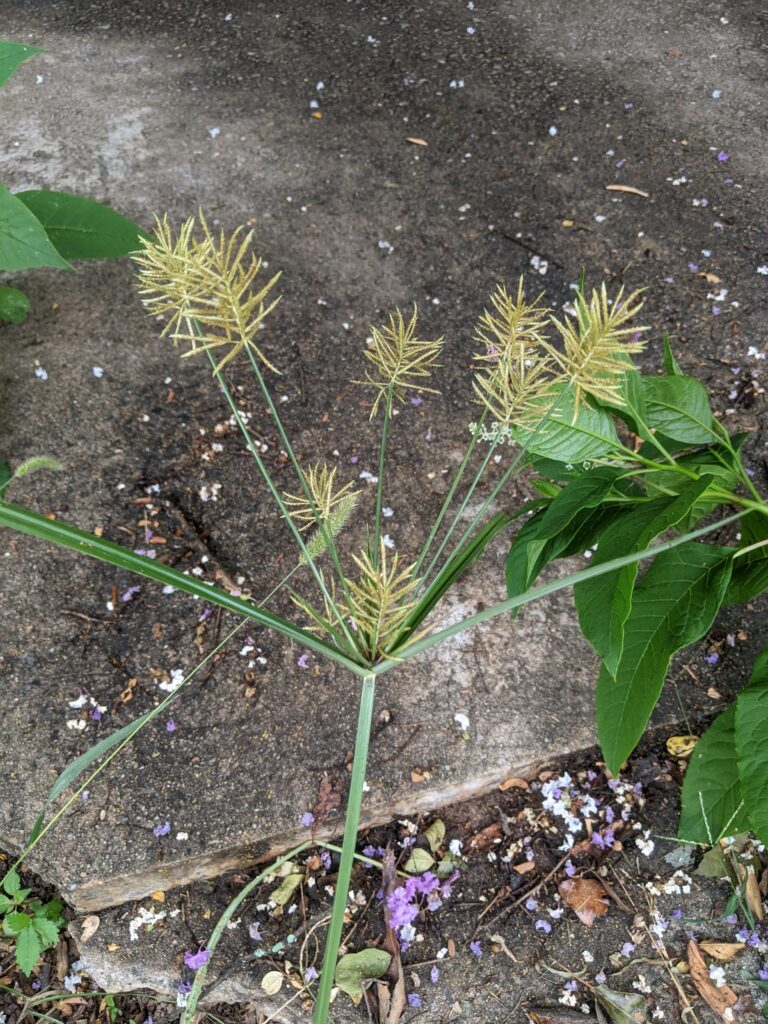
I like how this grass is seeding:
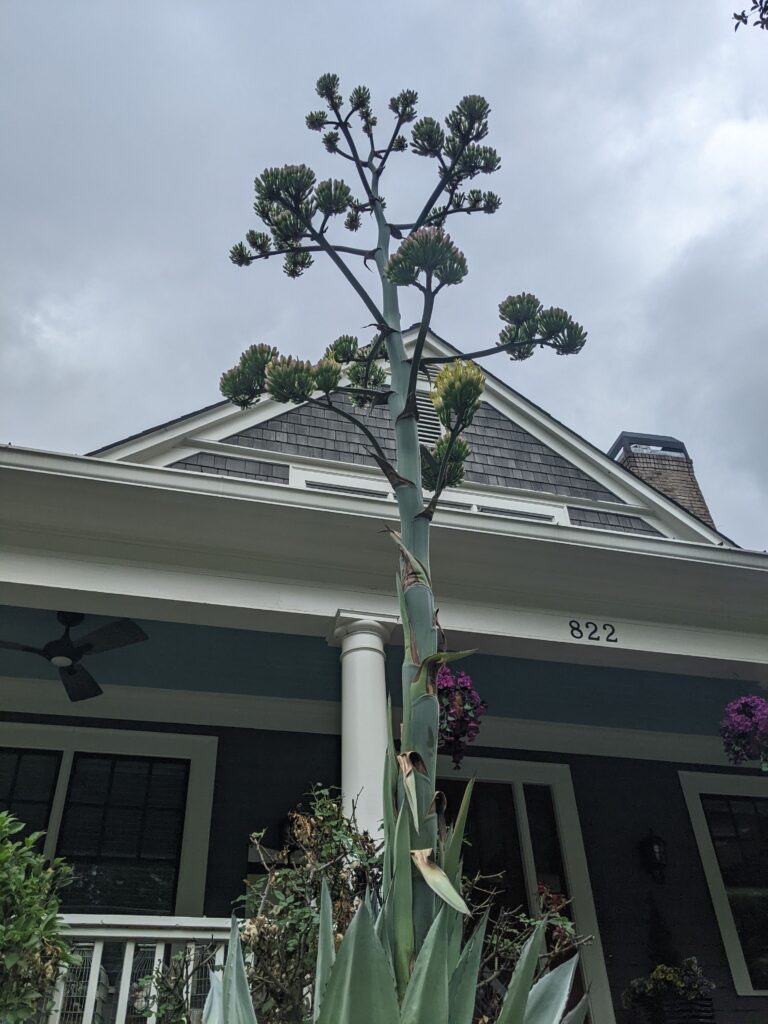
And finally, there’s this bad boy. Agave plants, also known as century plants, store up energy for years and then bloom once when they are somewhere 8-30 years old. This plant is 10 years old. When the flower stalk first appeared, it grew 4 feet in 10 days! The stalks grow to 15-20 feet, and flowers appear within 1-2 months. After flowering, the main plant dies over the course of 3-6 months. This yard had another agave that bloomed last year, and it was cool to walk by it over the months and see the changes. That plant died over a few months and is no longer there. There is a third agave in the yard, so maybe it will bloom next year.
Today is our wedding anniversary. It’s really hard to believe that we’ve been married for 19 years. It just doesn’t feel like our wedding was that far in the past.
We met in January 2006, had our first date in February, and got engaged in October. We didn’t start planning the wedding right away because I just wanted to enjoy being engaged before adding the stress of wedding plans.
Wedding plans began in earnest in February 2007 and were really quite easy once we decided on a venue. We had a friend from Mexico who recommended Hotel Lagunita in Yelapa, Mexico as a popular place to get married. We knew that most of our friends and family would be flying to the wedding and most had already been to visit San Francisco, so we figured, as long as people have to fly, let’s all fly to Mexico! Plus, my good friend Amber had gotten married a year earlier, and I had heard all about the financial shenanigans of planning a wedding in the United States. We were able to keep our costs pretty reasonable by having our wedding in another country.
Like I mentioned, the planning was pretty easy. We had some phone calls with Lucas, the American ex-pat who owned the hotel, and the planning went like this:
“Do you want fish or chicken for the wedding dinner?”
“Can we have both?”
“Yes.”
And the dinner planning was finished.
“Do you want a wedding cake? Yes or no?”
“Yes.”
Planning complete.
I can’t remember which one of us came up with the idea of fireworks, but we asked Lucas if it was possible to have fireworks. He said, yes, he could get commercial-grade fireworks for $40 each, so we ordered 10. It was fabulous.
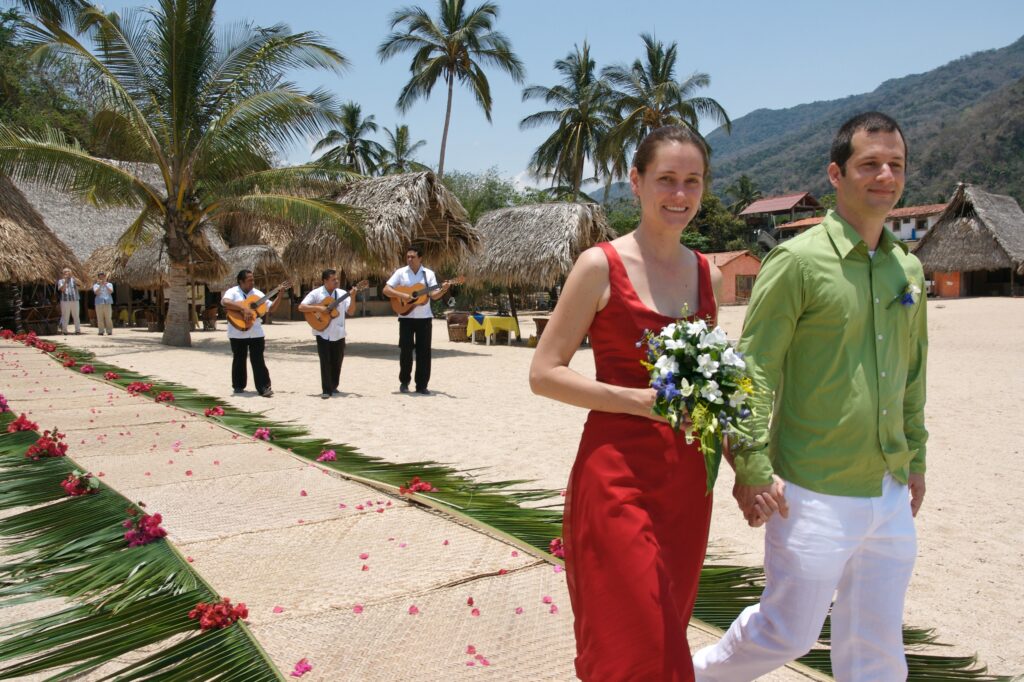
We did some research into the colors of Mexico and came up with grass green, saturated red and bold blue as our wedding colors. My wedding dress was red (custom-made), and Chad wore a green shirt and white pants. My grandmothers couldn’t understand a red wedding dress, but after living in the Bay Area for several years, my skin was so pale that I thought a red dress would be better than a white one, and it was stunning.
So, we started wedding plans in February, sent out save the dates in March, and got married in June, and we saved money along the way. Chad’s friend Brian is a professional photographer, so we paid for his flight and his hotel room and he gave us his photography services as our wedding gift. Chad designed the wedding invitations and got them printed through an online service. Despite the fact that my dress was custom-made, it was cheaper than a traditional wedding dress, and I got to design the exact dress that I wanted, down to the embroidered beading.
We made a CD of music as gifts for our guests, and Chad did a great job of finding dance tracks as well as songs by Mexican and Brazilian artists. It’s still my favorite “mix tape.” We also put together goodie baskets for our guests with things like flashlights, bug spray, and Immodium, you know, the things that come in handy when you’re staying at the beach in Mexico. I also made a “who’s who” of guests so people could learn more about each other. Most of our guests, including our parents, had never met.
We flew into Puerto Vallarta on Thursday and stayed in a hotel for two nights. On Friday, we met Lucas who took us to a flower shop to order the flowers for the wedding and a couple of other shops to buy things for the gift baskets. We also went to get our marriage blood tests (I don’t think we ever saw the test results) and sat through a mandatory pre-wedding about how wives are equal to husbands. It was strange to us.
Then we went to the courthouse to register the marriage. We met with a judge who married us on the spot, something neither of us was expecting. I was wearing a cute dress, and Chad was wearing shorts and a soccer jersey and I joked to him, “That’s what you wore for our wedding?”
My BFF and my aunt and uncle arrived that afternoon and we all spent the night at the hotel. The next day, most of the rest of our guests flew in and we all boarded a boat for Yelapa. One thing I forgot to mention is that Yelapa is a tiny village on a small bay that is surrounded by mountains and jungle. There are no roads into Yelapa; instead, you have to take a boat 45 minutes down the coast from Puerto Vallarta.
So most of us arrived in Yalapa on Saturday afternoon. We got married on a Tuesday, because I wanted everyone to have a couple of days to get to know each other before the wedding so the ceremony wouldn’t be in front of an audience of strangers. Those extra couple of days were perfect for people to meet each other, and it also gave me and Chad an opportunity to relax and spend time with our guests as opposed to a frenetic American Wedding Day.
All in all, it was the best wedding I’ve ever been to. Highlights include the crabs which came out of the jungle and haunted us for the week, the pig slaughter and pig roast for the rehearsal dinner, the tres leches wedding cake, the coconut shrimp, hanging out at the pool, the blown electrical transformer which killed the power for the whole village, scorpions and fruit bats, and being able to spend several days with some of my favorite people in the whole world.
These happy memories are still vivid in my mind, and this is why I can’t believe it’s been 19 years. We’ve had a lot of adventures since then and are scheming new ones as I write this. I look forward to the next however-many years.
June 12, 2007 – the beginning of a great adventure
The 2026 World Cup starts this week with matches held across North America from June 11 to July 19. Atlanta is hosting eight games including five group stage matches, two elimination matches, and one semi-final game. I’ve read that city officials are expecting 65,000 people per game. I’ve also read that they anticipate 300,000 visitors to the city, so I’m not sure how that reconciles with 65,000 per game. In any case, that’s a lot of people, and Atlanta has been preparing for several years.
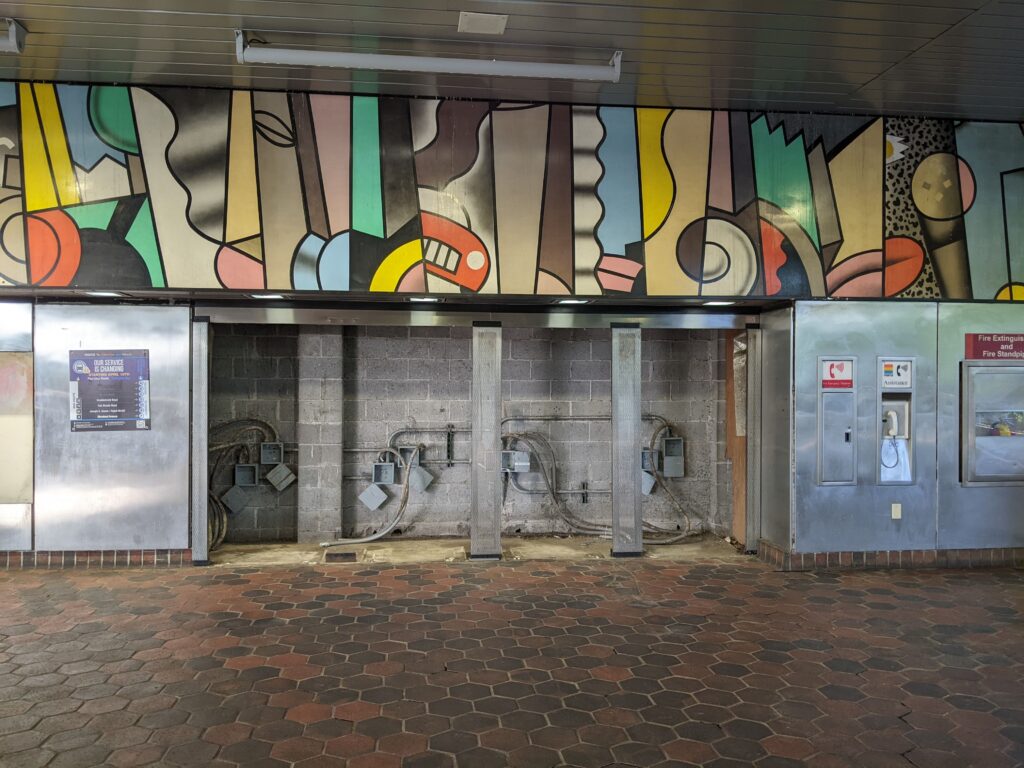
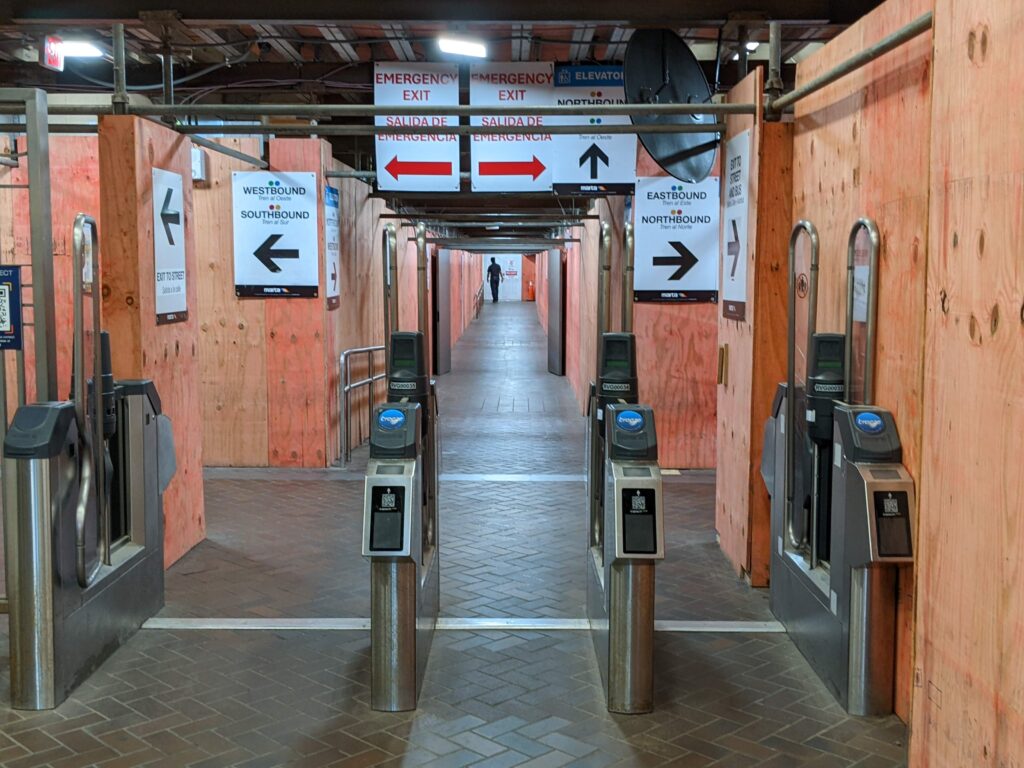
The 2026 World Cup was awarded to the Canada – Mexico – United States bid in 2018. I first started seeing preparations in 2024 when MARTA began renovations on the central Five Points Station downtown. That’s the station that I use for my work commute, so I’ve seen the progress over the last couple of years. Quite honestly, the work doesn’t seem like a vast improvement, just some new tile and ceilings, but maybe the upgrades will be more apparent when the work is complete in 2028. In the meantime, it’s been a maze of plywood barricades for many months.
work being done on Five Points stationturnstile entry at Five Pointsnavigating Five Points stationwork being done on one of the platforms
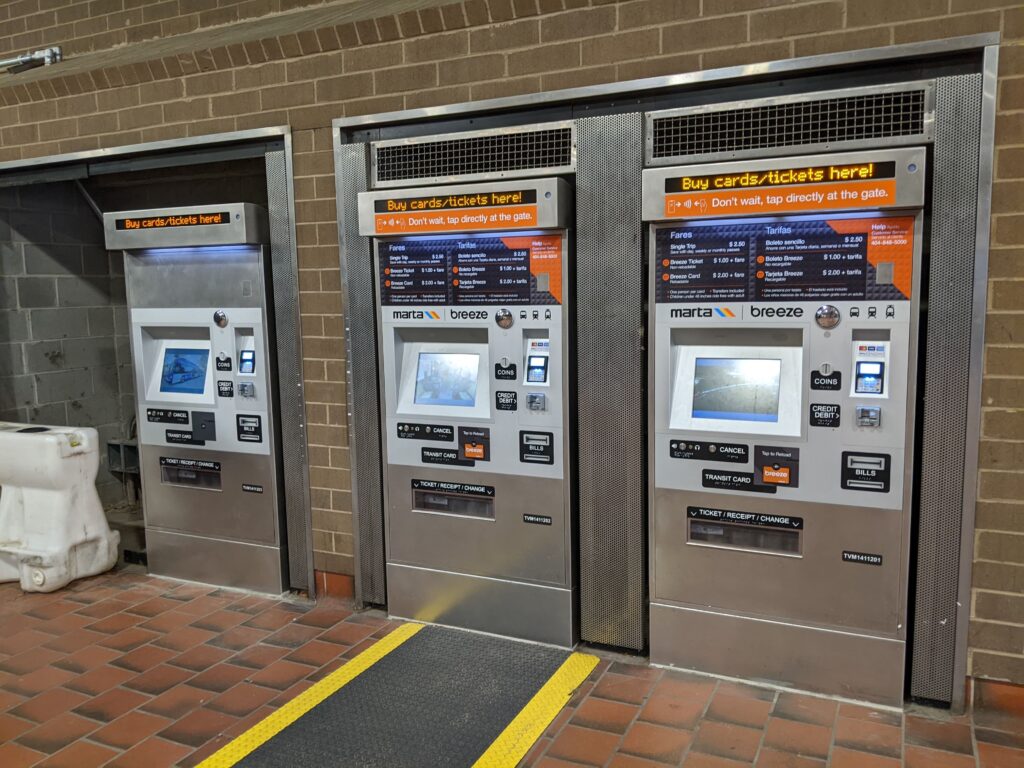
In addition to updating some of the train stations, MARTA has also installed a new payment system. You used to buy a plastic card that you would refill at machines at each station. Now there is still the option of cards, but you can also use your phone to pay directly from your bank account. I haven’t tried this because I have a monthly commuter card through my work, but Chad will get to try it when we go to a game on June 21st.
the ticket/card machines were removed from my neighborhood stationnew machines at a stationwhile the machines were being switched over, the turnstiles were wide open and travel was free for a few weeks
One thing I’ve only heard about recently is that MARTA is supposed to roll out a new fleet of 224 train cars. This was originally supposed to happen last year. As recently as last week, the cars still hadn’t been put into play. In fact, the required safety tests hadn’t even been performed. I’m wondering if those cars will make an appearance before the World Cup is over.
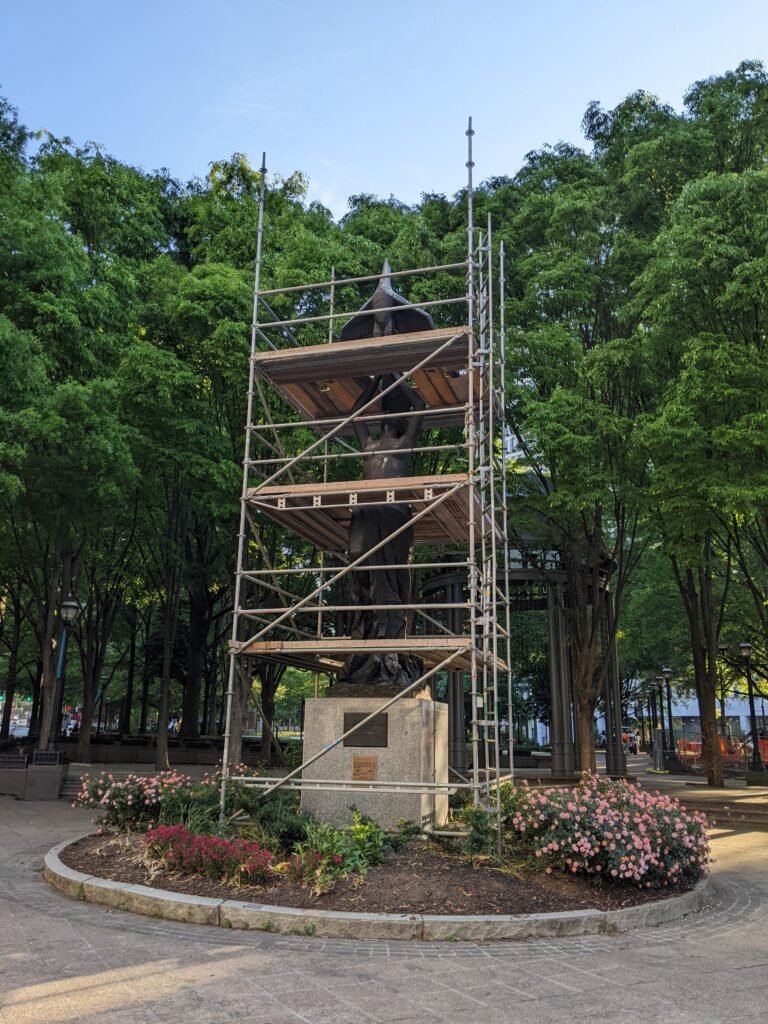
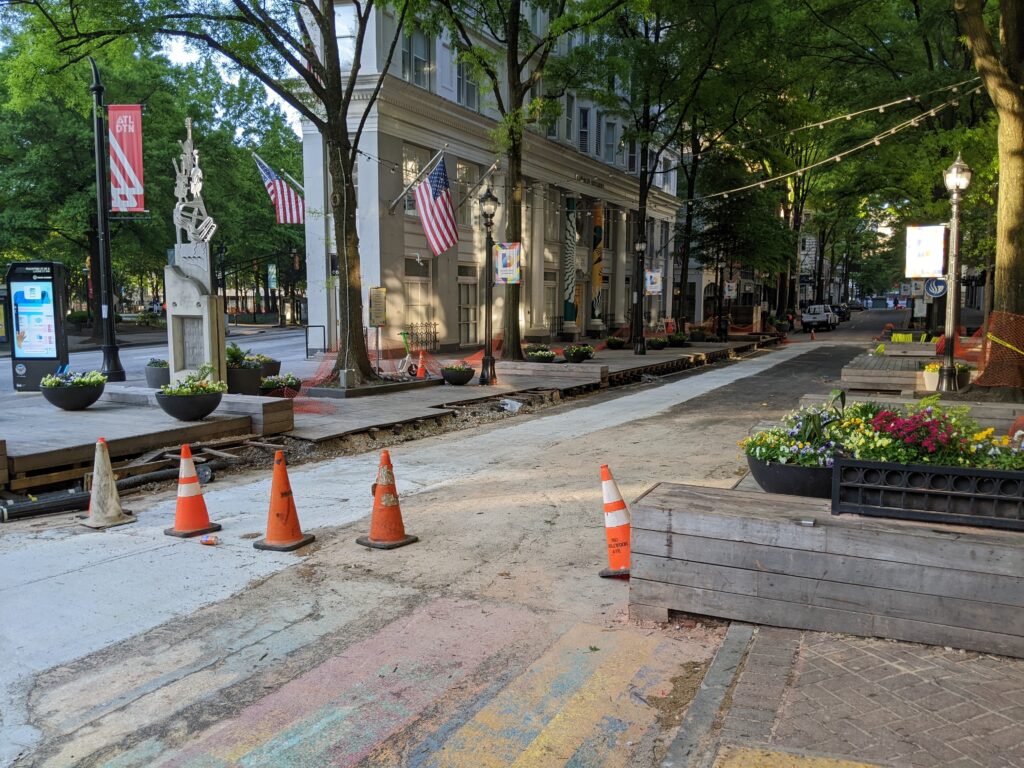
I’ve seen other work happening downtown around my office. Statues are being cleaned and fixed up. Streets are being repaved. The park across from my office has had a facelift. The pedestrian boardwalk on Broad Street is getting fixed up and/or replaced. I hear there are new street murals downtown. There’s also a new city park large enough for outdoor concerts, and it will have free screenings of soccer games during the Cup. Since I broke my arm, I haven’t been back to the office so I haven’t seen the downtown landscape lately. It will be interesting to see how things look.
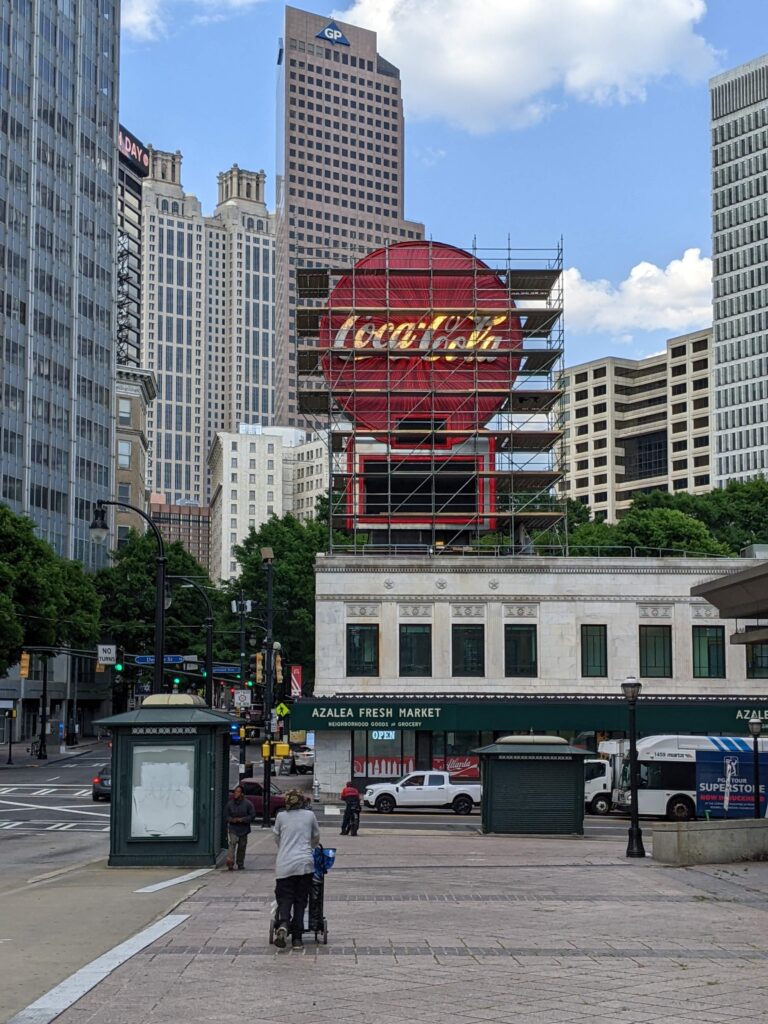
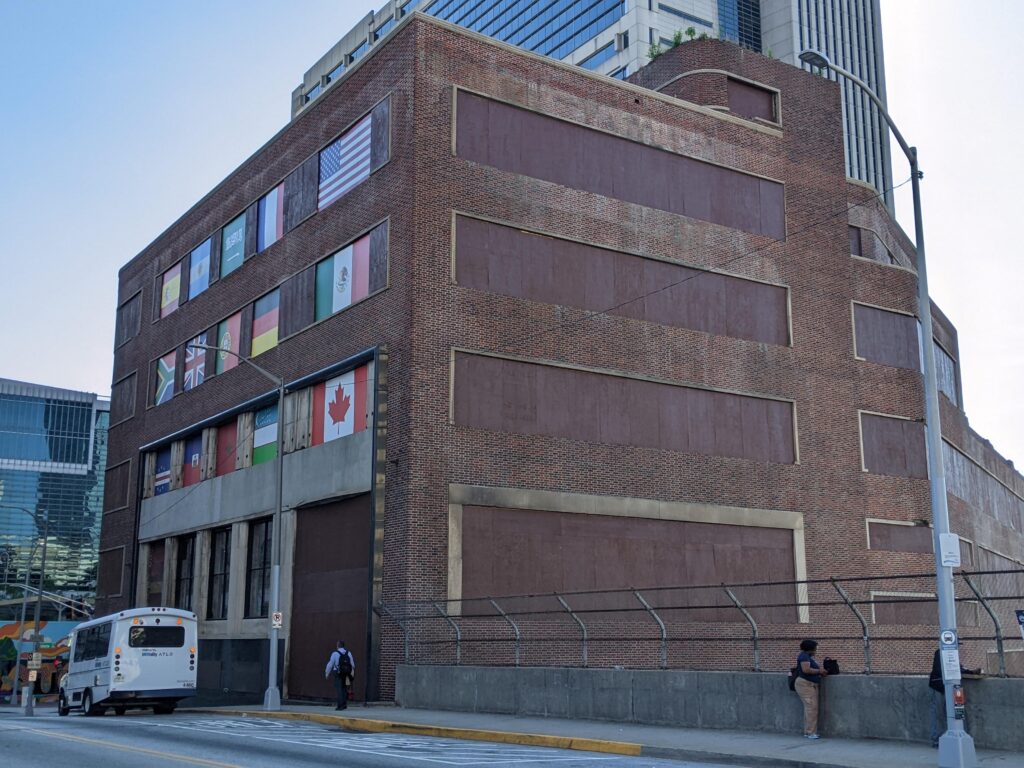
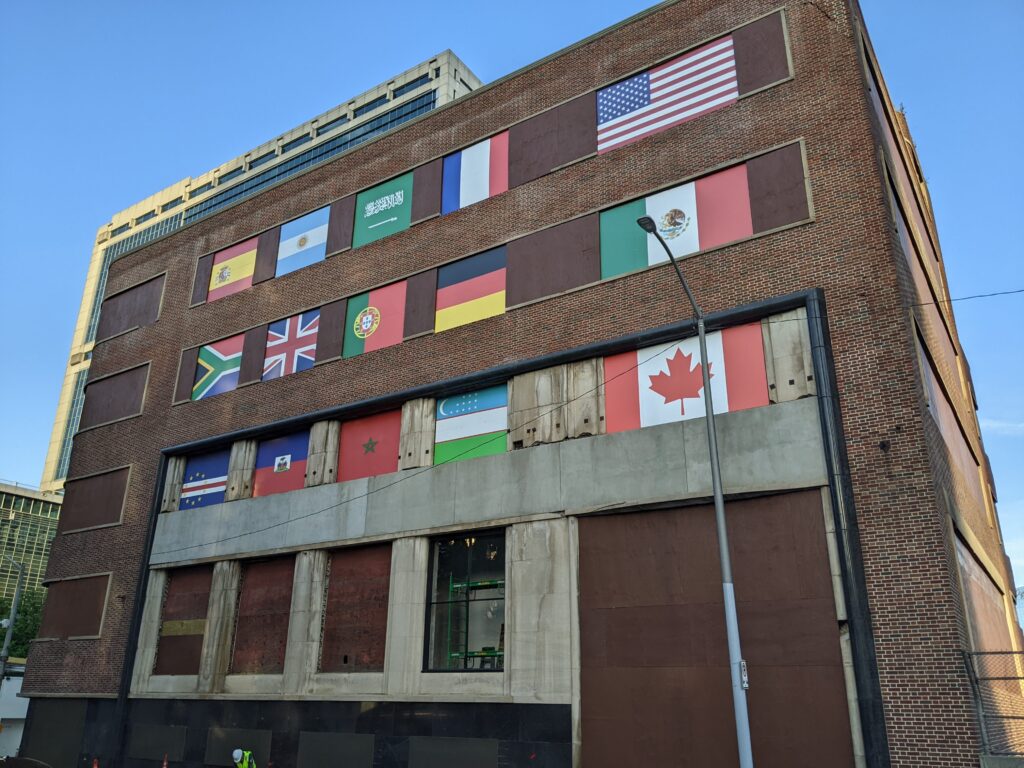
statue being cleanedanother statue being cleanedstreet workLandscaping work being done in the parkThis part of the part was also fenced off but no work was done – I honestly think they fenced it off so the homeless people would have to go hang out somewhere elseBroad Street boardwalk being repairedThe iconic Coca-Cola marquis sign is being refurbishedThis building near my office has been vacant for decade and had plants and trees growing out of it – it has been cleaned up and is undergoing renovationNational flags have been painted on the temporary plywood in the windows
Speaking of going to the office, my company announced that staff would be permitted to work from home on the days that games are held in Atlanta. My office is a few minutes’ walk from the stadium, so everyone’s expecting the downtown neighborhood to be a zoo and that it will be difficult for people to drive to the office. I’m sure plenty of co-workers are excited about the option of extra work days at home, but I immediately thought, “Are you kidding? I want to be right in the middle of things and experience all of the excitement downtown!”
A restaurant near my officeMy neighborhood grocery store
Chad and I have tickets to one of the games, and we plan to go to other events and free screenings during the World Cup. Stay tuned for updates over the next few weeks!
The historic Oakland Cemetery was founded in 1850 and covers 48 acres just east of downtown Atlanta. Over 70,000 people are buried here including Atlanta mayors, Georgia governors, Union and Confederate soldiers, paupers in unmarked graves, and others. Some recognizable names include author Margaret Mitchell, golfer Bobby Jones, and musician Kenny Rogers.
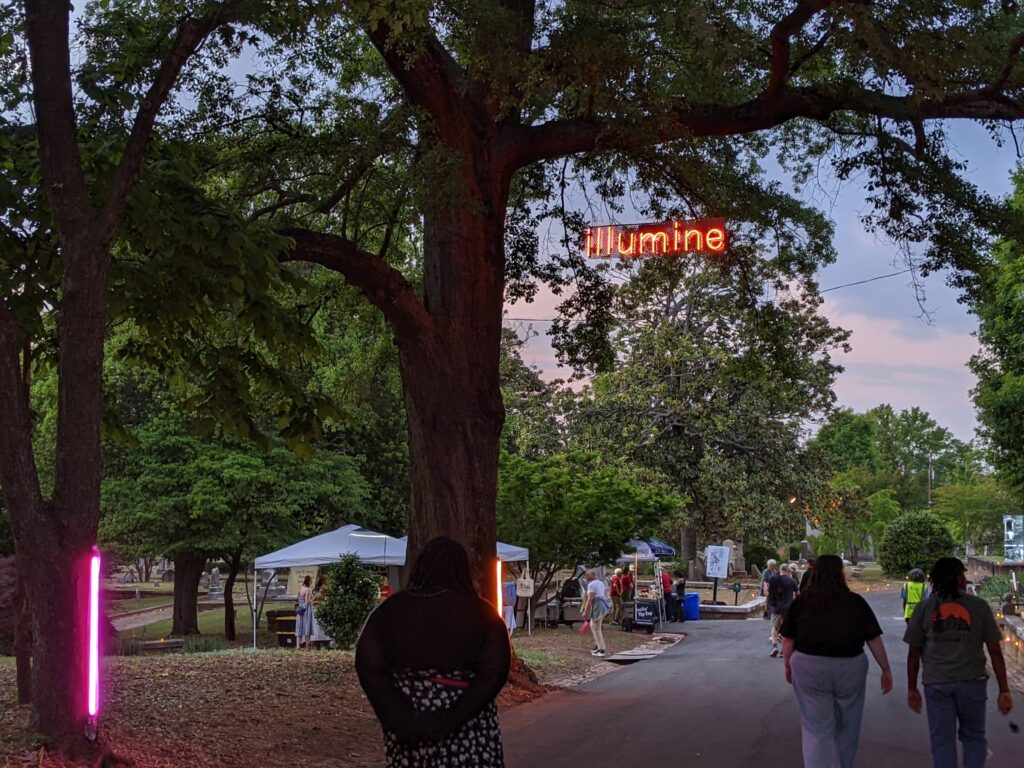
The Illumine festival happens in the cemetery every April. We walked over from our house and arrived at dusk.
Arriving at the event
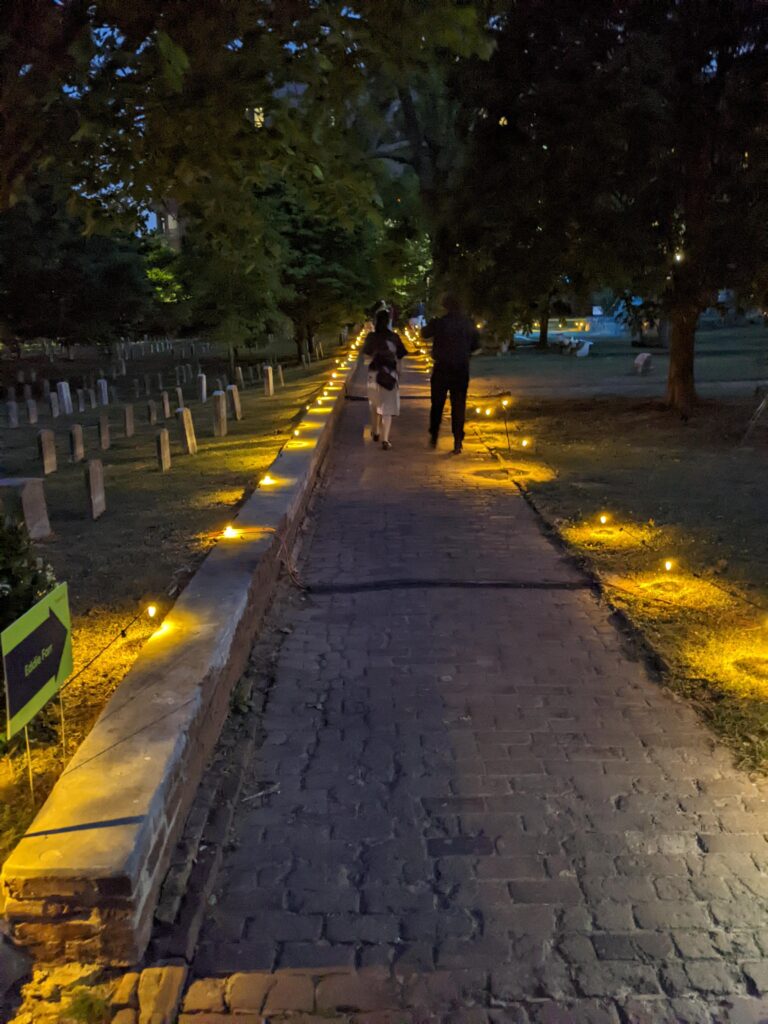
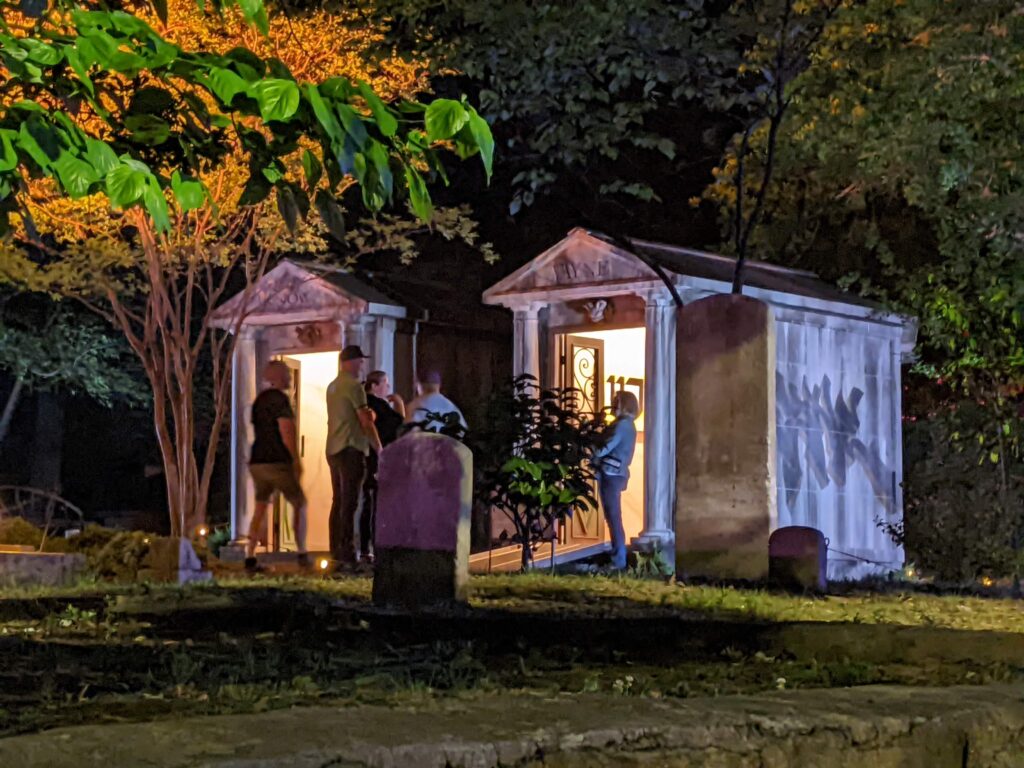
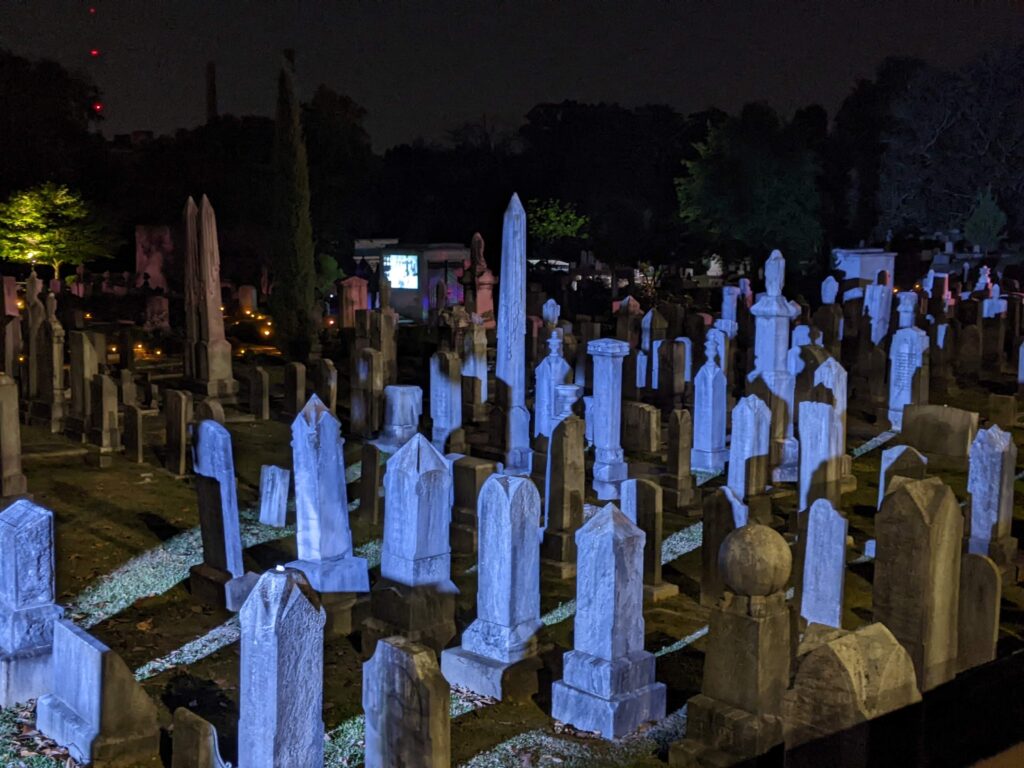
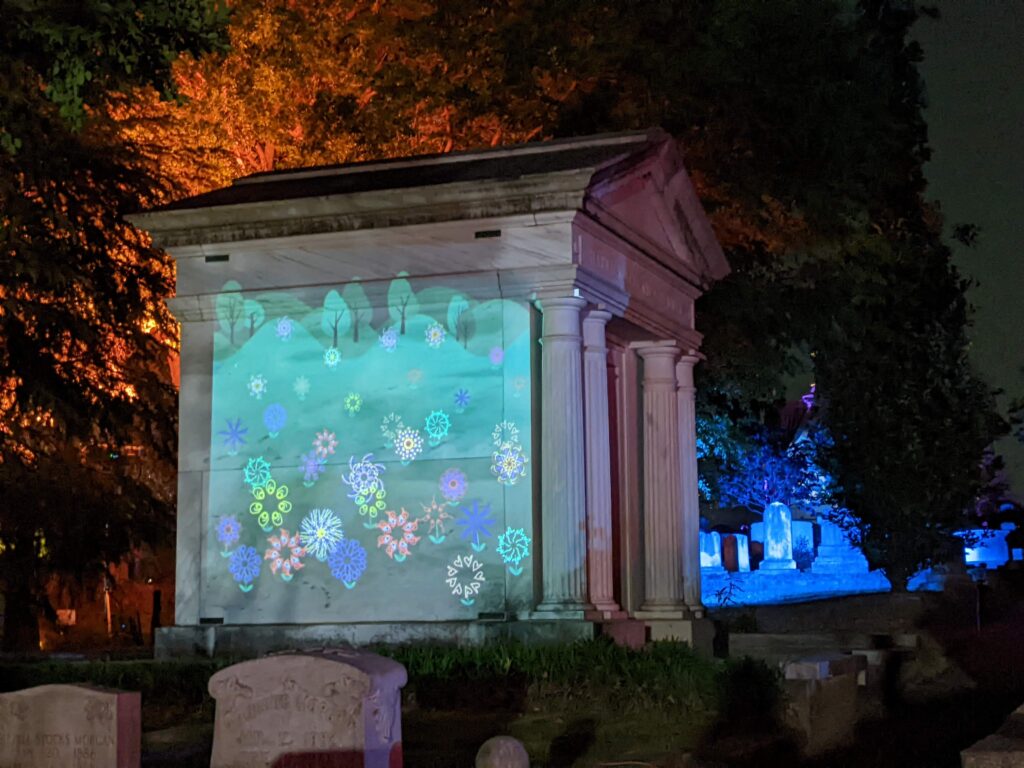
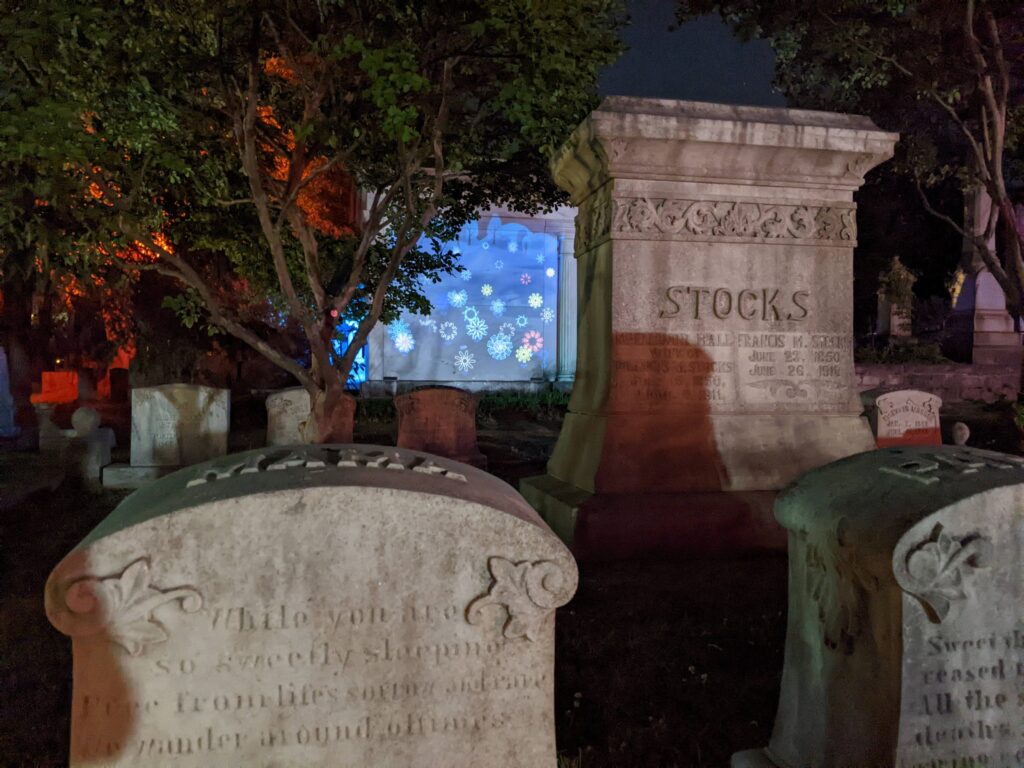
As the sun goes down, colorful lighting illuminates grave markers, mausoleums, and other structures around the property. Trees and other vegetation are also highlighted with a variety of colors. We’d been to the cemetery previously during the day, so it was cool to see it after dark.
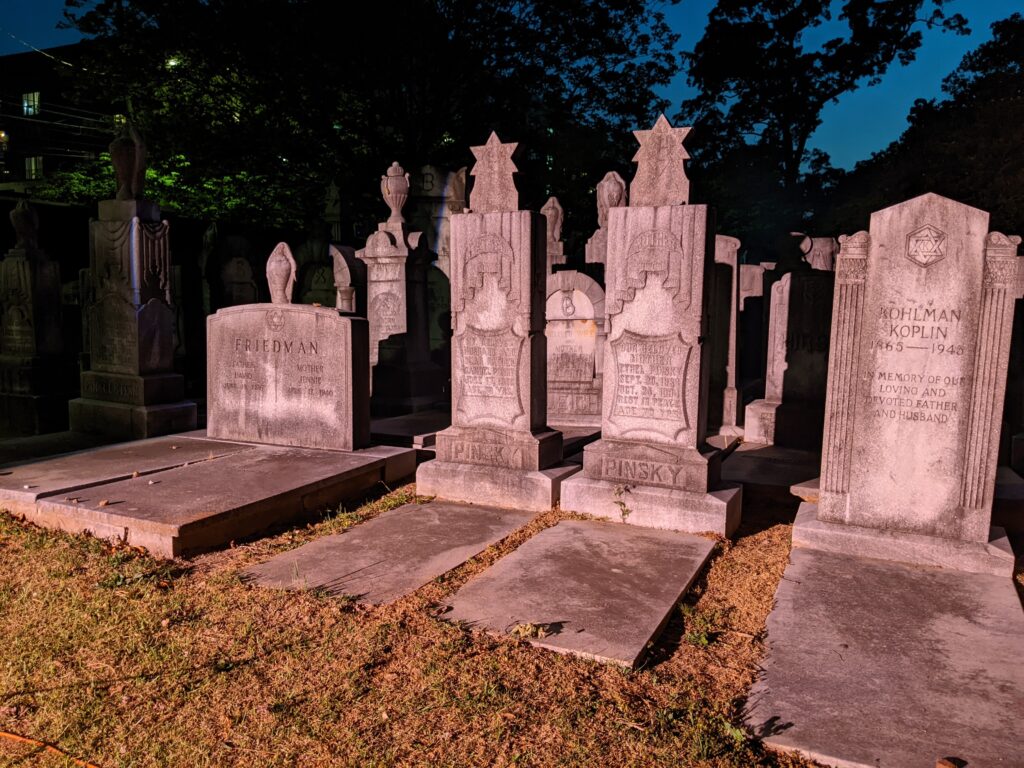
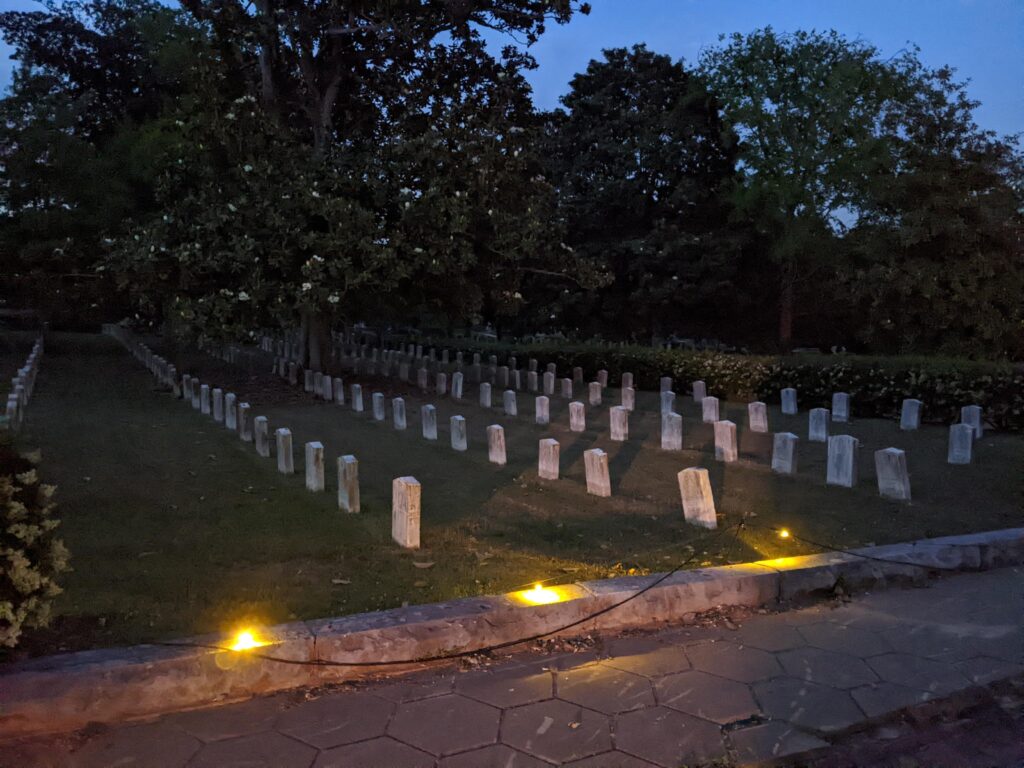
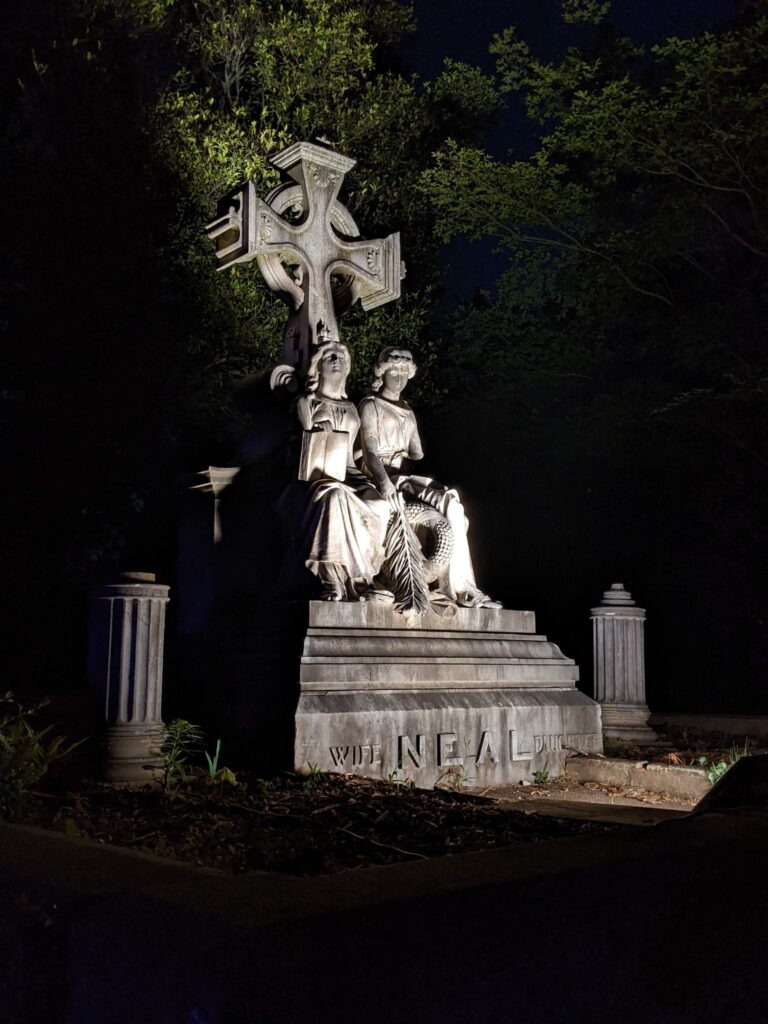
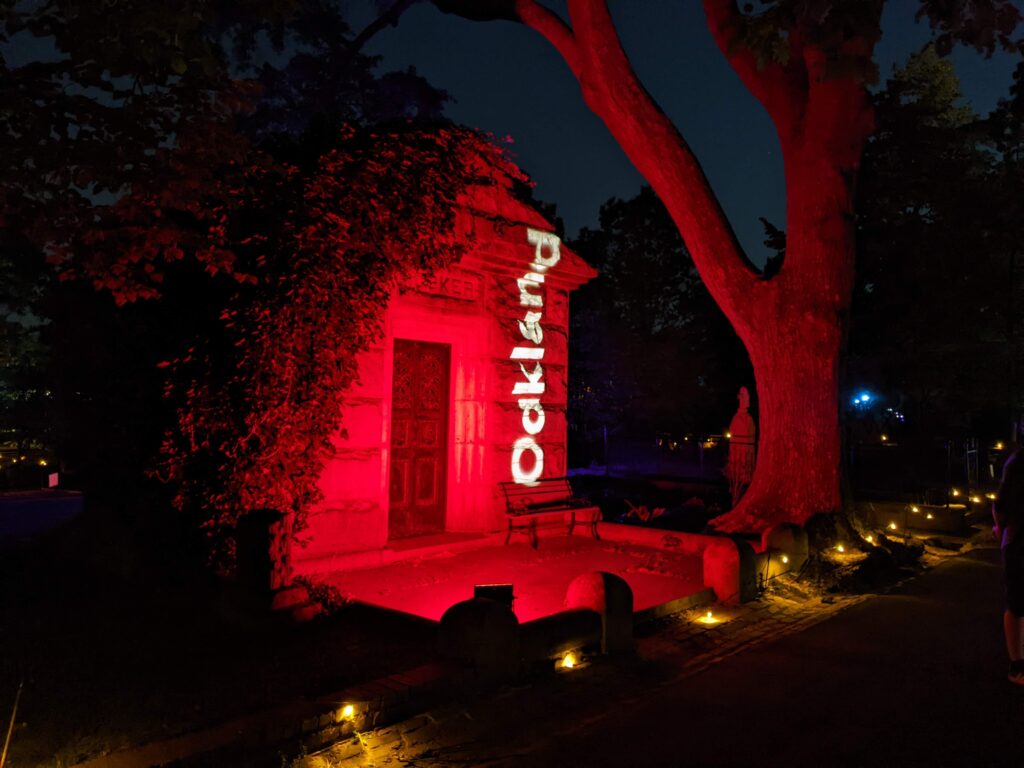
One of the paths through the cemeteryA couple of mausoleumsA view of gravestonesThis mausoleum had a display projected onto itA close-up of some headstones, notice the mausoleum in the background with that flowered projectionHeadstones in the Jewish sectionPart of the field of Confederate civil war soldiers’ gravesA dramatic statue
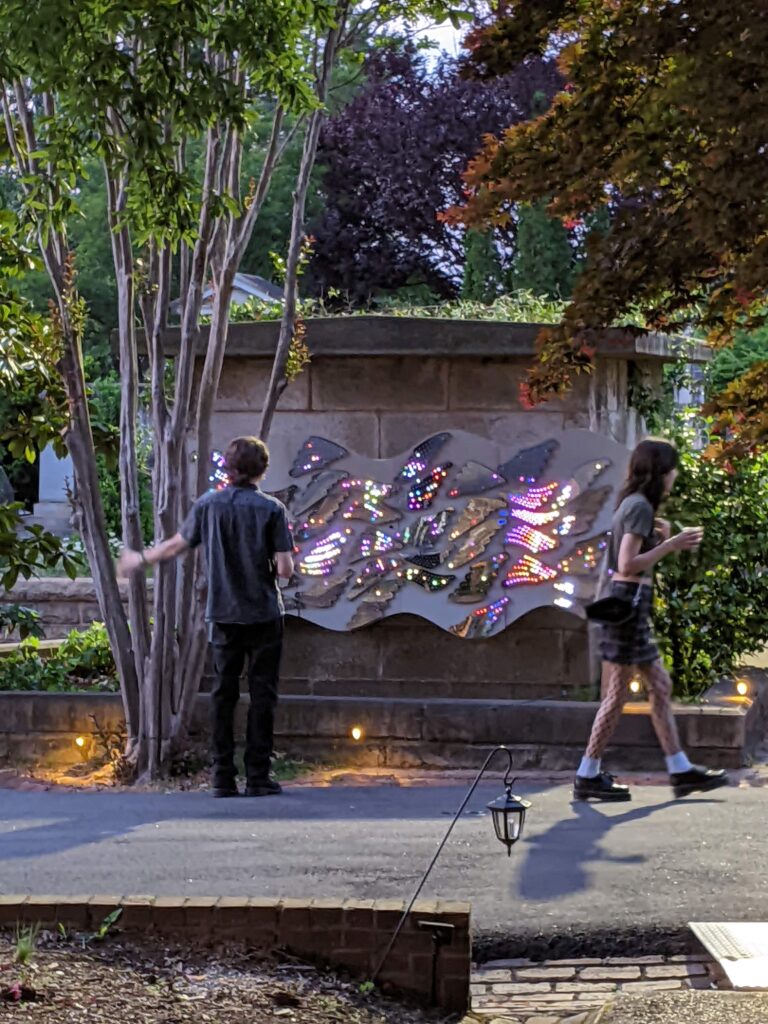
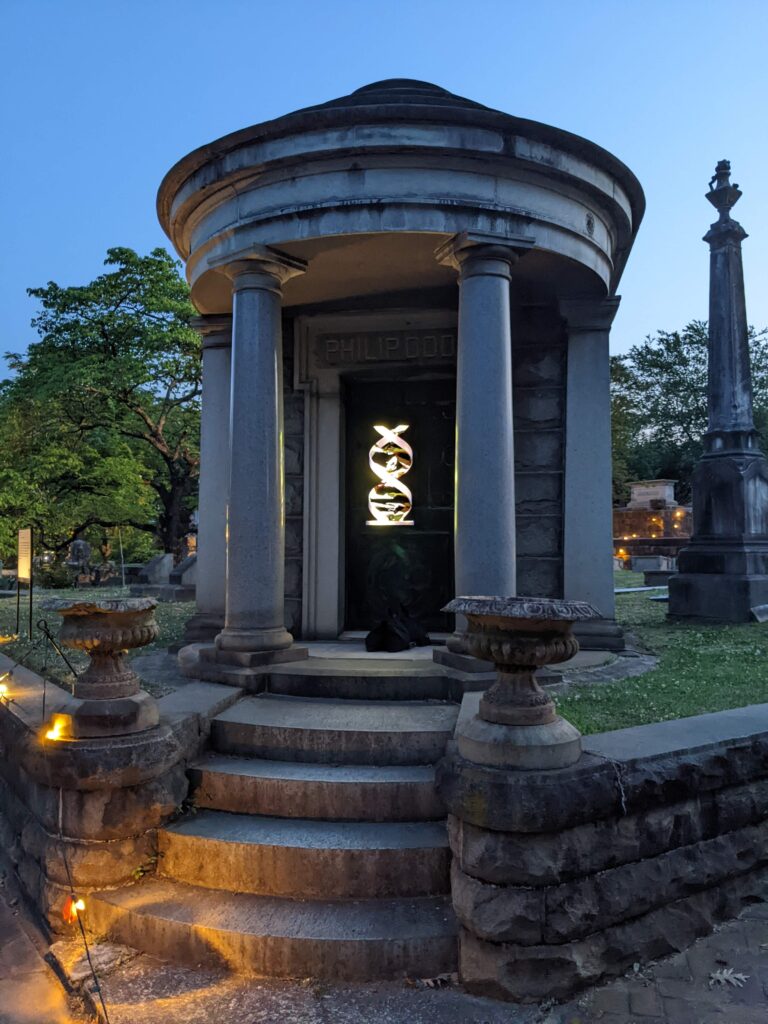
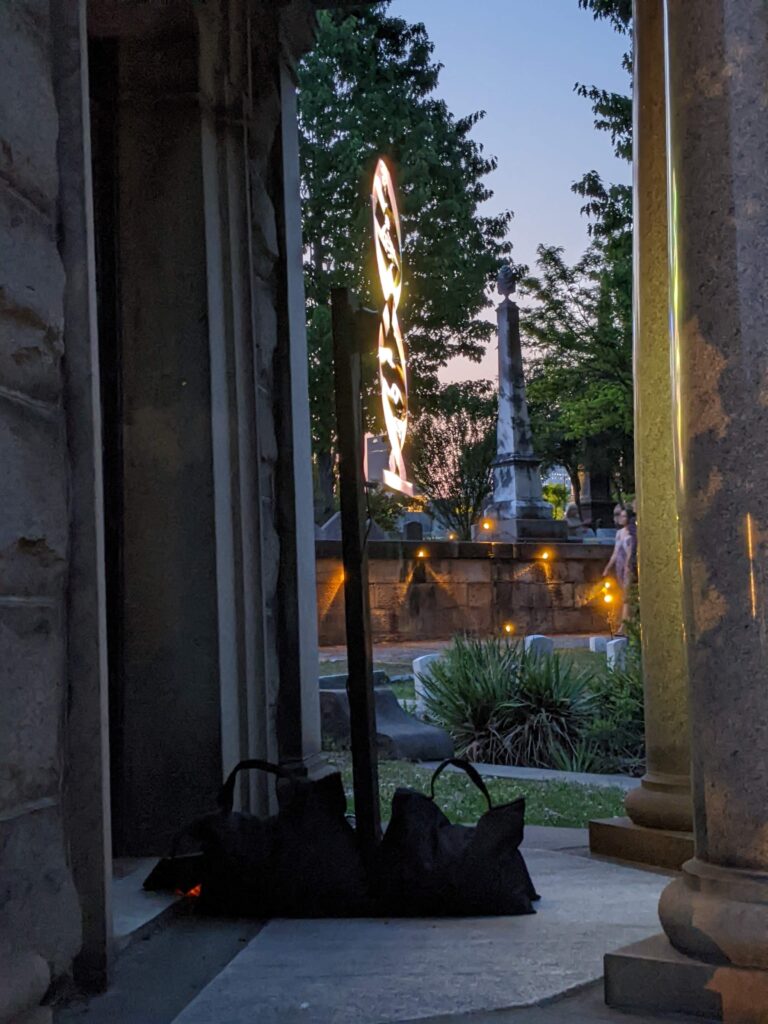
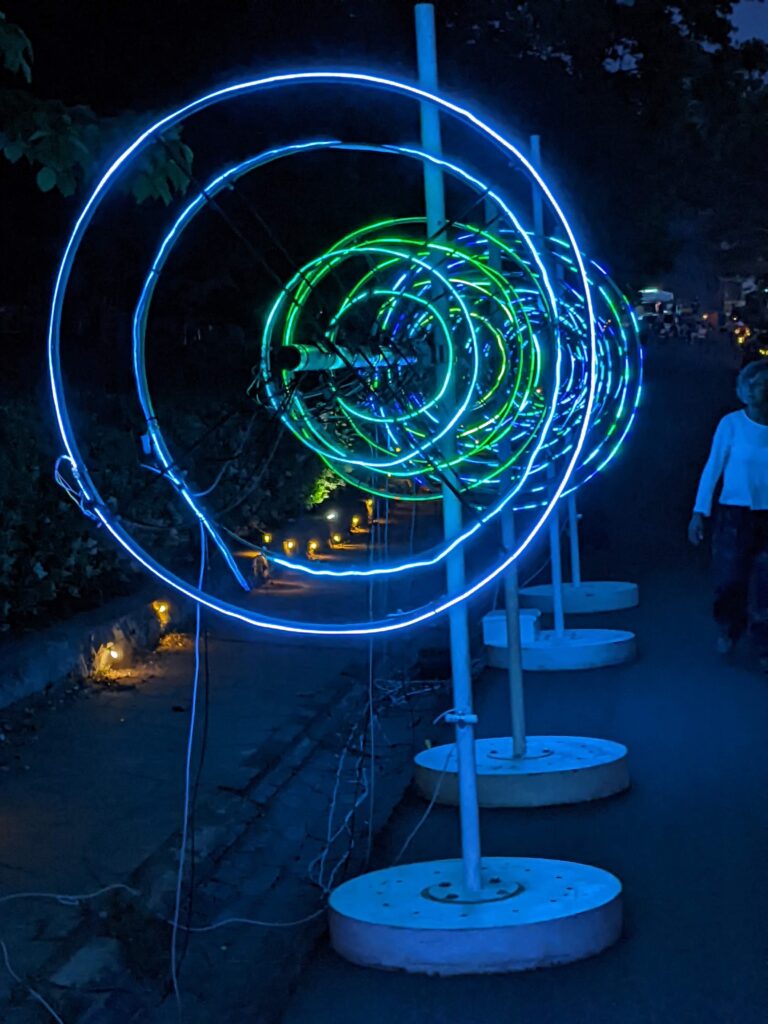
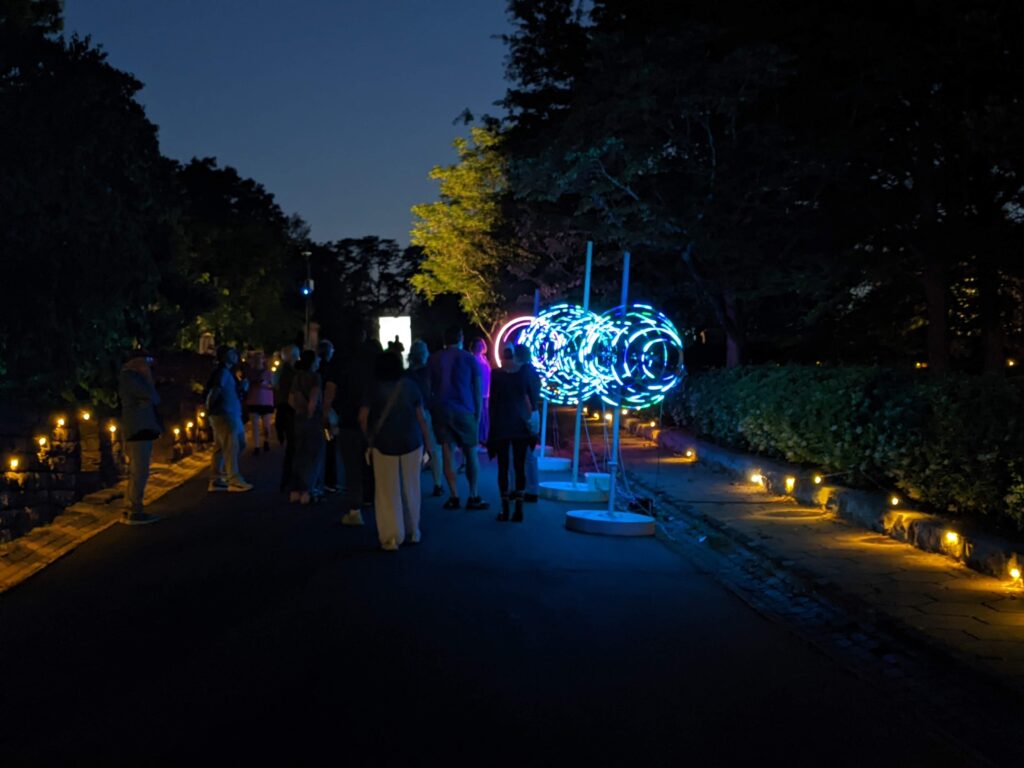
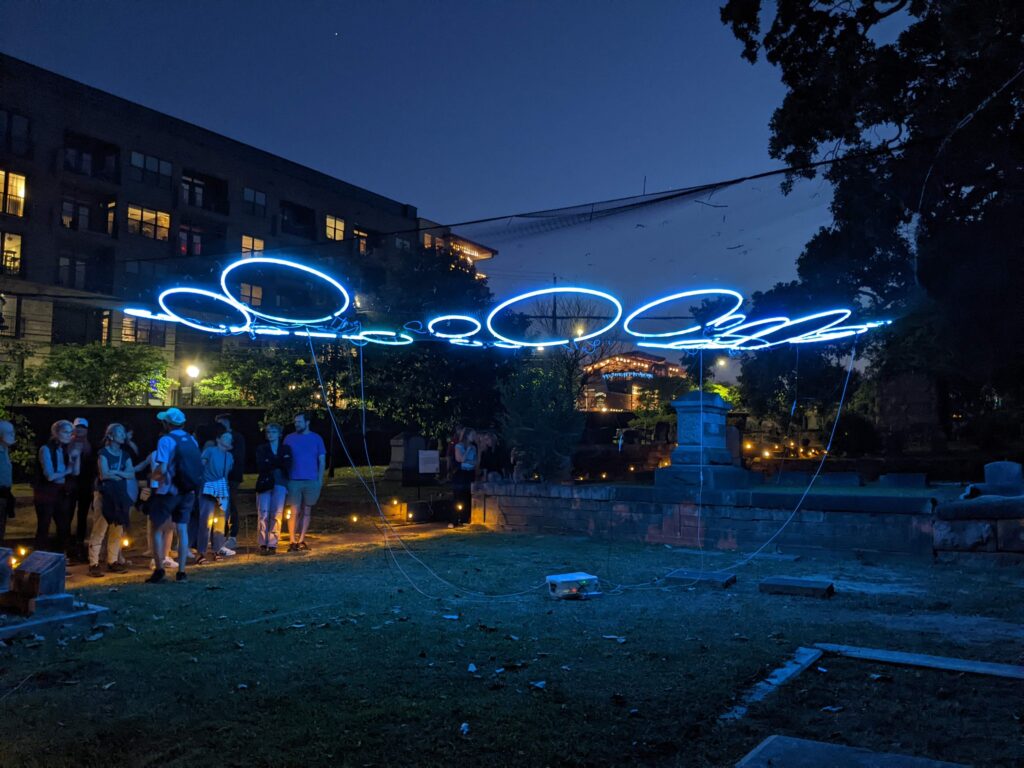
In addition to the cemetery-wide mood lighting, there were also lighted art installations by several Atlanta-area artists. This year, 11 artists were featured, and some of the artists were on hand to talk about their work. Art media ranged from neon to holograms to LED to projection and more.
This interactive art piece has dozens of lights and a camera that could sense movement – as people walked past or stopped to wave their arms around, the lighting pattern would changeThis was a hologram of a rotating double helix……but when you looked at from the side, you could see that it was just a 2D projectionA series of concentric circles that changed from green to blue to pinkAnother view of the concentric circles art pieceA suspended art piece
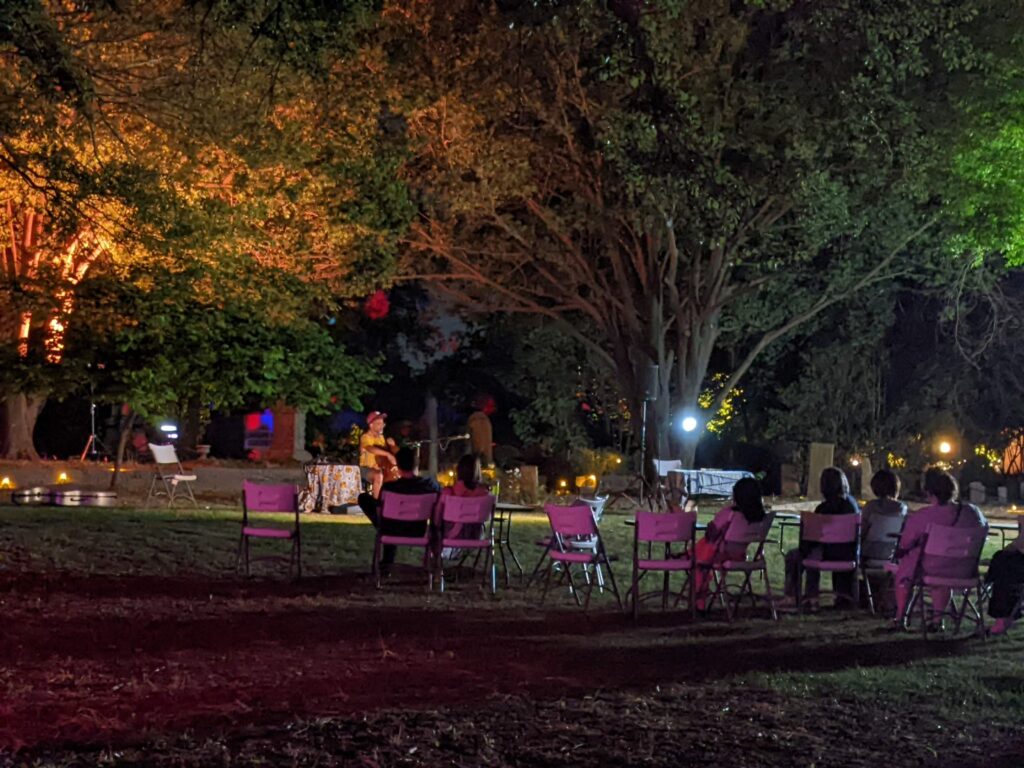
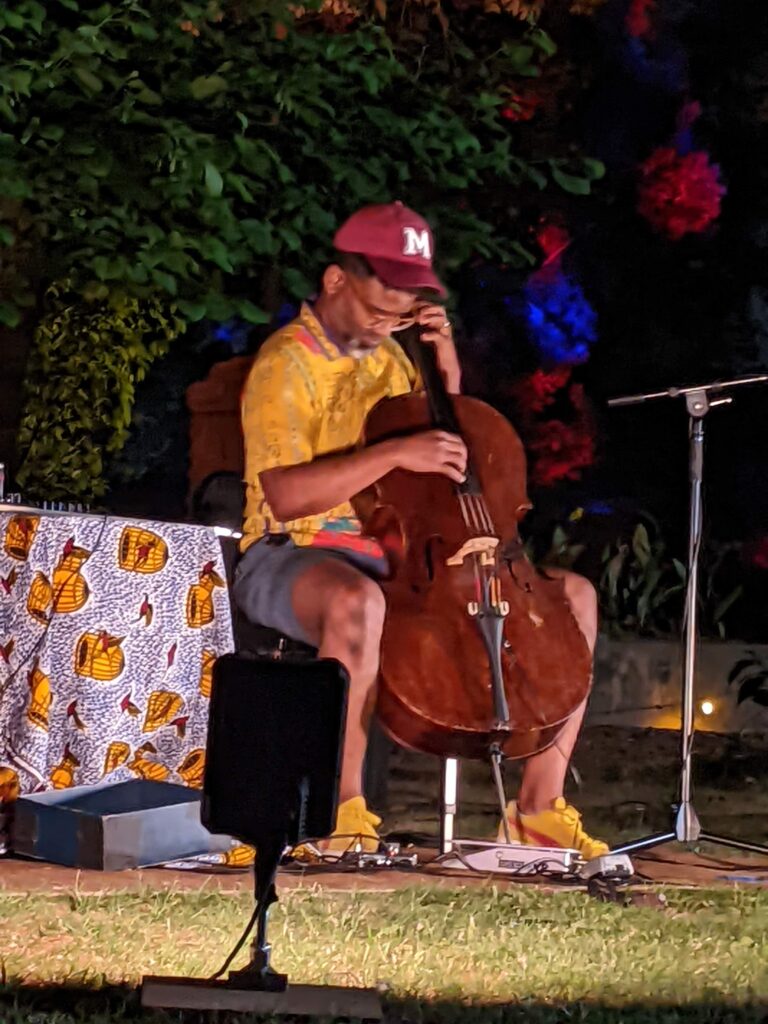
There were also musicians staged around the property. There was one guy in particular who really caught our attention. He was a cellist who used a loop machine to record layer upon layer upon layer of rhythms and melodies to make it sound like there were several instruments playing together. He would even include tapping and knocking on the wooden body of the cello to create percussion tracks. It was really cool. We stuck around so we could listen to his whole performance, and then we chatted with him afterwards and bought a CD. You can find his videos online by searching for OkCello on YouTube.
One of the music venuesThe cellist
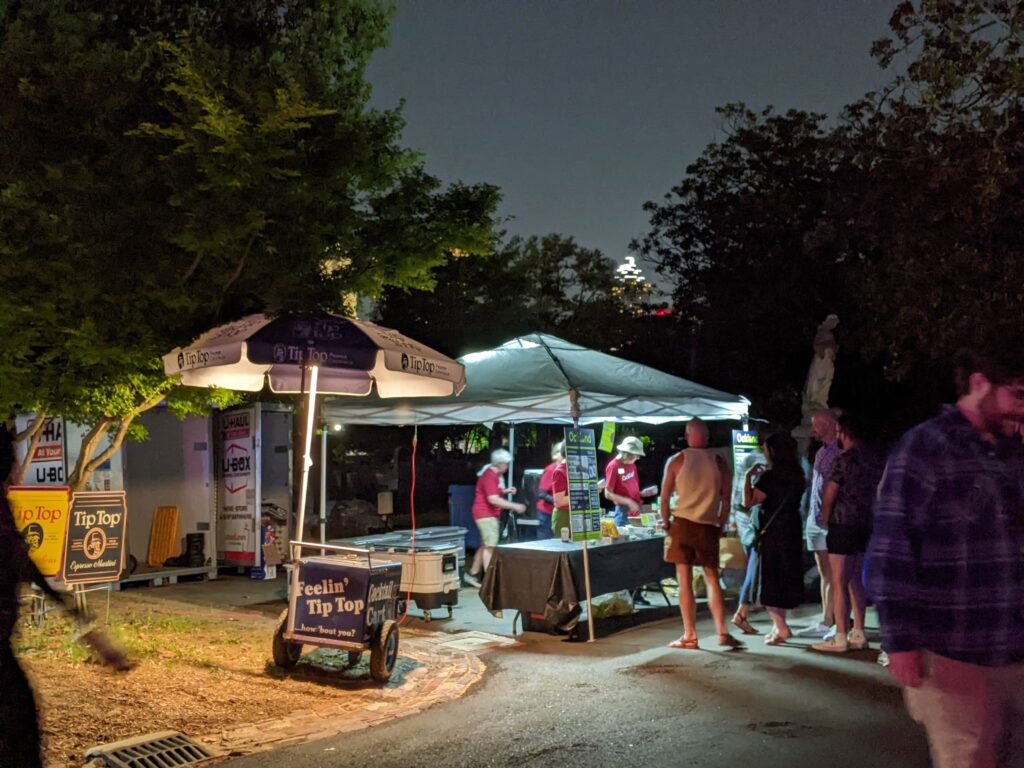
Of course, there were snacks booths set up around the cemetery plus a merchandise booth selling items from the cemetery museum shop. There were also port-o-potties available.
Snacks and drinks for saleThis port-o-potty was so nice, I had to take a photo