When I went to the Abbott family reunion, I took advantage of the fact that I was flying into Baltimore and arrived early so I could spend the afternoon at the National Aquarium. I love going to aquariums. The animals are always fun to see, of course, but it’s also interesting to see how the exhibits are designed and how the building architecture is organized to support the visitors’ experience.
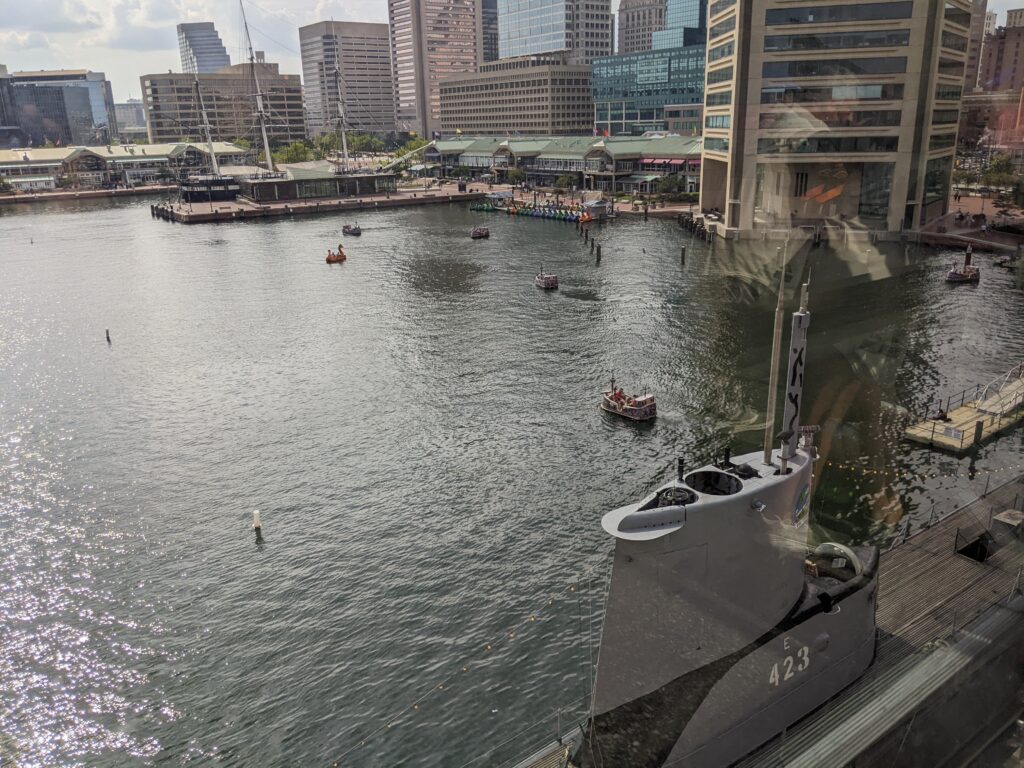
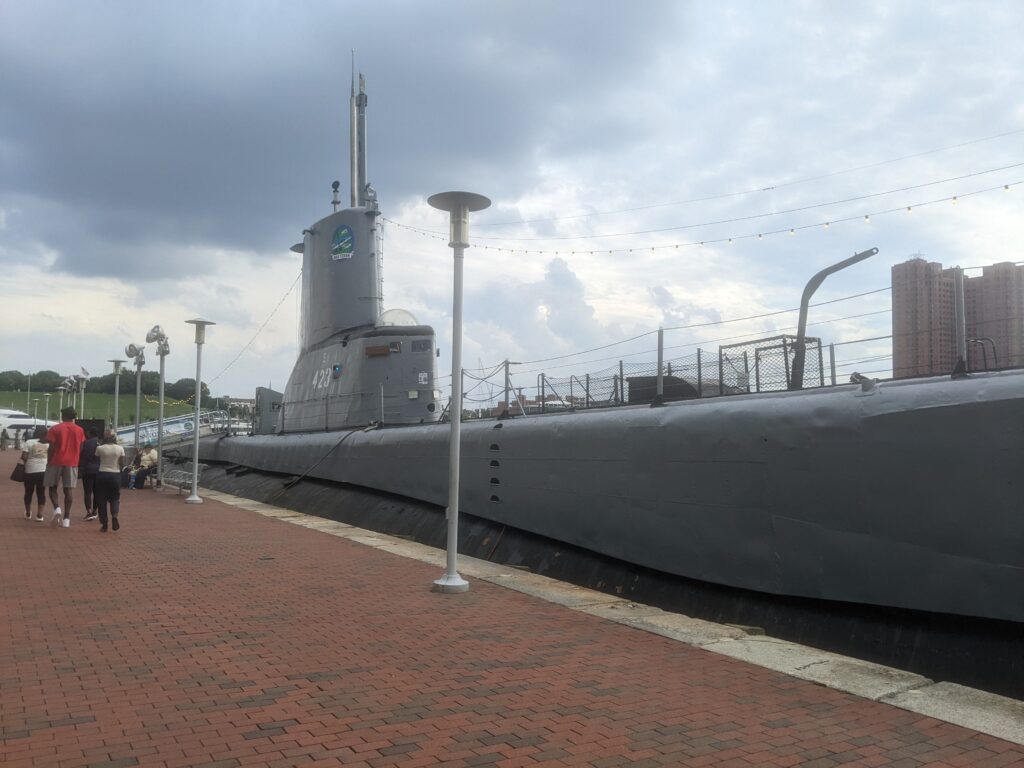
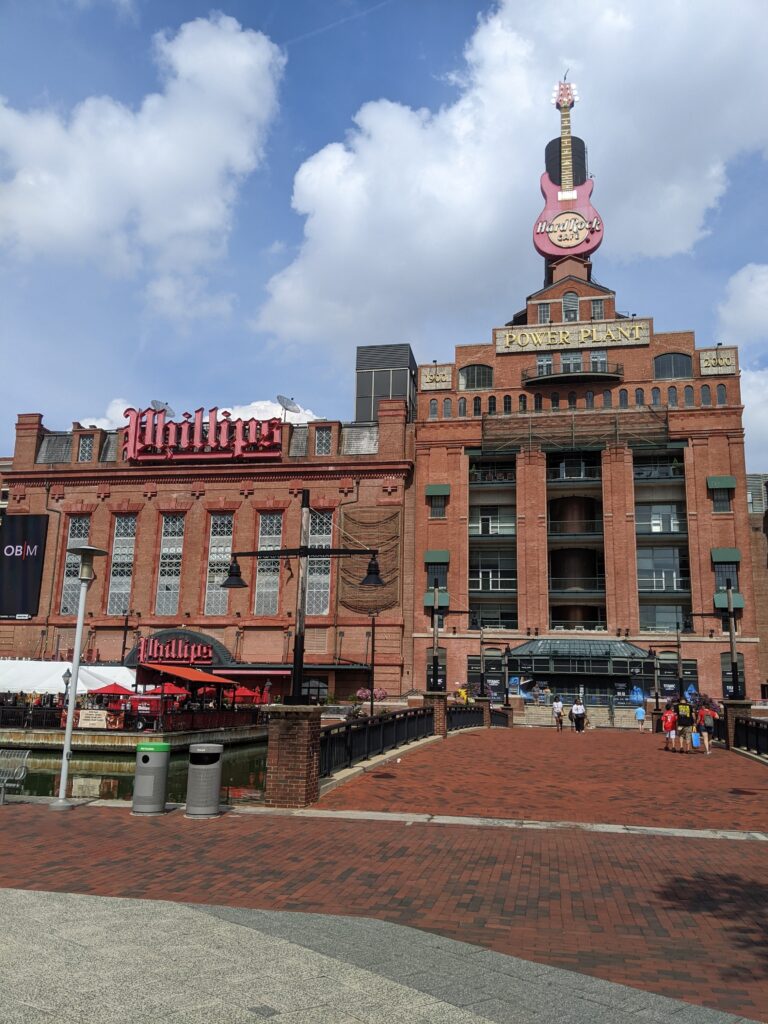
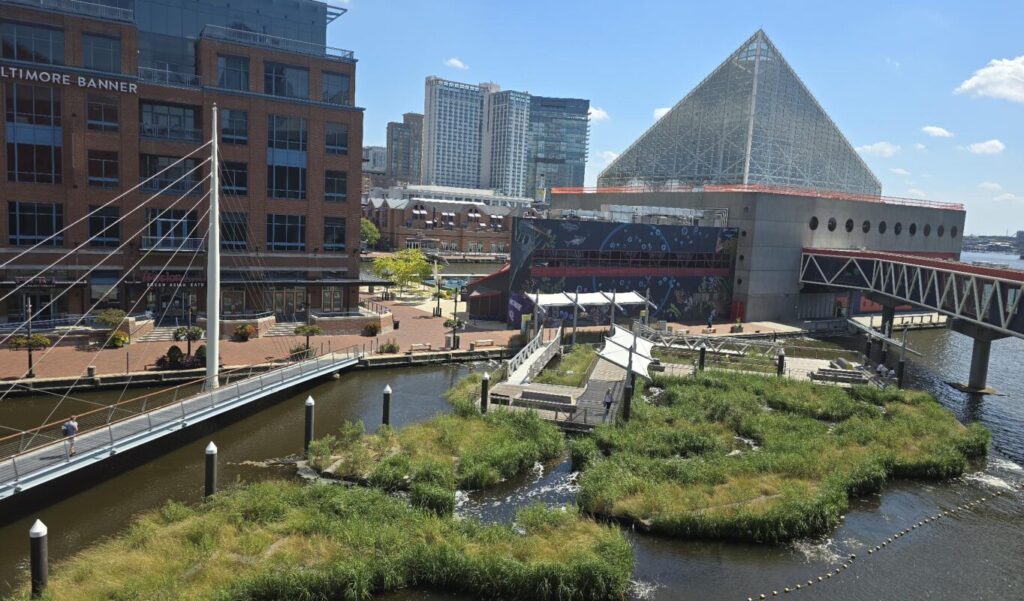
The National Aquarium is located on two piers in the Baltimore inner harbor. The aquarium is in a very touristy part of the city, and neighboring attractions include an immersive Titanic exhibit, a WWII submarine that you can tour, paddle boats for rent, and city parks to rest your weary feet. Plus lots of restaurants and bars, of course.
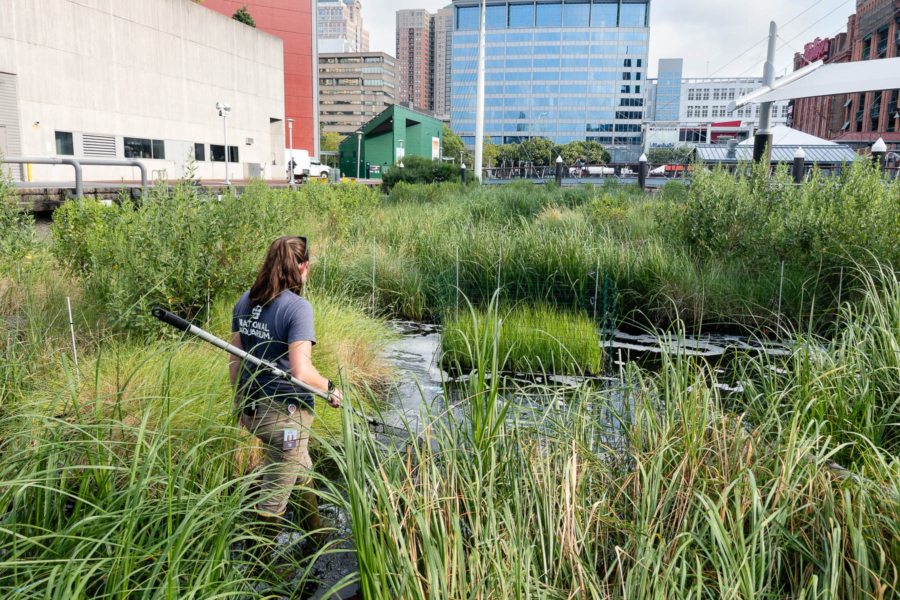
The area between the two piers of the aquarium is the Harbor Wetland, a recreated salt marsh exhibit constructed directly in the harbor. It recreates a marsh environment like those that existed in Baltimore hundreds of years ago. This new salt marsh is so successful, native species have already moved it and made it their home.
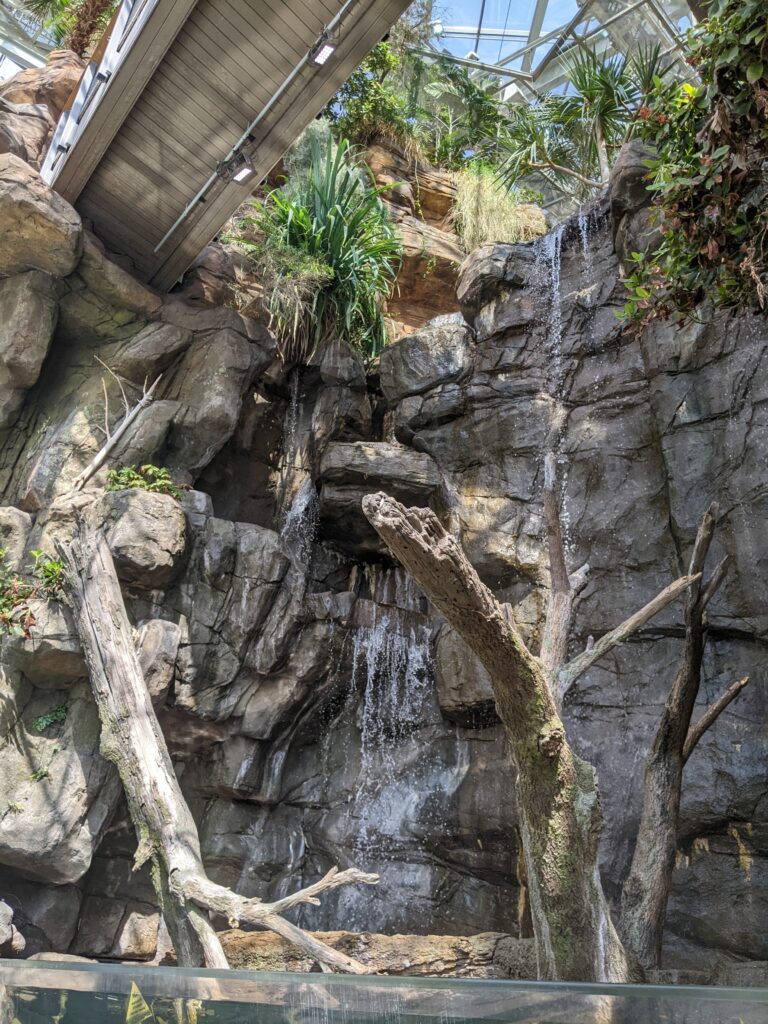
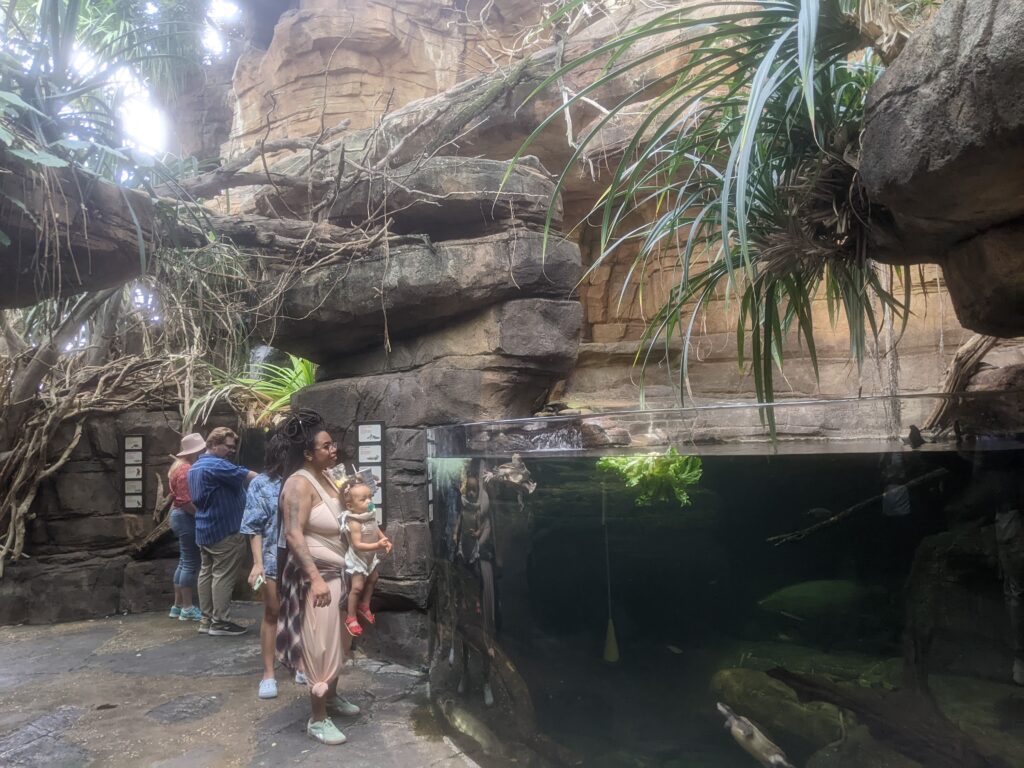
The main entry to the National Aquarium leads you into the Australia: Wild Extremes exhibit. This exhibit is enclosed with glass walls and a glass roof, so it is very light and bright, a real contrast to most aquarium exhibits which don’t have any windows. The exhibit includes crocodiles, turtles, fish, birds, and other reptiles.
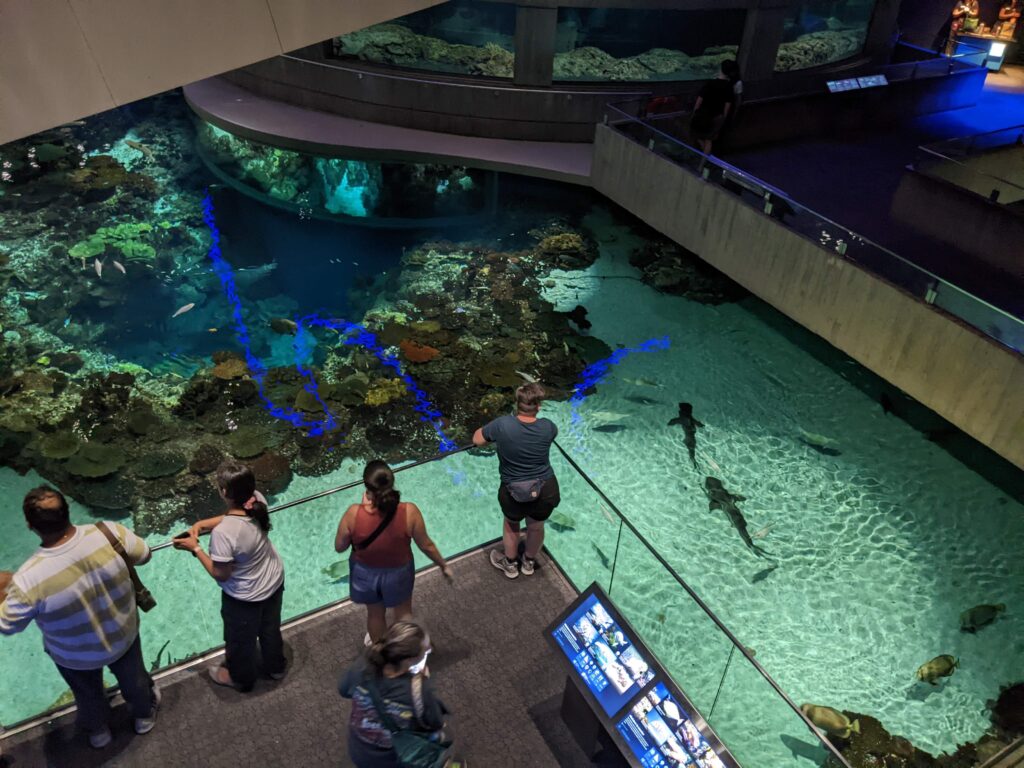
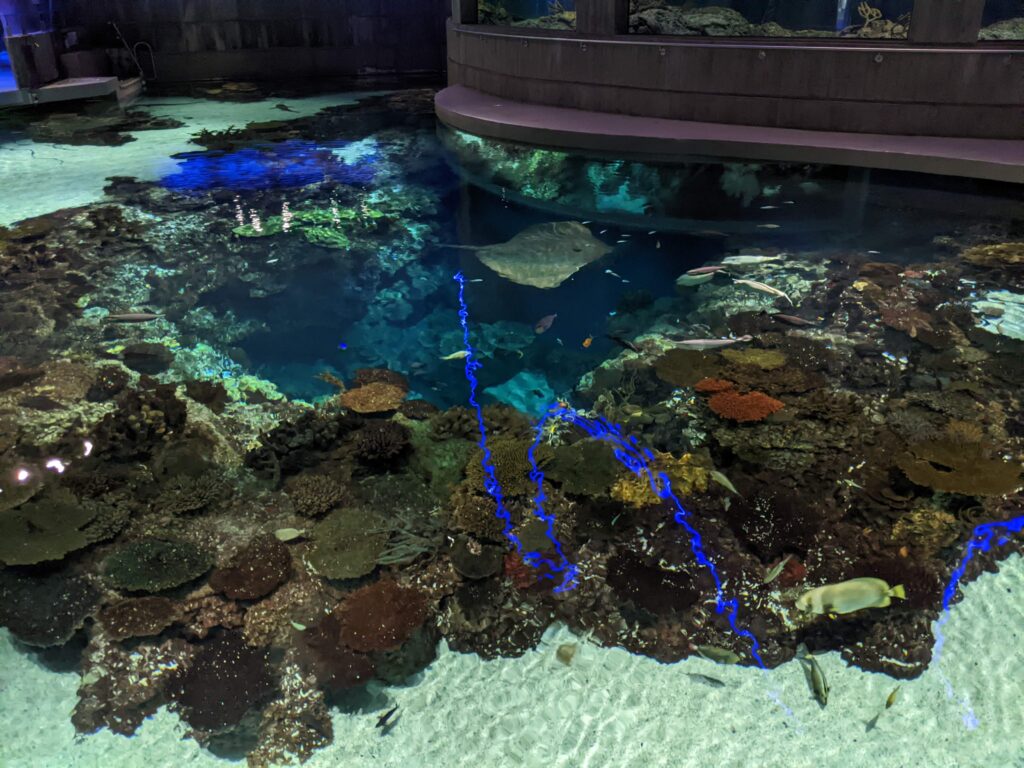
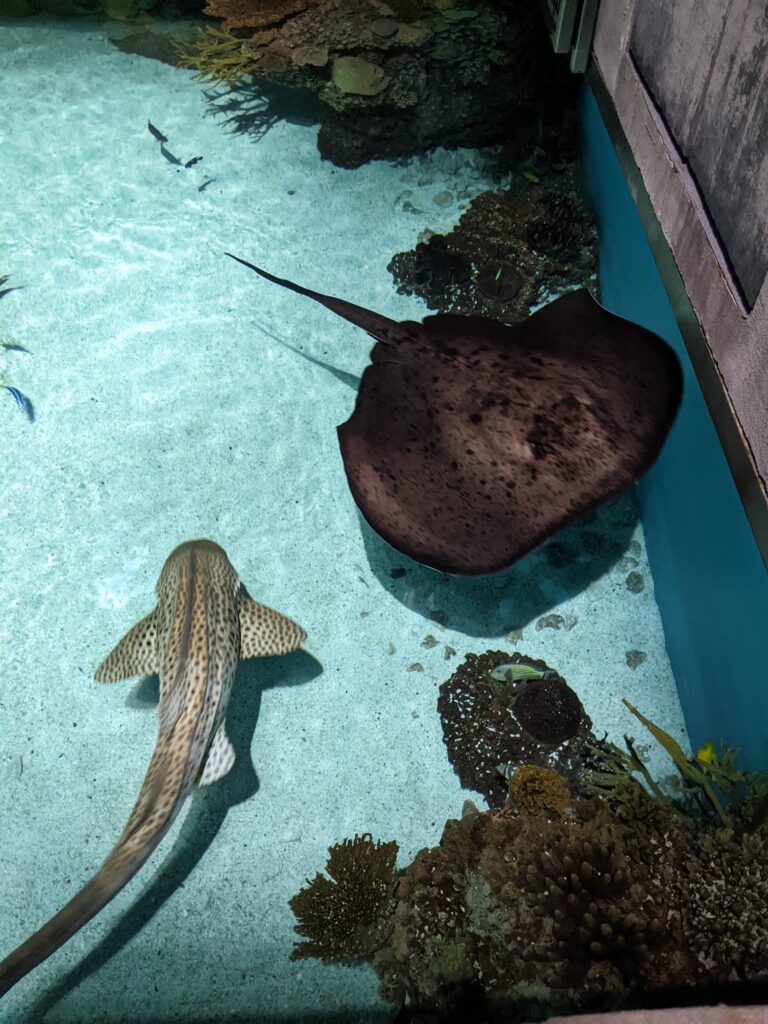
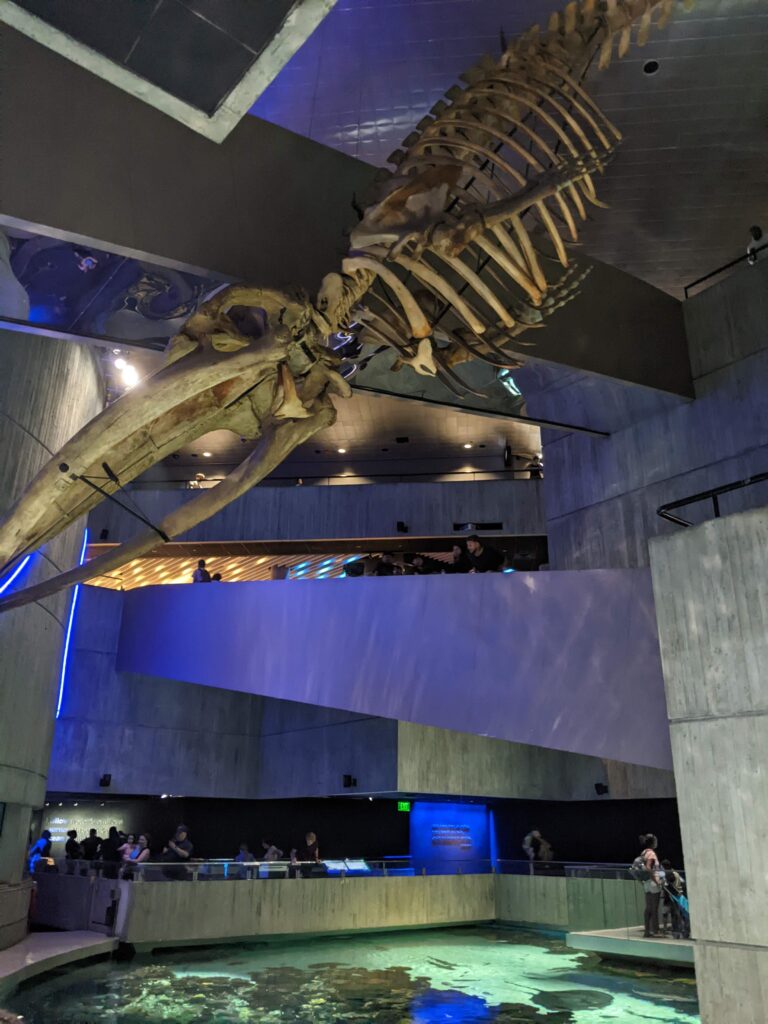
The central atrium was the most surprising space to me. It’s 4 or 5 stories tall with ramps criss-crossing the space as you go up, so you can view the pools and tanks from various levels. The coolest thing, though, was the size of some of the animals in the shallow pool on the bottom level. The rays were huge! I’m guessing 4 to 5 feet across. There were also several sharks and plenty of fish swimming around.
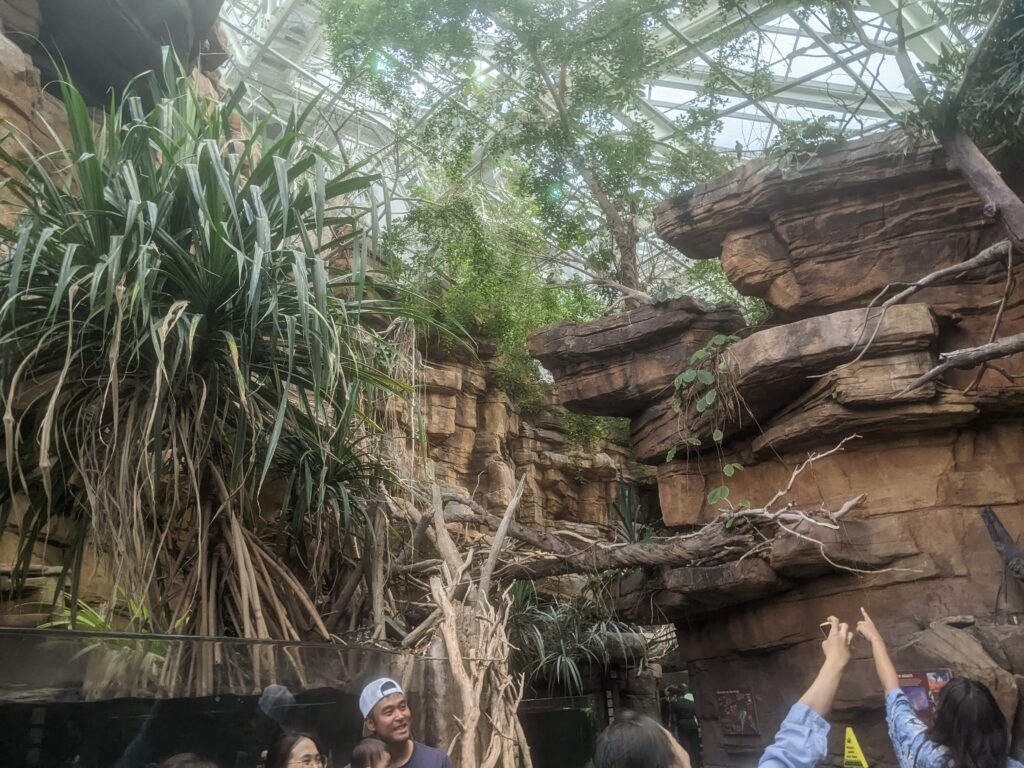
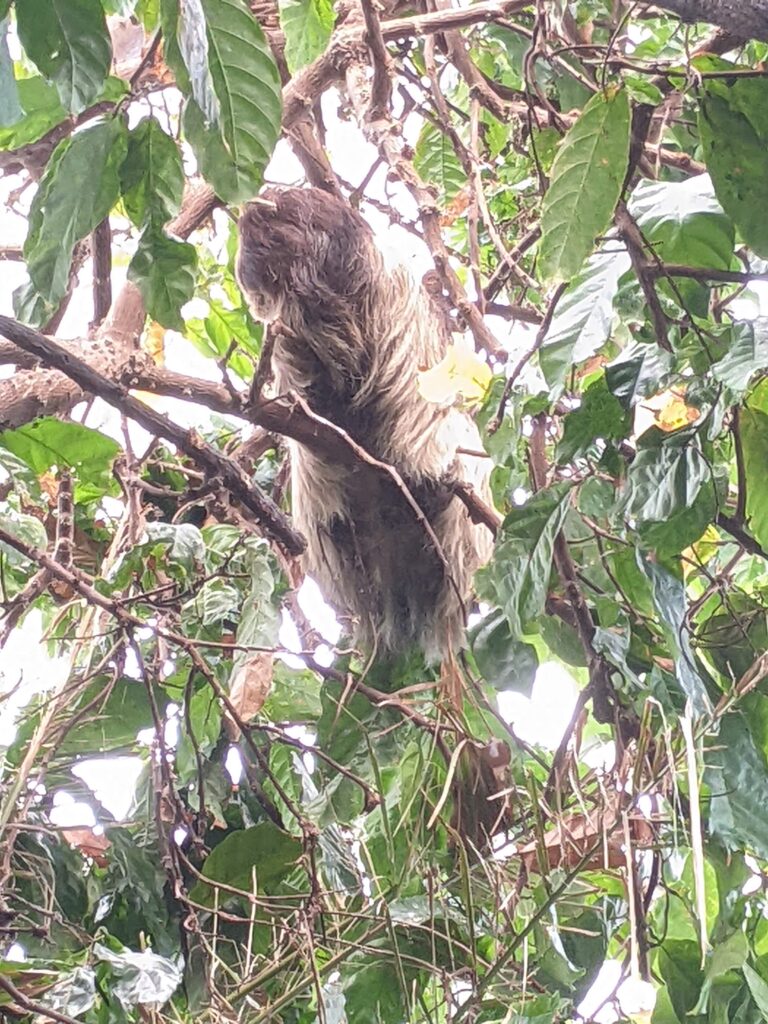
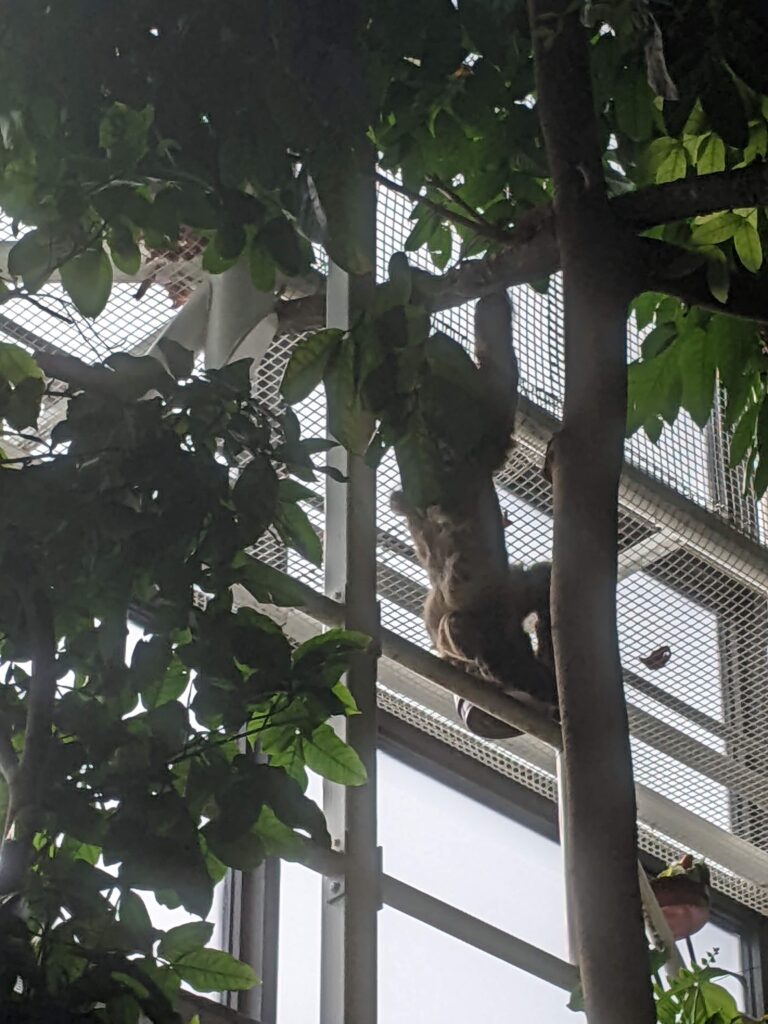
My second favorite exhibit was the Upland Tropical Rain Forest. This is another area that is surrounded by glass, so it has lots of sunlight. Plus, the environment is maintained at 80 degrees and humid, so I was sweating in about 30 seconds. However, it was all worth it because I saw sloths in person! We’ve twice been to Panama where sloths are native, but we never saw them in the wild. I was so excited to see two different sloths literally hanging out in this big room. In addition to the sloths, there are 27 other animal species and 160 plant species in this exhibit. It was super cool.
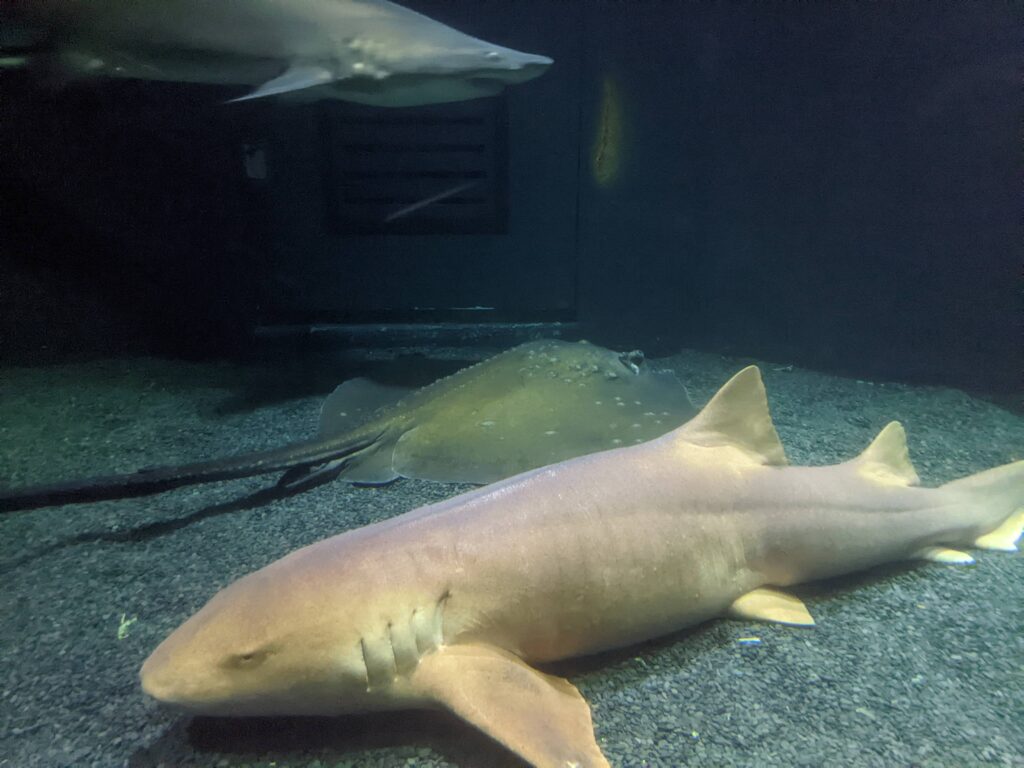
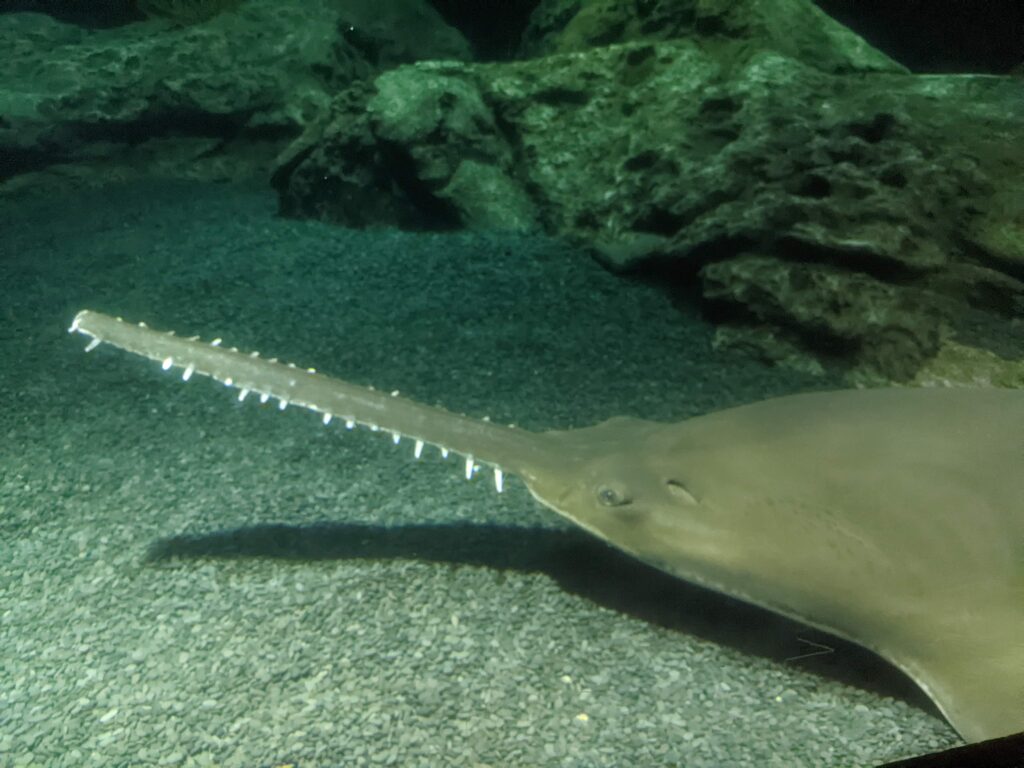
The Shark Alley exhibit holds 7 species of shark. I also saw a largetooth sawfish which is a species of ray and not a shark. I learned that there are 5 types of sawfish in the world and all are either endangered or critically endangered.
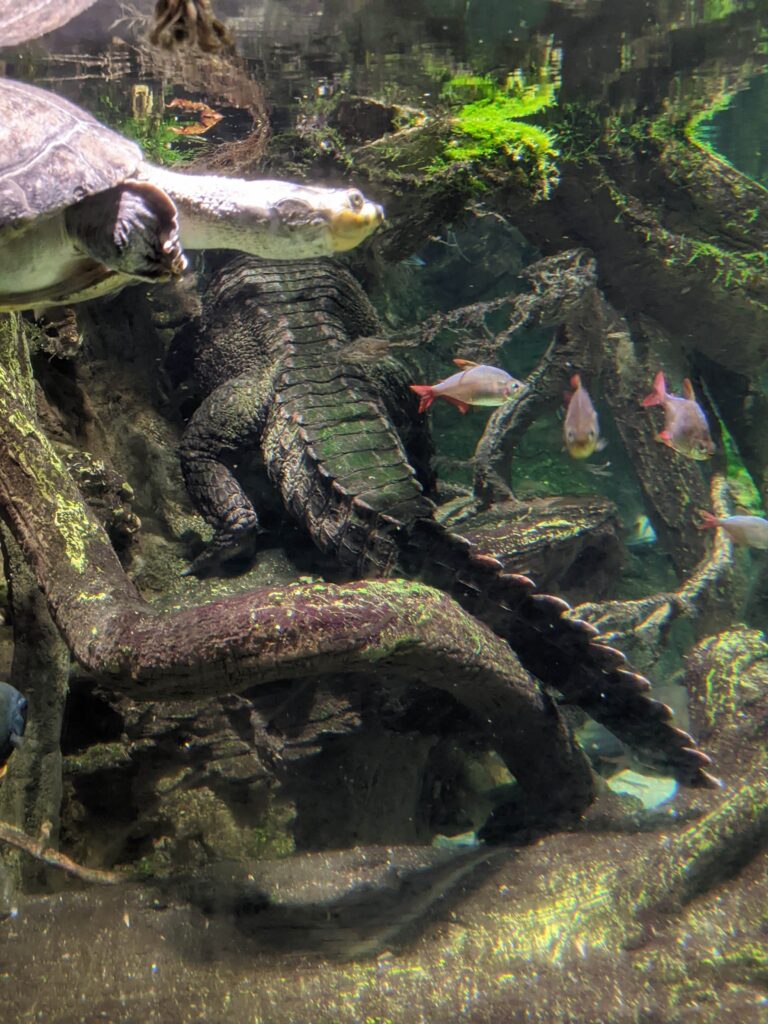
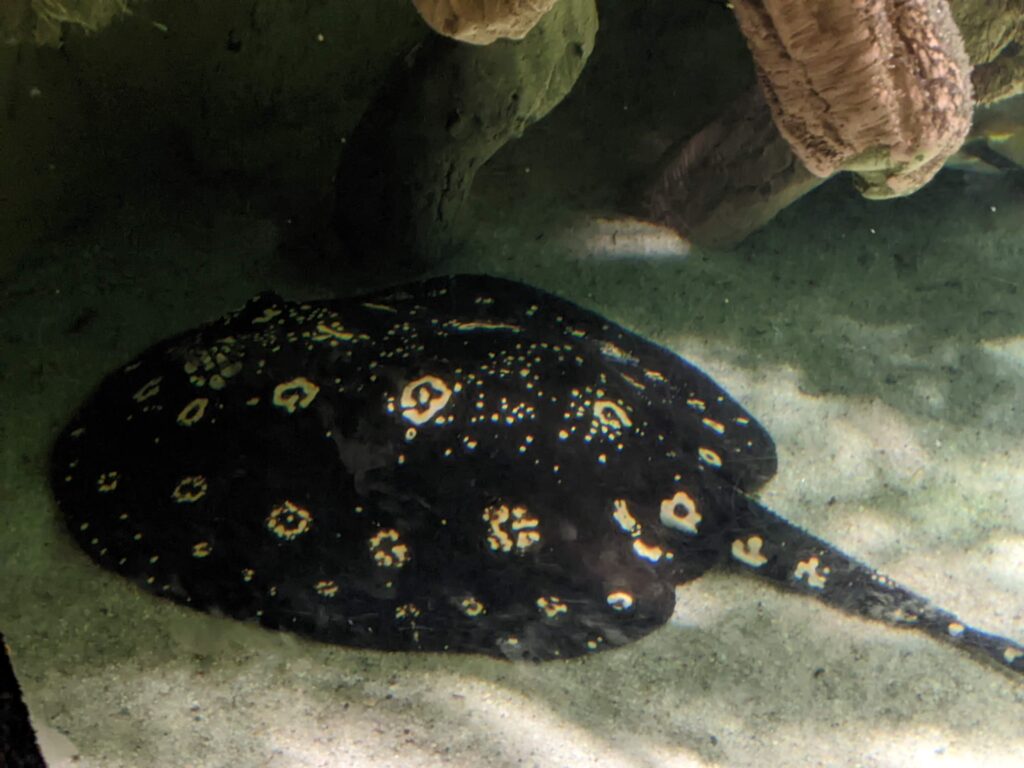
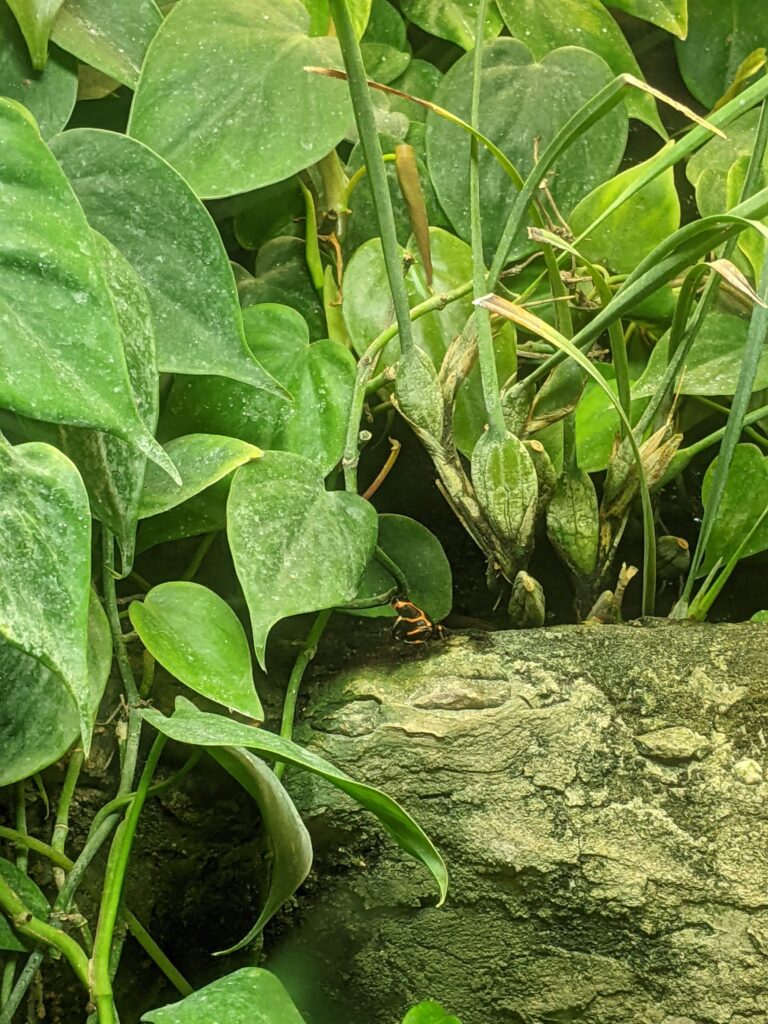
The Amazon River Forest exhibit contains over 50 species of animals including ripsaw catfish, turtles, tree frogs, and river stingrays.



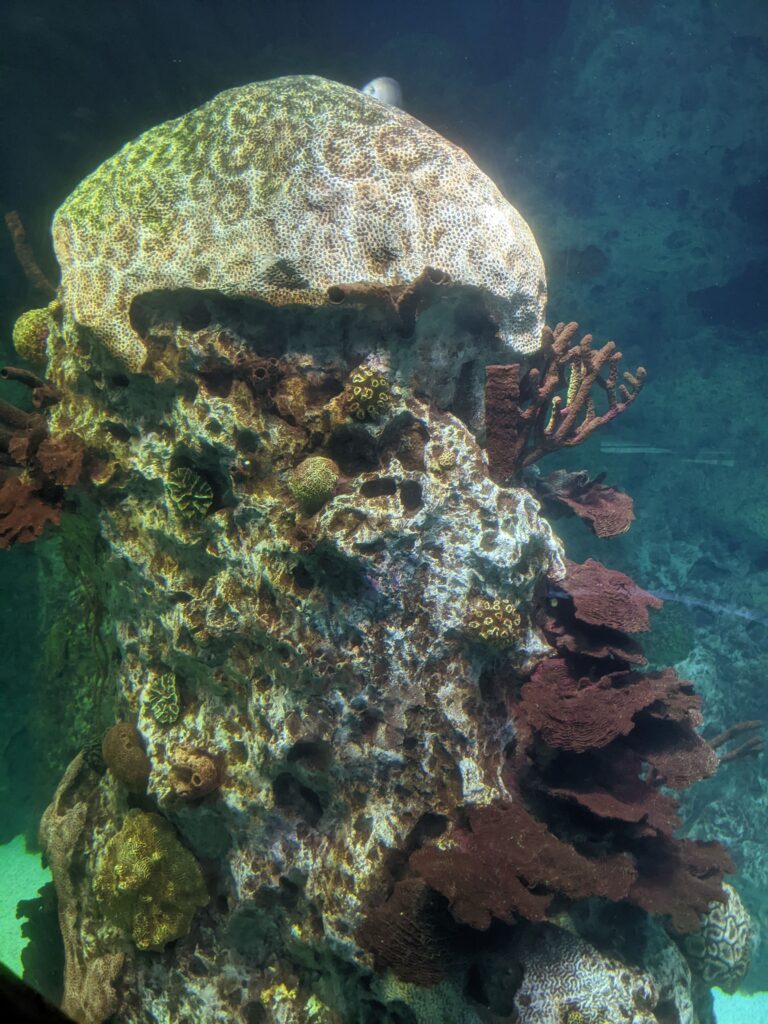
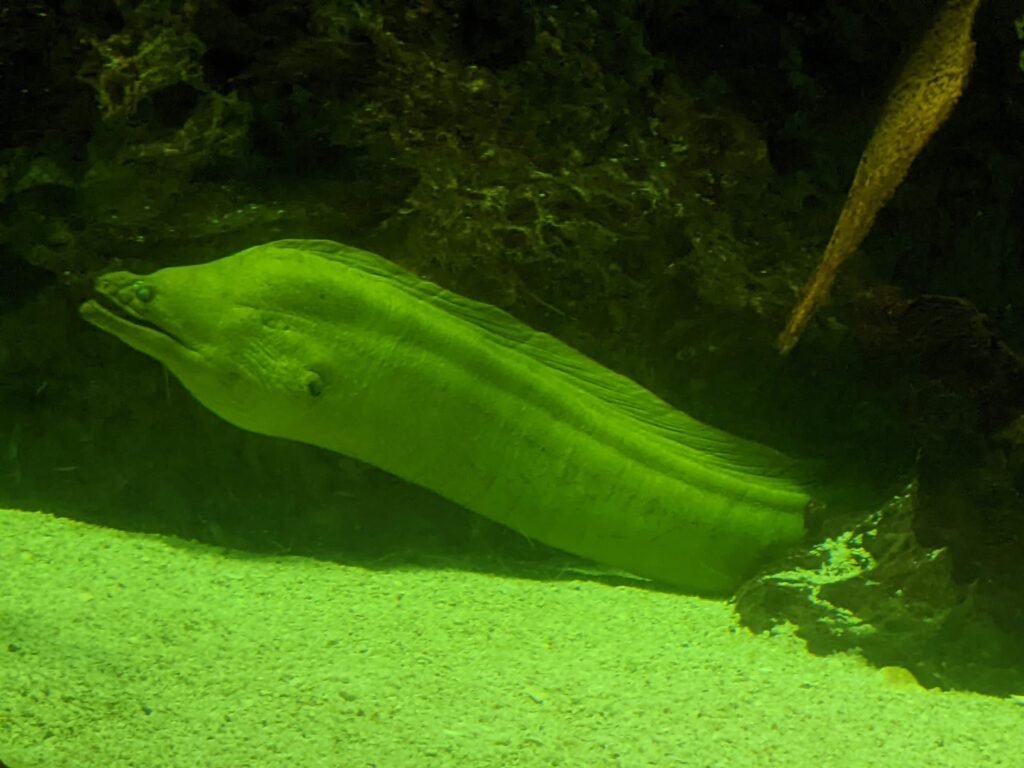
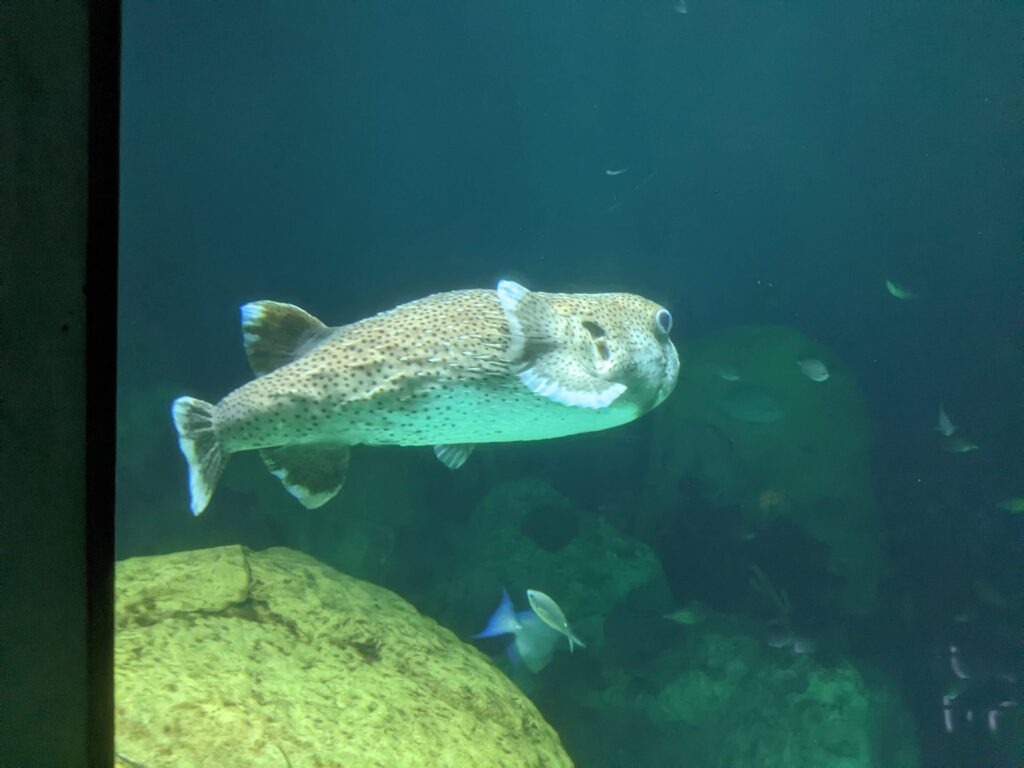
The Atlantic Coral Reef area has over 1,000 animals. I saw moray eels, porcupine fish, sea turtles, and so many fish.
The Dolphin Discovery is a huge pool with 6 bottlenose dolphins. I think they give performances throughout the day, but I didn’t catch one. I did see them swimming around in their pool, though.
Here are some other animals that I spied during my visit:
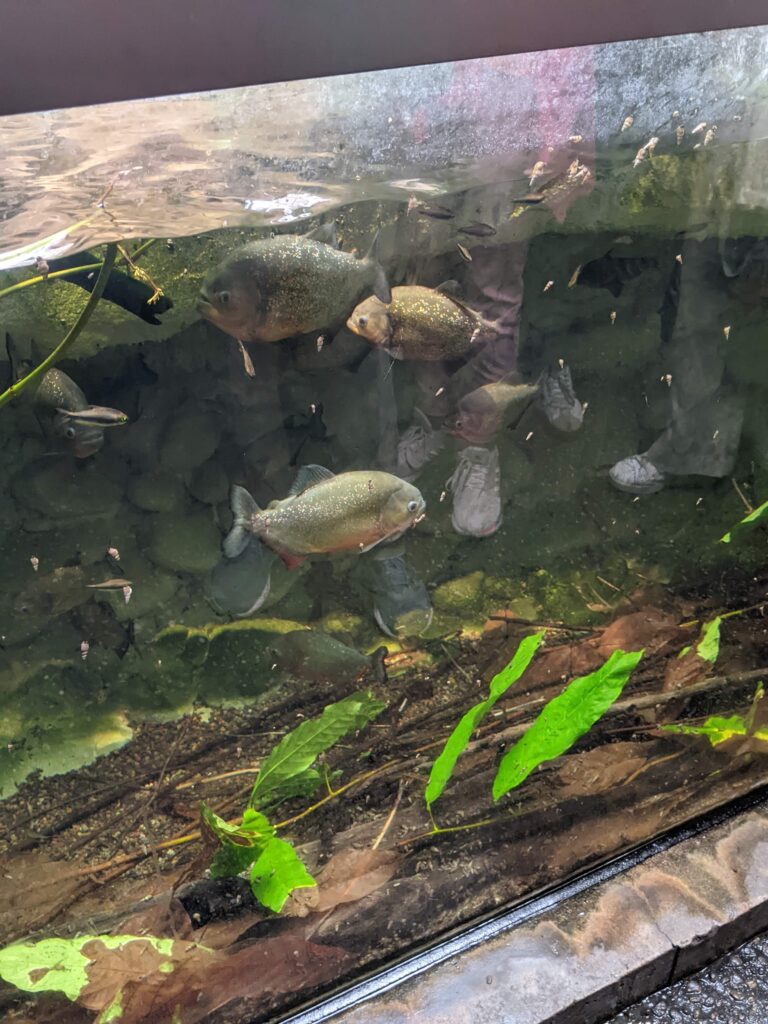
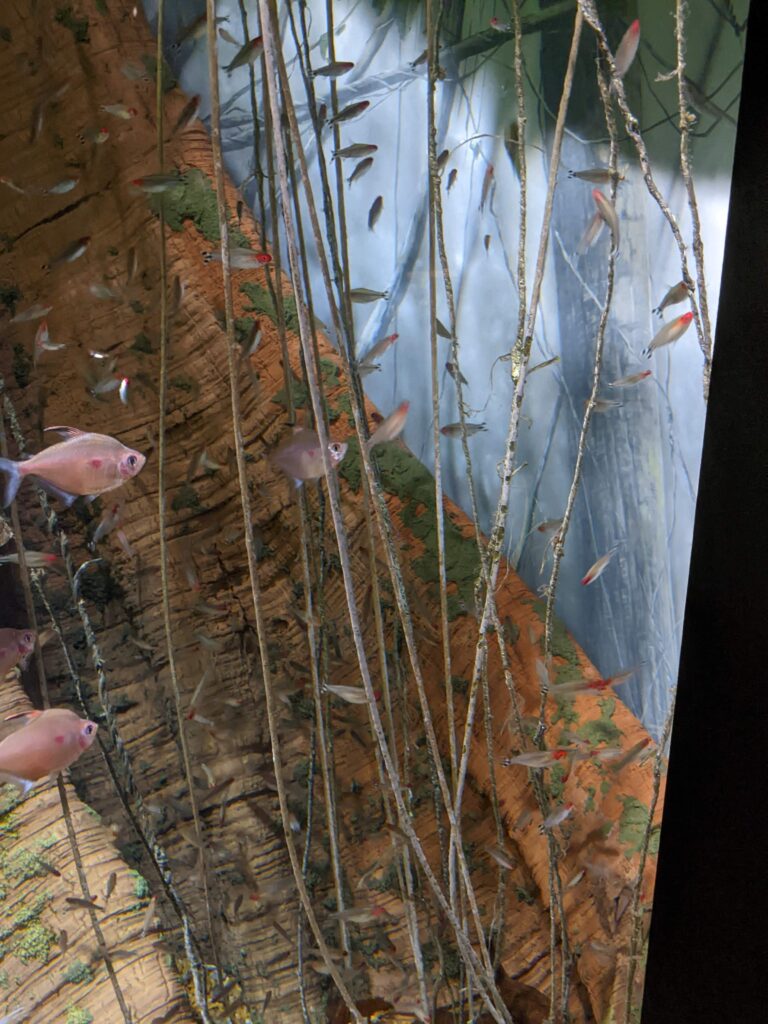
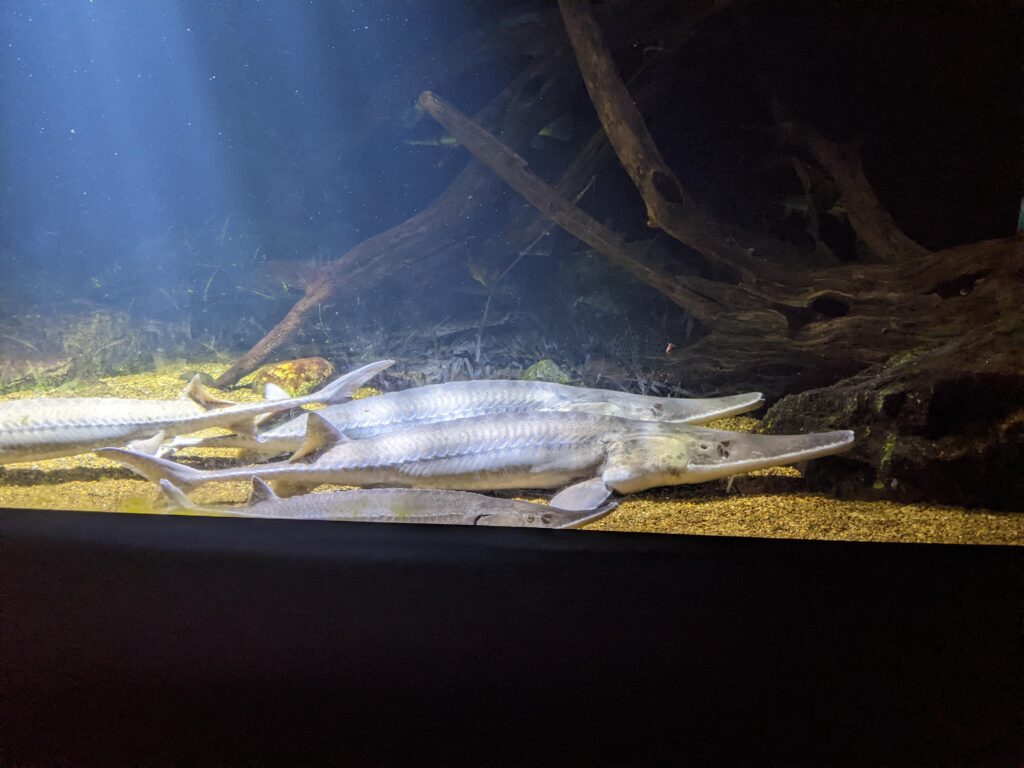


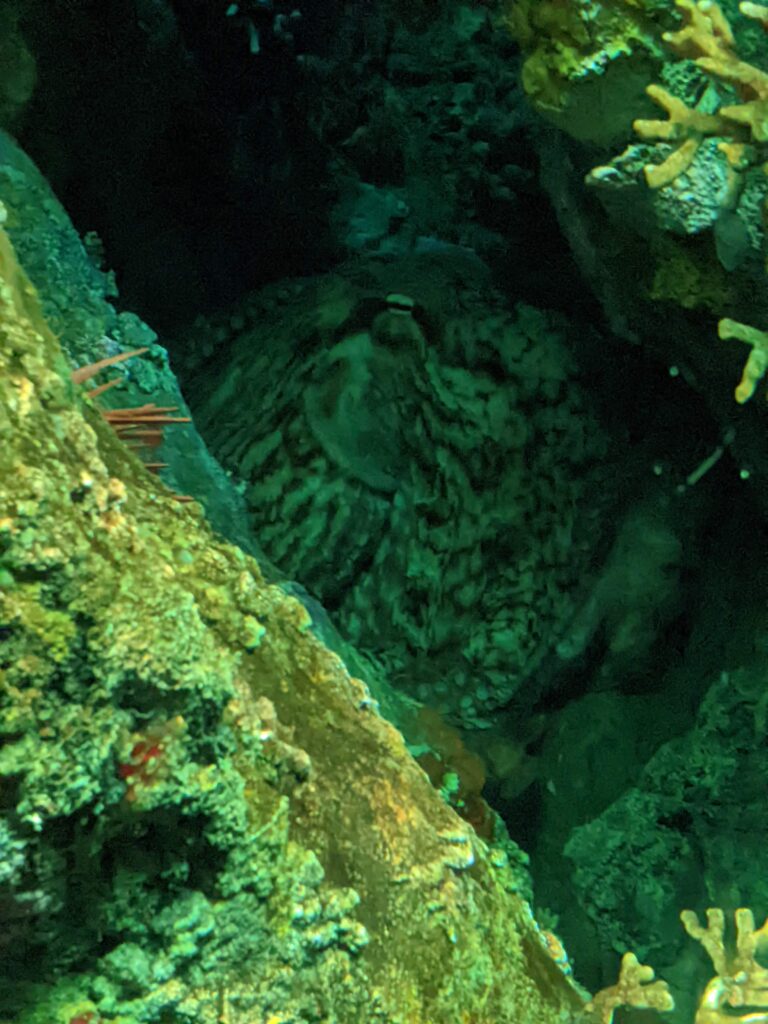
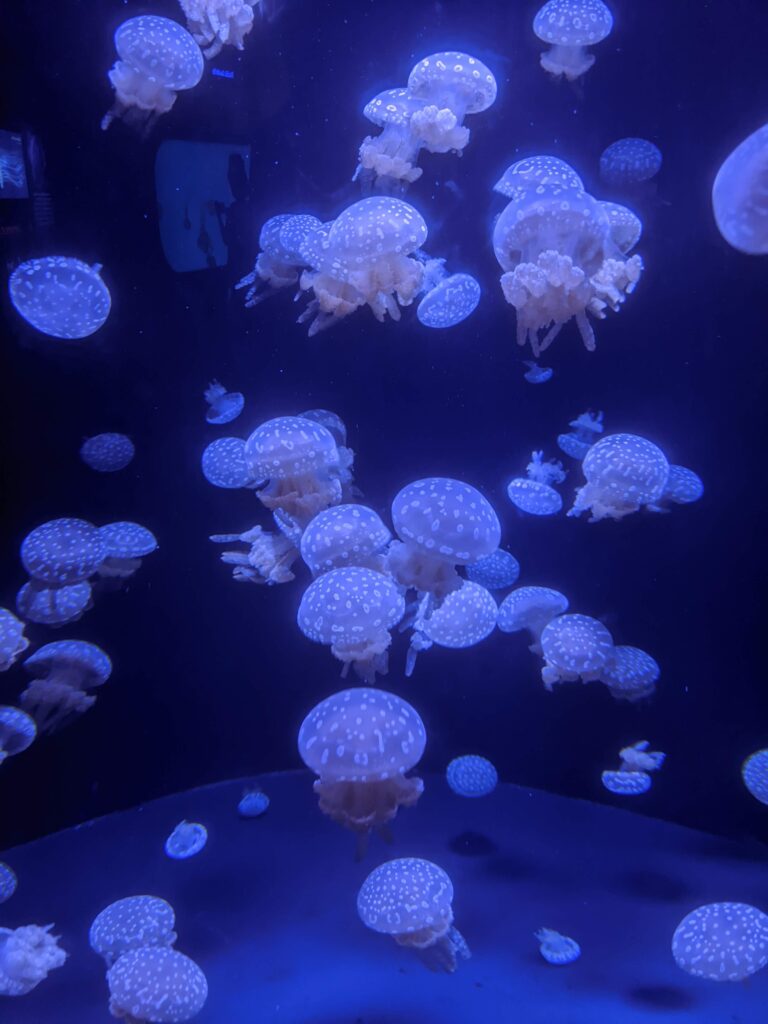
And finally, my favorite type of exhibit is always the jellies. At the National Aquarium, this was originally intended to be a temporary exhibit, but Jellies Invasion became a permanent part of the Aquarium due to its popularity. It contains 8 different species and over 300 animals in total. Species include the blue blubber jelly, upside down jelly, pacific sea nettle, and japanese sea nettle. I can always sit and lose track of time watching jellies float around in their tanks. They are mesmerizing and so peaceful to watch. My heart rate slows down, and every part of me relaxes. It’s such a calming experience, so I’ll close with that for today.